Supplements Treatment Options For Female Sexual Dysfunction
Feb 21, 2023
Hypoactive Sexual Desire Disorder and Female Sexual Arousal Disorder
Hypoactive sexual desire disorder (HSDD) is classified in the DSM-IV as a reduction or absence of spontaneous desire, response to erotic therapy or inability to maintain sexual desire throughout the sexual activity, or a pain-related loss of pre-existing sexual desire. Controversially, in the DSM-V, this diagnosis is combined with female sexual arousal disorder (FSAD) and has been merged into a new diagnosis called female sexual interest/arousal disorder (FSIAD). As the literature on pharmacotherapy continues to distinguish between HSDD and FSAD, this review will continue to refer to them separately. Development to date has focused on centrally acting excitatory (dopamine, norepinephrine, melanocortin) and inhibitory (serotonin, endocannabinoids, opioids) receptors to enhance the libidinal response. Although we know little about the neurochemical basis of HSDD, the prevailing hypothesis is that interactions between the 5-hydroxytryptaminergic system and other neurochemical pathways lead to increased inhibition or decreased excitation, and drug development has been directed at these pathways].

Click Here To Get More Infos About How Cistanche Capsules Treat Female Sexual Arousal Disorder
Ask For More: wallence.suen@wecistanche.com 0015292862950
Non-hormonal therapies
Cistanche
Cistanche is a very precious Chinese medicinal material, which has the effect of tonifying the kidney and strengthening yang. It is not only suitable for men to eat, but also has many benefits for women. Cistanche is a kind of warming and tonic medicinal material. It is very suitable for people with cold hands and feet and cold limbs. Women with cold constitutions will not hurt their yin if they eat it. Cold constitutions can easily affect menstruation, leading to irregular menstruation and even infertility.
1. Regulating menstruation, palace cold
Women's physique is cold, menstrual blood stasis will accumulate in the body during menstruation, menstrual cycle is irregular, menstrual flow is less, light and thin, and even dysmenorrhea. The active ingredient phenylethanol glycosides in Cistanche can improve microcirculation, promote peripheral vascular circulation of extremities, and improve symptoms of cold extremities. Cistanche is a warming and tonic medicinal material, which can dispel blood stasis and treat dysmenorrhea.
2. Treatment of infertility
When women suffer from severe cold in the womb, it is easy to cause infertility, and it is difficult to raise a fetus. Cistanche has the function of warming and nourishing without hurting yin. Women who eat cistanche can increase the yang in the body and will not tonify yang too much and hurt yin, resulting in yin deficiency and hyperactivity of fire.

3. Effective anti-aging
Cistanche has the effect of invigorating the kidney and strengthening yang. Kidney essence is an important factor to maintain the youth of the human body. Women with sufficient kidney essence will naturally be young and beautiful.
4. Laxative, detoxification, and beauty
Cistanche has a good laxative effect, can promote gastrointestinal motility, and accelerate gastrointestinal metabolism. Women can detoxify and maintain their beauty after eating it.
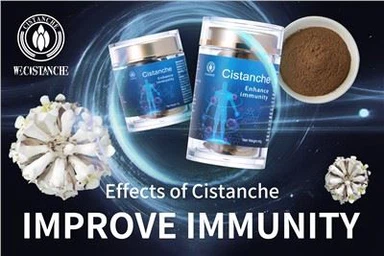
5. Improve immunity
Cistanche is a precious medicinal material that regulates the immune function of the body. The content of polysaccharides in its extracted species is relatively high. The immune enhancement effect of polysaccharide components may play a major role in the strengthening and tonic effects of Cistanche. After giving birth, women will suffer from low immunity due to excessive consumption and cause various diseases. Eating cistanche can improve immunity and speed up body recovery.
6. Delay menopause
Women will accelerate aging after menopause, and Cistanche can delay menopause. After the age of 45, women start to eat Cistanche, which can delay the age of menopause and treat menopausal syndrome.

Other Non-Hormonal Drugs
Bupropion is currently approved as an antidepressant and smoking cessation aid and has been shown in several studies to be effective in the treatment of HSDD in premenopausal and postmenopausal women. a recently published meta-analysis found a dose-dependent improvement in libido, with a 300 mg dose having a stronger effect than 150 mg. Buspirone (another antidepressant) and trazodone (pharmacologically similar to flibanserin) have also been described as having some benefit in the treatment of HSDD. These may be attractive options for people with both depression and HSDD.
Sildenafil is a PDE-5 inhibitor that has been shown to increase blood flow to the vagina and clitoris. In a large randomized trial of 100 mg of sildenafil per day versus placebo in patients with HSDD, FSAD, or female orgasmic disorder, there was no difference in vaginal lubrication or sensation, sexual desire, or satisfaction. In a randomized trial of 202 postmenopausal individuals, 25-100 mg of sildenafil per day did improve intercourse sensation and satisfaction in individuals with FSAD and no HSDD.
Hormone Therapy
Transdermal testosterone
In 2019, 12 international associations wrote global consensus statements on the use of testosterone therapy in women to standardize their recommendations for use in postmenopausal individuals. In addition, the International Society for the Study of Women's Sexual Health (ISSWSH) published a practice guideline on the use of testosterone in AFAB individuals with HSDD in 2021. Although there is no definitive link between HSDD and testosterone levels, transdermal testosterone has been used beyond instructions in postmenopausal individuals to increase libido. Because both adrenals and ovaries produce testosterone equally, AFAB individuals who undergo bilateral oophorectomy have dramatically decreased testosterone levels. In naturally menopausal individuals, testosterone declines with age and may be associated with decreased ovarian function. Earlier studies have demonstrated the benefit of oral or intramuscular testosterone combined with estrogen replacement therapy, but these agents make dosing difficult and patients may receive supraphysiologic doses.

A meta-analysis of 36 randomized controlled trials of systemic testosterone preparations in more than 8,000 postmenopausal individuals found that testosterone significantly increased sexual desire, pleasure, arousal and orgasm and reduced pain compared with placebo or estrogen ± progesterone. The study also reiterated that non-oral administration is preferred due to the significant elevation of cholesterol and triglycerides in oral testosterone. The transdermal route (300 mcg/day patch or 5 mg/0.5 mL gel) allows for more accurate dosing with the goal of achieving premenopausal testosterone levels. In a systematic evaluation of transdermal testosterone, women with surgical and spontaneous postmenopausal HSDD had increased SSE frequency, orgasm and libido with or without adjunctive estrogen replacement therapy compared to placebo. The most common side effects were androgenic, including hirsutism and acne. In short-term safety trials of transdermal testosterone, metabolic markers, renal and liver function tests were similar to controls, while long-term studies likewise showed no increase in adverse events. Testosterone can be prescribed as an FDA-approved formulation for men (one-tenth of the dose), and it is recommended that free and total testosterone levels be monitored after 3-6 weeks of treatment to ensure that the value does not exceed the normal range for individuals with premenopausal AFAB (approximately 40 ng/dl). Because testosterone is currently off-label for AFAB individuals, informed consent should be obtained.

Conclusion
SD is common and has multiple forms and causes. Many people never seek treatment or even discuss their concerns with their clinicians, leading to underdiagnosis and undertreatment of the disease. Nevertheless, we know that SD has a significant impact on quality of life. Therefore, clinicians have a responsibility to discuss sexual activity to identify and manage the disease. Currently, there are many hormonal and non-hormonal treatment options for individuals with AFAB who have SD that are well tolerated and effective and do not require extensive monitoring.