The Etiology And Pathogenesis Of Acute Kidney Failure
Jul 06, 2022
The etiology of acute tubular necrosis is varied and can be summarized into two categories:
1. Nephrotoxic substance that is toxic to the kidneys, such as sulfonamide, carbon tetrachloride, mercury, bismuth, dichlorphenamide in drugs; polymyxin, vancomycin, kanamycin in antibiotics gentamicin, gentamicin, cephalosporin I, gentamicin II, neomycin, amphotericin b, iodine contrast agent, methoxyflurane anesthetic, etc.; biological toxins such as snake venom, bee venom, fish mushroom, Cantharidin (cantharidin), etc., can cause acute tubular necrosis under certain conditions.
2. Renal ischemia Severe renal ischemia such as severe trauma, extensive burns, major surgery, massive blood loss, obstetric hemorrhage, severe infection, sepsis, dehydration, and electrolyte balance disorders, especially those combined with shock, can easily lead to acute renal tubular failure. necrosis.

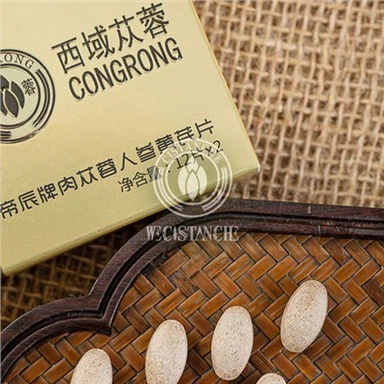
Click to Cistanche tubulosa Tablets for kidney function
In addition, hemoglobin released from intravascular hemolysis (such as black urine fever, primaquine-induced hemolysis, broad bean disease, incompatible blood transfusion, arsenic oxide poisoning, etc.), and massive muscle trauma (such as crush injury, muscle inflammation) Myoglobin, excreted by the kidneys, can damage the renal tubules and cause acute tubular necrosis.
The specific pathogenesis of acute tubular necrosis is not yet fully understood. Its occurrence is related to the following: (1) The mechanism of the extremely low glomerular filtration rate (often below 5ml/min, most of which is only 1-2ml/min) may be caused by the above-mentioned various causes of renal tubular ischemia or Intoxication, renal tubular epithelial cell damage occurs, which reduces the reabsorption of sodium by the proximal convoluted tubule, increasing the amount of sodium and water in the original urine. When it flows through the dense plaque of the distal convoluted tubule, it stimulates the juxta glomerular apparatus to release renin, which increases the activity of angiotensin II in the kidney, causing the contraction and spasm of the glomerular arterioles, leading to renal Blood flow to the glomeruli, especially the outer cortical glomerulus, is reduced, and the filtration rate is extremely reduced. In addition, when renal ischemia occurs, the perfusion of renal afferent arterioles decreases, which directly stimulates the release of renin from paraglobular cells and increases angiotensin II, resulting in constriction of afferent arterioles and a decrease in glomerular filtration rate. And the secretion of aldosterone increases and promotes the retention of sodium ions and water. Other scholars believe that the decrease in the glomerular filtration rate is caused by the damage and swelling of the capillary endothelium, resulting in a decrease in the permeability of the filtration membrane. ②The renal tubular lumen is blocked. After the injury, the necrotic and shed renal tubular epithelial cells, inflammatory exudates, blood (myo)globin, etc., form clumps and casts, block the lumen, and obstruct the downstream flow of the original urine. Thus oliguria; on the other hand, the swelling of the lumen of urine will increase the intrarenal pressure and further reduce the glomerular filtration rate. ③ renal tubular wall rupture, the original urine overflow. After the renal tubule is damaged, the wall of the tube is ruptured, and the original urine in the tube overflows to the outside, resulting in oliguria. ④ Some people think that acute renal failure is caused by renal ischemia caused by various reasons (shock, trauma, crush injury, etc.) Cessation (oliguria or anuria) is an autoprotective mechanism of the kidneys, reducing the reabsorption burden on tubular cells, reducing oxygen consumption, increasing tolerance to hypoxia, and once renal ischemia is improved (reperfusion), A large number of superoxide anions can be produced, causing severe renal tissue damage. In a word, acute renal failure is a characteristic syndrome composed of various physiological abnormalities, and various pathogenesis has different meanings in different stages of the disease course.

After the oliguria period, the renal tubular epithelium begins to regenerate. At this time, due to:
① the pathogenic factors have been removed, the ischemia and toxic substances have been eliminated, and the blood circulation has been restored;
② the new tubular epithelial cells cannot still concentrate urine. capacity, the specific gravity of urine is still lower than 1.015;
③ azotemia and stagnant metabolites play an osmotic diuretic effect, so the urine volume increases, which is called the polyuria period.
Macroscopically, the kidneys were enlarged in size and soft. The renal cortex was pale and ischemia on the cut surface, and the medulla was dark red. Microscopically, the renal tubular epithelium was flattened, some were cloudy, swollen, degenerated, and fell off, and there were casts and exudates in the lumen. In cases of renal intoxication, the degeneration and necrosis of epithelial cells are concentrated in the proximal convoluted tubule, and the underlying basement membrane is completely protected; in cases of renal ischemia, the epithelial cells show focal necrosis, scattered in each segment of the renal tubule, and the underlying The basement membrane is often ruptured, ruptured, and small round cell infiltration and edema can be seen in the renal interstitium. Some kidneys of patients who died of acute tubular necrosis have no change in the shape of the renal tubules under the light microscope. The name is not very appropriate, but in these cases, under the electron microscope, mitochondria with renal tubular epithelial cells can sometimes be seen deformed, the endoplasmic reticulum disappears, the microglia are shed, and there are also micro-clefts in the basement membrane in some parts. The glomeruli and renal arterioles are generally unchanged, and only when disseminated intravascular coagulation occurs, fibrinous thrombi in the glomerular capillaries can be seen. On the 5th to 6th day of the disease stage, necrotic tubular epithelial cells begin to regenerate. If the basement membrane is intact, the new epithelial cells quickly cover the basement membrane, so that the shape of the renal tubules returns to normal. However, if the basement membrane is damaged, the epithelial cells cannot be regenerated, and the defect is replaced by connective tissue.

Why does non-oliguric type appear in acute renal failure? What is the mechanism?
Non-oliguric acute tubular necrosis is acute tubular necrosis without oliguria or anuria, and the average daily urine output of patients exceeds 1000 ml. The pathogenic factors of the non-oliguric type are different from those of the oliguric type. The former is caused by nephrotoxic substances aminoglycoside antibiotics and contrast agents, while the oliguric type is mostly caused by surgery and renal ischemia. Those with non-oliguric type have fewer test indexes and fewer changes in urine type. Isotonic urine, low urinary sodium content, low sodium excretion fraction, less than 1%, mild elevation of serum creatinine/rapid recovery of renal function, a combination of non-oliguric type, fewer symptoms, less urinary type, The fatality rate is also low, and there are fewer patients requiring dialysis. However, the fatality rate is still 26%, and individual severe patients still need dialysis treatment. In recent years, the incidence of non-oliguric acute renal failure has increased year by year, reaching 70%-80%. In addition to the increased awareness of the disease, the use of aminoglycoside antibiotics has increased in recent years, and drug-induced acute tubular necrosis is mostly non-oliguric. In addition, in the early stage of acute renal failure, the rational use of diuretics, dopamine, and mannitol increases renal blood flow and the flushing effect of urine and often manifests as a non-oliguric type.

It is now believed that the pathogenesis of non-oliguric acute tubular necrosis is mainly due to the following three points: (1) The different nature of the damaged nephrons. In addition to the heterogeneity of the nephrons, the hydrodynamic changes of the nephrons are also different. There are great differences in the changes in fluid dynamics between the nephrons of the non-oliguric type. Some nephrons have no decrease in renal blood perfusion, no obvious vasoconstriction, and vascular resistance is not high, while some nephrons have renal blood perfusion. In the same nephron, the degree of damage to the glomerulus and renal tubule is also inconsistent. The degree of damage to the nephron is different, and the degree of damage to the glomerulus is also different. Due to glomerular damage, the glomerular filtration rate decreased, and blood urea nitrogen and serum creatinine increased. However, in some nephrons, the renal tubular damage is mild, and the sodium and water transport dysfunction are mild, so the sodium excretion fraction and water excretion fraction are both increased, resulting in no decrease in urine output; ③coligorsky et al. Hypotheses for the mechanism of renal tubular obstruction. In the early stage of injury, there is only the destruction of hepatocellular-basement membrane adhesion, and the proximal convoluted tubule epithelial cells may fall off from the base and appear in the renal tubule lumen. Cell-to-cell interactions have not yet occurred, and clumps within the lumen and/or exfoliated cells adhere to non-exfoliated epithelial cells, blocking the lumen. These shed cells can be flushed out by the intraluminal fluid and appear in the urine. Morphological examination showed that the epithelial cells in the tubular wall were continuously destroyed, and cracks appeared. Functional examination confirmed the phenomenon of back leakage. This period is consistent with clinically non-oliguric acute renal failure.
for more information:Ali.ma@wecistanche.com