The “Father Of Cistanche” And His Work In The Desert
Aug 19, 2026
Professor Tu Pengfei of Peking University-
A Life of Calm Resolve: The "Father of Cistanche" and His Work in the Desert
By Chen Jiuren (Our Correspondent)
Profile
Tu Pengfei, a native of Taizhou, Zhejiang Province, is a Boya Distinguished Professor at Peking University, a PhD supervisor, a recipient of China's National Science Fund for Distinguished Young Scholars, and a Qihuang Scholar. He serves as Director of the Center for Modern Research on Traditional Chinese Medicine (TCM) at Peking University. His research focuses on efficacy-associated substances and new drug development from Chinese herbal medicine, as well as herbal resources and quality control. He has successfully developed two innovative "effective-fraction" drugs, obtained four new drug certificates and nine clinical approvals, and twice won the Second Prize of the National Science and Technology Progress Award. His team has been recognized by the Ministry of Education as a National Huang Danian-Style Teacher Team.
For more than three decades, he has dedicated himself to the study of Cistanche, a rare parasitic medicinal plant from desert regions. He is widely known in the field as the "Father of Cistanche."
On the southern edge of the Taklamakan
Xinjiang, at the southern rim of the Taklamakan Desert: wind pushes dunes forward inch by inch. Across thousands of kilometers, forests of saxaul and red willow (tamarisk) drive their roots deep into the sand, holding the desert at its boundary.
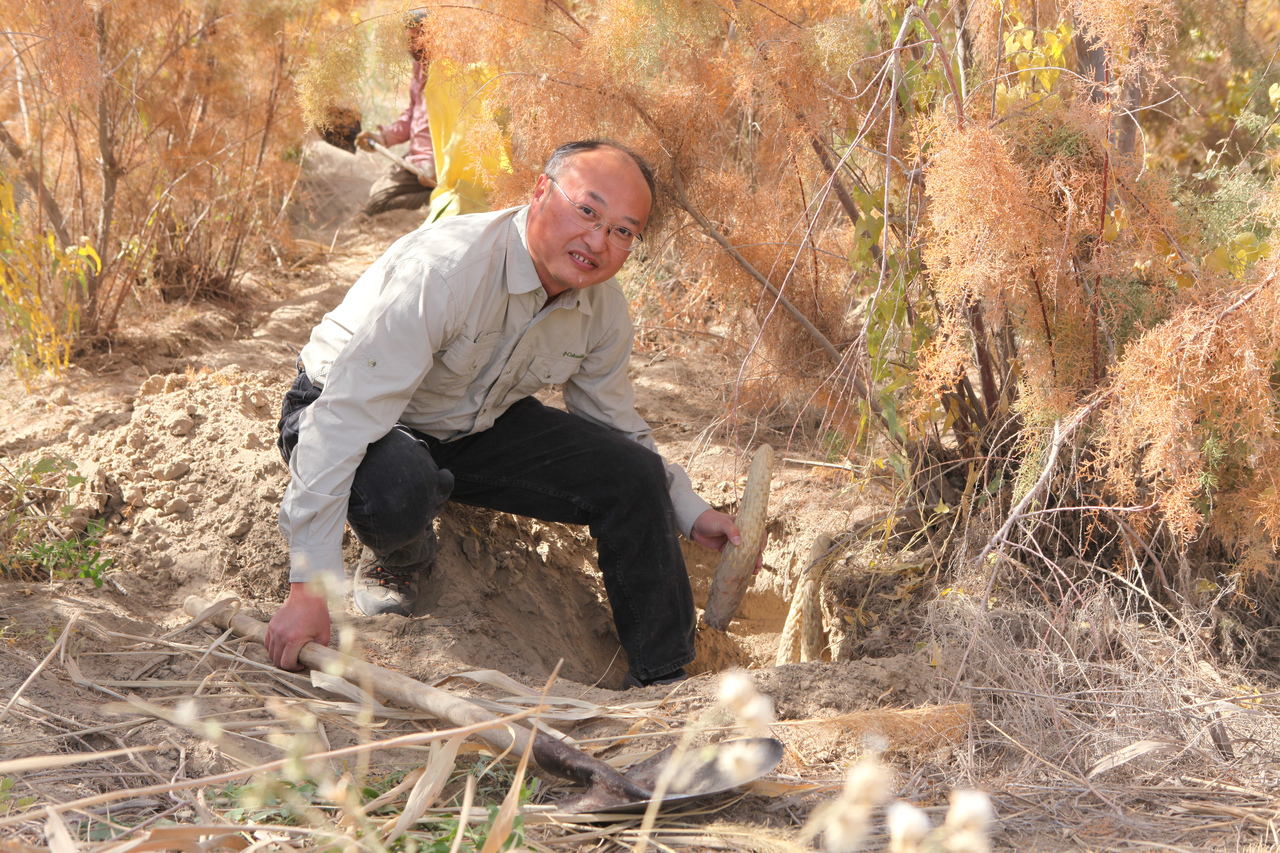
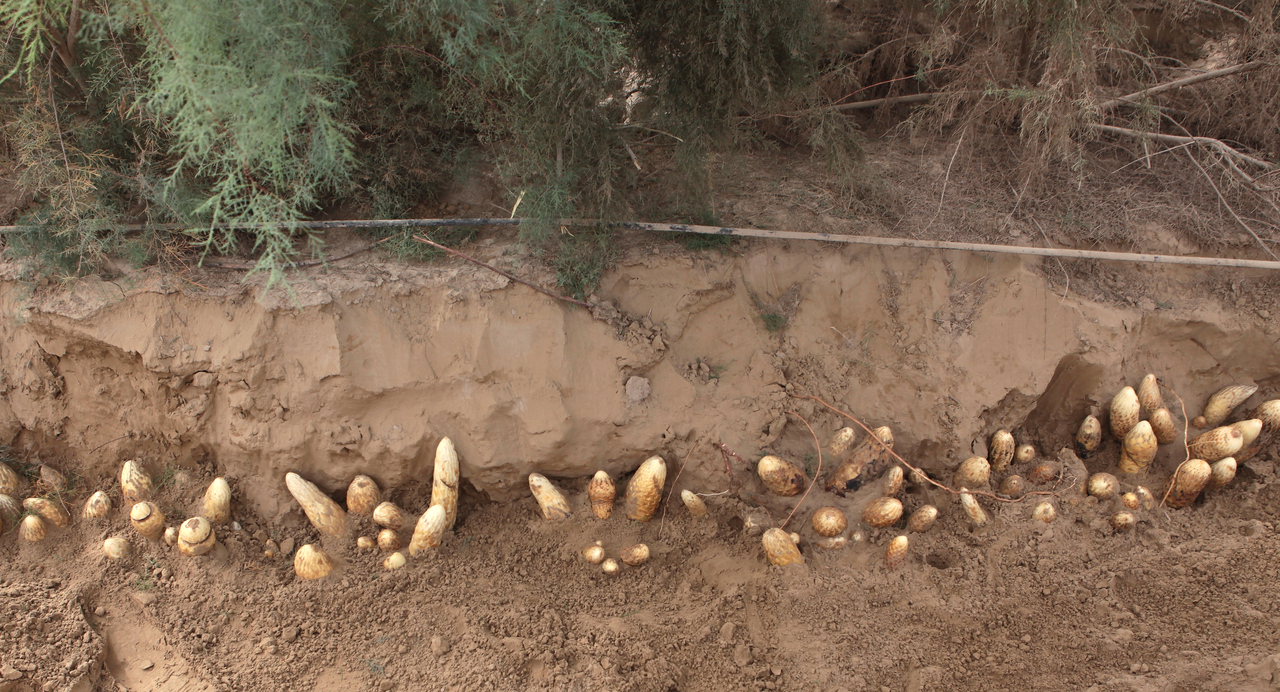
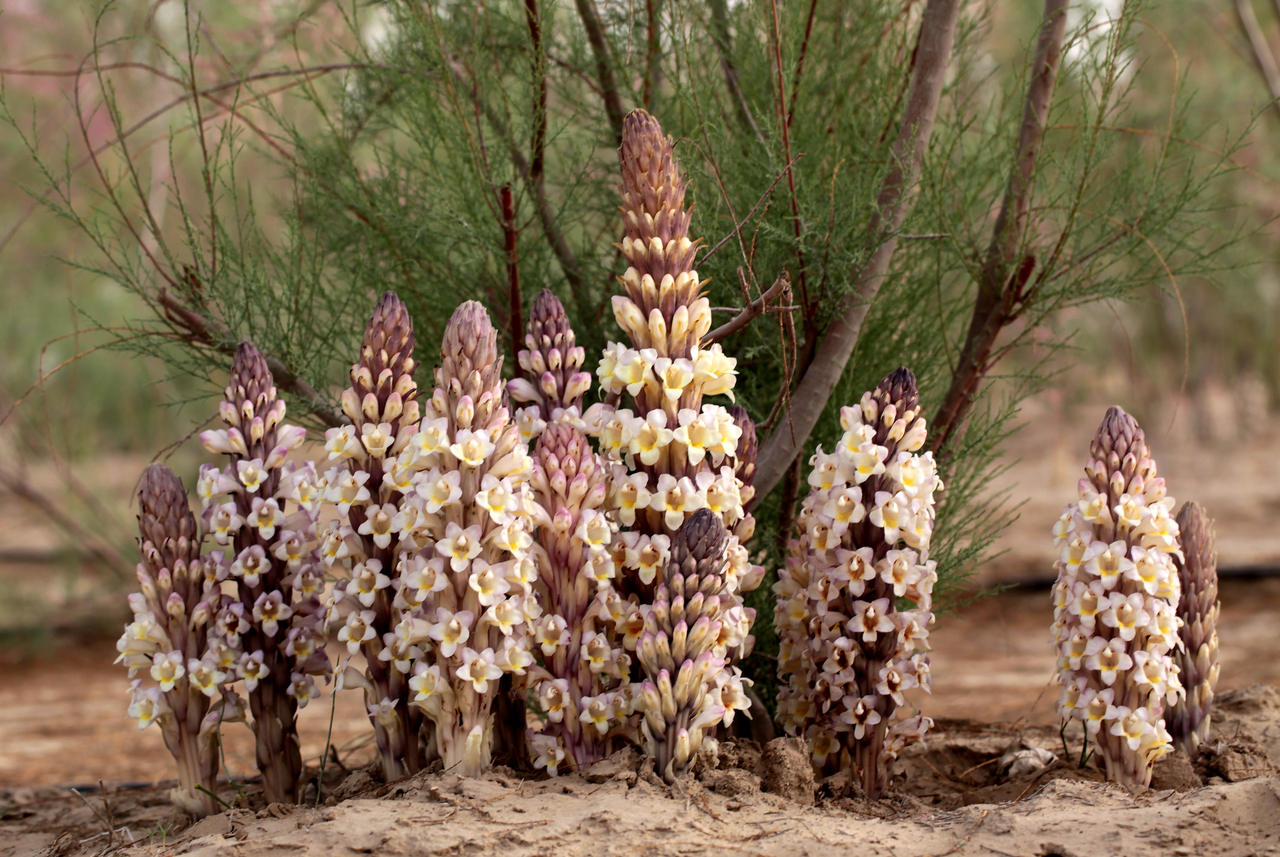
Beneath a stand of red willows, Tu Pengfei, now 63 and Director of the Center for Modern Research on TCM at Peking University, carefully sinks a shovel into the soft sand. Half a meter underground, clusters of thick, fleshy plant bodies slowly emerge.
This is Cistanche, sometimes called "desert ginseng," a precious medicinal material used for more than a thousand years. Yet across its long history, its mysteries remained buried under layers of sand-few could clearly explain how it parasitizes host roots, or how its benefits work at a mechanistic level.
That began to change when Tu Pengfei entered the desert and patiently brushed away the sand-literally and scientifically.
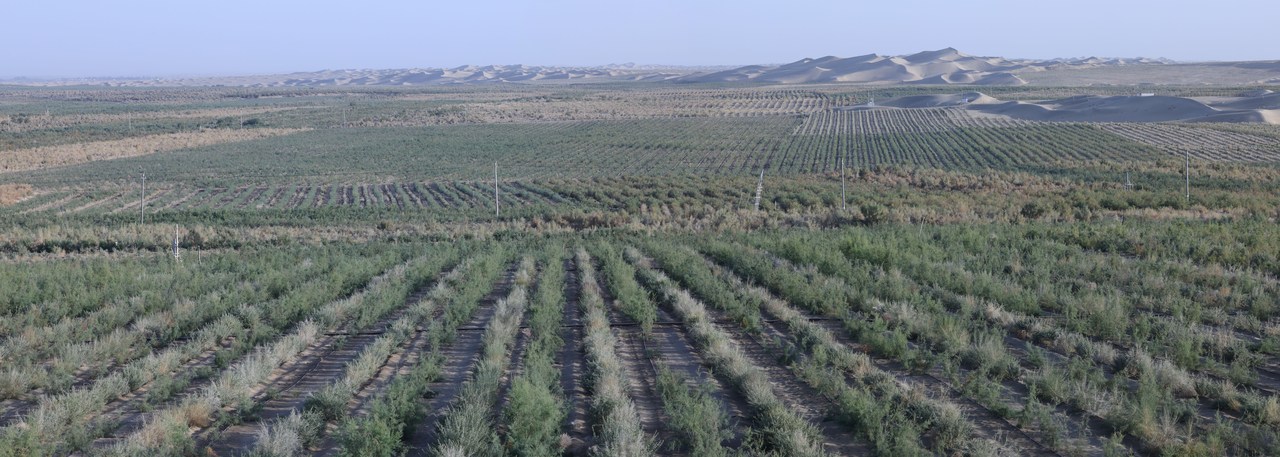
Over more than 30 years, Tu and his team pursued one technical breakthrough after another: they pioneered a high-yield, stable-cultivation system for parasitic plants, built a full industrial chain for Cistanche, helped transform an endangered desert species into a major medicinal crop, and supported income growth for hundreds of thousands of people in desert regions.
In July 2025, the project led by Tu-"Key Technologies for Full-Industry-Chain Development and Promotion of the Desert Endangered Parasitic Medicinal Plant Cistanche, and Their Application"-won the Second Prize of the 2025 National Science and Technology Progress Award.
Drawn in by the growth of a single seed
Step into Tu Pengfei's office and you may be surprised: it is no more than about ten square meters. A bookshelf lines the wall, filled with works on traditional Chinese medicine and pharmacognosy-including Cistanche: The Immortal Herb of the Great Desert, a book he edited that distills more than three decades of research.
A single choice made over 30 years ago set him on a lifelong path.
In 1990, after completing his PhD, Tu began a postdoctoral position at Peking University Health Science Center (then Beijing Medical University). At the time, shortages of traditional medicinal resources were a major bottleneck restricting the development of Chinese medicine.
"A kidney-tonifying herb, a parasitic plant, distributed in deserts, with little research"-as he reviewed the literature, Tu was captivated by Cistanche. It has no true roots of its own, no chlorophyll-bearing leaves, and spends most of its life hidden underground, surviving by drawing nutrients from a host plant. Its peculiar life strategy-and its long-standing reputation in traditional use-sparked his curiosity.
When his mentor, renowned pharmacognosist Professor Lou Zhicen, learned of the topic, he was delighted-but offered a serious warning: "Be prepared to endure hardship." Cistanche grows in deserts; resource surveys and sample collection are exceptionally difficult. That difficulty was one reason research had been scarce.
Only after stepping into the desert did Tu fully understand what that meant.
That autumn, Tu traveled alone to Xinjiang for fieldwork. From Beijing he took a train, then transferred to a bus, and after more than ten days reached Yutian County. There was no navigation, and language was a barrier. He hired a local guide, carried dry food and water, and walked toward the desert interior searching for wild Cistanche.
In the desert, he found no romantic legend-only sand, wind, and poverty. In the daytime, sand stung his face; at night, only the wind could be heard beyond the tent. The most common meal was hard naan. "Back then," Tu recalled, "squatting under a poplar tree and having a bowl of hot noodle soup felt like luxury."
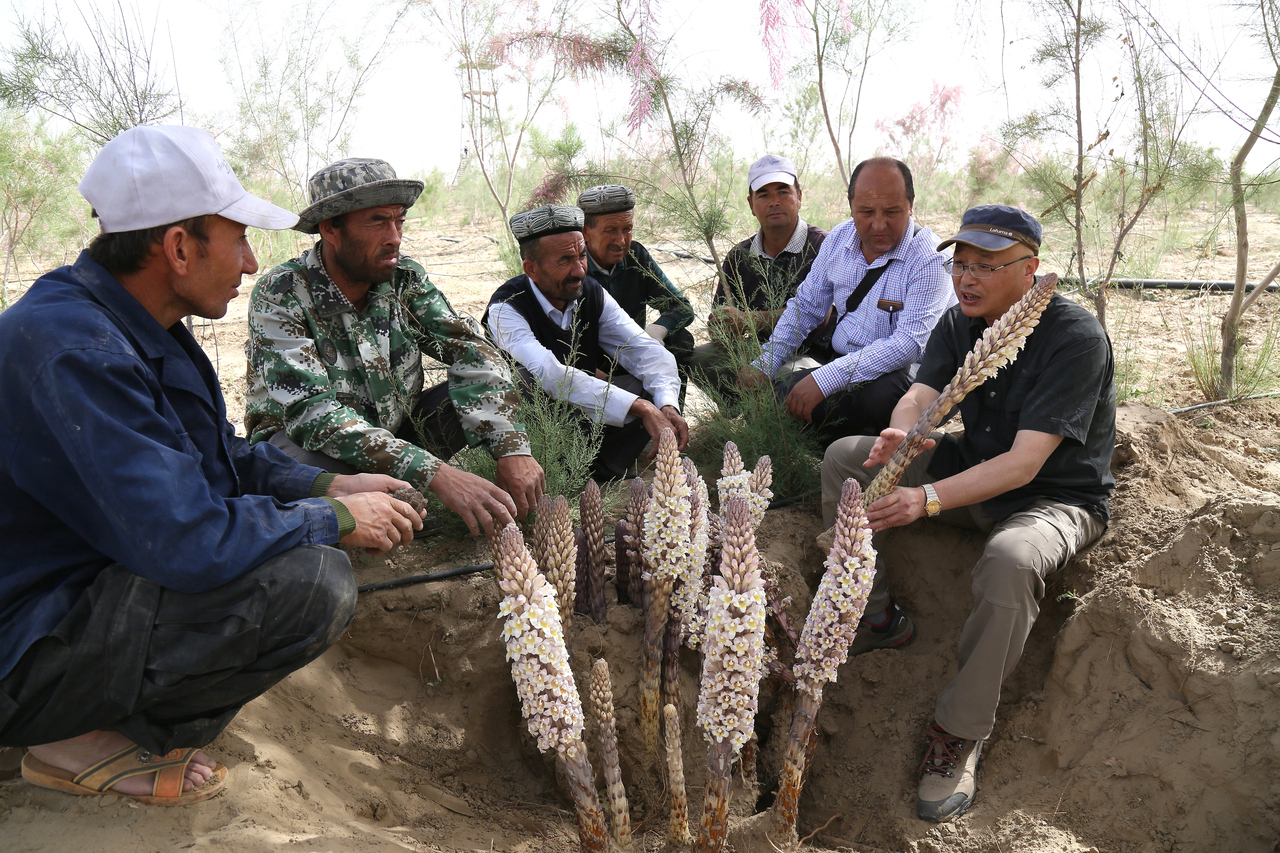
After long treks, he finally saw what he had come for: under a stand of red willows, a cluster of wild Cistanche. "In that moment," he said, "everything felt worth it."
In Yutian County, he also saw the struggle of local families living on barren land-and how uncontrolled digging was pushing wild Cistanche to the brink. Staring at endless dunes, he became more determined than ever: the key was to solve cultivation, not rely on destructive harvesting.
"Giving a rightful name" to Cistanche tubulosa
A commonly found species drew Tu's attention: Cistanche tubulosa (管花肉苁蓉). At the time, the species included in the official pharmacopeia was Cistanche deserticola (荒漠肉苁蓉). Yet Cistanche tubulosa was highly similar in chemical composition, pharmacological activity, and safety-some active components were even higher. Because it was not pharmacopeia-listed, shipments to inland markets were sometimes treated as counterfeit and destroyed.
Tu decided to "give it a rightful name."
Through textual research in classical materia medica, and comparative studies of chemical composition, efficacy, and safety against Cistanche deserticola, Cistanche tubulosa was included in the 2005 edition of the Chinese Pharmacopeia, providing a legal foundation for large-scale cultivation and standardized use.
From mystery to method: revealing the parasitic mechanism
Tu then assembled an interdisciplinary team. One by one, they addressed key technical barriers: seed germination, artificial inoculation, harvesting, processing, and more-creating a pioneering high-yield and stable cultivation system for this parasitic medicinal plant.
Because Cistanche is a root-parasite, its parasitic process was long considered a mystery-some even mistook it for a fungus. Tu's research showed that Cistanche seeds induce the host plant (such as saxaul or tamarisk) to grow fine "hair roots" toward the seed. When these roots reach roughly 0.5–1 cm, the seed germinates, producing a tiny tube-like structure that precisely "grasps" the host root and establishes a parasitic connection. This is the "two-way induction" mechanism. Once understood, large-scale cultivation became possible.
Processing matters: a hot-water accident that changed everything
Growing Cistanche was only part of the puzzle. To become usable material, it must be processed-and Cistanche has very high moisture content. Even in extremely arid desert conditions, sun-drying can take two to three months.
In the 1990s, while collecting samples, Tu discovered that a Cistanche specimen pressed in a plant folder had actually flowered. Once it flowers, it is no longer suitable as medicinal material. In an emergency, he boiled water and poured it over the sample to stop its growth and force rapid drying.
Back in the lab, he found something astonishing: this "hot-water killed" sample had more than ten times the active-component content of samples processed by conventional sun-drying.
Tu realized that Cistanche might contain enzymes that hydrolyze key phenylethanoid glycosides during prolonged drying-reducing active content. After repeated experiments, he developed a high-temperature enzyme-inactivation processing technique for fresh Cistanche, significantly improving retention of key compounds. Today, this high-temperature inactivation approach has become a widely adopted technique in the industry.
A desert plant becomes a major medicinal crop
Tu didn't stop at lab and field. He helped establish demonstration bases, trained local technicians free of charge, distributed seeds, and organized academic seminars at production sites.
Over three decades, Cistanche cultivation spread across regions such as Xinjiang and Inner Mongolia. A once endangered plant became a major medicinal material, with annual production exceeding 20,000 tons, supporting supply for 200+ Chinese patent medicines and clinical prescriptions nationwide.

Finding a "shovel" that fits the era
While Cistanche was being harvested in Xinjiang, research in Beijing was digging deeper in another sense.
One August afternoon in a laboratory in Changping District, Beijing, researcher Wang Lichao arrived at the animal facility to administer experimental substances to mice and check their survival. She was studying how phenylethanoid glycosides from Cistanche may relate to healthy aging mechanisms. Day after day, she stayed in the lab with instruments and animal models.
"Professor Tu always tells us that researchers must be able to sit on the cold bench," she said. "With steady effort-day by day, generation after generation-we push science deeper."
After solving cultivation, Tu faced an even greater challenge: for thousands of years, Cistanche was praised as a superior tonic herb. The Shennong Bencao Jing (Divine Farmer's Classic of Materia Medica) recorded that it "supports the five fatigues and seven injuries… nourishes the five organs… strengthens yin… benefits essence and qi." Li Shizhen's Compendium of Materia Medica noted that it "tonifies without being harsh; hence it is called 'Cong Rong' (calm, unhurried)."
Yet the modern mechanisms behind its traditional reputation were still unclear.
"Cistanche contains hundreds of compounds," Tu said. "There are more than a dozen major active components, and each may have multiple pharmacological actions and mechanisms." In his view, fully understanding Cistanche may take decades more.
At the end of the 20th century, Peking University became an early leader in chemical biology in China. Tu drew inspiration and began integrating chemical biology, bioinformatics, and other frontier methods into the study of active substances in Cistanche-helping guide modern applications and deeper development.
One major active compound is echinacoside. Using target "fishing" (affinity-based target identification) methods, Tu's team explored molecular targets to clarify mechanisms related to brain health.
"The principle is like fishing," Tu explained. "We design molecular probes based on the structure of active compounds. The probe acts like a hook to 'fish out' target proteins in cells. Once we find the target proteins, we can explore how they regulate disease-related molecular pathways."
Their research suggested that echinacoside can act on a kinase in neurons, influencing gene expression and signaling, contributing to neuroprotection in cerebral ischemia models. Based on these studies, Tu's team developed a drug candidate for vascular dementia. The drug has reportedly completed Phase I clinical research.
To date, Tu's team has developed 50+ Cistanche-related products, including innovative effective-fraction drugs, compound Chinese patent medicines, and health products. An innovation drug based on total phenylethanoid glycosides-Cistanche Total Glycosides Capsules-has been brought to market, providing another modern option for major health challenges.
To Tu, traditional Chinese medicine is a treasure of civilization-but to unlock it, you need the right tools. As technology advances, each new method can become a better "shovel."
From Chinese medicine fingerprinting, to target identification, to organoid-on-a-chip technologies-Tu has actively embraced frontier tools to deepen research on Cistanche and other medicinal materials.
The tools change. The commitment to long-term rigor does not.
Rooted in the sea of sand
At 63, Tu Pengfei's skin is darkened by the sun and his face lined with years, but his energy remains strong. At Peking University Health Science Center, colleagues know a pattern: when he is not traveling, he is in the office-often the last to turn off the lights in the lab building.
One night at 10 p.m., his assistant Lu Yingyuan met him in the hallway: Tu had returned from a trip, backpack on, suitcase in hand. He did not go home-he went straight to his office to work.
She also noticed a habit: if he has a trip to Xinjiang the next day, he often works through the night. "Because traveling to Xinjiang takes the whole day," she said. "He doesn't want to waste work time-so he finishes the day's work before departure and sleeps on the road."
To Jiang Yong, Director of the Department of Natural Medicines at Peking University and a core member of Tu's team, Tu is "obsessed with research, tireless, always full of drive."
When asked where this passion comes from, Tu recalled his mentor, pharmacognosist and academician Xu Guojun.
Xu's life was legendary. Early surgery removed one of his eyes; the wound never fully healed, and he lived with constant pain. Yet, in Tu's memory, Xu worked nearly every day until late night. In old age, hospitalized due to a stroke, Xu was found missing from his bed-he had returned to the office to work.
Now, history seems to echo. As a mentor to many students, Tu seeks to pass on this spirit: leading by example, building research teams, and cultivating talent pipelines-eventually nurturing a team recognized as a National Huang Danian-Style Teacher Team.
From a young postdoc to a nationally recognized scholar, Tu has received many honors. Yet among them, one small award from over 20 years ago remains especially meaningful to him: a Hotián Prefecture Special Science & Technology Award, recognizing his work in identifying the medicinal and economic value of Cistanche tubulosa and promoting its inclusion in the Chinese Pharmacopeia. It was the first time the award was given to a scientist from outside the prefecture.
"This award showed that my work truly contributed to the local community-and earned local recognition," Tu said.
Large-scale cultivation of Cistanche not only alleviated shortages of endangered medicinal resources, but also helped stabilize sand, support ecological restoration, and increase incomes-creating meaningful ecological, economic, and social value.
Our work: bringing research-led Cistanche to global markets
Inspired by this decades-long journey-from desert ecology to modern pharmacognosy-our factory has built its Cistanche business on a clear principle: respect the original habitat, rely on science-based quality control, and translate traditional knowledge into modern standardized production.
Click to visit the herb cistanche factory

According to our internal presentation materials, Hotan Dichen Medicine Biotechnology Co., Ltd. (和田帝辰医药生物科技有限公司) was established in 2003, based in Luopu County, Hotan, Xinjiang, focusing on industrial development of authentic-origin Cistanche tubulosa. The company integrates seed breeding, planting promotion, raw-material storage, processing, extraction, and development/production/sales of related health products-forming a modern, technology-oriented full industry chain.
Technical guidance and scientific leadership
Our PPT materials explicitly list Professor Tu Pengfei as the Chief Scientist of Hotan Dichen (和田帝辰首席科学家). They also state that Dichen has established long-term scientific collaboration with institutions including the Center for Modern Research on TCM at Peking University, along with other universities and international experts.
For us, this is more than a title: it represents a commitment to bridging academic research and industrial practice, ensuring that cultivation, processing, extraction, and quality standards keep moving forward.
From the desert to standardized manufacturing
Our approach emphasizes:
GAP cultivation base and traceability, to safeguard authentic origin and stable raw materials
GMP-level production management, with structured SOP systems
Advanced membrane separation extraction technologies (as described in our materials), designed to improve enrichment of key compounds while maintaining stable product quality
A meaningful contribution-made responsibly
Traditional Chinese medicine has long served people facing modern lifestyle challenges-fatigue, stress, aging-related concerns, and more. By developing a reliable supply chain and standardized extracts and products, we believe the Cistanche industry can make a lasting contribution-not only to consumer well-being, but also to desert-region livelihoods and ecological restoration.
Closing: the seed found its path-and so did the person who planted it
More than 30 years ago, a young researcher was captivated by the strange way a tiny seed could survive in a boundless sea of sand. He wanted to know how it found its root.
Today, at the edge of the Taklamakan, beneath saxaul and tamarisk forests, Cistanche grows year after year and is harvested year after year. The seed found its path-and the one who followed it, shovel in hand, found his own.