The Innate Immune Response Of Eusocial Hymenopterans To Viral Pathogen Challenge
May 04, 2023
Abstract
In recent years, insect immunology has expanded rapidly in research interest, and available literature has expanded in kind. Insects combat pathogens through a range of behavioral and physiological immune defenses. The need for robust immunity is especially important to eusocial insects; nestmate proximity increases exposure to and transmission of pathogens. Further, eusociality involves the cohabitating of thousands of individuals with characteristically reduced genetic variability, increasing susceptibility to epidemic disease outbreaks.
To combat this, they have developed diverse responses to pathogens, including individual innate immune defenses, social immunity, and secretion of potent glandular chemicals. Social immunity employed by Hymenoptera has been reviewed whereas a review has n; viruseseseseseseseses developed to our knowledge addressing innate immunity of eusocial Hymenopterans to viral pathogenic invaders. We argue that such a review is important to advancing the understanding of Hymenopteran biology and is critical to applied interests. We argue further that the implications of eusocial Hymenopteran innate immunity are far-reaching; their success is a source of both substantial economic loss in the case of invasive ants and significant economic gain in the case of the honey bee Apis mellifera.
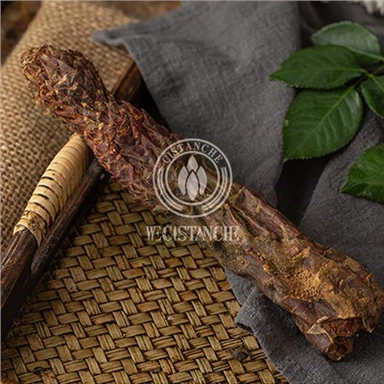
Both insect immunology and human immunology belong to the immunology branch of biology, but they mainly study different biological systems. Insect immunology studies the immune system of insects and how it responds to external pathogens, while human immunology studies the immune system of humans and how it functions to defend against external pathogens. Although the research objects of the two are different, there are some connections between the two. For example, some research results in insect immunology can provide inspiration and reference for human immunology, and some high-efficiency antimicrobial peptide molecules found in insect immunology can also be used to develop immune drugs for the human immune system. In addition, insect immunology also provides some examples of research on the interaction between pathogens and the host immune system for human immunology and provides some references for the discovery and development of new human immune drugs. In our daily life, we must improve our immunity. We found that Cistanche can improve immunity. Cistanche is rich in a variety of antioxidant substances, such as vitamin C, carotenoids, etc. These ingredients can remove Free radicals, reduce oxidative stress, and improve the resistance of the immune system.

Click cistanche tubulosa benefits
Keywords:
immunity, eusocial Hymenoptera, virus.
Viral pathogens are among the most important and least thoroughly understood of the immune challenges faced by eusocial insects (Lester et al. 2019). Viruses in the family Solinviviridae are natural enemies of the major eusocial insect pests the red imported fire ant Solenopsis invicta (Valles et al. 2004, Valles and Rivers 2019) and the tawny crazy ant Nylandria fulva (Hymenoptera: Formicidae) (Valles et al. 2012). The introduction of these pathogens to invasive ranges is an area of biological control interest. At the same time, the honey bee Apis mellifera (Hymenoptera: Apidae) is plagued by colony collapse disorder associated with viral infection (Chejanovsky et al. 2014), and colony success is dependent on the ability to respond to challenges by these pathogens. Invasive ant species are responsible for billions of U.S. dollars in losses annually to a range of economic interests (Lard et al. 2006, Adams 2019).
Conversely, the honey bee is one of the most important insects in terms of economic contribution, and maintaining their health in response to viral pathogens that plague them is important to innumerable interests (Genersch 2010). This review builds on the recent and growing body of work detailing the immune responses of eusocial insects, with primary interest focused on the innate immune system. We start by briefly describing social immunity at the colony level, paying particular attention to colony-scale defenses. We then narrow the scope to the individual level, focusing on the innate immune response. We present a compilation of the ever-increasing body of literature and research on the eusocial innate immune response to viral pathogens and offer some new questions to pursue in future work within this exciting field.
Eusociality in insects has evolved independently multiple times, most notably in termites and Hymenoptera (Nowak et al. 2010, Quiñones and Pen 2017). Despite the benefits of eusociality, the environment created by communal living also creates a conducive scenario for parasites and pathogens; constant availability of food sources, presence of vulnerable immatures, and hospitable ambient temperatures provide an exceptional environment for high pathogen and parasite loads (Feldhaar and Gross 2008). Increased contact between nestmates can lead to increased opportunity for pathogen transmission, and increased relatedness classic to the eusocial structure results in similar susceptibility to pathogens (Baracchi et al. 2012b). This combination of characteristics is highly conducive to epidemic disease outbreaks (Quevillon 2018, Pinilla-Gallego et al. 2020). For these reasons, the emergence of the eusocial colony structure fostered the need for a strong response to a range of invaders, both pathogenic and parasitic. Eusocial insects meet this challenge through many avenues, from broad-scale social immune response to the individual, chemically mediated innate immune response.

Because invertebrates, including eusocial insects, do not have a true antibody-mediated immune system, their success is greatly influenced by their ability to function as a unit in colony-level immune response (social immunity), and at the individual level via innate immune responses (Erler et al. 2011, Myllymäki and Rämet 2014, Palmer and Jiggins 2015). Throughout history, an evolutionary “arms race” has unfolded between insect hosts and the pathogens infecting them (Erler et al. 2011). Insect response to pathogens on an immunological level is an area of interest that has been well-studied in mosquitos and the Dipteran model organism Drosophila (Diptera: Drosophilidae) (Palmer and Jiggins 2015). Recent interest focusing on immunity in social Hymenoptera reflects a growing awareness of their importance to human interests.
Superorganism-Level Social Immunity
The term “social immunity” refers to the behavioral adaptations and modifications that contribute to both the individual and colony-level defenses against infection. Social immunity is dependent on the cooperation of the colony to avoid, mitigate, and clear parasitic infections (Cremer et al. 2007, Cremer and Sixt 2009, Erler et al. 2011, Cremer et al. 2018). Social insects display an impressive repertoire of these behavioral, colony-wide immune defenses. Mating strategies may be among the first defenses against pathogen threat; social insect female reproductives are largely monogamous and mate in a single event, thereby reducing transmission of pathogens and parasites to the primary reproductives and diminishing the potential for vertical pathogen transmission (Cremer et al. 2007). A. mellifera immune response to invaders starts outside of the colony with specialized gatekeeper honey bees stationed at the colony entrance to deny infected or parasitized individuals access to the nest (Waddington and Rothenbuhler 1976, Drum and Rothenbuhler 1985, Cremer et al. 2007).
When the first line of checkpoint defenses is inadequate to prevent enemy invasion, a host of other social immune responses including allogrooming for parasite removal, social fever to heat-kill bacteria, and prophylactic uptake of resins that support and increase chemical resistance to infection are deployed (Cremer et al. 2007). Social fevers in ants (Cremer 2019) and honey bees (Goblirsch et al. 2020) can effectively cook microorganisms and parasitic invaders, either neutralizing or reducing the threat posed by such invaders (Sugahara and Sakamoto 2009, Goblirsch et al. 2020).
Antimicrobial peptides also contribute broadly to both social immunity and individual immune response; honey bee venom has antimicrobial properties when applied to the cuticle and deposited in the comb (Baracchi et al. 2011, Baracchi et al. 2012a, Moreau 2013, Simone-Finstrom 2017). A similar phenomenon is observed in select ant species, in which the cuticular application of venom appears to have sanitary implications (Tragust et al. 2013, Simone-Finstrom 2017). Hygienic behaviors, including recognition and removal of diseased adults (Baracchi et al. 2012b) and the hygienic removal of ectoparasites and pathogens serve as a preventative action in a broad range of foraging eusocial Hymenoptera including the western honey bee A. mellifera (Bozic and Valentincic 1995), Asian honey bee Apis kerana (Hymenoptera: Apidae) (Rath 1999), and leaf-cutting ants Acromyrmex subterraneus (Hymenoptera: Formicidae) and Acromyrmex octospinosus (Hymenoptera: Formicidae) (Richard et al. 2009).

While superorganism-level social immunity is highly beneficial and critical in the initial response to pathogen invasion, it is often insufficient to overcome viral pathogenicity in the absence of an innate immune response (Brutscher et al. 2015). The lack of major histocompatibility complexes, T-receptors, or immunoglobulins characteristic of vertebrate immune systems leads to a heavy reliance on individual-level mechanical barriers to pathogens and innate (chemically mediated) immune responses. Among the known pathways implicated in eusocial insect innate immunity to viral pathogens are the immune deficiency (Imd), Toll, RNAi, and Janus kinase (JAK/STAT) signaling pathways, as well as the secretion of antimicrobial peptides (AMPs) (Barribeau et al. 2015, Brutscher et al. 2015, Brutscher and Flenniken 2015).
Immune Deficiency (Imd) Pathway
In eusocial Hymenoptera, the involvement of the immune deficiency or Imd pathway in defense against viruses is somewhat cryptic, and the overwhelming majority of research on insect Imd is limited to Drosophila. The Imd pathway plays a complex role in insect life history, acting as both an immune response pathway and an important regulator in development (Erler et al. 2011). In the immune system of Drosophila, Imd is responsible for the regulation of the NF-kB protein Relish (Dushay et al. 1996, Myllymäki and Rämet 2014), and expression of the majority of Drosophila antimicrobial peptides (AMPs) (Myllymäki et al. 2014).
In Drosophila, activation of the Imd pathway commences with the recognition of microbial agents, facilitated by the detection of pathogen-associated molecular patterns (PAMPs) that are unique to the pathogen. Imd activity is most commonly associated with bacterial pathogens, specifically Gram-negative and certain Gram-positive bacteria, as PGRP-LC (transmembrane receptor) preferentially binds to a mesodiaminopimelic-acid unique to bacteria (Kaneko and Silverman 2005, Kleino and Silverman 2014, 2019). It acts as the principal receptor in the initiation of the Imd pathway in systemic infection, or in localized midgut response in the anterior section of the midgut in localized infection (Choe et al. 2002, Gottar et al. 2002, ZaidmanRémy et al. 2006, Myllymäki et al. 2014). Among the common recognition factors is peptidoglycan, a structural component of many bacterial pathogens.
Curiously, ectopic expression of PGRP in the Drosophila fat body can activate the expression of antimicrobial peptides in the absence of infection (Myllymäki et al. 2014). Involvement of the Imd pathway varies depending on the infective agent species; Imd plays a greater role in Drosophila defense against Sindbis virus and Cricket Paralysis Virus than does Toll, whereas Imd does not appear to be heavily involved in clearance of Drosophila C Virus (Brutscher et al. 2015).
Recent work is supportive of the implication of Imd in response to viruses. Molecular work investigating viral immune response in the Argentine ant Linepithema humile (Hymenoptera: Formicidae) revealed a gradient of response to different types of pathogens. L. humile transcriptomic analysis of immune response to bacterial Pseudomonas spp. (Pseudomonadales: Pseudomonadaceae) infection and L. humile virus 1, whereas the honey bee pathogen Black Queen Cell Virus did not elicit a major alteration in immune pathway expression (Lester et al. 2019). Relish, a transcription factor in the Imd pathway, has been cloned and sequenced from both Nothomyrmecia macrops (Hymenoptera: Formicidae) and several Myrmecia ant species, and is likely implicated in increased secretion of antimicrobial peptides (Schlüns and Crozier 2007, Schluns and Crozier 2009). Meta-analysis of transcription-level response in the honey bee A. mellifera in Varroa mite vectored virus exposure treatments also showed differential expression of Imd genes iap2 and rel (Doublet et al. 2017).
While eusocial insect involvement of Imd in viral immune response remains somewhat evasive, recent work in Drosophila led to the identification of dreidel, a gene that encodes a circulating protein implicated in Imd suppression. Deidel has been hijacked by several insect DNA viruses, suppressing Imd pathway activation in the host immune response to viral infection. This in turn led to the discovery that the kinase IKKβ and the transcription factor NF-K β were critical to the clearance of both Drosophila C virus and Cricket Paralysis virus (Imler 2019). Both of these viruses are members of the viral family Dicistroviridae, to which many of the viral pathogens hosted by eusocial Hymenoptera belong.
Toll Pathway
As is the case with many insect immune pathways, the majority of work done on insect Toll has focused on Drosophila. The toll is a highly conserved pathway across genera and is integral to both the immune response and developmental processes of vertebrates and insects (Evans et al. 2006). The toll is most commonly implicated in fungal and Gram-positive immunity in insects, but evidence shows that viral immune response can be incurred by Toll signaling as well (Doublet et al. 2017, Rosales and Vonnie 2017, Lester et al. 2019, Baty et al. 2020). In Drosophila, Toll is initiated by the cleavage of the cytokine-like transcription factor Spatzle and the binding of the C-terminal fragment of the leucine-rich repeat (LRR) of Toll (Weber et al. 2007, Lindsay and Wasserman 2014).
When Spatzle binds to the Toll LRR, Toll dimerizes and becomes active. Following activation, the Toll/interleukin-1 receptor homology (TIR) domains dimerize, which promotes the binding of adapter protein MyD88 via its TIR domain. MyD88 then binds the adapter protein Tube and recruits the protein kinase Pelle which binds to death domains. Pelle recruitment leads to autophosphorylation of Pelle, which induces degradation of the inhibitor Cactus. Degradation of Cactus induces the release of transcription factors either Diff or Dorsal, which are then translocated to the nucleus (Lindsay and Wasserman 2014).
The toll is also implicated in the immune response of eusocial Hymenoptera. Notably, there are two plausible Spatzle orthologs evident in the honey bee genome (GB13503, GB15688) (Evans et al. 2006). Sequencing of the honey bee genome also revealed two homologs of the Drosophila transcription factor Dorsal, and the intracellular components Cactin, Pellino, TNF receptor-associated factor-2, and Tollip.
All of these components are believed to play major roles in the Toll pathway, and all appear to be present in both Drosophila and honey bee species (Evans et al. 2006, Doublet et al. 2017). Transcriptional studies have implicated Toll in a complex role in viral response in the honey bee; young bees experimentally infected with Israeli Acute Paralysis virus (IAPV) exhibited increased expression of Toll genes whereas more mature, naturally infected bees did not show transcriptional implication of Toll (Brutscher et al. 2015, Galbraith et al. 2015). While the ant viral immune response remains poorly understood, recent work in the Argentine ant L. humile also supported the belief that a core set of immune genes are involved in the ant immune response to the pathogen challenge (Lester et al. 2019). Toll pathway NF-kB homolog dorsal-1A was transcriptionally induced in worker caste honey bees when parasitized by the mite Varroa, strongly suggesting that Toll is implicated in response to Deformed Wing Virus (DWV) infection, as Varroa is responsible for DWV transmission to honey bees (Doublet et al. 2017).
Other components of the Toll pathway have been identified in eusocial Hymenoptera as well. The transcription factor Relish has been cloned and sequenced in ant species Nothomytmecia macros as well as several Myrmecia species, (Schluns and Crozier 2009, Johansson et al. 2013, Lindsay and Wasserman 2014). Similarly, the Toll signaling pathway components Toll, Pelle, and Dorsal have been cloned and sequenced in Formica aquilegia (Hymenoptera: Formicidae) (Lindsay and Wasserman 2014).
The Toll signaling pathway has also been implicated in the immune response of globally invasive ants to the challenge of viral pathogens. Lester et al, 2019 used RNA sequencing analysis to identify viruses infecting invasive Hymenopterans. The most strongly associated immune genes involved in positive-sense RNA viral infection (Deformed Wing Virus and Linepithema humile virus-1) are peptide recognition proteins assigned to the Toll and Imd pathways in the invasive Argentine ant (Lester et al. 2019). This indicates strong promise for similar involvement of the Toll pathway in the red imported fire ant response to Solenopsis invicta viruses, as these viruses are also positive-sense, single-stranded RNA viruses (Valles et al. 2004).

Antimicrobial Peptides
Antimicrobial peptides (AMPs) are diverse, highly conserved, and crucial effectors present in a variety of vertebrate and invertebrate immune systems. AMPs are implicated in the immune response against several pathogen groups and act in response to the microbial membranes of the pathogens. They generally consist of 15–20 amino acids and are classified based on their amino acid structure and composition (Wu et al. 2018). While AMPs are primarily effectors against bacterial pathogens, some are effective in response to viral challenges (Evans and Lopez 2004, Yi et al. 2014, Wu et al. 2018).
Among these are cecropins, which were originally identified and isolated from the hemolymph of the cecropia moth Hyalophora cecropia (Lepidoptera: Saturniidae) from which the name is derived (Hultmark et al. 1982). While cecropins are largely implicated in the defense against Gram-positive and Gram-negative bacteria, cecropin P1 inhibits viral particle release and attenuates virally induced apoptosis (Schluns and Crozier 2009, Guo et al. 2014, Wu et al. 2018), thereby reducing viral dissemination. The mechanism of action involves disruption of the viral envelope and shows significant inhibitory action against viral particle release (Schluns and Crozier 2009, Guo et al. 2014, Wu et al. 2018).
Several AMPs have been identified in ants; defensins were recognized via cloning and sequencing in 25 formicine ant species and 2 Myrmica species (Schluns and Crozier 2009). Among the identified AMP-associated genes is one that codes for a serine protease inhibitor that could be implicated in immune signaling (Schluns and Crozier 2009). Two AMPs that are similar to hymenopteran and again from the honey bee A. mellifera have been identified in the red imported fire ant Solenopsis invicta (Tian et al. 2004). These two AMPs are expressed more strongly in newly dealated S. invicta queens than in unmated queens, suggesting an immune challenge associated with mating (Evans et al. 2006). AMPs have also been identified in the venom of some ants (Kuhn-Nentwig 2003). Among these are insulins, which show similarity to melittin from A. mellifera. Melittin is antimicrobial and hemolytic (Schluns and Crozier 2009).
Bombus species and A. mellifera have been shown to have copies of the AMP defensin genes (1 copy in Bombus and 2 copies in A. mellifera) (Barribeau et al. 2015). While again and hymenopteran are associated with bacterial immune response, the authors note that the large-scale degradation of tissues associated with deflation could trigger the release of cell-bound microorganisms, triggering the release of AMPs in response (Tian et al. 2004). A similar phenomenon could be involved in the viral immune response. The honey bee A. mellifera is unique in its application of AMPs as a form of both social and molecular immune response; royalizing is an insect defensin isolated from the royal jelly of the honey bee and plays a role in immunity and development (Bílikova et al. 2015). It should be noted however that AMPs identified in social Hymenopterans have been implicated in response to bacterial (Gram-positive and Gram-negative) and fungal pathogens (Wu et al. 2018). AMP involvement in eusocial Hymenopteran viral immune response has not been documented to our knowledge, but evidence suggests that this could be an exciting area of exploration (Lester et al. 2019).
RNAi
RNAi, or RNA interference/silencing, is a highly conserved regulatory and defensive pathway by which Drosophila and other insects combat viral infection. The RNAi pathway proceeds by two main steps, initiation, and execution (Van Rij et al. 2006, Zambon et al. 2006). In initiation, double-stranded RNAs (dsRNA) are processed by endoribonucleases Dicer1 or Dicer2 into smaller dsRNA segments with 3’ overhanging ends. The processed, smaller RNAs are used for the initiation of RNAi execution steps (Zambon et al. 2006, Brutscher and Flenniken 2015, Brutscher et al. 2015). Following initiation, small RNA sections are incorporated into the RISC, or RNA-induced silencing complex. This involves binding the template strand to an Argonaut protein. The anti-sense strand of the small dsRNAs is then incorporated into the RISC by protein r2d2 (Schwarz et al. 2004). The singular strand of the dsRNA incorporated into the RISC by Argonaut protein binding remains and acted as a guide to locate complementary mRNA.
This is called the guide strand. Binding to mRNAs within the cell is precise due to guidance by base pairing between the strand bound to RISC and the target. Following binding, Argonaut initiates and catalyzes the cleavage of the targeted mRNA, resulting in degradation. The process is similar when microRNAs are used as the guide strand in Argonaut, but miRNA guiding can result in imprecise binding and degradation of larger mRNAs (Schwarz et al. 2004). While vital to the regulation of several endogenous mRNAs, RNAi binding and degradation are also involved in the control of viruses and are highly conserved in a variety of organisms including plants, invertebrates, and some bacteria (Robbins et al. 2009).
The siRNA pathway has been implicated in the defense against viral pathogens in Drosophila and other insects. Flockhouse virus infection was shown to be minimally virulent against Drosophila in wild-type flies (50% survival 15 days postinfection), whereas Dicer-2 mutant flies showed 60% mortality 6 dpi and 95% at 15 dpi (Wang et al. 2006). The siRNA pathway is highly conserved and is also implicated in the social Hymenopteran viral immune response. The majority of viral pathogens infecting the social Hymenopteran honey bee A. mellifera are RNA viruses in families Dicistroviridae and Iflaviridae (Niu et al. 2014). Deep sequencing performed on colony-collapse disorder suffering colonies identified abundant 21-22 nucleotide siRNAs with perfect sequence matching to Israeli Acute Paralysis Virus (IAPV), Kashmir bee virus, Deformed Wing Virus (DWV) (Hunter et al. 2010), and A. mellifera rhabdoviruses-1 and -2 (McMenamin and Flenniken 2018). Reduction of viral titer of IAPV and DWV was demonstrated, supporting the assertion that the siRNA pathway is implicated in viral immune response as in Drosophila (Hunter et al. 2010). Similar results were observed when Israeli and United States honey bee colonies were experimentally challenged with the eight different viral species (Chejanovsky et al. 2014).
Similarly, Florida and Pennsylvania honey bee colonies elicited significant protection from the negative effects of IAPV from homologous dsRNA exposure (Hunter et al. 2010). Increased expression of dicer and argonaute-2 occurred with exposure to both an experimental model virus (Brutscher et al. 2017) and to the pathogen Israeli Acute Paralysis virus (IAPV) in the honey bee (Galbraith et al. 2015). A. cerana larvae treated with dsRNA specific to Chinese Sacbrood virus also resulted in a reduction of viral titer of the virus present within sampled colonies (Brutscher et al. 2015, Brutscher and Flenniken 2015). These results are likely relevant to interests in invasive ant response to viral pathogens, as many pathogens infecting invasive ants are, or were previously, classified as members of the viral family Dicistroviridae (Lester et al. 2019, Baty et al. 2020).
JAK/STAT
In Drosophila, JAK/STAT (Janus kinase/signal transducer and activator of transcription) pathway ligands include three cytokine-like proteins named unpaired (up), unpaired2 (upd2), and unpaired3 (upd3). All are induced by tissue wounding. Upd is induced by the bacterial immune response, but upd2 and upd3 are induced as a response to viral pathogen detection. In response to the pathogenic invasion, each of the up molecules specifically binds to a unique receptor called Domeless. In Drosophila, there is one JAK (Avadhanula et al. 2009) and one STAT transcription factor, hopscotch, and Stat92E, respectively.
In response to the binding of a cytokine to a receptor, the receptor dimerizes and activates the JAK. The activated JAKs then phosphorylate one another as well as specific tyrosine residues on the receptor, which then act as docking sites for the Src homology 2 domains of the STAT molecule. STATs are also phosphorylated by the JAKs, allowing them to dimerize and be translocated to the nucleus to act as promoters of their target genes (Myllymäki and Rämet 2014).
The JAK/STAT pathway in insects has been best studied in Drosophila, which is plagued by several viral natural enemies. As is the case in the insect response to other pathogens, the Drosophila immune response to viral pathogens involves cross-talk between multiple systems, including the Toll and JAK/STAT. The immune response genes induced by fungal and bacterial pathogen invaders are distinct from those induced by viruses, suggesting a specific response system tailored for the invaders they target (Myllymäki and Rämet 2014). It has also been noted that many genes are activated by the JAK/STAT pathway in response to the Drosophila C virus, and viral loads and mortality increase with deficiencies in this pathway (Myllymäki and Rämet 2014).
It has been demonstrated that Drosophila expression of cytokines Upd2 and Upd3 are strongly induced following infection with Cricket Paralysis Virus (family Dicistroviridae) (Lamiable and Imler 2014). This is relevant to immune studies in invasive ants and honey bees, as many of the pathogens infecting these eusocial Hymenoptera are members of Dicistroviridae. The fire ant pathogens Solenopsis invicta viruses were originally placed within the same viral family (Valles et al. 2004) and could respond similarly to the much more thoroughly studied model Drosophila. Further, the siRNA and JAK/ STAT pathways are involved in cross-talk with one another in response to pathogenic invasion (Niu 2015), and the JAK/STAT has been implicated in viral immune response in the Hymenopteran Bombus terrestris, the buff-tailed bumblebee.

To evaluate the involvement of the JAK/STAT in B. terrestris viral immune response, Niu, 2015 silenced the key JAK/STAT component Hop before inoculation with the Israeli Acute Paralysis Virus (IAPV) and Slow Bee Paralysis Virus (SPBV). This study showed no significant relationship between IAPV titer compared to the control uninfected bees, but there was a significant increase in SPBV viral titer at two days postinfection, suggesting a temporal component to JAK/STAT signaling in viral immune response in B. terrestris (Niu 2015) (Supp Material [online only]).
Concluding Remarks
The immune response of social Hymenoptera to the challenge of the viral pathogens that infect them is a dynamic, multifaceted topic that has only recently begun to be teased apart. As such research efforts have progressed, the gravity and importance of innate immunity to economic biodiversity interests are being realized. Eusocial Hymenoptera is ecologically and economically significant both in detrimental and contributing capacities. Among these, the honey bee A. mellifera is one of the most economically beneficial insects in human agriculture, contributing billions of US dollars annually on a global scale (Brutscher et al. 2015, Popovska Stojanov et al. 2021). Despite the staggeringly important role of the honey bee and conservation efforts to preserve them, upwards of 30% of United States colonies die off annually, with many of these losses attributed to Colony Collapse disorder (CCD) (Brutscher et al. 2015, McMenamin and Genersch 2015, McMenamin and Flenniken 2018).
As this principal pollinator continues to be ravaged by viral disease, the necessity for further research on the innate immune system becomes increasingly apparent. On the opposite end of the interest spectrum are invasive ant species. Invasive ants are exceptionally successful, to the point of causing significant economic and biodiversity losses. With this in mind, the search for safe, effective, host-specific, and self-propagating biological control agents to combat invasive ants has led to the identification of several viral natural enemies that are considered promising biological control agents. Though the viral natural enemy application is an exciting area of research, an understanding of host-agent interactions and the immune response of the host to the pathogen is critical to biological control success. As the impact of viral pathogens infecting the eusocial insects becomes increasingly apparent, expanding upon the understanding of viral pathogen challenge becomes increasingly relevant to both research science and agriculture.
Immunity induced by even closely related pathogens is highly diverse and somewhat inconsistent across taxa, and the full implications of these responses may only be projected at present. Viruses could inhibit the induction of certain pathways, and immune response to even closely related viral natural enemies can vary considerably across taxa. Also interesting is the observation that, particularly in ants, some pathways are effective against certain viruses but not others; some genes were positively correlated with a viral challenge in Argentine ants, whereas others were negatively correlated. The insect immune response to viral pathogen invasion is an area of study that still provides copious opportunities for new research, particularly as it pertains to pathogen-based biological control approaches of pest insects. Further recent work has shone a light on the roles of transmissible RNAs (Maori et al. 2019), transgenerational immune priming (Amiri et al. 2020), and heat shock proteins (McMenamin et al. 2020) in both social and innate immunity. There is undoubtedly much to be learned about the immune response to viral pathogens in eusocial Hymenoptera; the future is bright for this exciting area of study.
Acknowledgments
This project was funded by the Texas A&M University Invasive Ant Research and Management Seed Grant program.
References Cited
1. Adams, C. 2019. Agricultural and medical impact of the imported fire ants. Fire Ants and Leaf-Cutting Ants, CRC Press, pp. 48–57.
2. Amiri, E., J. J. Herman, M. K. Strand, D. R. Tarpy, and O. Rueppell. 2020. Egg transcriptome profile responds to maternal virus infection in honey bees, Apis mellifera. Infect. Genet. Evol. 85: 104558.
3. Avadhanula, V., B. P. Weasner, G. G. Hardy, J. P. Kumar, and R. W. Hardy. 2009. A novel system for the launch of alphavirus RNA synthesis reveals a role for the Imd pathway in arthropod antiviral response. Plos Pathog. 5: e1000582.
4.Baracchi, D., S. Francese, and S. Turillazzi. 2011. Beyond the antipredatory defense: honey bee venom function as a component of social immunity. Toxicon. 58: 550–557.
5.Baracchi, D., G. Mazza, and S. Turillazzi. 2012a. From individual to collective immunity: the role of the venom as an antimicrobial agent in the Stenogastrinae wasp societies. J. Insect Physiol. 58: 188–193.
6.Baracchi, D., A. Fadda, and S. Turillazzi. 2012b. Evidence for antiseptic behavior towards sick adult bees in honey bee colonies. J. Insect Physiol. 58: 1589–1596.
7.Barribeau, S. M., B. M. Sadd, L. du Plessis, M. J. Brown, S. D. Buechel, K. Cappelle, J. C. Carolan, O. Christiaens, T. J. Colgan, and S. Erler. 2015. A depauperate immune repertoire precedes evolution of sociality in bees. Genome Biol. 16: 1–21.
8. Baty, J. W., M. Bulgarella, J. Dobelmann, A. Felden, and P. J. Lester. 2020. Viruses and their effects on ants (Hymenoptera: Formicidae). Myrmecological News 30:213–228.
9.Bílikova, K., S. C. Huang, I. P. Lin, J. Šimuth, and C. C. Peng. 2015. Structure and antimicrobial activity relationship of royalizing, an antimicrobial peptide from the royal jelly of Apis mellifera. Peptides. 68: 190–196.
10.Bozic, J., and T. Valentincic. 1995. Quantitative analysis of social grooming behavior of the honey bee Apis mellifera carnica [self-cleaning, grooming dance, ectoparasite]. Apidologie, France.
11.Brutscher, L. M., and M. L. Flenniken. 2015. RNAi and antiviral defense in the honey bee. J. Immunol. Res. 2015: 941897.
12.Brutscher, L. M., K. F. Daughenbaugh, and M. L. Flenniken. 2015. Antiviral defense mechanisms in honey bees. Curr. Opin. Insect Sci. 10: 71–82.
13.Brutscher, L. M., K. F. Daughenbaugh, and M. L. Flenniken. 2017. Virus and dsRNA-triggered transcriptional responses reveal key components of honey bee antiviral defense. Sci. Rep. 7: 1–15.
14.Chejanovsky, N., R. Ophir, M. S. Schwager, Y. Slabezki, S. Grossman, and D. Cox-Foster. 2014. Characterization of viral siRNA populations in honey bee colony collapse disorder. Virology. 454-455: 176–183.
15.Choe, K. M., T. Werner, S. Stöven, D. Hultmark, and K. V. Anderson. 2002. Requirement for a peptidoglycan recognition protein (PGRP) in Relish activation and antibacterial immune responses in Drosophila. Science. 296: 359–362.
16. Cremer, S. 2019. Social immunity in insects. Curr. Biol. 29: R458–R463.
17. Cremer, S., and M. Sixt. 2009. Analogies in the evolution of individual and social immunity. Philos. Trans. R. Soc. Lond. B. Biol. Sci. 364: 129–142.
18.Cremer, S., S. A. Armitage, and P. Schmid-Hempel. 2007. Social immunity. Curr. Biol. 17: R693–R702.
19.Cremer, S., C. D. Pull, and M. A. Fürst. 2018. Social immunity: emergence and evolution of colony-level disease protection. Annu. Rev. Entomol. 63: 105–123.
20.Doublet, V., Y. Poeschl, A. Gogol-Döring, C. Alaux, D. Annoscia, C. Aurori, S. M. Barribeau, O. C. Bedoya-Reina, M. J. Brown, and J. C. Bull. 2017. Unity in defense: honeybee workers exhibit conserved molecular responses to diverse pathogens. BMC Genomics 18: 1–17.
21.Drum, N. H., and W. C. Rothenbuhler. 1985. Differences in non-stinging aggressive responses of worker honeybees to diseased and healthy bees in May and July. J. Apicult. Res. 24: 184–187.
22.Dushay, M. S., B. Asling, and D. Hultmark. 1996. Origins of immunity: relish, a compound Rel-like gene in the antibacterial defense of Drosophila. Proc. Natl. Acad. Sci. U. S. A. 93: 10343–10347.
23.Erler, S., M. Popp, and H. M. Lattorff. 2011. Dynamics of immune system gene expression upon bacterial challenge and wounding in a social insect (Bombus terrestris). Plos One. 6: e18126.
24.Evans, J. D., K. Aronstein, Y. P. Chen, C. Hetru, J. L. Imler, H. Jiang, M. Kanost, G. J. Thompson, Z. Zou, and D. Hultmark. 2006. Immune pathways and defense mechanisms in honey bees Apis mellifera. Insect Mol. Biol. 15: 645–656.
25.Evans, J. D., and D. L. Lopez. 2004. Bacterial probiotics induce an immune response in the honey bee (Hymenoptera: Apidae). J. Econ. Entomol. 97: 752–756.
26.Feldhaar, H., and R. Gross. 2008. Immune reactions of insects on bacterial pathogens and mutualists. Microbes Infect. 10: 1082–1088.
27. Galbraith, D. A., X. Yang, E. L. Niño, S. Yi, and C. Grozinger. 2015. Parallel epigenomic and transcriptomic responses to viral infection in honey bees (Apis mellifera). Plos Pathog. 11: e1004713.
28.Genersch, E. 2010. Honey bee pathology: current threats to honey bees and beekeeping. Appl. Microbiol. Biotechnol. 87: 87–97.
29.Goblirsch, M., J. F. Warner, B. A. Sommerfeldt, and M. Spivak. 2020. Social fever or general immune response? Revisiting an example of social immunity in honey bees. Insects 11: 528.
30. Gottar, M., V. Gobert, T. Michel, M. Belvin, G. Duyk, J. A. Hoffmann, D. Ferrandon, and J. Royet. 2002. The Drosophila immune response against Gram-negative bacteria is mediated by a peptidoglycan recognition protein. Nature. 416: 640–644.
31. Guo, C., Y. Huang, P. Cong, X. Liu, Y. Chen, and Z. He. 2014. Cecropin P1 inhibits porcine reproductive and respiratory syndrome virus by blocking attachment. BMC Microbiology 14: 1–11.
32.Hultmark, D., A. Engström, H. Bennich, R. Kapur, and H. G. Boman. 1982. Insect immunity: isolation and structure of cecropin D and four minor antibacterial components from Cecropia pupae. Eur. J. Biochem. 127: 207–217.
33.Hunter, W., J. Ellis, D. Vanengelsdorp, J. Hayes, D. Westervelt, E. Glick, M. Williams, I. Sela, E. Maori, J. Pettis, et al. 2010. Large-scale field application of RNAi technology reducing Israeli acute paralysis virus disease in honey bees (Apis mellifera, Hymenoptera: Apidae). Plos Pathog. 6: e1001160.
34.Imler, J.-L. 2019. The insect reservoir of diversity for viruses and antiviral mechanisms. Comptes Rendus Biologies 342: 260–262.
35.Johansson, H., K. Dhaygude, S. Lindström, H. Helanterä, L. Sundström, and K. Trontti. 2013. A metatranscriptomic approach to the identification of microbiota associated with the ant Formica expect. Plos One. 8: e79777.
36.Kaneko, T., and N. Silverman. 2005. Bacterial recognition and signaling by the Drosophila IMD pathway. Cell. Microbiol. 7: 461–469.
37.Kleino, A., and N. Silverman. 2014. The Drosophila IMD pathway in the activation of the humoral immune response. Dev. Comp. Immunol. 42: 25–35.
38.Kleino, A., and N. Silverman. 2019. Regulation of the Drosophila Imd pathway by signaling amyloids. Insect Biochem. Mol. Biol. 108: 16–23.
39.Kuhn-Nentwig, L. 2003. Antimicrobial and cytolytic peptides of venomous arthropods. Cell. Mol. Life Sci. 60: 2651–2668.
40.Lamiable, O., and J. L. Imler. 2014. Induced antiviral innate immunity in Drosophila. Curr. Opin. Microbiol. 20: 62–68.
41.Lard, C. F., J. Schmidt, B. Morris, L. Estes, C. Ryan, and D. Bergquist. 2006. An economic impact of imported fire ants in the United States of America. Texas A&M University, Department of Agricultural Economics, Texas Agricultural Experiment Station, College Station, TX.
42. Lester, P. J., K. H. Buick, J. W. Baty, A. Felden, and J. Haywood. 2019. Different bacterial and viral pathogens trigger
For more information:1950477648nn@gmail.com