The Interaction Between Psychosocial Factors And Exercise-Induced Hypoalgesia in Pain-Free Nurses Part 2
Oct 18, 2023
Why we will be tired? How can we solve the fatigue problems?
【Contact】Email: george.deng@wecistanche.com / WhatsApp:008613632399501/Wechat:13632399501
Regression Analysis Between Exercise-Induced Hypoalgesia and Psychosocial Factors
Multiple linear regression was carried out to investigate the relationship between all psychosocial variables and EIH at each location (Supplementary Table S3). Due to multicollinearity when MSPSS total and MSPSS subscales were included in the model, the model was refined and the MSPSS total score only was included in the primary analysis. When all psychosocial variables were included in the model, none predicted remote (F (7, 30)= 0.8771; P=0.536, adjusted R2 of −0.024), local (F (7, 30)= 0.541; P=0.797, adjusted R2 of −0.095), semi-local (F (7, 30)= 1.10; P=0.390, adjusted R2 of 0.018), or global (F (7, 30)= 0.933; P=0.496, adjusted R2 of −0.013) EIH with any certainty.
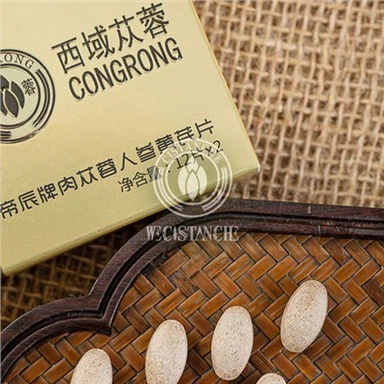
Cistanche can act as an anti-fatigue and stamina enhancer, and experimental studies have shown that the decoction of Cistanche tubulosa could effectively protect the liver hepatocytes and endothelial cells damaged in weight-bearing swimming mice, upregulate the expression of NOS3, and promote hepatic glycogen synthesis, thus exerting anti-fatigue efficacy. Phenylethanoid glycoside-rich Cistanche tubulosa extract could significantly reduce the serum creatine kinase, lactate dehydrogenase, and lactate levels, and increase the hemoglobin (HB) and glucose levels in ICR mice, and this could play an anti-fatigue role by decreasing the muscle damage and delaying the lactic acid enrichment for energy storage in mice. Compound Cistanche Tubulosa Tablets significantly prolonged the weight-bearing swimming time, increased the hepatic glycogen reserve, and decreased the serum urea level after exercise in mice, showing its anti-fatigue effect. The decoction of Cistanchis can improve endurance and accelerate the elimination of fatigue in exercising mice, and can also reduce the elevation of serum creatine kinase after load exercise and keep the ultrastructure of skeletal muscle of mice normal after exercise, which indicates that it has the effects of enhancing physical strength and anti-fatigue. Cistanchis also significantly prolonged the survival time of nitrite-poisoned mice and enhanced the tolerance against hypoxia and fatigue.

Click on feeling tired
Exploratory best subset multiple linear regression analysis was performed separately for each EIH location to determine which psychosocial variables predict EIH response. For local EIH at the calf (pooled), a two-predictor model comprising MSPSS friends subscale and PCS total score accounted for 24% of the variance (F (2, 35) = 6.84; P=0.003, adjusted R2 of 0.24) (Table 3). Semi-local EIH response may be explained by MSPSS total, PCS total, and DASS depression; however, the model did not reach statistical significance (F (3, 34) = 2.85; P=0.052, adjusted R2 of 0.13). A similar trend was observed with the best subset model for the remote site consisting of a single variable (F (1, 36) = 4.00; P=0.053, adjusted R2 of 0.08). The best subset regression analysis to explain global EIH for all pooled sites consisted of MSPSS friends and PCS total and may explain 17% of the variance (F (2, 35) = 4.78; P=0.015, adjusted R2 of 0.17).

Discussion
This study examined the effect of cycling exercise on EIH in pain-free nurses. Pain sensitivity decreased globally and at all individual body sites following exercise, indicating EIH. Social support and pain catastrophizing presented as the most likely variables to explain up to one-quarter of the variance in EIH; however, a larger more diverse sample is required to confirm these findings.
Pain catastrophizing was found to not correlate with EIH at any site; however, some evidence for pain catastrophizing predicted EIH for the fitted model selected from the best subset regression at the local site; and a trending significant contribution for global EIH was observed. These findings may infer higher pain catastrophizing reduces endogenous pain modulation as evidenced by reduced EIH. Previous evidence showed greater levels of pain catastrophizing influenced endogenous pain modulation and increased the risk of pain onset, chronic pain development, and higher pain intensity.21 This is important because nurses have higher rates of musculoskeletal injury.27 Three previous studies reported no correlation between pain catastrophizing and EIH at the local muscle area following isometric handgrip exercise in pain-free adults.22,23,62 Our observation may partially be explained by low total pain catastrophizing scores due to the recruitment of participants without a history of musculoskeletal injury or pain. Future studies in a more representative nursing population with a broader range of pain history and pain catastrophizing are warranted.
Total MSPSS scores predicted EIH at the lumbar spine and trended toward significance at the forearm (p = 0.053), and MSPSS friends subscale predicted EIH at the lumbar spine and globally when all sites were pooled. Contrary to our expectations, the best subset linear mixed models showed that lower perceived social support predicted greater EIH following cycling. Although this is the first study to our knowledge to report the association between social support and EIH, it contrasts expectations because enhanced social support (eg, verbal support, social touch) was previously reported to reduce pain perception in pain-free and clinical pain populations.19 The effect of social support on pain sensitivity is complex, and there is evidence that, at least in the situational context, social hypoalgesia can occur (ie, exposure to social interaction with feelings of disconnectedness and general negative affect can lead to a hypoalgesic response).70 Social disconnection alone may be sufficient to evoke a stress response and therefore hypoalgesia71,72; however, we did not assess a measure of situational stress. General perceptions of stress on EIH were evaluated with the DASS stress subscale, and while there was no correlation or predictive evidence of the stress subscale on EIH, this may be due to the responses reflecting perceptions of the past week and therefore not being sensitive to situational stresses. Additionally, mental and physiological stress is associated with shift work73 and therefore may also influence the results for some participants for measures of pain processing. However, this study did not control for the influence of recent shift work on pain sensitivity measures which remains a limitation of this study. More broadly, there is evidence that social exclusion, inclusion, and social support can lead to hyperalgesia.74,75 Therefore, while we showed some evidence for lower social support to predict greater EIH in pain-free, mostly female nurses, further research on a larger scale that includes a broad range of social support is required.
Kinesiophobia was not correlated with, nor predictive of EIH at any site. These findings support previous research in pain-free adults.23,60,62 This similarity in findings could be attributed to the shared sample characteristics of low kinesiophobia scores (TSK-17 = 31 points;60 TSK-11 = 19 points;62 Fear of Pain Questionnaire-III = 77.4 points23) in previous studies. Interestingly, the change in pressure pain intensity rating assessed every 30 seconds for 2 minutes using a Forgione-Barber pressure stimulator on the forefinger but not PPT was correlated with kinesiophobia in an earlier study.23 This suggests that kinesiophobia may moderate EIH when measured as a change in pressure pain tolerance rather than a change in PPT in pain-free adults. Larger scale research is required to confirm these findings in populations where kinesiophobia has been reported to be predictive of the duration of sick leave.76

Symptoms of depression and anxiety were not found to correlate with EIH. Few studies have investigated the correlation between depressive symptoms and EIH in pain-free populations. One study23 reported total mood disturbance (Profile and Mood States questionnaire) predicted reduced EIH; however, the authors did not report depression subscales. Further, while the aforementioned study showed a profile of mood states was predictive of EIH, our findings are consistent with previous studies to show that anxiety does not appear to be associated with EIH.22,77,78 Our sample presented with low levels of anxiety which may partially explain the lack of prediction capability for EIH. While anxiety has been shown to moderate pain sensitivity,79 it remains unclear whether anxiety affects endogenous pain modulation.
Global work satisfaction levels in the current study had no relationship with EIH. Our study was the first to explore the relationship between work satisfaction and EIH in a pain-free population. Previous research showed that both work and family environments may lead to similar environmental stresses (eg, cohesion, control) that were predictive of pain and psychological distress.80 Brellenthin et al23 investigated the correlation between the family environment and EIH following acute isometric exercise. Negative family environment scores (Family Environment Scale Questionnaire) were predictive of EIH for PPT. This is supported by observations that negative family environments (eg, lower cohesion and marital dissatisfaction) can influence the development and maintenance of chronic pain.81,82 Although Brellenthin et al did not explicitly assess work satisfaction, social environments that lead to poorer mental health status may contribute to the dysfunction of descending pain inhibitory pathways associated with EIH.12 Therefore, future studies should further investigate the association between work satisfaction and EIH. This will be particularly important in the nursing profession where job satisfaction and staff retention are low.83
A large effect size at global and all individual local sites was observed in this study and is consistent with several previous studies examining cycling.5,36,37,61,84–91 However, our study was the first to evaluate the association between psychosocial variables in a pain-free population following an effective aerobic EIH exposure. Two previous studies in this area did not achieve EIH,60,92 but also reported that no psychosocial variables predicted EIH. Research on multi-site hypoalgesic effects of cycling is conflicting, with some studies reporting EIH at remote locations,5,61,89 while other studies have not.36,86,90,93 These studies have utilized similar exercise protocols (approximately 70–75% VO2 max; 10–30 minutes); however, in our study, participants also reached volitional fatigue. Training history related to the exercise intensity may explain some of the variability in EIH across studies more than the intensity itself. Exercise produces a physiological stress response which increases with higher exercise intensities, longer duration, and lower training history.94 Acute stress has been shown to have a hypoalgesic response via activation of opioid and endocannabinoid mechanisms,95 similar to that of EIH. The exposure to unaccustomed exercise resulting in acute situational stress may not fully explain these results because studies have shown that EIH can occur at various exercise intensities.3 Therefore, research is required to explore the effect of individual factors in addition to the absolute exercise prescription variables associated with exercise exposure on EIH.
A strength of this study is that the cycling protocol was appropriate and achieved EIH in this population. Two previous studies60,92 evaluating the effect of psychosocial factors on EIH did not achieve EIH with aerobic exercise protocols, and therefore this study is an important step towards understanding the effect of psychosocial factors on EIH in pain-free populations at high risk of musculoskeletal pain conditions. The use of valid questionnaires to measure psychosocial factors commonly associated with musculoskeletal pain conditions and the use of PPTs to measure local and remote pain sensitivity are the strengths of this study. This pilot study is limited by the cross-sectional design, and therefore threats to internal validity associated with learning, regression to the mean, contextual factors, and natural variation in response to multiple tests. The study intended to recruit adults without pain, and while this is a strength of the current study, it does preclude the application of these findings more generally. The recruitment of relatively young, pain-free participants may have also led to a lack of diversity across the psychosocial health spectrum which can influence pain-processing pathways9,16 and may have contributed to the large effect size of EIH at all body regions.1 Therefore, the findings of this research should be considered in the context of the sample studied.
Conclusion
A maximal graded exercise cycling test led to EIH at local, regional, and global body regions in pain-free, predominantly female nurses. Regression analyses between psychosocial variables and EIH show that perceived social support and pain catastrophizing are the most likely variables to explain up to one-quarter of the variance in EIH; however, these results are not conclusive due to the small sample size. Based on this pilot study, replication in a larger, more representative sample of nurses is required to confirm whether psychosocial factors moderate EIH; and further, whether these measures may be used as early predictors of lost time injury in this profession.
Acknowledgments
The authors thank the participants for taking part in the study and their colleagues in the wider study.

Disclosure
Jessica Van Oosterwijck has a postdoctoral fellowship funded by the Research Foundation – Flanders (FWO; grant number 12L5616N). Scott Tagliaferri is supported by an Australian Government Research Training Program Scholarship. The authors report no conflicts of interest in this work.
References
1. Rice D, Nijs J, Kosek E, et al. Exercise-induced hypoalgesia in pain-free and chronic pain populations: state of the art and future directions. J Pain. 2019;20(11):1249–1266.
2. Naugle KM, Fillingim RB, Riley JL. A meta-analytic review of the hypoalgesic effects of exercise. Review article. J Pain. 2012;13(12):1139–1150.
3. Wewege MA, Jones MD. Exercise-induced hypoalgesia in healthy individuals and people with chronic musculoskeletal pain: a systematic review and meta-analysis. J Pain. 2021;22(1):21–31.
4. Koltyn KF, Umeda M. Contralateral attenuation of pain after short-duration submaximal isometric exercise. Article. J Pain. 2007;8(11):887–892.
5. Vaegter HB, Handberg G, Graven-Nielsen T. Similarities between exercise-induced hypoalgesia and conditioned pain modulation in humans. Article. Pain. 2014;155(1):158–167.
6. Lima LV, Abner TSS, Sluka KA. Does exercise increase or decrease pain? Central mechanisms underlying these two phenomena. Article. J Physiol. 2017;595(13):4141–4150.
7. Koltyn KF, Brellenthin AG, Cook DB, Sehgal N, Hillard C. Mechanisms of exercise-induced hypoalgesia. J Pain. 2014;15(12):1294–1304.
8. Crombie KM, Brellenthin AG, Hillard CJ, Koltyn KF. Endocannabinoid and opioid system interactions in exercise-induced hypoalgesia. Pain Med. 2017;19(1):118–123. doi:10.1093/pm/pnx058
9. Ossipov MH, Morimura K, Porreca F. Descending pain modulation and chronification of pain. Curr Opin Support Palliat Care. 2014;8(2):143–151.
10. Garland EL. Pain processing in the human nervous system: a selective review of nociceptive and biobehavioral pathways. Prim Care. 2012;39 (3):561–571.
11. Bannister K. Descending pain modulation: influence and impact. Review article. Curr Opin Physiol. 2019;11:62–66.
12. Adams LM, Turk DC. Central sensitization and the biopsychosocial approach to understanding pain. Article. J Appl Biobehav Res. 2018;23(2): e12125.
13. Gatchel RJ, Peng YB, Peters ML, Fuchs PN, Turk DC. The biopsychosocial approach to chronic pain: scientific advances and future directions. Psychol Bull. 2007;133(4):581–624.
14. Tracy LM. Psychosocial factors and their influence on the experience of pain. Pain Rep. 2017;2(4):e602.
15. Linton SJ, Shaw WS. Impact of psychological factors in the experience of pain. Phys Ther. 2011;91(5):700–711.
16. Voscopoulos C, Lema M. When does acute pain become chronic? Br J Anaesth. 2010;105(Suppl1):i69–i85.
17. Tagliaferri SD, Miller CT, Owen PJ, et al. Domains of chronic low back pain and assessing treatment effectiveness: a clinical perspective. Journal article. Pain Pract. 2020;20(2):211–225.
18. Goodin BR, McGuire L, Allshouse M, et al. Associations between catastrophizing and endogenous pain-inhibitory processes: sex differences. Article. J Pain. 2009;10(2):180–190.
19. Che X, Cash R, Chung S, Fitzgerald PB, Fitzgibbon BM. Investigating the influence of social support on experimental pain and related physiological arousal: a systematic review and meta-analysis. Neurosci Biobehav Rev. 2018;92:437–452.
20. Nahman-Averbuch H, Nir RR, Sprecher E, Yarnitsky D. Psychological factors and conditioned pain modulation: a meta-analysis. Clin J Pain. 2016;32(6):541–554.
21. Munneke W, Ickmans K, Voogt L. The association of psychosocial factors and exercise-induced hypoalgesia in healthy people and people with musculoskeletal pain: a systematic review. Pain Pract. 2020;20(6):676–694.
22. Naugle KM, Naugle KE, Fillingim RB, Riley JL. Isometric exercise as a test of pain modulation: effects of experimental pain test, psychological variables, and sex. Pain Med. 2014;15(4):692–701.
23. Brellenthin AG, Crombie KM, Cook DB, Sehgal N, Koltyn KF. Psychosocial influences on exercise-induced hypoalgesia. Article. Pain Med. 2017;18(3):538–550.
24. Bernal D, Campos-Serna J, Tobias A, Vargas-Prada S, Benavides FG, Serra C. Work-related psychosocial risk factors and musculoskeletal disorders in hospital nurses and nursing aides: a systematic review and meta-analysis. Int J Nurs Stud. 2015;52(2):635–648.
25. Pope AM, Snyder MA, Mood LH. Environmental Hazards for the Nurse as a Worker. Nursing Health, & Environment: Strengthening the Relationship to Improve the Public’s Health. National Academies Press (US); 1995.
26. Trinkoff AM, Geiger-Brown JM, Caruso CC, et al. Personal Safety for Nurses. Patient Safety and Quality: An Evidence-Based Handbook for Nurses. Agency for Healthcare Research and Quality; 2008.
27. Dressner MA, Kissinger SP. Occupational injuries and illnesses among registered nurses. Mon Labor Rev. 2018.
28. Harcombe H, McBride D, Derrett S, Gray A. Prevalence and impact of musculoskeletal disorders in New Zealand nurses, postal workers, and office workers. Aust N Z J Public Health. 2009;33(5):437–441.
29. Yang S, Chang MC. Chronic pain: structural and functional changes in brain structures and associated negative affective states. Int J Mol Sci. 2019;20(13):3130.
30. Cuschieri S. The STROBE guidelines. Saudi J Anaesth. 2019;13(Suppl 1):S31–S34.
31. Hartvigsen J, Hancock MJ, Kongsted A, et al. What low back pain is and why we need to pay attention. Lancet. 2018;391(10137):2356–2367.

32. Poole DC, Jones AM. Measurement of the maximum oxygen uptake VO2max: VO2peak is no longer acceptable. J Appl Physiol. 2017;122 (4):997–1002.
33. Mutlu EK, Ozdincler AR. Reliability and responsiveness of algometry for measuring pressure pain threshold in patients with knee osteoarthritis. J Phys Ther Sci. 2015;27(6):1961–1965.
34. Pelfort X, Torres-Claramunt R, Sanchez-Soler JF, et al. Pressure algometry is a useful tool to quantify pain in the medial part of the knee: an intraand inter-reliability study in healthy subjects. Orthop Traumatol Surg Res. 2015;101(5):559–563.
35. Lacourt TE, Houtveen JH, van Doornen LJP. Experimental pressure-pain assessments: test-retest reliability, convergence, and dimensionality. Scand J Pain. 2012;3(1):31–37.
36. Gomolka S, Vaegter HB, Nijs J, et al. Assessing endogenous pain inhibition: test-retest reliability of exercise-induced hypoalgesia in local and remote body parts after aerobic cycling. Pain Med. 2019;20(11):2272–2282.
37. Meeus M, Roussel NA, Truijen S, Nijs J. Reduced pressure pain thresholds in response to exercise in chronic fatigue syndrome but not in chronic low back pain: an experimental study. J Rehabil Med. 2010;42(9):884–890.
38. Graven-Nielsen T, Wodehouse T, Langford RM, Arendt-Nielsen L, Kidd BL. Normalization of widespread hyperesthesia and facilitated spatial summation of deep-tissue pain in knee osteoarthritis patients after knee replacement. Arthritis Rheum. 2012;64(9):2907–2916.
39. Gajsar H, Titze C, Hasenbring MI, Vaegter HB. Isometric back exercise has different effects on pressure pain thresholds in healthy men and women. Pain Med. 2016;18(5):917–923.
40. Waller R, Straker L, O’Sullivan P, Sterling M, Smith A. Reliability of pressure pain threshold testing in healthy pain-free young adults. Scand J Pain. 2015;9(1):38–41.
41. Darnall BD, Sturgeon JA, Cook KF, et al. Development and validation of a daily Pain Catastrophizing Scale. J Pain. 2017;18(9):1139–1149.
42. Sullivan MJL, Bishop SR, Pivik J. The pain catastrophizing scale: development and validation. Psychol Assess. 1995;7(4):524–532.
43. Osman A, Barrios FX, Kopper BA, Hauptmann W, Jones J, O’Neill E. Factor structure, reliability, and validity of the pain catastrophizing scale. J Behav Med. 1997;20(6):589–605.
44. Vlaeyen JWS, Kole-Snijders AMJ, Boeren RGB, van Eek H. Fear of movement/(re)injury in chronic low back pain and its relation to behavioral performance. Article. Pain. 1995;62(3):363–372.
45. Goubert L, Crombez G, Van Damme S, Vlaeyen JW, Bijttebier P, Roelofs J. Confirmatory factor analysis of the Tampa Scale for Kinesiophobia: invariant two-factor model across low back pain patients and fibromyalgia patients. Clin J Pain. 2004;20(2):103–110.
46. Neblett R, Hartzell MM, Mayer TG, Bradford EM, Gatchel RJ. Establishing clinically meaningful severity levels for the Tampa Scale for Kinesiophobia (TSK-13). Article. Eur J Pain. 2016;20(5):701–710.
47. Monticone M, Giorgi I, Baiardi P, Barbieri M, Rocca B, Bonezzi C. Development of the Italian version of the Tampa Scale of Kinesiophobia (TSK-I): cross-cultural adaptation, factor analysis, reliability, and validity. Spine. 2010;35(12):1241–1246.
48. Lee D. The convergent, discriminant, and nomological validity of the Depression Anxiety Stress Scales-21 (DASS-21). J Affect Disord. 2019;259:136–142.
49. Ng F, Trauer T, Dodd S, Callaly T, Campbell S, Berk M. The validity of the 21-item version of the Depression Anxiety Stress Scales as a routine clinical outcome measure. Report author abstract. Acta Neuropsychiatr. 2007;19(5):304–310.
50. Henry JD, Crawford JR. The short-form version of the Depression Anxiety Stress Scales (DASS-21): construct validity and normative data in a large non-clinical sample. Br J Clin Psychol. 2005;44(Pt 2):227–239.
51. Wood BM, Nicholas MK, Blyth F, Asghari A, Gibson S. The utility of the short version of the Depression Anxiety Stress Scales (DASS-21) in elderly patients with persistent pain: does age make a difference? Pain Med. 2010;11(12):1780–1790.
52. Lee EH, Moon SH, Cho MS, et al. The 21-item and 12-item versions of the Depression Anxiety Stress Scales: psychometric evaluation in a Korean population. Asian Nurs Res. 2019;13(1):30–37.
53. Jiang LC, Yan YJ, Jin ZS, et al. The Depression Anxiety Stress Scale-21 in Chinese hospital workers: reliability, latent structure, and measurement invariance across genders. Front Psychol. 2020;11:247.
54. Stamps PL. Nurses and work satisfaction: an index for measurement. AJN. 1998;98(3):16KK–16LL.
55. Ahmad N, Oranye NO, Danilov A. Rasch analysis of Stamps’s Index of Work Satisfaction in nursing population. Nurs Open. 2017;4(1):32–40.
56. Oliveira EM, Barbosa RL, Andolhe R, Eiras FR, Padilha KG. Nursing practice environment and work satisfaction in critical units. Ambiente das praticas de enfermagem e satisfacao profissional em unidades criticas. Rev Bras Enferm. 2017;70(1):79–86.
57. Zimet GD, Dahlem NW, Zimet SG, Farley GK. Multidimensional Scale of Perceived Social Support (MSPSS). J Pers Assess. 1988;51(1):30–41.
58. Osman A, Lamis DA, Freedenthal S, Gutierrez PM, McNaughton-Cassill M. The multidimensional scale of perceived social support: analyses of internal reliability, measurement invariance, and correlates across gender. Article. J Pers Assess. 2014;96(1):103–112.
59. Stekhoven DJ, Bühlmann P. MissForest–non-parametric missing value imputation for mixed-type data. Bioinformatics. 2012;28(1):112–118.
60. Smith A, Ritchie C, Pedler A, McCamley K, Roberts K, Sterling M. Exercise-induced hypoalgesia is elicited by isometric, but not aerobic exercise in individuals with chronic whiplash-associated disorders. Scand J Pain. 2017;15:14–21.
61. Vaegter HB, Dorge DB, Schmidt KS, Jensen AH, Graven-Nielsen T. Test-retest reliability of exercise-induced hypoalgesia after aerobic exercise. Pain Med. 2018;19(11):2212–2222.
62. Ohlman T, Miller L, Naugle KE, Naugle KM. Physical activity levels predict exercise-induced hypoalgesia in older adults. Med Sci Sports Exerc. 2018;50(10):2101–2109.
63. Schober P, Boer C, Schwarte LA. Correlation coefficients: appropriate use and interpretation. Anesth Analg. 2018;126(5):1763–1768.
64. Schneider A, Hommel G, Blettner M. Linear regression analysis: part 14 of a series on evaluation of scientific publications. Dtsch Arztebl Int. 2010;107(44):776–782.
65. Salmerón R, García CB, García J. Variance inflation factor and condition number in multiple linear regression. J Stat Comput Simul. 2018;88 (12):2365–2384.
66. Kadane JB, Lazar NA. Methods and criteria for model selection. J Am Stat Assoc. 2004;99(465):279–290.
67. Schwarz G. Estimating the dimension of a model. Ann Statist. 1978;6(2):461–464.
68. Lumley T, Miller A. Leaps: regression subset selection. R Package Version. 2009;2:2366.
69. Faul F, Erdfelder E, Lang A-G, Buchner A. G* Power 3: a flexible statistical power analysis program for the social, behavioral, and biomedical sciences. Behav Res Methods. 2007;39(2):175–191.
70. DeWall CN, Baumeister RF. Alone but feeling no pain: effects of social exclusion on physical pain tolerance and pain threshold, affective forecasting, and interpersonal empathy. J Pers Soc Psychol. 2006;91(1):1.
71. Butler RK, Finn DP. Stress-induced analgesia. Prog Neurobiol. 2009;88(3):184–202.
72. Borsook TK, MacDonald G. Mildly negative social encounters reduce physical pain sensitivity. PAIN®. 2010;151(2):372–377.
73. Ferri P, Guadi M, Marcheselli L, Balduzzi S, Magnani D, Di Lorenzo R. The impact of shift work on the psychological and physical health of nurses in a general hospital: a comparison between rotating night shifts and day shifts. Risk Manag Health Policy. 2016;9:203–211.
74. Brown JL, Sheffield D, Leary MR, Robinson ME. Social support and experimental pain. Psychosom Med. 2003;65(2):276–283.
75. MacDonald G, Kingsbury R, Shaw S. Adding insult to injury: social pain theory and response to social exclusion. The social outcast: ostracism, social exclusion, rejection, and bullying. In: Sydney Symposium of Social Psychology Series. Psychology Press; 2005:77–90.
76. Dawson AP, Schluter PJ, Hodges PW, Stewart S, Turner C. Fear of movement, passive coping, manual handling, and severe or radiating pain increase the likelihood of sick leave due to low back pain. PAIN®. 2011;152(7):1517–1524.
77. Hoeger Bement MK, Dicapo J, Rasiarmos R, Hunter SK. Dose-response of isometric contractions on pain perception in healthy adults. Med Sci Sports Exerc. 2008;40(11):1880–1889
78. Lemley KJ, Drewek B, Hunter SK, Hoeger Bement MK. Pain relief after isometric exercise is not task-dependent in older men and women. Med Sci Sports Exerc. 2014;46(1):185–191.
79. Jones A, Zachariae R. Gender, anxiety, and experimental pain sensitivity: an overview. J Am Med Womens Assoc. 2002;57(2):91–94.
80. Feuerstein M, Sult S, Houle M. Environmental stressors and chronic low back pain: life events, family and work environment. Pain. 1985;22 (3):295–307.
81. Palermo TM, Holley AL. The importance of the family environment in pediatric chronic pain. JAMA Pediatr. 2013;167(1):93–94.
82. Romano JM, Turner JA, Jensen MP. The family environment in chronic pain patients: comparison to controls and relationship to patient functioning. J Clin Psychol Med Settings. 1997;4(4):383–395. doi:10.1023/a:1026253418543
83. Van Hoof W, O’Sullivan K, O’Keeffe M, Verschueren S, O’Sullivan P, Dankaerts W. The efficacy of interventions for low back pain in nurses: a systematic review. Int J Nurs Stud. 2018;77:222–231.
84. Koltyn KF, Garvin AW, Gardiner RL, Nelson TF. Perception of pain following aerobic exercise. Article. Med Sci Sports Exerc. 1996;28 (11):1418–1421.
85. Van Oosterwijck J, Nijs J, Meeus M, et al. Pain inhibition and postexertional malaise in myalgic encephalomyelitis/chronic fatigue syndrome: an experimental study. J Intern Med. 2010;268(3):265–278.
86. Van Oosterwijck J, Nijs J, Meeus M, Van Loo M, Paul L. Lack of endogenous pain inhibition during exercise in people with chronic whiplash-associated disorders: an experimental study. J Pain. 2012;13(3):242–254.
87. Ickmans K, Malfliet A, De Kooning M, et al. Lack of gender and age differences in pain measurements following exercise in people with chronic whiplash-associated disorders. Article. Pain Physician. 2017;20(6):E829–E840.
88. Naugle KM, Naugle KE, Fillingim RB, Samuels B, Riley JL. Intensity thresholds for aerobic exercise-induced hypoalgesia. Med Sci Sports Exerc. 2014;46(4):817–825.
89. Vaegter HB, Handberg G, Jorgensen MN, Kinly A, Graven-Nielsen T. Aerobic exercise and cold pressor test induce hypoalgesia in active and inactive men and women. Pain Med. 2015;16(5):923–933.
90. Micalos PS, Arendt-Nielsen L. Differential pain response at local and remote muscle sites following aerobic cycling exercise at mild and moderate intensity. Springerplus. 2016;5(1):91.
91. Naugle KM, Naugle KE, Riley JL. Reduced modulation of pain in older adults after isometric and aerobic exercise. J Pain. 2016;17(6):719–728.
92. Motl RW, O’Connor PJ, Boyd CM, Dishman RK. Low-intensity pain reported during elicitation of the H-reflex: no effects of trait anxiety and high-intensity cycling exercise. Brain Res. 2002;951(1):53–58.
93. Vaegter HB, Handberg G, Graven-Nielsen T. Isometric exercises reduce temporal summation of pressure pain in humans. Eur J Pain. 2015;19 (7):973–983.
94. Hackney AC. Stress and the neuroendocrine system: the role of exercise as a stressor and modifier of stress. Expert Rev Endocrinol Metab. 2006;1 (6):783–792.
95. Hohmann AG, Suplita RL, Bolton NM, et al. An endocannabinoid mechanism for stress-induced analgesia. Nature. 2005;435(7045):1108–1112.
【Contact】Email: george.deng@wecistanche.com / WhatsApp:008613632399501/Wechat:13632399501