The Latest Version Of The Chinese Expert Consensus On Long-acting ESAs For The Treatment Of Renal Anemia Is Released, Guiding The Rational Use Of Three Types Of ESAs
Feb 26, 2024
Erythropoiesis stimulating agents (ESAs) are commonly used drugs in the clinical treatment of renal anemia. Currently, there are short-acting ESAs and long-acting ESAs available to clinicians. Short-acting ESAs have been widely used in my country with a long history, and there are many consensus guidelines at home and abroad. Long-acting ESAs have the advantages of a long half-life, low infusion frequency, and good patient treatment compliance. Important progress has been made in clinical research in recent years, but there is still a lack of guidance on the standardized clinical use of long-acting ESAs. Given this, the Consensus Expert Group of the Renal Dialysis Professional Committee of the Chinese Non-Public Hospital Association published the Chinese Expert Consensus (2024 Edition) on Long-acting ESAs for the Treatment of Renal Anemia in the Chinese Journal of Nephrology, clarifying the rational use of three long-acting ESAs. Combined with the approval status of drugs in China, the long-acting ESAs in this article include 3 drugs, namely darbepoetin α, a sustained EPO receptor agonist (CERA), and peroxide.

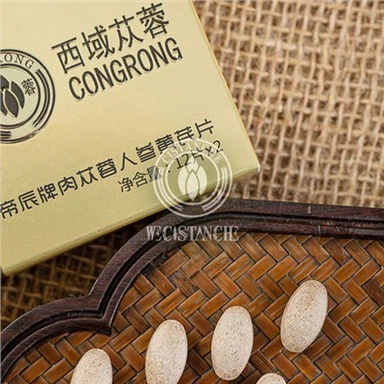
Click to Cistanche for kidney disease
In summary, this article briefly introduces the mechanism of action and pharmacodynamic characteristics of three ESAs and mainly introduces the application of long-acting ESAs in renal anemia.
Mechanism of action and pharmacodynamic characteristics of ESAs
ESAs are mainly divided into rHuEPO and chemically synthesized EPO mimetic peptides according to their molecular structures. Taking into account the drug approval status in China, three drugs require doctors to pay attention to.
Application of long-acting ESAs in renal anemia
1 Treatment object
Recommendations
Long-acting ESAs are recommended for the treatment of renal anemia in non-dialysis-dependent CKD patients (1A).
Long-acting ESAs are recommended for the treatment of renal anemia in patients with dialysis-dependent CKD (1A).
It is recommended that patients with renal anemia who have a low response to short-acting ESAs be treated with long-acting ESAs (2C).
2 Treatment timing
Recommendations
It is recommended that the initial treatment time for long-acting ESAs in the treatment of renal anemia is when hemoglobin (Hb) is <100g/L (1C).
It is recommended that when long-acting ESAs are used to treat renal anemia, the Hb target should be maintained at ≥110g/L, but not exceed 130g/L (1A).
In addition, when long-acting ESAs are used to treat renal anemia, other diseases causing anemia, such as nutritional anemia, hemorrhagic anemia, hemolytic anemia, and other blood system diseases, should be excluded through systemic examination, and aggravation of renal anemia should be corrected as much as possible. Other factors of sexual anemia, such as chronic inflammation, iron metabolism disorders, and insufficient hematopoietic raw materials.
3 Treatment programs
Recommendations
The initial treatment dose of long-acting ESAs is determined based on pre-treatment Hb levels and clinical conditions in CKD patients (1D).
It is recommended that for patients who are new to ESAs treatment, the starting dose of darbepoetin alfa can be given as a fixed dose (20 μg) or calculated based on body weight (0.45 μg/kg), once a week, subcutaneously or intravenously; the starting dose of CERA The starting dose of pemoxatide is 0.6 μg/kg, once every 2 weeks, subcutaneous or intravenous injection; the starting dose of peroxide is 0.04 mg/kg, once every 4 weeks, subcutaneous injection (1A).
It is recommended that patients currently being treated with short-acting ESAs be directly converted to long-acting ESAs in proportion to their current use of short-acting ESAs (1A).
It is recommended to make individual dose adjustments based on the rising rate of Hb levels during the initial treatment with long-acting ESAs and the stability of Hb levels during maintenance treatment. The Hb level should be maintained at 110-120g/L, and the Hb growth rate should be controlled at 10-120g/L every 4 weeks. Within 20g/L (2D).

The starting dose, dosing frequency, and dosing method for patients with renal anemia who are new to ESA treatment are shown in Table 2.
For patients switching from short-acting ESAs to long-acting ESAs, the starting dose can be adjusted based on the dose of short-acting ESAs used before the switch. In addition, the conversion rate of ESAs: darbepoetin α in multiple international phase III clinical studies was 200:1. However, some prospective and observational studies believe that maintaining a conversion ratio of 250:1 to 350:1 may be more beneficial to the stable increase in Hb levels, especially for patients who use short-acting ESAs >5000IU/week.
Large cohort studies have fully confirmed that excessively rapid Hb rise and/or excessive levels are closely related to poor prognosis in CKD patients. Therefore, Hb levels need to be closely monitored during the use of ESAs. It is recommended to monitor Hb every 1 to 2 weeks until it stabilizes, and then every 4 weeks.
Note: The upward and downward adjustments can be adjusted according to the proportion of 25% of the original dose, and if necessary, the proportion of 50% can be adjusted. Dareppoetin alfa can be adjusted step by step according to stepped doses, such as 10, 20, 30, 40, 50, and 60 μg. *When Hb levels stabilize, darbepoetin alfa can be adjusted from once a week to once every 2 weeks. CERA and darbepoetin alfa (for non-dialysis patients) can be adjusted from every 2 weeks to every 4 weeks at twice the current dose.
In addition, the bioavailability and efficacy of intravenous administration and subcutaneous injection of darbepoetin alfa and CERA are equivalent. Therefore, clinically, the administration method of darbepoetin α and CERA can be freely selected according to the patient's wishes and clinical conditions. As for peroxide, due to its drug properties, the only option is a subcutaneous injection.
4 Iron supplement use
Recommendations
It is recommended that iron metabolism-related indicators such as SF and TSAT be tested regularly before and during treatment with long-acting ESAs, at least once a month. Patients in the anemia maintenance treatment stage or with relatively stable Hb, should be tested at least once every 3 months. times (1C).
During long-acting ESA treatment, SF should be maintained at 200~500 μg/L and TSAT at 20%~50% (2B).
Use in special populations
Recommendations
In the treatment of renal anemia in special groups such as children, the elderly, liver insufficiency, kidney transplants, and tumors, long-acting ESAs can be considered (2B).
Adverse reactions and treatment
Recommendations
It is recommended that during the use of long-acting ESAs, patients should be observed for adverse reactions such as allergies, hypertension, thromboembolism, and PRCA, and if found, they should be actively treated (1, not graded).

Increased blood pressure is the most common adverse reaction during the use of ESAs, and the existing evidence-based medical evidence is insufficient to determine which type of ESAs is more advantageous in maintaining stable blood pressure levels. Therefore, during treatment with long-acting ESAs, blood pressure should be closely monitored, and appropriate dietary intervention or antihypertensive drugs should be used to control blood pressure if necessary. For patients whose blood pressure is difficult to control, it is recommended to reduce the dosage of ESAs or suspend their administration.
In clinical practice, when long-acting ESAs are used, Hb levels should be closely monitored and drug doses adjusted promptly to avoid cardiovascular and cerebrovascular thromboembolic events caused by excessive increases in Hb.
A very small number of patients may experience hypersensitivity reactions during the use of long-acting ESAs, including anaphylaxis, angioedema, bronchospasm, rash, and urticaria; severe skin adverse reactions include blisters, skin exfoliation reactions, erythema multiforme, and Stevens-Johnson syndrome, toxic epidermal necrolysis. Once the above situation occurs, use should be stopped immediately.
How Does Cistanche Treat Kidney Disease?
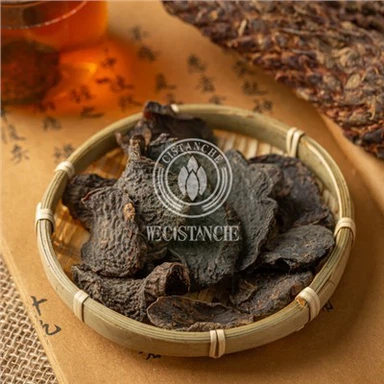
Cistanche is a traditional Chinese herbal medicine used for centuries to treat various health conditions, including kidney disease. It is derived from the dried stems of Cistanche deserticola, a plant native to the deserts of China and Mongolia. The main active components of cistanche are phenylethanoid glycosides, echinacoside, and acteoside, which have been found to have beneficial effects on kidney health.
Kidney disease, also known as renal disease, refers to a condition in which the kidneys are not functioning properly. This can result in a buildup of waste products and toxins in the body, leading to various symptoms and complications. Cistanche may help treat kidney disease ase through several mechanisms.
Firstly, cistanche has been found to have diuretic properties, meaning it can increase urine production and help eliminate waste products from the body. This can help relieve the burden on the kidneys and prevent the buildup of toxins. By promoting diuresis, cistanche may also help Reduce high blood pressure, a common complication of kidney disease.
Moreover, cistanche has been shown to have antioxidant effects. Oxidative stress, caused by an imbalance between the production of free radicals and the body's antioxidant defenses, plays a key role in the progression of kidney disease. ies help neutralize free radicals and reduce Oxidative stress, thereby protecting the kidneys from damage. The phenylethanoid glycosides found in cistanche have been particularly effective in scavenging free radicals and inhibiting lipid peroxidation.
Additionally, cistanche has been found to have anti-inflammatory effects. Inflammation is another key factor in the development and progression of kidney disease. Cistanche's anti-inflammatory properties help reduce the production of pro-inflammatory cytokines and inhibit the activation of inflammation mandatory pathways, thus alleviating inflammation in the kidneys.

Furthermore, cistanche has been shown to have immunomodulatory effects. In kidney disease, the immune system can be dysregulated, leading to excessive inflammation and tissue damage. Cistanche helps regulate the immune response by modulating the production and activity of immune cells, such as T cells and macrophages. This immune regulation helps reduce inflammation and prevent further damage to the kidneys.
Moreover, cistanche has been found to improve renal function by promoting the regeneration of renal tubes with cells. Renal tubular epithelial cells play a crucial role in the filtration and reabsorption of waste products and electrolytes. In kidney disease, these cells can be damaged, leading to damaged renal function. Cistanche's ability to promote the regeneration of these cells helps restore proper renal function and improve overall kidney health.
In addition to these direct effects on the kidneys, cistanche has been found to have beneficial effects on other organs and systems in the body. This holistic approach to health is particularly important in kidney disease, as the condition often affects multiple organs and systems. che has been shown to have protective effects on the liver, heart, and blood vessels, which are commonly affected by kidney disease. By promoting the health of these organs, cistanche helps improve overall kidney function and prevent further complications.
In conclusion, cistanche is a traditional Chinese herbal medicine used for centuries to treat kidney disease. Its active components have diuretic, antioxidant, anti-inflammatory, immunomodulatory, and regenerative effects, which help improve renal function and protect the kidneys from further damage. , cistanche has beneficial effects on other organs and systems, making it a holistic approach to treating kidney disease.