Influenza Is Raging, How Can Hemodialysis Patients Protect Themselves?
Feb 26, 2024
Influenza, an acute respiratory infectious disease caused by influenza viruses, has been raging around the world in recent years, posing a serious threat to people's health. Hemodialysis patients are more susceptible to influenza because their immune systems are relatively weak. So, how should hemodialysis patients protect themselves in the face of the threat of influenza?

Click on Cistanche for kidney disease
I. Overview
Influenza is different from the common cold in that its symptoms are more severe, including high fever, headache, muscle pain, cough, runny nose, etc.
Influenza viruses can be spread through droplets, and infection can also occur after contact with items contaminated by the virus.
For hemodialysis patients, influenza can cause serious complications that can even be life-threatening.
Therefore, understanding influenza and its dangers is the first step for hemodialysis patients to protect themselves.

2. Strengthen personal protection
1. Self-protection trilogy--
Wear a mask: Hemodialysis patients should wear a mask when in public places and contact with others to reduce the risk of droplet transmission.
Wash your hands frequently: Wash your hands frequently with soap and running water, especially after touching public items, before eating, after using the toilet, and other key moments.
Maintain indoor ventilation: Maintaining air circulation in the living environment can help reduce virus concentration.
2. Core method: influenza vaccination
Getting the flu vaccine is an effective way to prevent the flu. Hemodialysis patients should consult a professional doctor to learn about the timing and method of vaccination that is suitable for them.
Generally speaking, the flu vaccine should be given before the start of the flu season every year to improve immunity.
3. Daily-enhancing immunity is the key
Balanced diet: Hemodialysis patients should maintain a balanced diet and consume adequate nutrients to improve immunity. It is recommended to consume more foods rich in protein, vitamins, and minerals, such as fish, meat, eggs, milk, fresh vegetables and fruits, etc.
Moderate exercise: If the physical condition permits, hemodialysis patients can engage in moderate exercise, such as walking, Tai Chi, etc., to enhance physical fitness and immunity.
Get enough sleep: Maintaining good sleep habits and ensuring adequate sleep time will help the body recover and improve immunity.
3. Avoid contact with sources of infection
1. Avoid going to crowded places: During periods of high influenza incidence, hemodialysis patients should try to avoid going to crowded places, such as shopping malls, stations, etc. If you must go, you should take personal protective measures.
2. Avoid contact with influenza patients: If family members or friends have influenza, hemodialysis patients should try to avoid contact with them to reduce the risk of infection.
3. Pay attention to changes in symptoms: Hemodialysis patients should pay close attention to their physical condition during the high influenza season. Once influenza symptoms occur, such as fever, cough, fatigue, etc., they should seek medical treatment immediately. At the same time, inform the doctor of your hemodialysis history and medication so that the doctor can develop an appropriate treatment plan.
4. Do a good job in home care: During the treatment of hemodialysis patients, family members should also do a good job in providing care. Maintaining indoor air circulation, regularly disinfecting household items, and preparing nutritious meals for patients can all contribute to the patient's recovery. In addition, family members should also pay attention to their protection to avoid cross-infection.

4. Seek medical treatment - follow the doctor's instructions for treatment
Once diagnosed with influenza, hemodialysis patients should strictly follow medical advice for treatment.
Antiviral drugs are an effective way to treat influenza, and patients should take them on time to reduce symptoms and shorten the course of the disease.
At the same time, maintain a good attitude and actively cooperate with the doctor's treatment and suggestions.
How Does Cistanche Treat Kidney Disease?
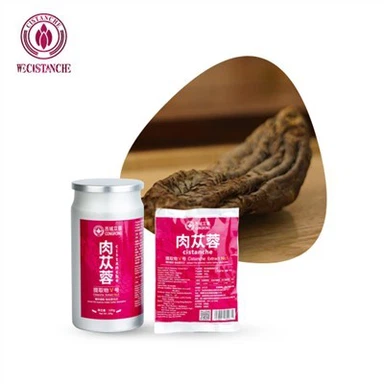
Cistanche is a traditional Chinese herbal medicine used for centuries to treat various health conditions, including kidney disease. It is derived from the dried stems of Cistanche deserticola, a plant native to the deserts of China and Mongolia. The main active components of cistanche are phenylethanoid glycosides, echinacoside, and acteoside, which have been found to have beneficial effects on kidney health.
Kidney disease, also known as renal disease, is a condition in which the kidneys are not functioning properly. This can result in a buildup of waste products and toxins in the body, leading to various symptoms and complications. Cistanche may help treat kidney disease ase through several mechanisms.
Firstly, cistanche has been found to have diuretic properties, meaning it can increase urine production and help eliminate waste products from the body. This can help relieve the burden on the kidneys and prevent the buildup of toxins. By promoting diuresis, cistanche may also help Reduce high blood pressure, a common complication of kidney disease.
Moreover, cistanche has been shown to have antioxidant effects. Oxidative stress, caused by an imbalance between the production of free radicals and the body's antioxidant defenses, plays a key role in the progression of kidney disease. ies help neutralize free radicals and reduce Oxidative stress, thereby protecting the kidneys from damage. The phenylethanoid glycosides found in cistanche have been particularly effective in scavenging free radicals and inhibiting lipid peroxidation.
Additionally, cistanche has been found to have anti-inflammatory effects. Inflammation is another key factor in the development and progression of kidney disease. Cistanche's anti-inflammatory properties help reduce the production of pro-inflammatory cytokines and inhibit the activation of inflammation mandatory pathways, thus alleviating inflammation in the kidneys.

Furthermore, cistanche has been shown to have immunomodulatory effects. In kidney disease, the immune system can be dysregulated, leading to excessive inflammation and tissue damage. Cistanche helps regulate the immune response by modulating the production and activity of immune cells, such as T cells and macrophages. This immune regulation helps reduce inflammation and prevent further damage to the kidneys.
Moreover, cistanche has been found to improve renal function by promoting the regeneration of renal tubes with cells. Renal tubular epithelial cells play a crucial role in the filtration and reabsorption of waste products and electrolytes. In kidney disease, these cells can be damaged, leading to damaged renal function. Cistanche's ability to promote the regeneration of these cells helps restore proper renal function and improve overall kidney health.
In addition to these direct effects on the kidneys, cistanche has been found to have beneficial effects on other organs and systems in the body. This holistic approach to health is particularly important in kidney disease, as the condition often affects multiple organs and systems. che has been shown to have protective effects on the liver, heart, and blood vessels, which are commonly affected by kidney disease. By promoting the health of these organs, cistanche helps improve overall kidney function and prevent further complications.
In conclusion, cistanche is a traditional Chinese herbal medicine used for centuries to treat kidney disease. Its active components have diuretic, antioxidant, anti-inflammatory, immunomodulatory, and regenerative effects, which help improve renal function and protect the kidneys from further damage. , cistanche has beneficial effects on other organs and systems, making it a holistic approach to treating kidney disease.