

The Magical Journey Of Extracting And Anti Fatigue Polysaccharides From Cistanche Deserticola
Dec 16, 2025
1, Desert Treasure - Cistanche deserticola

Cistanche deserticola
In the vast and boundless desert, filled with yellow sand, the environment is harsh, and water sources are scarce, making it difficult for most plants to survive. However, there is a magical plant that can firmly root and reproduce in this "forbidden zone of life", and that is Cistanche deserticola.
Guanhua Cistanche is a perennial parasitic herbaceous plant of the Cistanche genus in the family Liliaceae. It mainly parasitizes the roots of plants in the genus Tamarix and is primarily distributed in southern Xinjiang, China. It spends most of its life underground, relying on its host plants to obtain the nutrients and water it needs for growth, like a mysterious hermit silently accumulating strength in the darkness. Only in specific seasons will it break through the soil and bloom with unique vitality.
Guanhua Cistanche has a long history of medicinal use and is known as the "desert ginseng", occupying an important position in traditional medicine. The "Shennong Bencao Jing" classifies it as a top-grade product, stating that it is "responsible for the five stresses and seven injuries, tonifying the middle, removing cold, heat, and pain from the body, nourishing the five organs, strengthening yin, and nourishing essence and qi". It has a sweet and salty taste, a warm nature, and belongs to the kidney and large intestine meridians. It has the effects of tonifying kidney yang, nourishing essence and blood, moistening the intestine, and promoting bowel movements. It has a good regulating effect on symptoms such as impotence and infertility caused by insufficient kidney yang, deficiency of essence and blood, soreness and weakness of the waist and knees, weakness of the muscles and bones, and constipation in the elderly.
With the rapid development of modern science and technology, researchers have been continuously exploring Cistanche deserticola. Research has found that Cistanche deserticola is rich in various beneficial chemical components for the human body, such as phenylethanolic glycosides, polysaccharides, alkaloids, etc. Among them, polysaccharides from Cistanche deserticola, as one of its important active ingredients, have become a research hotspot in recent years, demonstrating various potential physiological activities such as antioxidant, immune regulation, and anti-fatigue, providing new directions for the development of the medicinal value of Cistanche deserticola.
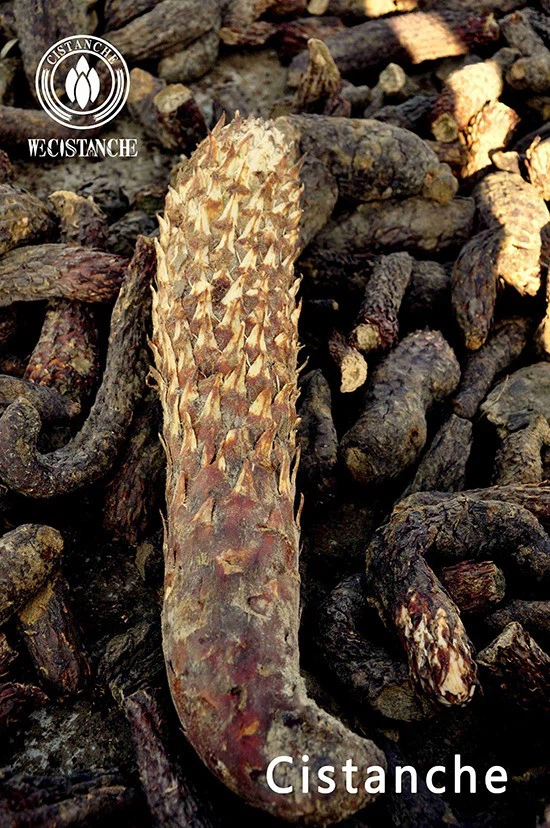
Cistanche
2, Unveiling the Ultrasonic Assisted Extraction Process
(1) The limitations of traditional extraction methods
In the past, the extraction of polysaccharides from Cistanche deserticola mainly used traditional methods such as water extraction and alcohol precipitation, reflux extraction, etc. The water extraction and alcohol precipitation method requires boiling Cistanche deserticola with water for a long time to dissolve the polysaccharides in the water, and then adding a large amount of ethanol to precipitate the polysaccharides. The reflux extraction method utilizes the reflux and circulation of solvents to repeatedly extract Cistanche deserticola under heating conditions. But these methods have many drawbacks. On the one hand, they usually require a long extraction time. The extraction time of the water extraction and alcohol precipitation method may be several hours or even more than ten hours, and the reflux extraction method is the same. Long-term heating not only consumes a lot of energy but also may lead to the destruction of the polysaccharide structure, reducing its biological activity. On the other hand, traditional methods have low extraction efficiency and are difficult to fully extract polysaccharides from Cistanche deserticola, resulting in resource waste. For example, in some studies comparing traditional extraction methods with new methods, it has been found that the polysaccharide content extracted by traditional methods is significantly lower than that of new methods, and the extracted polysaccharides contain more impurities, making subsequent separation and purification work more difficult.

Cistanche deserticola experiment
(2) The principles and advantages of ultrasound-assisted extraction
The principle of ultrasound-assisted extraction of polysaccharides from Cistanche deserticola is mainly based on the cavitation, thermal, and mechanical effects of ultrasound. When ultrasound propagates in a liquid medium, a series of physical changes occurs. Cavitation is a key factor, and the high-frequency vibration of ultrasound can rapidly expand and close tiny bubbles in the liquid. At the moment of bubble closure, local high temperatures (up to 5000K), high pressures (over 100MPa), and strong shock waves and microjets are generated. These extreme conditions can disrupt the cell structure of Cistanche deserticola, causing cell wall rupture and easier release of active ingredients such as polysaccharides into the extraction solvent. The thermal effect is due to the fact that when ultrasound propagates in a medium, some of the energy is absorbed and converted into heat energy by the medium. Although the temperature increase generated by this thermal effect is instantaneous, it also helps to accelerate the dissolution and diffusion speed of polysaccharide molecules. The mechanical effect is manifested by the high-frequency vibration of the medium particles caused by ultrasound, which enhances the diffusion and mass transfer process of the medium, further promoting the transfer of polysaccharides from the raw material of Cistanche deserticola to the solvent.
Compared with traditional extraction methods, ultrasound-assisted extraction has many significant advantages. It can significantly improve extraction efficiency, rapidly destroy cell structure through cavitation and other methods, making polysaccharide extraction more complete, and the extraction rate can be several times higher than traditional methods. The extraction time can also be significantly reduced, from several hours to tens of minutes or even shorter, greatly saving production time and costs. Moreover, due to the fact that ultrasound-assisted extraction does not require prolonged high-temperature heating, it reduces the damage to the structure and biological activity of polysaccharides, and can better preserve the natural characteristics of Cistanche deserticola polysaccharides, providing better quality polysaccharide raw materials for subsequent research and application.

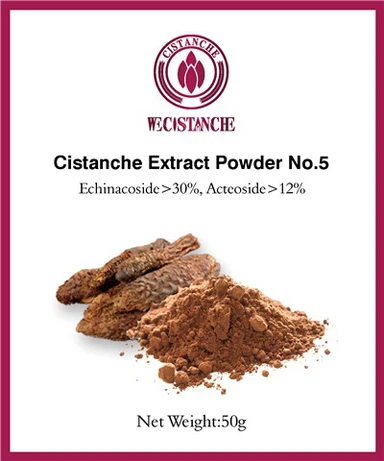
cistanche extract powder
Click here to view Organic Cistanche Extract Powder products
【Ask for more】 Email:cindy.xue@wecistanche.com / WhatsApp: 0086 18599088692 / Wechat: 18599088692
(3) Detailed explanation of specific extraction steps
1. Raw material pretreatment: Firstly, select fresh and high-quality Cistanche deserticola, rinse it with clean water, and remove surface sediment, impurities, etc. After washing, cut the Cistanche deserticola into thin slices or small pieces, which can increase its contact area with the extraction solvent and facilitate the extraction of polysaccharides. Next, the cut Cistanche deserticola should be dried using natural air drying or low-temperature drying methods. It is important to note that the drying temperature should not be too high, generally controlled at 40-50 ℃, to prevent damage to polysaccharides and other components. After drying, the Cistanche deserticola can be crushed into a powder with a certain mesh size using a grinder; usually, 100-200 mesh is more suitable. The finer the powder, the better the extraction effect, but the finer the powder, the more difficult the subsequent filtration and other operations may be.
2. Ultrasonic extraction: Transfer the pre-treated Cistanche deserticola powder to a suitable container, and add an extraction solvent according to a certain solid-liquid ratio. The commonly used extraction solvent is water or a certain concentration of an ethanol aqueous solution. For example, the material to liquid ratio can be controlled between 1:15-1:30 (g/mL). Place the container containing raw materials and solvents into the ultrasonic generator and set appropriate ultrasonic parameters, including ultrasonic power, ultrasonic time, ultrasonic temperature, etc. Generally speaking, the ultrasound power can be set to 200-600W, the ultrasound time is 20-60min, and the ultrasound temperature is controlled at 40-70 ℃. During the ultrasonic process, attention should be paid to maintaining the sealing of the container to prevent solvent evaporation, and appropriate stirring can be used to make the extraction more uniform.

cistanche powder
3. Separation and purification: After ultrasonic extraction, the extract is subjected to solid-liquid separation, which can be achieved by filtration or centrifugation. When filtering, filter paper or filter cloth can be used. If centrifugal separation is used, the speed is generally controlled at 3000-5000/rpm and the centrifugation time is 10-20 minutes. The separated filtrate still contains some impurities that require further purification. Common purification methods include alcohol precipitation and column chromatography. The alcohol precipitation method is to add an appropriate amount of ethanol to the filtrate, so that the ethanol concentration in the solution reaches a certain proportion (such as 70% -80%). Polysaccharides will precipitate in high-concentration ethanol, and then collect the precipitate through centrifugation or filtration to obtain crude polysaccharides. The principle of column chromatography is to use different chromatographic columns (such as gel column, ion exchange column, etc.) to further separate and purify the crude polysaccharide, remove the protein, pigment, small molecular impurities, etc., and obtain the polysaccharide of Cistanche tubulosa with high purity. Throughout the entire extraction process, it is necessary to strictly control the conditions at each stage to ensure stable and reliable quality of the extracted polysaccharides.
3, Exploration of polysaccharide separation and structural characteristics
(1) Overview of polysaccharide separation methods
The polysaccharides extracted from Cistanche deserticola are often a mixture of multiple components that require further separation and purification for in-depth research and application. Common methods for separating polysaccharides from Cistanche deserticola include column chromatography and membrane separation.
Column chromatography is a method of separating polysaccharides by utilizing the difference in distribution coefficients between different substances in the stationary and mobile phases. Among them, gel column chromatography is a more common one, such as gel fillers such as Sephadex and Sephacryl. Taking the Sephadex G -100 gel column as an example, when the polysaccharide mixture passes through the gel column, the polysaccharide molecules with large molecular weight can only pass through the gaps between the gel particles quickly and be eluted first because they cannot enter the pores inside the gel particles; Polysaccharide molecules with small molecular weight can enter the gel particles, stay in the column for a long time, and then be eluted. This method can effectively separate polysaccharides based on their molecular weight, and the separation effect is good, resulting in high-purity polysaccharides. However, the disadvantage is that the separation process is time-consuming, and the column processing and regeneration are cumbersome, with relatively high costs. Ion exchange column chromatography is based on the difference in charge carried by polysaccharide molecules for separation, such as DEA E-Sephadex ion exchange resin. Polysaccharide molecules carry different charges under certain pH conditions and interact with the ionic groups on ion exchange resins. By changing the ion strength or pH value of the eluent, different polysaccharide components can be eluted sequentially. This method has unique advantages in separating polysaccharides with different charges, and can effectively remove impurities from polysaccharides. However, precise control of elution conditions is required during the operation; otherwise, it will affect the separation effect.
Membrane separation is the use of selectively permeable membranes to separate polysaccharides based on differences in size, shape, and charge. Ultrafiltration membrane separation is one of the commonly used membrane separation technologies, which can operate at room temperature, without a phase change process, with low energy consumption, and effectively retains the biological activity of polysaccharides. For example, by using an ultrafiltration membrane with a cut-off molecular weight of 10kDa, polysaccharide molecules with a molecular weight greater than 10kDa can be intercepted, while small molecule impurities and solvents can pass through the membrane, thereby achieving preliminary separation and concentration of polysaccharides. However, membrane separation methods also have some limitations, such as the membrane being easily contaminated, resulting in a decrease in flux, requiring regular cleaning and replacement, and the separation effect may not be ideal for polysaccharide molecules with similar molecular weights.

Main Chemical Constituents of Cistanche deserticola
(2) Structural characteristics of polysaccharides from Cistanche deserticola
The chemical structure of polysaccharides from Cistanche deserticola is relatively complex, consisting of multiple monosaccharide units connected by glycosidic bonds. Research has shown that the monosaccharide composition of polysaccharides from Cistanche deserticola is rich and diverse, mainly including glucose, galactose, mannose, arabinose, etc. The monosaccharide composition ratios of polysaccharides obtained from different sources and extraction methods of Cistanche deserticola may vary. For example, studies have found through high-performance liquid chromatography (HPLC) analysis that the molar ratio of glucose, galactose, and arabinose in a certain sample of Cistanche deserticola polysaccharides is 3.2:1.5:0.8. This difference in monosaccharide composition may affect the physicochemical properties and biological activity of the polysaccharides.
The glycosidic bond connection is one of the important features of the polysaccharide structure in Cistanche deserticola. Through techniques such as nuclear magnetic resonance (NMR) analysis, it is known that there are multiple glycosidic bond connections in the polysaccharides of Cistanche deserticola, such as α α-1,4-glycosidicc bonds β 1, 3- Glycoside bonds β - 1, 6- Glycoside bonds, etc. These different glycosidic bond connections determine the spatial conformation of polysaccharides, which in turn affects their interactions with receptors in organisms and the biological activity of polysaccharides. For example, polysaccharides with β-β-1,3-glycosidic bonds as the main chain structure often exhibit strong activity in immune regulation, anti-tumor, and other fields.
The molecular weight range of polysaccharides from Cistanche deserticola is also relatively wide, generally between several thousand and several hundred thousand daltons. The size of molecular weight has a significant impact on the properties and functions of polysaccharides. Polysaccharides with higher relative molecular weight may have better viscosity and stability, while polysaccharides with lower relative molecular weight may be more easily absorbed and utilized by organisms. The molecular weight and distribution of Cistanche tubulosa polysaccharide can be accurately determined by gel permeation chromatography (GPC) and other methods.
There is a close relationship between the structure and biological activity of polysaccharides. The unique monosaccharide composition, glycosidic bond connection mode, and molecular weight characteristics of polysaccharides from Cistanche deserticola endow them with various biological activities, such as antioxidant, immune regulation, and anti-fatigue. For example, certain monosaccharide residues and glycosidic bond structures in polysaccharide molecules may act as active sites, interacting with free radicals and immune cell surface receptors in the body, thereby exerting antioxidant and immune regulatory effects. In-depth research on the structural characteristics of polysaccharides from Cistanche deserticola can help reveal its biological activity mechanism and provide a theoretical basis for its further development and utilization.
4, Scientific verification of the anti-fatigue effect
(1) The mechanism of fatigue generation
In daily life, when we engage in high-intensity physical labor or prolonged exercise, we often feel physically exhausted, which is the intuitive feeling of fatigue. From a physiological and biochemical perspective, the occurrence of fatigue has complex mechanisms.
During exercise or high-intensity labor, the human body undergoes anaerobic respiration, which can lead to the accumulation of lactic acid. Glycogen in muscles is broken down under anaerobic conditions to produce lactate. As exercise intensity increases and time prolongs, the rate of lactate production exceeds its clearance rate, leading to a large accumulation in muscles and blood. The accumulation of lactic acid can cause a decrease in the pH value of muscles, leading to inhibition of muscle contraction function and resulting in fatigue symptoms such as muscle soreness and fatigue. For example, after a sprint competition, athletes often feel leg muscle soreness, which is a typical manifestation of lactic acid accumulation.

Effects of Cistanche on anti-fatigue
At the same time, the significant consumption of energy substances is also an important cause of fatigue. The human body mainly relies on adenosine triphosphate (ATP) to provide energy during exercise, and ATP reserves are limited. As exercise continues, ATP is continuously broken down into adenosine diphosphate (ADP) and phosphate, releasing energy for the body to utilize. When ATP reserves are depleted and cannot be replenished promptly, muscle contractions lack energy support, leading to fatigue. In addition, exercise also consumes energy storage substances such as glycogen and muscle glycogen in the body, further exacerbating energy shortages and leading to increased fatigue.
In addition to the above factors, neurotransmitter imbalance also plays a key role in the development of fatigue. Neurotransmitters in the brain, such as dopamine and serotonin, play an important role in regulating physical activity and fatigue. When engaged in prolonged exercise or under stress, the synthesis, release, and metabolism of neurotransmitters change, leading to neurotransmitter imbalance. For example, elevated levels of serotonin can cause feelings of drowsiness and fatigue, affecting physical ability and mental state.
(2) Experimental study on the anti-fatigue effect of polysaccharides from Cistanche deserticola
In order to verify the anti-fatigue effect of polysaccharides from Cistanche deserticola, researchers conducted a series of rigorous experiments, among which animal experiments were one of the important research methods. In a classic mouse experiment, researchers randomly divided healthy mice into a control group and an experimental group. The experimental group mice were given different doses of Cistanche deserticola polysaccharides by gavage, while the control group was given an equal amount of physiological saline. After a period of time, two groups of mice were subjected to weight-bearing swimming experiments. The results showed that the exhausted swimming time of the experimental group mice was significantly longer than that of the control group, indicating that polysaccharides from Cistanche deserticola can significantly improve the exercise endurance of mice. At the same time, it was found that the blood lactate levels of mice in the experimental group were significantly lower than those in the control group after exercise. This means that polysaccharides from Cistanche deserticola can effectively inhibit the production of lactate during exercise or accelerate lactate clearance, reducing the fatigue effects of lactate accumulation on the body. In addition, the detection of liver glycogen content in the mouse liver showed that the liver glycogen reserve of the experimental group mice after exercise was significantly higher than that of the control group. Liver glycogen is an important energy source during muscle movement, and polysaccharides from Cistanche deserticola can increase liver glycogen reserves, providing sufficient energy for the body to exercise and thus delaying the production of fatigue.
In addition to animal experiments, there are also some human experiments on the anti-fatigue effect of polysaccharides from Cistanche deserticola. A study selected a group of athletes who frequently engage in high-intensity exercise as research subjects and divided them into two groups. One group received a preparation containing polysaccharides from Cistanche deserticola, while the other group received a placebo. After a period of intervention, athletes are tested for their athletic ability. It was found that athletes taking polysaccharides from Cistanche deserticola significantly reduced subjective fatigue, had a smaller increase in blood lactate levels, and recovered faster after completing the same intensity of exercise tasks. This further confirms that polysaccharides from Cistanche deserticola also have anti-fatigue effects in the human body.

Effects of Cistanche-anti-fatigue
(3) Principal analysis of the anti-fatigue effect
Polysaccharides from Cistanche deserticola can regulate energy metabolism processes and promote the rational utilization of energy substances in the body. On the one hand, it can promote glycogen synthesis and storage by activating related enzyme activity, increasing the reserve of liver glycogen and muscle glycogen. When the body exercises, this stored glycogen can be broken down into glucose promptly, providing sufficient energy for muscle contraction and delaying the occurrence of fatigue. On the other hand, polysaccharides from Cistanche deserticola can also regulate mitochondrial function and improve mitochondrial energy metabolism efficiency. Mitochondria are important sites for energy production in cells. Polysaccharides from Cistanche deserticola can enhance the activity of respiratory chain enzymes in mitochondria, promote ATP synthesis, and enable cells to produce more energy to meet the high energy demands of the body during exercise.
Polysaccharides have strong antioxidant capacity and can eliminate excessive free radicals in the body. During exercise, the body's metabolism accelerates and produces a large amount of free radicals. These free radicals have strong oxidative activity and can attack biomolecules inside cells, such as lipids, proteins, and DNA, causing cell damage and functional impairment, ultimately leading to fatigue. Polysaccharides from Cistanche deserticola can react with free radicals through their own antioxidant groups, such as hydroxyl and phenolic hydroxyl groups, to eliminate them and reduce the damage of free radicals to cells. At the same time, it can activate the antioxidant enzyme system in the body, such as superoxide dismutase (SOD), glutathione peroxidase (GSH Px), etc., enhance the body's own antioxidant capacity, protect cells from oxidative stress, maintain normal cell function, and alleviate fatigue.
Polysaccharides from Cistanche deserticola may exert anti-fatigue effects by regulating the neuroendocrine system. It can regulate the function of the hypothalamic pituitary adrenal axis (HPA axis), keeping the secretion of stress hormones such as cortisol at a relatively stable level during exercise stress. Cortisol is an important stress hormone, and moderate levels of cortisol can enhance the body's ability to cope with stress. However, high or low levels of cortisol can have adverse effects on the body. Polysaccharide from Cistanche deserticola regulates the secretion of cortisol to prevent excessive elevation from cause damage to the body, thereby maintaining normal physiological functions and reducing fatigue. In addition, polysaccharides from Cistanche deserticola may also affect the synthesis, release, and metabolism of neurotransmitters, regulating the excitability of the nervous system. For example, it may promote the release of excitatory neurotransmitters such as dopamine and norepinephrine, inhibit the synthesis of inhibitory neurotransmitters such as serotonin, maintain a good state of excitement in the nervous system, and improve the body's motor and anti-fatigue abilities.
You Might Also Like
-

Cistanche Tubulosa Extract Powder
-
Cistanche A Natural Testosterone Booster
-

Cistanche: The Key To Improving Memory and Prevent Alzhei...
-
Cistanche Dietary Supplement Anti-Inflammatory support Ph...
-
Herbal Cistanche Dietary Supplement Capsules Total Glycos...
-

Cistanche Extract Supplier Cistanche Tubulosa Cistanche D...