Cistanche Deserticola: The Mysterious Connection Between Desert Treasure And Senile Dementia
Nov 28, 2025
In the current context of an aging population, dementia has become an increasingly severe health challenge worldwide. According to relevant data, there are currently about 50 million elderly dementia patients worldwide, and this number is rapidly increasing at a rate of 1 new case every 3 seconds. It is expected that by 2050, the number of patients will exceed 150 million. China is also facing heavy pressure. There are nearly 17 million people with dementia, accounting for nearly 30% of the global total. Among them, Alzheimer's disease, the most common type of Alzheimer's disease, has an incidence rate of more than 5% among the elderly over 60 years old and 30% among the elderly over 85 years old. One in every three people may be sick.

Cistanche prevents Alzheimer's disease
The harm that Alzheimer's disease brings to patients, families, and society is multifaceted and far-reaching. From the patient's perspective, in the early stages of the disease, symptoms such as memory loss and cognitive impairment gradually appear, and daily life begins to be affected, such as forgetting the location of familiar objects and being unable to remember what just happened. As the condition progresses, language expression ability will gradually decline, making it difficult to accurately express one's thoughts and engage in normal communication with others. In the middle and late stages, patients may not even be able to recognize their own relatives, and their daily lives may be completely unable to take care of themselves. Their previous life skills and social abilities may be completely lost, and they often fall into negative emotions such as anxiety and depression, leading to a serious decline in their quality of life.
For families, taking care of elderly dementia patients is a long and arduous task. Family members not only need to invest a lot of time and energy, constantly paying attention to the patient's daily life, but also have to bear enormous mental pressure. Due to abnormal cognition and behavior of patients, they may experience situations such as getting up and walking around in the middle of the night, and getting angry for no reason, disrupting the normal pace of life of the entire family. Long-term caregiving burden may also lead to physical and mental exhaustion among family members, affecting the harmony of family relationships. At the same time, the costs of treatment and care also impose a heavy economic burden on families, with various expenses accumulating from medication treatment, rehabilitation training, to professional nursing services.
From a societal perspective, the continuous increase in the number of elderly dementia patients has brought enormous challenges to medical resources, pension security systems, and other areas. The healthcare system needs to invest more manpower, material resources, and financial resources to address this disease, including the training of professional medical staff, the development of new therapeutic drugs and methods, and so on. Elderly care institutions are also facing the challenge of how to provide more professional and humane care services. In addition, Alzheimer's disease can also lead to a reduction in the social labor force, and the social value created by patients before the disease gradually diminishes as the condition progresses. The entire society is paying a high price for this disease.

Cistanche prevents Alzheimer's disease
Understanding Cistanche deserticola: the 'soft gold' in the desert
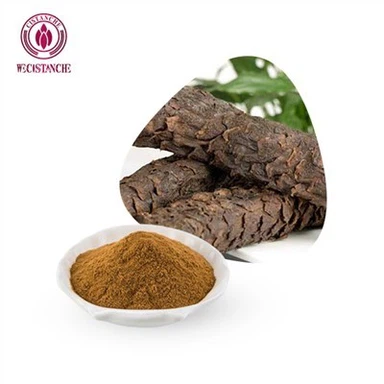
In the vast and harsh desert environment, there is a magical plant - Cistanche deserticola. It can be called a treasure in the desert, known as the "desert ginseng" and "soft gold in the desert".
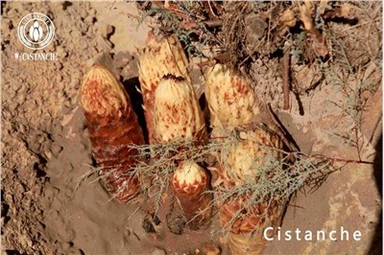
Cistanche deserticola is a perennial parasitic herbaceous plant that lacks chlorophyll and cannot undergo photosynthesis to produce nutrients like ordinary plants. Its growth depends on the host plant and mainly parasitizes the roots of plants such as red willows and white willows. It mostly hides underground, relying on the host's root system to absorb water and nutrients, and slowly grows and develops. When it comes to a specific season, Cistanche deserticola will emerge from the ground with its unique posture. The plant is tall and can reach 40-160 centimeters, with thick and fleshy stems that are cylindrical or slightly flattened. It may branch from the base or grow singly. Its leaves have degenerated into scales, appearing pale yellow or white,ite and tightly or sparsely arranged in a spiral pattern on the stem. Although scale-like leaves do not have the function of photosynthesis in ordinary leaves, they play an important role in the adaptation of Cistanche deserticola to arid environments. At the flowering period, the spike-shaped inflorescence grows at the end of the stem. The flowers are rich and diverse in color, including yellow, white, light purple, etc. The corolla is cylindrical and bell-shaped, with lobes spread out and nearly semi-circular, blooming in a unique beauty in the arid desert. The flowering period is usually from May to June, followed by the fruiting period from June to July. The capsule is oval-shaped and contains countless tiny seeds. These seeds are the hope for the reproduction of Cistanche deserticola, waiting for the right time to embark on a new journey of life.

Desert ginseng
Cistanche deserticola occupies a pivotal position in the field of traditional Chinese medicine, with a long history of medicinal use dating back to ancient times. In numerous ancient medical texts, there are detailed records and high praise for Cistanche deserticola. The "Shennong Bencao Jing" lists Cistanche deserticola as a top-grade herb, stating that it "mainly nourishes the body and treats various illnesses by treating the five stresses and seven injuries, replenishing the middle, removing cold, heat, and pain from the stem, nourishing the five organs, strengthening yin, nourishing essence and qi, and treating women's ailments." This fully affirms its significant effects in nourishing the body and treating various diseases. In the Ming Dynasty, Li Shizhen's "Compendium of Materia Medica" also elaborated on the medicinal value of Cistanche deserticola, recording that it can be used to treat various diseases such as labor injury, semen loss, black face, kidney deficiency, white turbidity, excessive sweating, and constipation. In traditional medical theory, Cistanche deserticola is warm in nature, sweet and salty in taste, and belongs to the kidney and colon meridians. It has multiple effects such as tonifying kidney yang, nourishing essence and blood, moistening intestines and promoting bowel movements, making it a rare and precious medicinal herb.
Tonifying kidney yang is one of the important functions of Cistanche deserticola, which can effectively improve various symptoms caused by kidney yang deficiency, such as male impotence, premature ejaculation, sexual dysfunction, female uterine cold infertility, menstrual disorders, etc. For those who experience symptoms such as chills, cold limbs, soreness, and weakness in the waist and knees, and muscle and bone weakness due to insufficient kidney yang, Cistanche deserticola can warm and tonify the kidney yang, strengthen the body, and help them restore energy and vitality. At the same time, Cistanche deserticola also performs well in nourishing essence and blood, which can supplement the body with the necessary essence and blood, alleviate symptoms such as dizziness, vertigo, tinnitus, blurred vision, premature graying of hair, and body thinness caused by essence and blood deficiency, and make people's complexion rosy and energetic. In addition, Cistanche deserticola also has a unique moisturizing and laxative effect, which has a good improvement effect on constipation caused by insufficient intestinal fluid in the elderly or the physically weak. It can moisturize the intestines, promote intestinal peristalsis, make bowel movements smooth, and has a mild effect without causing harm to the body. It is an ideal natural laxative medicine.

 Cistanche deserticola may improve kidney function
Exploring the correlation: the effect of Cistanche deserticola on senile dementia
In recent years, with the continuous deepening of research on Cistanche deserticola, scientists have discovered its remarkable potential in preventing and treating Alzheimer's disease. This discovery brings new hope to overcome the medical challenge of Alzheimer's disease.
(1) Enhance memory
The role of Cistanche deserticola in enhancing memory is very significant. Multiple scientific studies have shown that active ingredients such as echinacoside and verbascoside, which are rich in Cistanche deserticola, can act as magical keys to activate memory-related "switches" in the brain. These components can penetrate the blood-brain barrier and smoothly reach the interior of the brain, thereby promoting the production of brain-derived neurotrophic factor (BDNF). Brain-derived neurotrophic factor is the "master of memory consolidation" in the brain. It plays a crucial role in the survival, growth, differentiation, and synaptic plasticity of neurons, helping the brain better consolidate and store memory information.

cistanche-Improve memory
The relevant experiments conducted by the Institute of Botany, Chinese Academy of Sciences, have strongly confirmed this point. In the experiment, researchers fed meat-consuming Cistanche deserticola extract to experimental animals. After a period of time, the memory ability of these animals was evaluated through professional memory testing methods. Surprisingly, it was found that the experimental animals that consumed Cistanche deserticola extract performed significantly better in memory testing than the control group that did not consume it. They were able to remember specific tasks and information faster, and their memory retention time was also longer. In real life, there are also many practical cases. For example, some middle-aged and elderly people who have been consuming Cistanche deserticola for a long time have reported significant improvements in their memory. They can now remember things they used to forget clearly, and their daily life and communication have become smoother. This fully demonstrates the positive effects of Cistanche deserticola in enhancing memory, providing strong support for preventing and improving the symptoms of memory decline in elderly dementia patients.
(2) Protecting nerve cells
The health of nerve cells is directly related to the normal function of the brain, and Cistanche deserticola plays an important role in protecting nerve cells. It is like a "loyal guardian" of nerve cells, which can effectively inhibit neuronal apoptosis and safeguard the survival and normal function of nerve cells. Research has found that the active ingredients in Cistanche deserticola can regulate the expression of apoptosis-related genes in nerve cells by inhibiting the activity of pro-apoptotic genes and enhancing the expression of anti-apoptotic genes, thereby reducing nerve cell death. In addition, Cistanche deserticola can promote the growth and repair of nerve cells, provide necessary nutritional support and growth signals for damaged nerve cells, help them regain vitality, and establish normal nerve connections.
In a study on a neural cell injury model, researchers added Cistanche deserticola extract to a damaged neural cell culture system. After a period of cultivation observation, it was found that compared with the control group without Cistanche deserticola extract, the survival rate of neural cells with added extract was significantly improved, the cell morphology was more complete, and the growth of neural processes was more vigorous. This fully demonstrates the strong protective and repairing ability of Cistanche deserticola on neural cells. For elderly dementia patients, the nerve cells in the brain will gradually be damaged and undergo apoptosis, and the protective effect of Cistanche deserticola on nerve cells can delay the process of nerve cell damage, maintain normal neural function of the brain, and thus delay the development of elderly dementia to a certain extent and alleviate the symptoms of patients.
(3) Improve cerebral circulation
Good cerebral blood circulation is the foundation for maintaining normal brain function, and Cistanche deserticola has a unique mechanism of action in promoting cerebral blood circulation. The polysaccharides and other components contained in Cistanche deserticola can act on endothelial cells and promote the release of vasodilators such as nitric oxide. Nitric oxide is like a "relaxant" of blood vessels, which can relax the smooth muscles of blood vessels, thereby expanding blood vessels, increasing blood perfusion to the brain, and allowing the brain to obtain a more sufficient oxygen and nutrient supply. At the same time, Cistanche deserticola can also regulate blood rheology indicators, reduce blood viscosity, inhibit platelet aggregation, enable blood to flow more smoothly in blood vessels, avoid the occurrence of cerebral vascular blockage, and create a good blood supply environment for the brain.
Related experiments have found through monitoring the blood flow in the brains of animals that after administration of Cistanche deserticola extract, the blood flow in the brains of animals significantly increased, and the oxygen partial pressure in brain tissue was also increased, indicating an improvement in oxygen supply to the brain. For elderly people, as they age, their brain blood vessels gradually become hardened, narrowed, and other problems, leading to poor blood circulation in the brain, which in turn affects normal brain function and increases the risk of developing dementia. The role of Cistanche deserticola in improving cerebral circulation can effectively prevent and alleviate brain function decline caused by poor cerebral blood circulation, reduce the incidence of dementia in the elderly, and is of great significance for maintaining the brain health of the elderly.

Benefits of cistanche tubulosa-Anti Alzheimer's disease
Click here to view Cistanche Improving Memory and Preventing Alzheimer's Disease products
【Ask for more】 Email:cindy.xue@wecistanche.com / WhatsApp: 0086 18599088692 / Wechat: 18599088692
Clinical cases and research evidence
In clinical practice, there have been successful cases of using Cistanche deserticola to treat senile dementia, providing strong practical evidence for the association between Cistanche deserticola and senile dementia. In a case at Zhonglu Hospital of Shandong University of Traditional Chinese Medicine, an 81-year-old female patient experienced a sudden onset of acute senile dementia symptoms. After her family discovered her abnormal behavior and rushed her to the hospital, a brain CT showed that she had old multiple lacunar infarctions and brain atrophy. After initial treatment, the patient's symptoms have not shown significant improvement. The attending doctor, based on traditional Chinese medicine syndrome differentiation, believes that the patient belongs to the category of Qi and blood deficiency, which leads to the loss of brain and body nourishment, thereby causing dementia symptoms. So, on the basis of routine treatment, doctors added traditional Chinese medicine such as Cistanche deserticola for conditioning. After a period of careful treatment, the patient's consciousness gradually recovered, and their memory improved. They were not only able to recognize family members, but also able to communicate normally. This case fully demonstrates the positive role of Cistanche deserticola in the treatment of elderly dementia, providing valuable experience for clinical treatment.
In addition to clinical cases, numerous animal experiments and clinical studies have also explored the association between Cistanche deserticola and Alzheimer's disease from a scientific perspective, further confirming its significant efficacy in preventing and treating Alzheimer's disease. In a clinical study on the treatment of Alzheimer's disease (AD) with Cistanche deserticola, 124 Alzheimer's patients were randomly divided into two groups. The control group was given Aricept (a commonly used drug for treating Alzheimer's disease), while the treatment group was given Cistanche deserticola total glycosides capsules for a course of 12 weeks. Before and after treatment, researchers recorded in detail the scores of the Clinical Dementia Rating Scale (CDR), Mini-Mental State Examination (MMSE), and Activities of Daily Living (ADL) to assess the degree of dementia and daily living ability of patients. The research results are gratifying. After 12 weeks of treatment, both groups showed a significant decrease in CDR and ADL scores, indicating that the degree of dementia in patients has been alleviated and their ability to take care of themselves in daily life has improved; At the same time, the MMSE score significantly increased, indicating that the patient's cognitive ability has been improved. This study fully demonstrates the therapeutic effect of total glycosides of Cistanche deserticola on AD patients, which can effectively delay the progression of dementia, and the effect is comparable to that of Anlishen, with relatively fewer adverse reactions.
In a study on the treatment of vascular dementia (VD) with Cistanche deserticola, researchers randomly divided 70 patients with mild to moderate cognitive impairment into a Cistanche deserticola glycosides group and a cerebral rehabilitation control group. Both groups of patients took enteric-coated aspirin and nifedipine orally, with the Cistanche deserticola glycosides group taking Cistanche deserticola glycosides in addition, and the cerebral rehabilitation control group taking cerebral rehabilitation in addition. The treatment course was 16 weeks. Before and after medication, patients are examined every 4 weeks to assess their cognitive function through MMSE, dementia level through CDR, and daily living ability through ADL. Adverse reactions, corresponding physical and laboratory examination results, are recorded in detail. The results showed that after 12 weeks of treatment, both groups showed a significant decrease in CDR and ADL, and a significant increase in MMSE. This once again strongly proves that the total glycosides of Cistanche deserticola have a therapeutic effect on vascular dementia patients, which can delay the progression of dementia and improve patients' cognitive and self-care abilities.
These clinical cases and research evidence fully reveal the important value of Cistanche deserticola in the prevention and treatment of Alzheimer's disease from different perspectives and levels, providing a solid foundation for its further application and research in this field, and also bringing new hope to the vast number of elderly dementia patients.