The Role Of Th17 Cells/IL-17A in AD, PD, ALS And The Strategic Therapy Targeting On IL-17A Part 1
Aug 12, 2024
Abstract
Neurodegenerative diseases are a group of disorders characterized by progressive loss of certain populations of neurons, which eventually lead to dysfunction. These diseases include Alzheimer's disease (AD), Parkinson's disease (PD), and amyotrophic lateral sclerosis (ALS).
Neurodegenerative diseases are a popular trend. As people age, more and more people are beginning to pay attention to the impact of the disease on memory. Neurodegenerative diseases are a type of disease characterized by the death of neurons, which causes part of the brain to lose function. The deterioration of this disease will directly affect human cognitive ability, destroy social relationships, and cause a sharp decline in quality of life.
However, we still have a chance to prevent or alleviate this disease. One of the most effective ways is to exercise the heart and respiratory system regularly to enhance oxygen flow and increase blood flow. In addition, a healthy diet and adequate sleep are also essential. Staying healthy will be one of the best ways to prevent neurodegenerative diseases.
In addition, we can exercise our brains by constantly learning and thinking to keep them active and prevent degeneration. We can also participate in social activities, travel, learn new languages or skills, and other activities to stimulate the brain and increase memory. Sometimes, memory can also be strengthened through memory training, such as increasing our memory ability by repeatedly presenting information and observing it in our daily lives, constantly recalling it, etc.
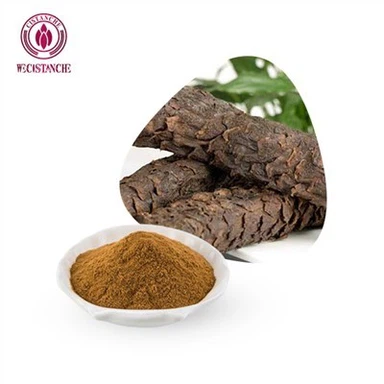
Although neurodegenerative diseases develop rapidly, we can control them to a large extent. Instead, we should focus on how to enhance our cognitive ability and memory to ensure that our lives are better and more fulfilling. Therefore, we must pay attention to our physical and brain health, prevent neurodegenerative diseases, and regain our memory in the elderly through an active lifestyle and healthy diet, proper exercise, and learning. It can be seen that we need to improve memory, and Cistanche can significantly improve memory because Cistanche can also regulate the balance of neurotransmitters, such as increasing the levels of acetylcholine and growth factors, which are very important for memory and learning. In addition, Cistanche can also improve blood flow and promote oxygen delivery, which can ensure that the brain obtains sufficient nutrition and energy, thereby improving brain vitality and endurance.
Click know 10 ways to improve memory
Immune pathway dysregulation is one of the common features of neurodegeneration. Recently, there has been growing interest in the specific role of T helper Th 17 cells and Interleukin-17A (IL-17A), the most important cytokine of Th 17 cells, in the pathogenesis of the central nervous system (CNS) of neurodegenerative diseases.
In the present study, we summarized current knowledge about the function of Th17/IL-17A,
the physiology of Th17/IL-17A in diseases, and the contribution of Th17/IL-17A in AD, PD, and ALS.
We also update
the findings on IL-17A-targeting drugs as potentially immunomodulatory therapeutic agents for neurodegenerative
diseases.
Although the specific mechanism of Th17/IL-17A in this group of diseases is still controversial, uncovering the molecular pathways of Th17/IL-17A in neurodegeneration allows the identification of suitable targets to modulate these cellular processes. Therapeutics targeting IL-17A might represent potentially novel anti-neurodegeneration drugs.
Keywords: TH17, IL-17A, Alzheimer's disease, Parkinson's disease, Amyotrophic lateral sclerosis, Targeted therapy.
Background
Neurodegenerative diseases are a group of disorders characterized by progressive loss of certain populations of neurons, which eventually lead to dysfunction. These diseases include Alzheimer's disease (AD), Parkinson's disease (PD), and amyotrophic lateral sclerosis (ALS).
At present, the treatment of neurodegenerative diseases is still very difficult, so it is very important to understand the pathophysiological mechanism of neurodegenerative diseases.
Neurodegenerative diseases are characterized by selective susceptibility of certain nerve cells, different protein aggregation, and abnormal immune responses [1]. The pathogenesis of neurodegeneration is the joint action of many factors, and neuroinflammation is considered to be part of the cause of neurodegeneration.
Neuroinflammation is characterized by elevated levels of inflammatory mediators or cytokines in the central nervous system (CNS) parenchyma [2]. Recently, there has been growing interest in the specific role of T helper 17 (TH17) cells and interleukin-17A (IL-17A), the most important cytokine of T 17 cells, in the pathogenesis of the CNS of neurodegenerative diseases.
Studies have shown that IL-17A acts on multiple resident cells of the central nervous system, enhances neuroinflammatory response, and plays a pathogenic role in a variety of neurodegenerative diseases [3].
However, the role of TH17/IL-17A in neurodegenerative diseases is still unclear and contradictory. Therefore, we summarized current knowledge about the function of T17/IL-17A, the physiology of T17/IL-17A in diseases, and the contribution of T17/IL-17A in AD, PD, and ALS. We also update the findings on IL-17A-targeting drugs as potentially immunomodulatory therapeutic agents for neurodegenerative diseases.
Biology of Th17 cells and IL‑17A
T17 cells were recognized in 2005 as a distinct lineage of T helper (T) CD4+ cells [4, 5]. The differentiation of T17 cells requires stimulation with certain cytokines, including IL-6, IL-23, IL-1β, transforming growth factor-β (TGF-β), and IL-21 [6–14].
These cytokines can trigger the JAK–STAT3 axis, and increase the expression of transcription factors, including retinoic orphan receptor (ROR)γt and RORα [15–19].

T17 cells would achieve the pathogenic potential under the stimulation by proinflammatory cytokines IL-6, IL-23, and IL-1β, whereas cytokine TGF-β drives the development of protective T17 cells by inducing the production of the anti-inflammatory cytokine IL-10 [19–21].
IL-21 stimulates the expansion of T17 cells in an autocrine loop [22]. IL-17A, initially called cytotoxic T-lymphocyte antigen (CTLA)-8 and cloned first in 1993, is the signature cytokine of T17 cells [23], and it was described as an RNA transcript homologous to a Herpesvirus Saimiri gene.
In 1995, the IL-17-binding receptor was first reported [24, 25]. Besides T17 cells, other variable sources also produce IL-17A, including γδT, T-cell receptor (TCR)-β+ natural T17, natural killer T (NKT), group 3 innate lymphoid cells (ILC3), Paneth cells, macrophages, and microglia in the CNS [26–29].
The function of Th17 cells and IL‑17A
First, T17 cells can trigger pro-inflammatory danger signals, recruit and activate neutrophil granulocytes, upregulate the expression of antimicrobial factors, and promote the clearance of extracellular bacteria and fungi [30, 31].
IL-17A has an important capacity to induce the expression of chemokines and cytokines [3]. The chemokines, including C-X-C motif ligand 1 (CXCL1), CXCL2, and CXCL8 can attract myeloid cells to infected or injured tissues [32].
The cytokines, including granulocyte colony-stimulating factor (G-CSF) and IL-6, can promote myeloid-driven innate inflammation [33]. The pro-inflammatory cytokines and antimicrobial peptides are upregulated to put a synergistic effect on limiting fungal overgrowth [34, 35]. For example, in healthy skin, IL-17A production is induced by commensal microflora to provide anti-fungal protection [23].
When the epithelial barrier of the skin is destroyed by injury, IL-17A can promote the proliferation of epithelial cells and the clearance of pathogenic agents [36].
In the intestine, the IL-17A production is driven by the microbiota from the local epithelium to provide antimicrobial function, and it can help control dysbiosis and maintain a homeostatic balance in the gut [37, 38]. In the lamina propria of the small intestine, T17 cells can mediate the protection against pathogenic microorganisms.
In the brain of AD patients, Malassezia species, one of the most common fungi detected can lead to neuroinflammation by activating T17 immune response [39].
Second, T17 cells and IL-17A are mainly pro-inflammatory, and they are considered to be associated with several autoimmune diseases, including psoriasis, ankylosing spondylitis (AS), rheumatoid arthritis (RA), systemic lupus erythematosus (SLE), and inflammatory bowel disease (IBD) [40].
In psoriasis, pathogenic inflammation was promoted by dysregulated IL-17 signaling. T17 cells could infiltrate the psoriatic skin lesions, and inhibition of IL-17A was an effective treatment for psoriasis [41].
In AS, T17 cells and IL-17A contribute to pathogenic inflammation, and it is effective to use an anti-IL-17A monoclonal antibody to treat AS [42]. In patients with RA, IL-17A was present at the sites of inflammatory arthritis, and higher numbers of IL-17+ CD4+ T cells were found in peripheral blood, but the efficacy of brodalumab, a human anti-IL-17A monoclonal antibody, in the treatment of RA was negative [40, 43, 44].
In patients with SLE, increased levels of IL-23, IL-21, and IL-17 were identified, which was associated with the expansion of T17 cells [40, 45]. In patients with IBD, high levels of IL-17 and IL-21 in serum were reported [40, 46].
Third, the role of T17 cells and IL-17A is indicated in the pathogenesis of CNS autoimmune disorders. Multiple sclerosis (MS) is a chronic CNS inflammatory disease, and the most characteristic animal model of MS is experimental autoimmune encephalomyelitis (EAE), used to explore the pathogenesis of MS. T17 cells are one of the key factors in MS and EAE, and MS was marked as a primarily IL-17-mediated autoimmune disease [47].
In MS patients, the expression of IL-17A and T17-associated transcript IL-6 was increased in the demyelinated plaques [48], and the gene expression of IL-17 ranked the highest in the CNS at autopsy [48]. Te IL-17 level in serum was higher in MS patients with relapses and remissions [49], with an association with disease activity [50]. The proportion of T17 cells in serum was increased during relapses [51, 52].
In the cerebral fluid (CSF), IL-17A level was elevated in patients with relapses and remissions, with a correlation to the level of the blood-brain barrier (BBB) dysfunction [53].

The EAE mouse model showed that T17 cells could infiltrate the brain [54] and IL-17 could disrupt BBB [55]. In the cell model, T17 cells were proved to cross the BBB, and the presence of T17 cells in the lesions of CNS was related to enhanced neuroinflammation [56].
T17 cells contribute to the disruption of the BBB [57], promote the activation of astrocytes and microglia within the CNS, and amplify neuroinflammation in EAE by targeting resident glial cells [58, 59].
Studies have shown that IL-17 neutralization could attenuate EAE progression by alleviating the generation of pathogenic cytokines [60], and EAE severity could be ameliorated in IL-17-deficient mice [61–63]. Phase IIa study of secukinumab showed that an IL-17A-neutralizing monoclonal antibody might be effective in reducing MRI lesion activity in MS [64].
Th17 cells and IL‑17A in neurodegenerative diseases
Neurodegenerative diseases are characterized by the selective vulnerability of certain neuronal cells, diverse protein aggregation, and abnormal immune responses [1].
Studies have shown that IL-17A plays a pathogenic role in several neurodegenerative diseases [3].
Regarding the contribution of T17 cells and IL-17A in Alzheimer's disease (AD), Parkinson's disease (PD), and amyotrophic lateral sclerosis (ALS), we systematically retrieved and critically evaluated available literature, aiming to provide a compendium to clarify the possible benefits of targeting T17/IL-17 to develop novel treatments for these patients (Fig. 1).
A total of 146 reports were retrieved by the following keywords: "TH17", "IL-17", "Parkinson's disease", "PD", "Alzheimer's disease", "AD", "Amyotrophic lateral sclerosis", "ALS", "neurodegenerative diseases". Finally, six studies [65–70] on targeted therapy for IL-17 were screened out (Table 1).
Th17 cells and IL‑17A in AD
AD is the most common neurodegenerative disease, contributing up to 70% of all cases of dementia, and has an exponentially increasing prevalence after the age of 65.
Pathologically, AD is characterized by the deposition of extracellular senile plaques composed of amyloid-β (Aβ) and intracellular neurofibrillary tangles, resulting from the accumulation of hyperphosphorylated tau. Till now, there has been no definite IL-17A alteration in AD patients.
Some studies found that the IL-17A levels in the serum, brain, and CSF of AD patients were increased, but other studies reported reduced IL-17A levels in AD patients.
The conflicting results may be due to the lack of clinical dementia rating [71], but a recent meta-analysis showed a negative correlation between the disease progression of AD and the CSF IL-17A level [72].
Still, studies showed that plasma IL-17 levels could be used as a plasma biomarker to distinguish AD patients from cognitively healthy individuals [73], and CSF IL-17 concentrations could be used to identify frontotemporal lobar degeneration (FTD) with tau pathology [74].
Activated T17 cells in the CNS could produce pathogenic cytokines IL-17A, recruit neutrophils, heighten the inflammatory cascade, and promote AD neuroinflammation and neurodegeneration [75, 76].
The genetic variations are considered to be an important candidate to induce AD via upregulation of IL-17A [77]. Increasing evidence showed that IL-17 did play a role in the neuronal degeneration of AD; the mechanisms included Aβ interaction, microglia activation, BBB disruption, systemic neuroinflammation, etc. [77].
For more information:1950477648nn@gmail.com