Tuliposides H–J And Bioactive Components From The Bulb Of Amana Edulis
Mar 20, 2023
Abstract:
Three new tulip sides H–J (1–3) and 11 known compounds were obtained from the methanolic extracts of the bulbs of Amana edulis for the first time. Their structures were elucidated by NMR, MS, and IR spectroscopic data, optical rotation, and Mosher’s method. The melanogenesis properties of all the isolates were evaluated in B16 melanoma cells. Consequently, tributyl citrate (9) had anti-melanogenesis activity but was cytotoxic toward B16. (+)-Pyroglutamic acid (4), (+)-butyl 5-oxo pyrrolidine-2-carboxylate (6), (–)-3-hydroxy-2-methyl butyrolactone (10), and 5- (hydroxymethyl)furfural (12) had increased melanin productions and tyrosinase activities. Those active components could be further studied as candidates against melanoma and vitiligo for skin diseases or whitening/hypopigmentation for hair.
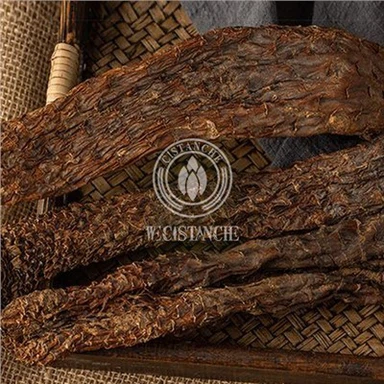
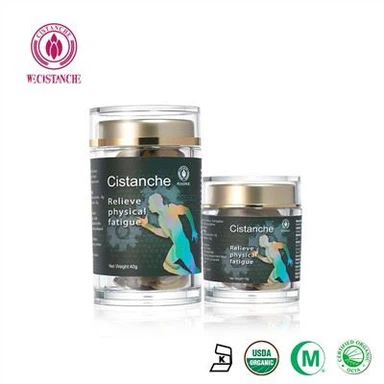
In the whitening research, we found that Cistanche also has a whitening effect
First of all, Cistanche is rich in polysaccharides and flavonoids. These compounds act as antioxidants and can help the body scavenge free radicals, slowing the aging of the skin and thus improving the complexion.
Secondly, Cistanche also contains a variety of amino acids, minerals, and vitamins, which are very beneficial to skin repair and regeneration. Cistanche can promote the metabolism of skin cells, enhance the self-repair ability of the skin, and restore the skin to a healthy color.
Finally, Cistanche also contains some organic acids and alkaline substances, and these ingredients also have a certain effect on the conditioning and metabolism of skin cuticles. These substances can effectively balance the pH value of the skin, improve the thickness of the stratum corneum, and make the skin more translucent and delicate.

1. Introduction
Amana edulis (A. edulis; Miq.) Honda, syn. Tulipa edulis (Miq.) Baker belongs to the Liliaceae family and is a folk medicinal plant used to treat cancer diseases [1,2]. However, there have been few phytochemical and biological studies of this species reported to date.
For example, 95% and 50% EtOH extracts could induce apoptosis in human gastric (SGC7901) [1] and hepatoma (BEL7404, HepG2, and Huh7) [2] carcinoma cells, respectively. The polysaccharides prepared from A. edulis have anti-oxidant properties, including DPPH, OH−, and ABTS+ scavenging activities [3–5]. In research of new agents from natural products for skin disorders, we found that the MeOH extracts of the bulbs of A. edulis show potential melanogenesis regulation that has not yet been researched. When exposed to the ultraviolet radiation of solar light or harmful chemicals and pathogenic factors, moderate melanogenesis can protect our skin from reactive oxygen species generation in keratinocytes and melanocytes [6]. Tyrosinase is an important enzyme in melanogenesis to produces more melanin for us to defend against the aforementioned hazardous conditions [7].
Therefore, the active components of A. edulis are worthy to be cleared for further medical applications. In this investigation, three new tulip sides H–J (1–3) and 11 known compounds (4–14) (Figure 1) were isolated from A. edulis and structurally identified by NMR, MS, and IR spectroscopic data, optical rotation, or Mosher ester reaction. Compound 9 could decrease melanin contents but be cytotoxic toward B16 melanoma cells. Compounds 4, 6, 10, and 12 had increased melanin production and tyrosinase activities. Overall, this work proved that A. edulis and its active components could be new agents for melanin-related diseases, such as melanoma and hypopigmentation (skin vitiligo or hair whitening).

2. Results and Discussion
2.1. Structure Elucidations of Isolates 1–3
The MeOH extract (TEM) of the bulbs of A. edulis was partitioned into EtOAc-soluble(TEE), n-BuOH-soluble (TEB), and HO-soluble (TEW) fractions separately. The fraction. the action of the TEE and TEB extracts afforded new isoprenoid glycosides 1-3 and known compounds 4-14 (Figure 1). Additionally, the major components of the TEW extract were carbohydrates.
The HRESIMS (high-resolution electrospray ionization mass spectrometry) of 1 showed an (M - H- ion at m/z 351.1652, indicating a molecular formula of CsH2gOg (calcd forC;5HoOg; 351.1655) and two degrees of unsaturation. The IR spectrum showed absorptions for hydroxyl (3376 cm-l) and carbonyl (1725 cm-l) functionalities. Fifteen carbon signals, including two methyls, five methylenes, seven methines, and one quaternary carbon, were observed in the one-dimensional (1D) NMR spectra of 1 (Table 1). The quaternary carbon was identified as a carbonyl carbon based on the chemical shift 6c 176.6. The 1D and HSOC (heteronuclear single quantum coherence) NMR spectra displayed one anomeric (0/8c: 4.27 (d, J = 8.0 Hz)/104.9), five oxymetholone (0h/8c: 3.21(t, J = 8.0 Hz)/75.1, 3.28 (overlap)/71.6, 3.28 (overlap)/78.0, 3.35 (t, J = 8.0 Hz)/77.9, and3.89 (td, I = 7.0, 2.5 Hz)/73.6), and three oxymethylene (6,/6c: 3.57 (dd, J = 10.5, 7.0 Hz)4.01 (dd, I = 10.5, 2.5 Hz)/73.1, 3.66 (dd, I = 12.0, 5.0 Hz), 3.85 (brd, I = 12.0 Hz)/62.7and 4.10 (2H, t, J = 7.5 Hz)/65.5) signals. The HMBC (heteronuclear multiple bond correlation) correlations (Figure 2) of compound 1 at the methine protons H-2 (8 2.67, quint with C-1 (6 176.6)/C-3 (6 73.6)/C-4 (6 73.1)/C-5 (6 13.9), H-3 (6 3.89, td) with C-1/C-2(6 44.6)/C-4/C-5, H-1' (6 4.27, d) with C-4, and the methyl protons H-5 (8 1.14, d) withC-1/C-2/C-3 suggested that the methyl and hydroxyl moieties were positioned at C-2 andC-3, respectively In addition, the methylene protons at H,-1" (8 4.10, t) and H-4 (6 3.57dd; 4.01, dd) exhibited 3 interactions with C-1 and C-1' (8 104.9), respectively, in the HMBCspectrum (Figure 2) that supported the assignments of the n-butyl group at C-1 and one beta-glucose (H-1', 8 4.27, d, J = 8.0 Hz) at C-4 8].
Figure 2 shows key COSY and HMBC correlations observed for 1. The relative configurations at C-2 and C-3 (3-hydroxy-2-methyl moiety) of 1 could be determined anti-form by the 3 JH2-H3 value of 7.0 Hz (anti-form: 7.0 Hz; syn-form: 4.0 Hz) [9]. To determine the absolute configuration, compound 1 was treated separately with (R)- and (S)-α-methoxy-α-(trifluoromethyl)-phenyl acetyl chloride [(R)- and (S)-MTPA-Cl] in the presence of pyridine-d5 to obtain the (S)- and (R)-MTPA esters (1a and 1b), respectively. The MTPA esters were generated successfully at C-3 and C-20/C-30/C-40 , as elucidated from the 1H NMR and 1H-1H COSY spectra (1a, H-3, δ 5.82, m; H-20 , δ 5.70, t, J = 9.5 Hz; H-30 , δ 4.39, t, J = 9.5 Hz; H-40 , δ 5.76, t, J = 9.5 Hz; 1b, H-3, δ 5.81, m; H-20 , δ 5.56, t, J = 9.5 Hz; H-30 , δ 4.12, t, J = 9.5 Hz; H-40 , δ 5.66, t, J = 9.5 Hz). The differences between the 1H NMR chemical shifts for 1a and 1b (∆ values shown in Figure 3) led to the assignments of S- and R-configurations at C-3 and C-2, respectively. Consequently, compound 1 was elucidated as butyl 4-β-D-glucopyranose-(S)-3-hydroxy-(R)-2-methyl butanoate and named tulip side H.


Compound 2, tulip side I, gave the molecular formula, C15H28O8, established by HRESIMS (m/z 359.1686 [M + Na]+, calcd for 359.1682). The 1D NMR spectra of 2 were also similar to those of 1, except the fact that the chemical shifts of the methylene signal δH 1.65 (sext, J = 7.0 Hz) and 1.96 (sext, J = 7.0 Hz)/δC 34.6 were identified instead of one methine at C-3 of 1 (Table 1). Based on the COSY and HMBC data (Figure 2), compound 2 was postulated to be composed of an isoprenoid, one glucose, and the n-butyl groups as well. The HMBC 3 J correlations of H2-1” (δ 4.04, 2H, t, J = 7.5 Hz/δC 65.4) with C-1 (δ 178.5) and H-10 (δ 4.19, d, J = 8.0 Hz/δC 104.4) with C-4 (δ 68.4) suggested that the n-butyl group and one β-glucose moiety [8] were connected at C-1 and C-4, respectively (Figure 2). Key HMBC and COSY correlations are shown in Figure 2. The R-configuration of H3-5 at C-2 of 2 was determined by acid hydrolysis of 2 to offer the corresponding tulipalin compound, 3-methyldihydrofuran-2(3H)-one (Figure S28) [8] with a positive optical rotation value ([α] 23 D +18.7, CH2Cl2) (R: [α] 25 D +14.7, CHCl3) [10]. The structure of compound 2 was identified as butyl 4-β-D-glucopyranose-(R)-2-methyl butanoate.
The molecular formula of 3 was deduced as C11H20O8 due to the appearance of a [M + Na]+ ion at m/z 303.1049 (calcd for 303.1050) in the HRESIMS. Eleven carbon signals, including one methyl (δ 17.6), three methylenes (δ 34.7, 62.8, and 68.6), six methines (δ 37.6, 71.6, 75.1, 77.9, 78.0, and 104.4), and one quaternary carbon (δ 180.6), were observed in the 1D NMR spectra of 3 (Table 1). The quaternary carbon was identified as a carbonyl carbon based on the carbon chemical shift at δ 180.6. Furthermore, compound 3 showed similar spectroscopic data to that of 2, except for the n-butyl signals. In the HMBC spectrum (Figure S15), the anomeric proton at δ 4.23 (d, J = 8.0 Hz) exhibited 3 J interaction with C-4 (δ 68.6) leading to the β-glucose located at C-4. Key HMBC and COSY connections are shown in Figure 2. Compound 3 was not isolated in a sufficient quantity to determine the absolute configuration at C-2. Finally, tulip side J (3), 4-β-D-glucopyranose-(R)-2-methyl butanoic acid, was identified because of the abovementioned structural elucidations of 1 and 2 in this study.
Compounds 1–3 are tulip sides, a kind of specialized product consisting of 4-hydroxy2-methylene butanoic acid (HMBA) and/or (3S)-3,4-dihydroxy-2-methylene butanoic acid (DHMBA) groups acylated at C-1 and/or C-6 positions of a β-D-glucose (Glc) mainly found in the genus Tulipa [8,11]. So far, tulip side analogs, including 1-tulip side A, 6-tulip side A, 1-tulip side B, 6-tulip side B, and tulip sides D–G, have been isolated from Tulipa [8,11]. However, the structure of tulip side C has not been reported and could be missing in previous literature [11]. Tulipalins, such as tulipalin A and (–)-tulipalin B, are the aglycone portions of tulip sides, which spontaneously lactones after releasing HMBA and/or DHMBA groups by tulip side-converting enzymes [8,11]. In this study, compounds 1–3 named tulip sides H–J belong to tulip sides, but their double bonds at C-2 were reduced and the β-D-glucose groups were attached to C-4 (oxymethylene), instead of C-1 (O-acyl functionality) in HMBA or DHMBA (Figure 1). Additionally, compound 10 (2S,3S) is tulipalin but could not be metabolized from 1 (2R,3S) due to the different configurations at C-2. The possible biosyntheses of tulip sides 1–3 are shown in Figure S29 [8,11].
In addition, 11 known compounds including three pyroglutamic acid analogs (4–6), three citric acid derivatives (7–9), two furanone (10–11), one furan (12), and two steroids (13–14) were isolated from A. edulis for the first time. Compounds 1–9 and 10– 14 were obtained from TEB and TEE crude fractions, respectively. They were identified as (+)-pyroglutamic acid (4) [12], (+)-methyl 5-oxo pyrrolidine-2-carboxylate (5) [12], (+)- butyl 5-oxo pyrrolidine-2-carboxylate (6) [12], 1-butyl citrate (7) [13], 1,10 -dibutyl 5-methyl citrate (8) [13], tributyl citrate (9) [13], (–)-3-hydroxy-2-methyl butyrolactone (10) [14–16], (–)- methyl 3-hydroxy-5-oxo tetrahydrofuran-3-carboxylate (11) [17], 5-(hydroxymethyl)furfural (12) [18], sitosterol (13) [19], and sitosterol-3-β-D-glucose (14) [20] from the spectroscopic data and compared with the literature.

2.2. Chemical Components Elucidation of TEW
The 1H and 13C NMR spectra of TEW, a water-soluble crude fraction from TEM extract, showed very similar to that of carbohydrates (Figures S16 and S17). Polysaccharides prepared from this species have been reported to possess rhamnose, xylose, arabinose, galactose, mannose, glucose, and fructose after monosaccharide analysis [3,8]. The NMR spectroscopic data and the TLC (thin-layer chromatography) retention factor of TEW compared with those of the sugar standards (Figures S18–S23) suggested D-glucose and D-fructose were the main components in TEW extracts.
2.3. Effects of Extracts and Isolates on Melanogenesis
The MeOH extract (TEM) of this species was separated into TEE, TEB, and TEW crude fractions, and the aforementioned four extracts were evaluated for cytotoxicity and melanogenesis effects in B16 melanoma cells at concentrations from 12.5 to 200 µg/mL (Figure S24). TEE showed obvious cytotoxicity toward B16 at 200 µg/mL and TEB as well as TEW had cytotoxic activities at concentrations from 12.5 to 200 µg/mL (Figure S24A-1, B-1, C-1, D-1). In the bioassay, α-melanocyte-stimulating hormone (α-MSH) was used to activate B16 cells to synthesize more melanin, and TEM could moderately stimulate melanogenesis (Figure S24A-2).
Most of all isolates (Figure 1), excluding 13 and 14, were further assayed for the regulation of melanogenesis effects at concentrations from 10 to 40 µM, with arbutin used as a positive control (Figure 4). As shown in Figure 4, compound 9 obviously and dose-dependently inhibited melanin production that resulted from cytotoxicity toward B16 cells with an IC50 (half maximal inhibitory concentration) value of 81.9 µM (Figure S25). Isolates 4, 6, 10, and 12 increased melanin contents dose-dependently up to the maximum percentages of 11.9%, 29.8%, 27.2%, and 17.6%, respectively, at 40 µM with no cellular toxicity. Tyrosinase plays a key role in the first two steps of melanogenesis [6]; therefore, the effects of compounds 4, 6, 10, and 12 on intracellular tyrosinase were further evaluated. α-MSH increased the tyrosinase activity up to 254.3–305.5% when compared with the control group (100%) (Figure 5 and Table S1).
Consequently, 4 (14.1–21.9%), 6 (15.8–21.9%), 10 (8.5–13.1%), and 12 (7.5–11.8%) moderately increased the activity of the enzyme, tyrosinase, in a dose-dependent manner at concentrations of 10 to 40 µM, while compared with the α-MSH group (Figure 5 and Table S1). A correlation graph between the cellular melanin contents and the effects on the tyrosinase of compounds 4, 6, 10, and 12 are shown in Figure S26. Furthermore, to confirm the melanogenesis-inducing effects of 4, 6, 10, and 12, each compound was added in B16 cells without co-treated α-MSH that was used as a positive control in this assay (Figure S27). Consequently, individuals 4, 6, 10, and 12 did not increase melanin production alone (Figure S27) similar to those shown in Figure 4. It was suggested the abovementioned four compounds could merely enhance the melanogenesis effects of α-MSH. Accordingly, additional signal pathways in melanogenesis, such as tyrosinase-related protein-1 (TRP-1), TRP-2, microphthalmia-associated transcription factor, melanocortin 1 receptor, cyclic adenosine monophosphate, protein kinase A, cAMPresponse element-binding protein, c-Jun N-terminal kinases, extracellular signal-regulated kinase, p38, and phosphoinositide 3-kinase/protein kinase B [7,21], should be further tested and confirmed for those active components.


3. Materials and Methods
3.1. General Experimental Procedures
NMR spectra were measured on a Bruker Avance Ill 500 MHz instrument (BrukerBillerica, America) for 1H and 125 MHz for 13C-NMR. Chemical shift (0) values were in ppm, and coupling constants () were in Hz with CD; OD, CDCl, and/or D, O were used as solvents. Optical rotations were obtained on a JASCO-P-2000 polarimeter (JASCO, TokyoJapan) (cell length 10 mm). IR spectra were recorded on a PerkinElmer Spectrum TwoFT-IR spectrometer (PerkinElmer, Waltham, MA, USA). Low- and high-resolution ESIMSelectrospray ionization mass spectrometry) were measured on a Bruker Daltonics EsquireHCT ultra high capacity trap mass spectrometer and an Orbitrap mass spectrometer (LIOOrbitrap XL, Thermo Fisher Scientific), respectively. TLC was performed on Kieselgel60 F254 (0.25 mm; Merck) and /or RP-18 F254S (0.25 mm; Merck), coated plates and then stained by spraying with 5% (o/u) sulfuric acid in a MeOH solution and heating on a hot plate. Silica gel (Silicycle: 70 230 and 230 400 mesh), RP-18 (LiChroprepe 4063 um: Merck. Sephadexn C20 CE episode 0 pe open w Bre applied foSupelcoTM, Bellefonte), and MCI CHP20P (SupelcoTcolumn chromatography. A Shimadzu LC-20AT pump and a Shimadzu RID-10A refractive index detector (Shimadzu Inc, Kyoto, Japan), along with a Cosmosil 5C18-MS-II (250 x10 mm i.d, 5 um) column at a flow rate of 2.0 mL/min, were used for HPLC. Sugar reagents including D-glucose (MP Biomedicals, LLC, Illkirch, France) and D-fructose (TCI, Tokyoapan) were used for water-soluble crude fraction (TEW) analysis.
3.2. Plant Material
Dry bulbs of A. edulis (formerly T. edulis) were purchased from a traditional Chinese medicine pharmacy in Taichung, Taiwan, in September 2018 and identified by the author Prof. Chang. A voucher specimen (TE201809) was deposited at the Chinese Medicine Research and Development Center, CMUH Taiwan.

3.3. Extraction and Isolation
The bulbs of A. edulis (5.0 kg) were extracted eight times with MeOH (8.0 L each) at room temperature to obtain a crude extract. The MeOH extract (TEM, 525.0 g) was partitioned three times between ethyl acetate (EtOAc) and H2O (1500:1500, v/v) to give an EtOAc-soluble fraction (TEE, 45.0 g) and an aqueous phase, which was further partitioned with n-BuOH/H2O (1500:1500, v/v × 3), and then separated into n-BuOH-soluble (TEB, 53.6 g) and H2O-soluble (TEW, 410.0 g) fractions.
TEE was subjected to open column chromatography on a silica gel (0.063–0.200 mm, column: 7 × 26 cm, diameter × length), using gradients of hexane–EtOAc–MeOH (30:1:0; 1:1:0; 0:0:1, v/v/v) and gave 14 subfractions (TEE1–TEE14). Precipitate 14 (249.0 mg; isolation yield: 0.00498%) obtained from subfraction TEE12 (2.2 g) was filtered and washed with MeOH. TEE9 (3.6 g) was fractionated into seven subfractions (TEE9-1 to 9-7) by silica gel (column: 5 × 24 cm; CH2Cl2–MeOH, 7:1; 1:1; 0:1, v/v), with subfraction TEE9-4 (1.1 g), and then subjected to Sephadex LH-20 column chromatography (column: 5 × 54 cm; CH2Cl2–MeOH, 1:1 to 0:1, v/v), to give seven subfractions (TEE9-4-1 to 9-4-7). TEE9- 4-5 and TEE9-4-6 were combined (total 551.7 mg) and repeatedly purified by RP-HPLC (MeOH–H2O, 45:55; 20:80, v/v) to give 12 (21.0 mg; tR = 13 min; isolation yield: 0.00042%) and a mother liquor (131.2 mg), which was further subjected to RP-HPLC (MeOH–H2O; 10:90, v/v) to give compounds 10 (35.5 mg; tR = 13 min; isolation yield: 0.00071%) and 11 (1.2 mg; tR = 15 min; isolation yield: 0.000024%). Fraction TEE6 (2.7 g) was isolated by Sephadex LH-20 (column: 2.5 × 45 cm; CH2Cl2–MeOH, 1:1; 0:1, v/v) to get 13 (6.8 mg; isolation yield: 0.000136%).
TEB was chromatographed over a Diaion HP-20 column (6 × 60 cm; H2O–MeOH– acetone, 100:0:0; 25:75:0; 50:50:0; 75:25:0; 0:100:0; 0:0:100, v/v/v) to give six subfractions (TEB1–TEB6). Subfraction TEB5 (502.0 mg) was purified by RP-HPLC (MeOH–H2O, 85:15, v/v) to obtain compounds 8 (9.3 mg; tR = 10 min; isolation yield: 0.000186%) and 9 (144.2 mg; tR = 15 min; isolation yield: 0.002884%). Fraction TEB3 (5.5 g) was subjected to RP-18 chromatography (column: 7 × 25 cm; MeOH–H2O, 1:1; 1:0, v/v), and subfraction TEB3-6 (1.0 g) was further isolated by Sephadex LH-20 (column: 5 × 54 cm; MeOH) to obtain seven subfractions (TEB3-6-1 to 3-6-7). TEB3-6-4 (377.1 mg) was separated by MCI gel chromatography (column: 2.5 × 23 cm; H2O–MeOH, 100:0; 80:20; 60:40; 40:60; 20:80; 0:100, v/v) to give seven subfractions (TEB3-6-4-1 to 3-6-4-7). TEB3-6-4-4 (38.1 mg) was purified by RP-HPLC (MeOH–H2O, 45:55 in 0.1% formic acid, v/v) to afford pure 1 (12.2 mg; tR = 17 min; isolation yield: 0.000244%). Additionally, TEB3-6-4-6 (31.0 mg) was conducted with RP-HPLC (MeOH–H2O, 40:60 in 0.1% formic acid, v/v) to yield 6 (7.1 mg; tR = 28 min; isolation yield: 0.000142%). TEB3-6-5 (410.7 mg) was isolated by MCI gel chromatography (column: 2.5 × 23 cm; H2O–MeOH, 100:0; 80:20; 60:40; 50:50; 40:60; 30:70; 20:80; 0:100, v/v) to give eight subfractions (TEB3-6-5-1 to 3-6-5-8). TEB3-6-5-3 (75.1 mg) was purified by MCI gel chromatography (column: 1 × 20 cm; H2O–MeOH, 80:20; 70:30; 0:100, v/v) to afford compounds 4 (59.3 mg; isolation yield: 0.001186%) and 5 (10.2 mg; isolation yield: 0.000204%). Subfraction TEB3-6-5-4 (97.0 mg) was purified by RP-HPLC (MeOH–H2O, 40:60 in 0.1% formic acid, v/v) to obtain 7 (46.4 mg; tR = 18 min; isolation yield: 0.000928%). TEB3-10 (925.4 mg) was chromatographed over an MCI gel chromatography (column: 2.5 × 28 cm; H2O–MeOH, 100:0; 80:20; 60:40; 50:50; 40:60; 30:70; 10:90; 0:100, v/v) to give eight subfractions (TEB3-10-1 to 3-10-8) and pure 2 (393.4 mg; isolation yield: 0.007868%). Compound 3 (6.3 mg; tR = 8 min; isolation yield: 0.000126%) was obtained from TEB3-10-2 (20.9 mg) by RP-HPLC purification (MeOH–H2O, 30:70 in 0.1% formic acid, v/v).
3.3.1. Tuliposide H (1)
[α] 23 D −23.1 (c 0.12, MeOH); IR (neat) νmax 3376 (OH), 2960, 2934, 2875 (CH), 1725 (C=O), 1640, 1589, 1459, 1382, 1259, 1167, 1075, 1041 (C–O–C), 926, 900, 632, 521 cm−1; 1H and 13C NMR spectroscopic data, see Table 1; HRESIMS m/z 351.1652 [M − H]− (calcd for C15H27O9, 351.1655).
3.3.2. Tuliposide I (2)
[α] 23 D −25.8 (c 0.2, MeOH); IR (neat) νmax 3404 (OH), 2961, 2934, 2876 (CH), 1729 (C=O), 1638, 1461, 1378, 1277, 1185, 1165, 1077, 1036 (C–O–C), 897, 736, 625, 517 cm−1; 1H and 13C NMR spectroscopic data, see Table 1; HRESIMS m/z 359.1686 [M + Na]+ (calcd for C15H28O8Na, 359.1682).
3.3.3. Tuliposide J (3)
[α] 23 D +9.0 (c 0.1, MeOH); IR (neat) νmax 3424 (OH), 2953, 2924, 2853 (CH), 1740 (C=O), 1632, 1441, 1401 (C–O–C), 1284, 1205, 1182, 1120, 1078, 1039, 893, 768, 721 cm−1; 1H and 13C NMR spectroscopic data, see Table 1; HRESIMS m/z 303.1049 [M + Na]+ (calcd for C11H20O8Na, 303.1050).

3.4. (R)- and (S)-MTPA Derivatives of 1
The preparation of the (S)-MTPA ester derivative of 1 was carried out by a convenient Mosher ester procedure [22,23]. Compound 1 (3.4 mg, 0.01 mmole) was transferred into a clean NMR tube and then dried completely under vacuum before being full of nitrogen. Furthermore, C5D5N (0.5 mL) and (R)-(−)-α-methoxy-α-(trifluoromethyl)-phenyl-acetyl chloride (MTPA chloride, 12.2 mg, 0.05 mmole) were added immediately into the sealed NMR tube that was further shaken carefully to mix the sample and MTPA chloride. The 1H NMR and 1H-1H COSY spectra of the mixture after reacting for 24 h at room temperature were recorded. The (R)-MTPA ester of 1 was also prepared similarly by the aforementioned process. Compound 1: 1H NMR (C5D5N, 500 MHz) δ 0.78 (H-400, t), 1.26 (H-300, sext), 1.28 (H3-5, d), 1.52 (H-200, quint), 3.08 (H-2, quint), 3.95 (H-50, m), 4.03 (H-4a, dd), 4.05 (H-20, overlap), 4.15 (H-100, t), 4.23 (H-30, overlap), 4.23 (H-40, overlap), 4.36 (H-60a, dd), 4.39 (H-3, overlap), 4.43 (H-4b, dd), 4.53 (H-60b, d), and 4.95 (H-10, d).
3.4.1. (S)-MTPA Ester of 1 (1a)
1H NMR (C5D5N, 500 MHz) δ 0.77 (H-400, t), 1.17 (H-300, sext), 1.21 (H3-5, d), 1.37 (H-200, quint), 3.18 (H-2, quint), 3.92 (H-100, t), 3.97 (H-4a, dd), 4.33 (H-50 , m), 4.39 (H-30 , t), 4.49 (H-4b, brd), 4.64 (H-60a, dd), 4.96 (H-10 , d), 5.05 (H-60b, d), 5.70 (H-20 , t), 5.76 (H-40 , t), and 5.82 (H-3, m).
3.4.2. (R)-MTPA Ester of 1 (1b)
1H NMR (C5D5N, 500 MHz) δ 0.79 (H-400, t), 1.26 (H-300, sext), 1.30 (H3-5, d), 1.50 (H-200, quint), 3.33 (H-2, quint), 3.60 (H-50 , m), 3.94 (H-4a, dd), 4.11 (H-100, t), 4.12 (H-30 , t), 4.13 (H-60a, dd), 4.50 (H-4b, brd), 4.70 (H-10 , d), 4.85 (H-60b, d), 5.56 (H-20 , t), 5.66 (H-40 , t), and 5.81 (H-3, m).
3.5. Acid Hydrolysis of Tuliposide I (2)
Isolate 2 (78.6 mg) was hydrolyzed in 1 M HCl (1.5 mL) at 100 ◦C for 2 h [8]. After cooling, the reaction mixture was extracted with CH2Cl2 (2.0 mL × 3) to offer tulipalin analog, 3-methyldihydrofuran-2(3H)-one (11.1 mg). [α] 23 D +18.7 (c 1.1, CH2Cl2); 1H NMR (CDCl3, 400 MHz) δ 1.30 (3H, d, J = 7.0 Hz), 1.94 (m), 2.45 (m), 2.61 (m), 4.20 (ddd, J = 8.8, 6.8, 6.4 Hz), 4.33 (ddd, J = 8.8, 8.8, 2.8 Hz). 13C NMR (CDCl3, 100 MHz) δ 15.2, 30.7, 34.1, 66.2, 180.1 (Figure S28); ESIMS m/z 101.06 [M + H]+.
3.6. Cell Culture
The murine B16 melanoma cells were cultured in Dulbecco’s Modified Eagle Medium (DMEM; GIBCO Invitrogen corporation, New York, NY, USA) supplemented with 10% fetal bovine serum, 100 U/mL of penicillin, and 100 µg/mL of streptomycin at 37 ◦C in a 5% CO2 incubator.
3.7. Measurement of B16 Cell Viability
The cytotoxicity of B16 cells for the test compounds was measured by MTT with a previously described protocol with slight modifications [6]. The cells were seeded in 96-well plates (1 × 10³ cells/well) and cultured for 24 h before being treated with compounds for another 72 h. After that, the medium was removed, 100 µL of MTT reagent (Thermo Scientific, Waltham, MA, USA) (at the final concentration of 0.5 mg/mL) was added to each well and then incubated at 37 ◦C for 1 h. The formazan crystal was dissolved in 100 µL DMSO, and the optical density was measured by using a microplate reader (SPECTORstar® Nano, BMG LABTECH, Ortenberg, Germany) at 570 nm.
3.8. Measurement of Melanin Content in B16 Cells
The melanin content in B16 cells was assayed according to a previously described method with slight modifications [6]. The cells were seeded at a density of 5 × 10³ cells/well in 24-well plates for 24 h. The medium was replaced by a 500 µL fresh culture medium containing 0.5 µM α-MSH with or without compounds for 72 h. Arbutin (1 mM) was used as the positive control. After that, the medium was removed and washed with PBS (pH 6.8) twice. The cells were harvested by NaOH (200 µL, 2 N) and then heated at 85 ◦C for 30 min. After cooling to room temperature and being centrifuged, the absorbance was measured at 405 nm using a microplate reader.
3.9. Intracellular Tyrosinase Activity
Intracellular tyrosinase activity assay was performed by a slightly modified method, which was reported previously [6]. The cells were seeded in 24-well plates at a density of 5 × 10³ cells/well for 24 h. The cells were treated in DMEM containing 0.5 µM α-MSH with or without compounds for 72 h. After removing the medium, the cells were washed with cold PBS (pH 6.8) twice. The cells were lysed with 100 µL lysis buffer (1% triton X-100 in PBS) and frozen at −80 ◦C for 15 min.
Then, the cell lysates were centrifuged at 13,200× g at 4 ◦C for 30 min to obtain the supernatant. The total protein content of the supernatant was quantified by BCA protein assay. Next, each quantified lysate (30 µg/90 µL) was mixed with 10 µL of L-DOPA (15 mM) in a 96-well plate and then incubated at 37 ◦C for 1 h, and the absorbance was measured at 405 nm using a microplate reader.
4. Conclusions
Overall, 14 pure compounds, including three new isoprenoid glycosides, and tulip sides H–J (1–3), were isolated from A. edulis. Citric acid derivative 9, tributyl citrate, had significantly anti-melanogenesis activity but showed cytotoxicity toward B16 melanoma cells that could be further researched for anti-melanoma drugs. While pyroglutamic acid analogs 4 and 6, furanone 10, and furan 12 had dose-dependently increased melanin contents and activated tyrosinase that could be further studied for vitiligo skin disease or anti-whitening and anti-hypopigmentation agents for hair. However, in vitro mechanisms and/or in vivo studies are needed to be investigated in more detail to verify the efficacy of the active components.
Supplementary Materials:
The following are available online, Figures S1–S5: NMR spectral data of compound 1, Figures S6–S10: NMR spectral data of compound 2, Figures S11–S15: NMR spectral data of compound 3, Figures S16–S22: NMR spectral data of TEW, Figure S23: TLC analysis of TEW, Figure S24: Cytotoxicity and the regulation of melanogenesis effects of TEM, TEE, TEB, and TEW, Figure S25: Cytotoxicity data of compounds 1–12, Figure S26: A correlation graph between the cellular melanin contents and the effects on tyrosinase of compounds 4, 6, 10, and 12, Figure S27: Melanogenesis effects of compounds 4, 6, 10, and 12 alone without α-MSH, Figure S28: NMR spectral and optical rotation data of the product obtained from acid hydrolysis of compound 2, Figure S29: Possible biosynthesis of compounds 1−3, Table S1: Tyrosinase activity effects of compounds 4, 6, 10, and 12.
Author Contributions:
Conceptualization, C.-L.L.; plant material identification, Y.-S.C.; conduct of isolation and purification, C.-L.L. and Z.-A.G.; conduct of the bioassays, Y.-L.J.; all spectral analysis and structure determination, C.-L.L. and C.-J.C.; writing of the original draft preparation, C.-L.L. All authors have read and agreed to the published version of the manuscript.
Funding:
This research was funded by the Ministry of Science and Technology (MOST 108-2320-B039-035-) and China Medical University (CMU108-MF-84), Taiwan. The APC was funded by the “Chinese Medicine Research Center, China Medical University” from The Featured Areas Research Center Program within the framework of the Higher Education Sprout Project by the Ministry of Education (MOE) in Taiwan (CMRC-CHM-1).
Institutional Review Board Statement:
Not applicable.
Informed Consent Statement:
Not applicable.
Data Availability Statement:
Not applicable.
Acknowledgments:
This work was financially supported by the Ministry of Science and Technology (MOST 108-2320-B-039-035-) and China Medical University (CMU108-MF-84), Taiwan, as well as the “Chinese Medicine Research Center, China Medical University” from The Featured Areas Research Center Program within the framework of the Higher Education Sprout Project by the Ministry of Education (MOE) in Taiwan (CMRC-CHM-1) awarded to C.-L.L.
Conflicts of Interest:
The authors declare no conflict of interest.
Sample Availability:
Samples of compounds 1–14 are available from the authors.

References
1. Lin, R.; Li, Z.; Lin, J.; Ye, J.; Cai, Q.; Chen, L.; Peng, J. Ethanolic extract of Tulipa edulis Bak induces apoptosis in SGC-7901 human gastric carcinoma cells via the mitochondrial signaling pathway. Oncol. Lett. 2015, 10, 2371–2377. [CrossRef] [PubMed]
2. Fan, Y.; Hou, X.; Guo, P.; Lv, X.; Zhao, L.; Wang, H.; Zhou, L.; Feng, Y. Extraction of Amana edulis induces liver cancer apoptosis. Evid.-Based Complement. Altern. Med. 2018, 2018, 3927075. [CrossRef] [PubMed]
3. Ji, Y.H.; Liao, A.M.; Huang, J.H.; Thakur, K.; Li, X.L.; Wei, Z.J. Physicochemical and antioxidant potential of polysaccharides sequentially extracted from Amana edulis. Int. J. Biol. Macromol. 2019, 131, 453–460. [CrossRef]
4. Ji, Y.H.; Liao, A.M.; Huang, J.H.; Thakur, K.; Li, X.L.; Wei, Z.J. The rheological properties and emulsifying behavior of polysaccharides sequentially extracted from Amana edulis. Int. J. Biol. Macromol. 2019, 137, 160–168. [CrossRef]
5. Cao, Y.Y.; Ji, Y.H.; Liao, A.M.; Huang, J.H.; Thakur, K.; Li, X.L.; Hu, F.; Zhang, J.G.; Wei, Z.J. Effects of sulfated, phosphorylated and carboxymethylated modifications on the antioxidant activities in-vitro of polysaccharides sequentially extracted from Amana edulis. Int. J. Biol. Macromol. 2020, 146, 887–896. [CrossRef]
6. Lai, K.Y.; Hu, H.C.; Chiang, H.M.; Liu, Y.J.; Yang, J.C.; Lin, Y.A.; Chen, C.J.; Chang, Y.S.; Lee, C.L. New diterpenes leojaponins G−L from Leonurus japonicus. Fitoterapia 2018, 130, 125−133. [CrossRef]
7. Ullah, S.; Chung, Y.C.; Hyun, C.G. Induction of melanogenesis by fosfomycin in B16F10 cells through upregulating P-JNK and P-p38 signaling pathways. Antibiotics 2020, 9, 172. [CrossRef] [PubMed]
8. Christensen, L.P.; Kristiansen, K. Isolation and quantification of tulip sides and tulipalins in tulips (Tulipa) by high-performance liquid chromatography. Contact Dermat. 1999, 40, 300−309. [CrossRef]
9. Tripathi, A.; Puddick, J.; Prinsep, M.R.; Lee, P.P.F.; Tan, L.T. Hantupeptins B and C, cytotoxic cyclodepsipeptides from the marine cyanobacterium Lyngbya majuscula. Phytochemistry 2010, 71, 307−311. [CrossRef]
10. Qabaja, G.; Wilent, J.E.; Benavides, A.R.; Bullard, G.E.; Petersen, K.S. Facile synthesis of versatile enantioenriched α-substituted hydroxy esters through a Brønsted acid catalyzed kinetic resolution. Org. Lett. 2013, 15, 1266−1269. [CrossRef]
11. Nomura, T.; Kato, Y. Identification of tuliposide G, a novel glucoside ester-type tuliposide, and its distribution in tulip. Z. Naturforsch. C. J. Biosci. 2020, 75, 75−86. [CrossRef]
12. Gang, F.L.; Zhu, F.; Li, X.T.; Wei, J.L.; Wu, W.J.; Zhang, J.W. Synthesis and bioactivities evaluation of L-pyroglutamic acid analogs from natural product lead. Bioorg. Med. Chem. 2018, 26, 4644–4649. [CrossRef]
13. Vereshchagin, A.L.; Anikina, E.V.; Syrchina, A.I.; Lapin, M.F.; Azin, L.A.; Semenov, A.A. Chemical investigation of the bitter substances of the fruit of Lonicera caerulea. Chem. Nat. Compd. 1989, 25, 289−292. [CrossRef]
14. Jaime, C.; Ortuño, R.M.; Font, J. Di- and trisubstituted γ-lactones. A conformational study by molecular mechanics calculations and coupling constant analysis. J. Org. Chem. 1986, 51, 3946−3951. [CrossRef]
15. Larchevêque, M.; Henrot, S. Enantiomerically pure β,γ-epoxyesters from β-hydroxylactones: Synthesis of β-hydroxyesters and (−)-GABOB. Tetrahedron 1990, 46, 4277−4282. [CrossRef]
16. Jaime, C.; Segura, C.; Dinarés, I.; Font, J. Substituted γ-lactones with vicinal hydrogen atoms. Conformation study by MM2 calculations and coupling constant analysis. J. Org. Chem. 1993, 58, 154−158. [CrossRef]
17. Mori, K.; Fukamatsu, K. A synthesis of (1R,5S)-(+)-frontalin from (S)-(−)-2-hydroxyparaconic acid. Liebigs Ann. Chem. 1992, 11, 1191−1193.
18. Miyazawa, M.; Anzai, J.; Fujioka, J.; Ishikawa, Y. Insecticidal compounds against Drosophila melanogaster from Cornus officinalis Sieb. et Zucc. Nat. Prod. Res. 2003, 17, 337−339. [CrossRef] [PubMed]
19. Lee, C.L.; Wang, C.M.; Hu, H.C.; Yen, H.R.; Song, Y.C.; Yu, S.J.; Chen, C.J.; Li, W.C.; Wu, Y.C. Indole alkaloids indigo-doles A–C from aerial parts of Strobilanthes cuisine in the traditional Chinese medicine Qing Dai have anti-IL-17 properties. Phytochemistry 2019, 162, 39−46. [CrossRef] [PubMed]
20. Faizi, S.; Ali, M.; Saleem, R.; Irfanullah; Bibi, S. Complete 1H- and 13C-NMR assignments of stigma-5-en-3-O-β-glucoside and its acetyl derivative. Magn. Reson. Chem. 2001, 39, 399–405. [CrossRef]
21. Kuo, Y.H.; Chen, C.C.; Wu, P.Y.; Wu, C.S.; Sung, P.J.; Lin, C.Y.; Chiang, H.M. N-(4-methoxyphenyl) caffeamide-induced melanogenesis inhibition mechanisms. BMC Complement. Altern. Med. 2017, 17, 71. [CrossRef] [PubMed]
22. Ohtani, I.; Kusumi, T.; Kashman, Y.; Kakisawa, H. High-field FT NMR application of Mosher’s method. The absolute configurations of marine terpenoids. J. Am. Chem. Soc. 1991, 113, 4092−4096. [CrossRef]
23. Lee, C.L.; Chang, F.R.; Hsieh, P.W.; Chiang, M.Y.; Wu, C.C.; Huang, Z.Y.; Lan, Y.H.; Chen, M.; Lee, K.H.; Yen, H.F.; et al. Cytotoxic ent-abietane diterpenes from Gelonium aequoreum. Phytochemistry 2008, 69, 276−287. [CrossRef] [PubMed]
1 Department of Cosmeceutics, China Medical University, Taichung 406040, Taiwan.
2 Chinese Medicine Research and Development Center, China Medical University Hospital, Taichung 40402, Taiwan.
3 Chinese Medicine Research Center, China Medical University, Taichung 40402, Taiwan.
4 Department of Chinese Pharmaceutical Sciences and Chinese Medicine Resources, China Medical University, Taichung 40402, Taiwan.
5 Graduate Institute of Integrated Medicine, China Medical University, Taichung 40402, Taiwan.
6 Proteomics Core Laboratory, Department of Medical Research, China Medical University Hospital, Taichung 40402, Taiwan.
For more information:1950477648nn@gmail.com