Understanding Fatigue With Kidney Disease A Kidney Patient’s Journey With Post-Transplant Fatigue
Apr 17, 2023
While the gift of a kidney transplant has had such a positive impact on my life, I struggle with chronic fatigue. Soon after I was diagnosed with CKD, it was discovered I had sleep apnea. I underwent a sleep study, and the pulmonologist was shocked by the findings. I was a young man with a slender build, and the pulmonologist said that I did not look like the average person with sleep apnea, so he was surprised to find my sleep apnea was so severe. A Bilevel positive airway pressure (BiPAP) was prescribed with a high setting of 20/25 and it worked well, and soon I was back to my normal self.
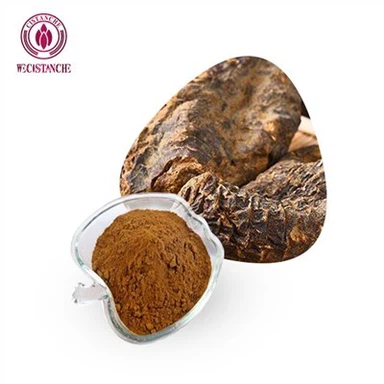
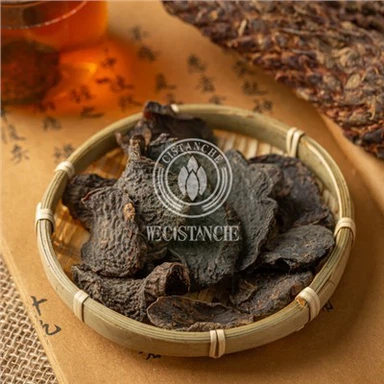
In recent years, research into the use of stem cells and a Chinese herbal remedy for the treatment of kidney diseases has gained great attention. The main mechanism of the two therapies is to promote the repair of injured renal tissues and protect the remaining renal functions. The Chinese herbal remedy,cistanche, has been used in traditional Chinese medicine to treat various chronic kidney diseases since ancient times. It is reported that cistanche has the potential to reduce inflammation, reduce kidney fibrosis, and promote the synthesis of extracellular matrix components. It has been revealed that these effects are due to its bioactive components, including many phenolic substances, triterpenoids, and coumarins. On the other hand, stem cell technology has caused a revolution in medical practice. Research has demonstrated that stem cells can differentiate into various types of renal cells and perform therapeutic activities, including protecting the remaining functional renal tissues, slowing down tissue fibrosis, and repairing damaged renal tissues.
Click on How Does Cistanche Work
For more info:
david.deng@wecistanche.com WhatApp:86 13632399501
Ultimately, the combination of traditional Chinese medicine with modern science could be the key to treating various kidney diseases. This strategy has gradually been accepted by the medical community and studies have already shown that the combined therapy of cistanche and stem cell treatment may considerably reduce the mortality rate of kidney diseases.
In conclusion, the use of cistanche and stem cell treatment in the treatment of kidney diseases shows great potential and requires further research. The combined therapy of the two treatments could provide an improved treatment option for those facing kidney diseases.

After my kidneys failed, I had sleep issues and fatigue, as many dialysis patients do. I suffered from washout after treatments and had to learn how to mitigate these issues by changing my diet, reducing fluid intake, and exercising. It didn’t always go well, but I managed.
After my kidney transplant, I felt amazing. My energy level was back, and I had all the benefits and freedom a kidney transplant offers. After a few years though, I began to feel fatigued at various times of the day. It hit me hardest in the late afternoon, but once again I managed. Over the years, however, it worsened and has impacted my ability to be productive and fully enjoy some of the things I like to do.

When the fatigue started to become more noticeable, I had a sleep study scheduled, assuming something had changed. My results were fine and showed the BiPAP was working well for me. We also checked my oxygen level; I had used oxygen at night previously, which had helped. My oxygen level was in the high range, and the doctors found I didn’t need a concentrator during sleep. My nephrologist and cardiologist reviewed my lab results and medications and found nothing that stood out.
I have tried taking short naps that last 15–30 minutes, which I have not found to be helpful. Longer naps, in the 2–3 hours range, have been more helpful, but they affect the amount of time during the day I have to live my life. I can have a sound night’s sleep and still find myself needing to lie down within 4–5 hours after I wake. If I try to push through the day, I often feel ill, even nauseous at times, with the only relief being a long nap. The fatigue affects me more negatively than any other medical issues I currently have. During the day, I feel wiped out. I use caffeine, both coffee, and tea, but still struggle.
The article published in this issue of CJASN, “Airflflow Limitation, Fatigue, and Health-Related Quality of Life in Kidney Transplant Recipients,” states that “Many kidney transplant recipients suffer from fatigue and poor health-related quality of life [HRQoL]. Airflflow limitation may be an underappreciated comorbidity among kidney transplant recipients” (1). This may be the key to understanding my condition. The article explains that “The health status and reported HRQoL of kidney transplant recipients after successful transplantation depends largely on individual patient characteristics and comorbidities, rather than graft function alone. Consequently, underlying comorbidities are increasingly recognized as key targets for reducing fatigue and increasing HRQoL among kidney transplant recipients. We propose that airflow limitation is an important, hitherto overlooked, comorbidity after kidney transplantation” (1). As a type 1 diabetic, having heart disease and vascular issues makes me a prime candidate for airflow limitation.

I remain hopeful after reading in the discussion section of the paper that “FEV1 can be improved by high-intensity aerobic exercise training and the use of bronchodilator medication” (1). I will bring this to the attention of my care team to see if we can reduce my fatigue and therefore improve my quality of life.
Disclosures
D. Forfang serves as the co-chair of the Kidney Patient Advisory Council for The National Forum of ESRD Networks. He also serves as the Chair of the NKF Public Policy Committee and their Kidney Advocate Committee.
Funding
None.
Acknowledgments
The content of this article reflects the personal experience and views of the author(s) and should not be considered medical advice or recommendation. The content does not reflect the views or opinions of the American Society of Nephrology (ASN) or CJASN. Responsibility for the information and views expressed herein lies entirely with the author(s).
References
1. Knobbe TJ, Kremer D, Eisenga MF, van Londen M, Gomes-Neto AW, Douwes RM, Gan CT, Corpeleijn E, Annema C, Navis G, Berger SP, Bakker SJL; TransplantLines Investigators: Airflflow limitation, fatigue, and health-related quality of life in kidney transplant recipients. Clin J Am Soc Nephrol 16: 1686–1694, 2021 Published online ahead of print.
See the related article, “Airflow Limitation, Fatigue, and Health-Related Quality of Life in Kidney Transplant Recipients,” on pages 1686–1694.
For more info: david.deng@wecistanche.com WhatApp:86 13632399501