Kidney Yang Deficiency Vs Kidney Yin Deficiency: Distinguishing Whether Cistanche Tubulosa Should Be Eaten Or Not in One Article
Apr 15, 2026
In traditional Chinese medicine for health preservation, "kidney deficiency" is a high-frequency term, but many people only know about kidney deficiency and cannot distinguish whether they are kidney yang deficiency or kidney yin deficiency - the former requires warming yang and dispelling cold, while the latter requires nourishing yin and reducing fire. The direction of medication and regulation is completely different. And with the reputation of "desert ginseng", Cistanche tubulosa, as a classic kidney tonifying ingredient, is not suitable for everyone. Only by finding the right physique can it exert its health benefits and avoid becoming increasingly deficient with supplementation. Today, let's delve into the core differences between kidney yang deficiency and kidney yin deficiency, as well as which type of people are suitable for consuming Cistanche tubulosa.
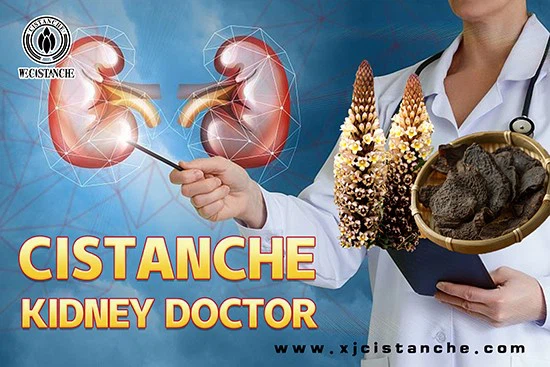
Effects of cistanche-improve kidney function
First understand: Kidney Yang Deficiency vs Kidney Yin Deficiency, symptoms can be distinguished at a glance
Traditional Chinese Medicine believes that the kidney is the "foundation of innate nature", responsible for storing essence, regulating water, and regulating qi. Kidney deficiency is mainly divided into two types: kidney yang deficiency and kidney yin deficiency. The symptoms of the two are very different, especially in the manifestations of "cold and heat" and "body fluid", which can be compared and self-examined.
Kidney Yang Deficiency: Obvious cold symptoms and insufficient Yang Qi
Kidney yang deficiency is essentially a lack of "yang qi" in the kidneys, like the "small furnace" in the body not burning well, unable to warm the organs and promote the circulation of qi and blood. It is often caused by congenital deficiencies, postnatal fatigue, exposure to cold, long-term consumption of cold foods, and other factors.
Core typical symptoms:
• Fear of cold and coldness: This is the most core manifestation, with cold hands and feet, a preference for warmth and coldness, especially in winter. Even the waist and abdomen may feel cold, and the limbs may not be warm. No matter how much you wear, it is difficult to warm up.
• Lower back and knees soreness/cold pain: The lower back and knees correspond to the kidneys, and insufficient yang energy can lead to soreness and weakness in the lower back and knees, which may also be accompanied by cold pain. Prolonged sitting and fatigue can worsen the condition.
Poor mental state: insufficient yang energy, lack of "power" in the body, easy to feel tired and weak, mentally lethargic, always wanting to sleep, and lack of concentration.
• Reproductive system issues: Men may experience erectile dysfunction, premature ejaculation, and decreased libido; Women may experience uterine coldness, dysmenorrhea, reduced menstrual flow, dark menstrual blood with blood clots, and even infertility.
• Other accompanying symptoms: loose stools, unformed stool, and easy diarrhea. Nocturia is frequent, with clear and long urine and a lighter color. Pale or dark complexion, pale and chubby tongue with bite marks, and white and greasy tongue coating.

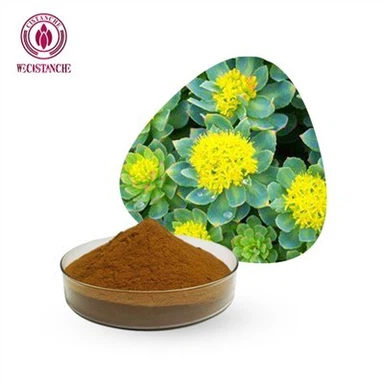
Desert ginseng-Improve immunity
Kidney yin deficiency: obvious heat symptoms, insufficient body fluid
Kidney yin deficiency is essentially a lack of "yin fluid" in the kidneys, like the "reservoir" in the body drying up, unable to nourish the organs and restrict yang qi. It is often caused by factors such as long-term staying up late, overwork, prolonged illness that damages yin fluid, and frequent sexual intercourse.
Core typical symptoms:
• Hot flashes and night sweats: Even if it's not hot during the day, there will be inexplicable fever, with waves of dryness and heat; Sweating during sleep at night and stopping after waking up is the most typical manifestation of kidney yin deficiency.
• Lower back and knee soreness: Unlike the "cold pain" caused by kidney yang deficiency, kidney yin deficiency is mostly characterized by "soreness", accompanied by dry mouth, throat, hands, feet, and heart, especially in the afternoon or evening;
• Mental restlessness: Insufficient Yin fluid, relatively excessive Yang energy, easy to get upset and irritable, suffer from insomnia and frequent dreams, and even experience dizziness, tinnitus, and decreased memory;
• Reproductive system issues: Men may experience nocturnal emissions, premature ejaculation, soreness and weakness of the waist and knees, accompanied by hot flashes; Women may experience symptoms such as reduced menstrual flow, reddened menstrual blood, amenorrhea, or premature menopause.
• Other accompanying symptoms: dry stools, difficulty in defecation; Short yellow urine with low volume; Blush complexion, red tongue with little or no coating, and dry tongue.

Desert living cistanche-improve kidney function
What kind of people are suitable to eat Cistanche tubulosa?
The medicinal properties of Cistanche tubulosa are recorded in the "Shennong Bencao Jing" as "sweet, salty, and warm in taste. It is mainly used to nourish the middle, relieve cold, heat, and pain in the stem, nourish the five organs, strengthen yin, and nourish essence and qi". Its core characteristics are warm but not hot, firm but not firm, and nourishing but not greasy. It belongs to the Kidney Meridian and the Large Intestine Meridian, and its core function is to nourish kidney yang, nourish essence and blood, moisten the intestines, and promote bowel movements.
From the medicinal properties and efficacy, it is clear that Cistanche tubulosa is more suitable for people with kidney yang deficiency, but not suitable for people with kidney yin deficiency, and may even worsen symptoms.
Suitable population for Cistanche tubulosa (mainly due to kidney yang deficiency)
Combining the benefits of Cistanche tubulosa, the following groups of people can maximize its health benefits after consumption, especially suitable for long-term conditioning:

cistanche tubulosa benefits and side effects
1. Clarify the population with kidney yang deficiency: For those who meet the typical symptoms of kidney yang deficiency mentioned above, such as cold hands and feet, fear of cold, pain in the waist and knees, frequent nocturia, and mental fatigue, consuming Cistanche tubulosa can directly supplement kidney yang and relieve discomfort.
2. Middle-aged and elderly people: With age, the body's yang energy will naturally decline, and many middle-aged and elderly people may experience problems such as soreness and weakness in the waist and knees, chills, and constipation. Cistanche tubulosa is warm in yang but not dry, and can gently nourish the kidneys and moisturize the intestines. It is suitable for long-term consumption in small amounts.
3. Sedentary office workers and manual laborers: Long-term sitting and excessive fatigue can damage kidney yang, leading to lower back pain, fatigue, and poor mental state. Cistanche tubulosa can nourish kidney yang, benefit essence and blood, and help restore physical strength.
4. People with kidney yang deficiency and constipation: Cistanche not only tonifies kidney yang, but also moistens the intestines and promotes bowel movements, especially suitable for "cold secrets" caused by kidney yang deficiency (loose stools, weak bowel movements, or constipation accompanied by chills). It can not only tonify the kidneys, but also improve bowel movements without harming the righteous qi.
5. Female population with uterine coldness: Female uterine coldness is often caused by kidney yang deficiency, manifested as cold hands and feet, dysmenorrhea, and blood clots in menstrual blood. Moderate consumption of Cistanche tubulosa can warm and tonify kidney yang, dispel cold, and warm the uterus. It is more effective when combined with Angelica sinensis and red dates.
People who are not suitable for Cistanche tubulosa
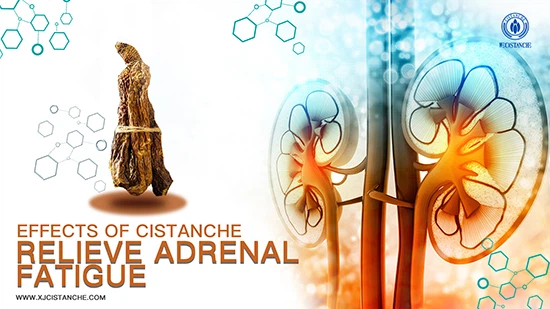
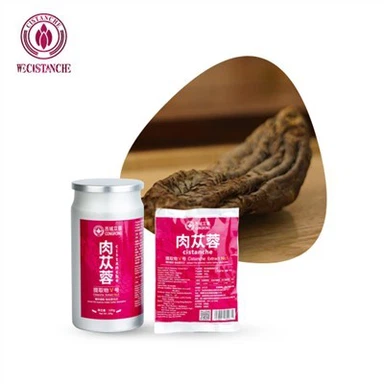
Effects of Cistanche: Improve kidney function
Click here to view Cistanche for Kidney disease products
【Ask for more】 Email:cindy.xue@wecistanche.com / WhatsApp: 0086 18599088692 / Wechat: 18599088692
The most important thing to note is that people with kidney yin deficiency should never eat Cistanche tubulosa. Because Cistanche tubulosa is a warm food ingredient, kidney yin deficiency itself has "internal heat". Consuming warm Cistanche tubulosa can be like "adding oil to the fire", exacerbating symptoms such as hot flashes, night sweats, dry mouth and throat, irritability, and insomnia, and even leading to increased internal heat and constipation.
In addition, the following groups of people should also avoid or consume with caution:
People with damp heat constitution: manifested as bitter and bad breath, yellow and greasy tongue coating, sticky stool, and a heavy body. Eating Cistanche tubulosa may exacerbate damp heat.
• People with colds and fever: During a cold, the body is in a state of "struggle between good and evil". Eating nourishing Cistanche tubulosa at this time can affect the recovery from the cold and even worsen the condition.
Minors: Minors' bodies are still in the developmental stage, with sufficient kidney yang and kidney essence, and do not require additional nourishment. Consuming Cistanche tubulosa may affect normal development.
Pregnant and lactating women should consume under the guidance of a doctor and avoid self-consumption to avoid affecting their own and fetal/infant health.

Chinese herb cistanche
How to eat Cistanche tubulosa more gently for people with kidney yang deficiency?
Even for people with kidney yang deficiency, it is important to pay attention to the method of consuming Cistanche tubulosa to avoid excessive consumption that may cause internal heat. Several gentle ways of consumption are recommended, which beginners can easily operate:
1. Soak in water for drinking: Take 3-5 grams of Cistanche tubulosa slices and brew them with boiling water repeatedly until the taste fades. Then, eat the Cistanche tubulosa slices once a day. Suitable for office workers and lazy people, gentle and non-irritating.
2. Soup making: When stewing lamb and pork ribs, add 5-10 grams of Cistanche tubulosa slices, paired with ginger slices and red dates, which can neutralize the greasiness of the meat and enhance the warming and kidney tonifying effects, suitable for nourishing in autumn and winter.
3. Cooking Congee: When rice or millet is used to cook Congee, 3-5 grams of Cistanche tubulosa powder are added, stirred evenly, and cooked until the Congee is cooked. It is suitable for breakfast. It is mild, kidney nourishing, and easy to digest.
Attention: Although Cistanche tubulosa is good, it should not be consumed in excess. Generally, the daily dosage should not exceed 10 grams. Long-term consumption is recommended to stop 1-2 days a week to avoid excessive nourishment.