Using Polyethylene Glycol 3350 Plus Electrolytes in Constipated Hemodialysis Patients: A Case Series Ⅰ
Sep 28, 2023
Abstract:
Appropriate management of constipation in hemodialysis patients has not been established, although constipation is the most frequent gastrointestinal complication in dialysis patients. We herein report the efficacy and safety of polyethylene glycol in constipated hemodialysis patients assessed prospectively.

Seven patients
using stimulant laxatives participated in this study. Polyethylene glycol was administered to reduce stimulant
laxatives during the six-week intervention period. The amount of stimulant laxatives decreased and spontaneous bowel movements with ideal stool consistency increased significantly after the intervention. No serious
adverse effects were observed throughout this study. In conclusion, polyethylene glycol can be a useful tool
for managing constipated hemodialysis patients.
Gastrointestinal complications, such as constipation, indigestion, abdominal pain, and reflux, are prevalent symptoms in patients undergoing hemodialysis (1). Among them, constipation is the most frequent symptom in dialysis patients. It was reported to be more common in hemodialysis patients than in peritoneal dialysis patients (1-3).
The World Gastroenterology Organisation and the American Gastroenterological Association advocate guidelines for the medical management of constipation in the general population (4, 5). In these guidelines, the first recommendation is a change of lifestyle (i.e. fluid intake, physical activity, and fiber supplementation). The next step for the treatment of chronic constipation is adding osmotic laxatives [i.e., polyethylene glycol (PEG), lactulose, magnesium].

Stimulant laxatives are recommended to be taken as rescue agents. Although there is little evidence regarding the efficacy and safety of long-term use of stimulant laxatives (6-8), Japanese constipation guidelines denote that long-term continuous use of stimulant laxatives may cause physical tolerance and psychological dependence.
Therefore, clinical practice guidelines for chronic constipation in Japan recommend only short-term or rescue use of stimulant laxatives. Most hemodialysis patients with severe constipation need medical treatment, as modification of their lifestyle, such as intake of fluid and dietary fiber, is difficult in terms of the risk of excessive fluid accumulation and hyperpotassemia.
However, there are no reports on medications for constipated hemodialysis patients in PubMed references although Mimidis et al. reported the usefulness of PEG for constipated peritoneal dialysis patients (9). We speculate that many constipated hemodialysis patients in our country depend on long-term continuous use of stimulant laxatives.

The present study assessed the efficacy and safety of polyethylene glycol 3350 plus electrolytes (PEG3350+E, MOVICOL, EA Pharma, Tokyo, Japan) in constipated hemodialysis patients. We also focused on breaking away from the dependence on long-term continuous use of stimulant laxatives, which increased spontaneous bowel movements (SBMs).
Natural Herbal Medicine For Relieving Constipation-Cistanche
Cistanche is a genus of parasitic plants that belongs to the family Orobanchaceae. These plants are known for their medicinal properties and have been used in Traditional Chinese Medicine (TCM) for centuries. Cistanche species are predominantly found in the arid and desert regions of China, Mongolia, and Central Asia. Cistanche plants are characterized by their fleshy, yellowish stems and are highly valued for their potential health benefits. In TCM, Cistanche is believed to have tonic properties and is commonly used to nourish the kidney, enhance vitality, and support sexual function. It is also used to address issues related to aging, fatigue, and overall well-being. While Cistanche has a long history of use in traditional medicine, scientific research on its efficacy and safety is ongoing and limited. However, it is known to contain various bioactive compounds such as phenylethanoid glycosides, iridoids, lignans, and polysaccharides, which may contribute to its medicinal effects.

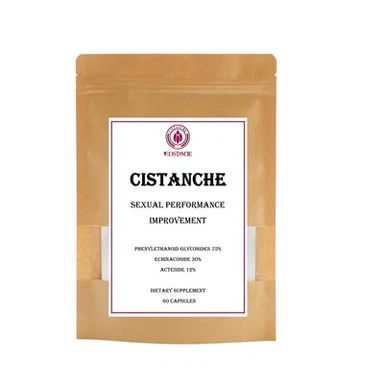
Wecistanche's cistanche powder, cistanche tablets, cistanche capsules, and other products are developed using desert cistanche as raw materials, all of which have a good effect on relieving constipation. The specific mechanism is as follows: Cistanche is believed to have potential benefits for relieving constipation based on its traditional use and certain compounds it contains. While scientific research specifically on Cistanche's effect on constipation is limited, it is thought to have multiple mechanisms that may contribute to its potential to relieve constipation. Laxative Effect: Cistanche has long been used in Traditional Chinese Medicine as a remedy for constipation. It is believed to have a mild laxative effect, which can help promote bowel movements and induce constipation. This effect may be attributed to various compounds found in Cistanche, such as phenylethanoid glycosides and polysaccharides. Moistening the Intestines: Based on traditional use, Cistanche is considered to have moisturizing properties, specifically getting the Intestines. Promoting hydration and lubrication of the Intestines may help soften tools and facilitate easier passage, thereby relieving constipation. Anti-inflammatory Effect: Constipation can sometimes be associated with inflammation in the digestive tract. Cistanche contains certain compounds, including phenylethanoid glycosides and lignans, that are believed to have anti-inflammatory properties. By reducing inflammation in the intestines, it may help improve bowel movement regularity and relieve constipation.