Chronic Constipation in Adults: The Primary Care ApproachⅢ
Sep 27, 2023
Bulking Agents and Osmotic Laxatives
Bulking agents, in particular soluble fiber, are effective in CC and are strongly recommended in guidelines [10] even though there is relatively little evidence from large RCTs in patients with CC. They are recommended as the first-line treatment partly because of clinical experience of their use and their safety and low cost.

Soluble fiber, such as psyllium, has been shown to improve the global symptoms of constipation as well as straining, defecation pain, stool consistency, and an increase in the number of weekly stools. Evidence for the use of insoluble fiber is conflicting, but on balance, guidelines recommend soluble fiber over insoluble fiber [13]. However, the use of bulking agents, in particular insoluble fiber, is limited by adverse events such as bloating, distension, flatulence, and cramping pains [10].
Osmotic laxatives are commonly used in primary care. There is strong evidence for the use of polyethylene glycol, a saline laxative, which is superior to lactulose in patients with CC, resulting in more frequent stools, looser stools, and less abdominal pain [10]. It is also associated with an increase in spontaneous complete bowel movements and can reduce the severity of straining in patients with IBS-C. Adverse effects include diarrhea and abdominal pain.
Stimulant Laxatives
Bisacodyl, a stimulant laxative, produces an active metabolite that stimulates and propagates contractions of the colon and enhances intestinal secretion. There is a moderate level of evidence of its effectiveness, and it is recommended in guidelines [10]. It is relatively well tolerated with diarrhoea and abdominal pain being the chief side effects. Sodium picosulphate, a locally acting stimulant laxative, similar in action to bisacodyl, can also be used and it is also well tolerated. Senna, an anthraquinone, is commonly used by sufferers of constipation, often purchased directly from the pharmacy. However, evidence of its effectiveness is low, although it might work better when combined with a bulking agent or osmotic laxative [10].

Rectal Suppositories and Enemas
Rectal suppositories are frequently used to treat constipation, but the level of available evidence of their effectiveness is low. The most commonly used ones are over-the-counter glycerin or bisacodyl suppositories. Equally, the effectiveness of commonly used enema preparations is not supported by good evidence, but these can be used in patients in whom other measures have failed. The volume of fluid used should be carefully restricted (to 150 mL) to avoid electrolyte imbalance, especially in the elderly [10].
Combining Different Classes of Treatments
Different classes of therapies can be combined and may produce a more acceptable result in an individual. The choice of laxatives should be made on an individual basis, and stool softeners, stimulants, and bulking agents can be combined [14]. Previous concerns about laxatives leading to tolerance, dependence, and addiction are almost certainly unfounded [15]. Although some people abuse laxatives, these do not cross the blood-brain barrier, so addiction is unlikely [16, 17].
Combining Different Classes of Treatments Different classes of therapies can be combined and may produce a more acceptable result in an individual. The choice of laxatives should be made on an individual basis, and stool softeners, stimulants, and bulking agents can be combined [14]. Previous concerns about laxatives leading to tolerance, dependence, and addiction are almost certainly unfounded [15]. Although some people abuse laxatives, these do not cross the blood-brain barrier, so addiction is unlikely [16, 17].
Probiotics
These are commonly used by patients with supermarket products. However, evidence for their efficacy is generally lacking, partly due to heterogeneity in studies and the inability to identify effective strains. Whilst some studies have shown probiotics to have beneficial effects on abdominal pain, bloating, and flatulence, in general only limited benefits were noted in studies on constipation. There is insufficient evidence to recommend a specific probiotic preparation for functional constipation [10].
“Natural” and Chinese Herbal Remedies
Many constipation sufferers prefer to use what they regard as a non-medical, natural therapy. The level of evidence available for their effectiveness is low. However, some Chinese herbal remedies have been studied in clinical trials and have shown positive results. The formulation of these products can vary, making it difficult for comparisons to be made and for specific recommendations to be offered [10].

Discussion: Working with Secondary Care
A patient with CC needs to be seen as an individual, and a good history to elucidate the likely category of constipation is important. Whilst the majority of sufferers can be managed in primary care, secondary causes, particularly structural, such as rectoceles in females, and medication-related problems, are important to rule out and to refer to if necessary. Differentiating CC from IBSC is important because management may vary, and in instances where the diagnosis is not clear and the management seems ineffective, specialist collaboration is needed.
Pelvic floor disorders, characterized by dyssynergic defecation, where there appears to be an obstructive picture without mechanical blockage, require secondary care investigations. Tests of bowel function and transit are not normally performed from primary care, and these may be needed to elucidate the best line of management. Colonoscopy requested directly from primary care is unlikely to be rewarding in so far as the CC is concerned. Also important is the need to regard older patients’ symptoms as being worthy of careful assessment and resist tendencies to put things down to old age. CC is a drag on quality of life, and as clinicians, we must manage it thoughtfully.
Natural Herbal Medicine For Relieving Constipation-Cistanche
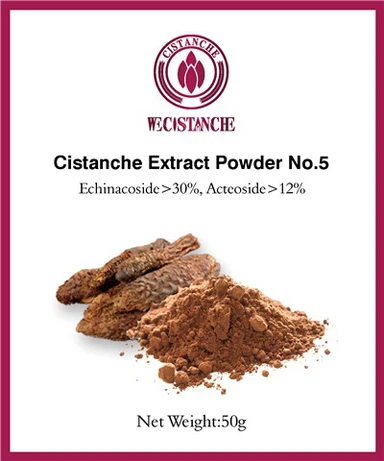
Cistanche is a genus of parasitic plants that belongs to the family Orobanchaceae. These plants are known for their medicinal properties and have been used in Traditional Chinese Medicine (TCM) for centuries. Cistanche species are predominantly found in arid and desert regions of China, Mongolia, and other parts of Central Asia. Cistanche plants are characterized by their fleshy, yellowish stems and are highly valued for their potential health benefits. In TCM, Cistanche is believed to have tonic properties and is commonly used to nourish the kidney, enhance vitality, and support sexual function. It is also used to address issues related to aging, fatigue, and overall well-being. While Cistanche has a long history of use in traditional medicine, scientific research on its efficacy and safety is ongoing and limited. However, it is known to contain various bioactive compounds such as phenylethanoid glycosides, iridoids, lignans, and polysaccharides, which may contribute to its medicinal effects.

Wecistanche's cistanche powder, cistanche tablets, cistanche capsules, and other products are developed using desert cistanche as raw materials, all of which have a good effect on relieving constipation. The specific mechanism is as follows: Cistanche is believed to have potential benefits for relieving constipation based on its traditional use and certain compounds it contains. While scientific research specifically on Cistanche's effect on constipation is limited, it is thought to have multiple mechanisms that may contribute to its potential to relieve constipation. Laxative Effect: Cistanche has long been used in Traditional Chinese Medicine as a remedy for constipation. It is believed to have a mild laxative effect, which can help promote bowel movements and induce constipation. This effect may be attributed to various compounds found in Cistanche, such as phenylethanoid glycosides and polysaccharides. Moistening the Intestines: Based on traditional use, Cistanche is considered to have moisturizing properties, specifically targeting the Intestines. Promoting hydration and lubrication of the Intestines may help soften tools and facilitate easier passage, thereby relieving constipation. Anti-inflammatory Effect: Constipation can sometimes be associated with inflammation in the digestive tract. Cistanche contains certain compounds, including phenylethanoid glycosides and lignans, that are believed to have anti-inflammatory properties. By reducing inflammation in the intestines, it may help improve bowel movement regularity and relieve constipation.