What Are The Early Symptoms Of Kidney Disease?
Mar 26, 2022
Contact: joanna.jia@wecistanche.com / WhatsApp: 008618081934791
With the deepening of the aging degree in my country, the high incidence of hypertension and diabetes has led to an increase in the incidence of chronic kidney disease year by year. One in 10 people may have kidney disease. If kidney disease is not detected and treated early, it will intensify and eventually develop into uremia.
Many patients with early kidney disease have no obvious symptoms. The doctor reminds them that if the following symptoms occur, they should go to a professional kidney disease hospital as soon as possible.

where can I buy cistanche bark
1. Edema:
When the upper eyelid and facial edema are found after 2 weeks of cold symptoms, you should seek medical attention in time. When the kidneys are edema due to pathological damage, the mild cases are only the edema of the face, eyelids and lower extremities, and the severe cases are all over the body, accompanied by pleural effusion and ascites.
2. high blood pressure:
kidney disease is often accompanied by high blood pressure, the reasons for its occurrence are as follows.
Water and sodium retention in the body due to decreased glomerular filtration rate and increased reabsorption;
The renin-angiotensin-aldosterone system is activated. When blood pressure is mildly elevated, the patient has almost no symptoms, so blood pressure cannot be judged by measuring blood pressure only once. Most patients with kidney disease have high blood pressure, systolic blood pressure is 150-180 mmHg, diastolic blood pressure is 90.120 mmHg, mostly manifested as headache, head up, insomnia, memory loss. Fundoscopy revealed fundus hemorrhage, oozing, and papilledema.
3. Urine abnormalities:
Pay close attention to changes in the color, odor, amount, and nature of urine.
Urine is red or brownish in color, and hematuria may occur, which is caused by red blood cells in the blood mixed in the urine. When there is a lot of bleeding, gross hematuria is manifested; but in fact, most patients have less blood in the urine, and no hemorrhage can be seen with the naked eye. Only when the number of red blood cells is found to be higher than the normal number under microscope examination, it is microscopic hematuria, which is mostly found during physical examination. Therefore, regular medical examinations are required.
Proteinuria is the presence of protein in the urine. Whether there is a protein in the urine is often difficult to detect because the urine color does not change. However, the foaming of urine during urination can be used as a rough reference standard for judging proteinuria. However, foaming urine is not a complete guarantee of protein in the urine. Physiological proteinuria is common in high fever, strenuous exercise, emotional agitation, and premenstrual period, and is mostly transient. Orthostatic proteinuria is common in healthy adolescents with weight loss. The urine contains protein in the upright position and disappears in the supine position. The main cause of pathological proteinuria is glomerular disease.
The normal urine output is 1500 to 2000 ml a day.
Normal fresh urine has a faint aroma.
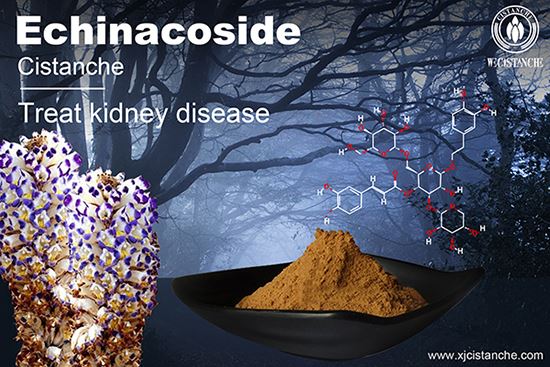
cistanche tubulosa
4. Anemia:
Anemia is a symptom of chronic renal damage, with severe damage to the nephron and decreased erythropoietin. Moderate to severe renal anemia can occur, manifesting as fatigue, fatigue, loss of appetite, etc.
5. Fever:
Sudden fever exceeds 39. C. In kidney disease, it is most acute pyelonephritis, manifested as high fever, chills, abdominal distension, and low back pain
6. Severe pain in the waist and abdomen:
more common in kidney stones and ureteral stones. The pain is especially severe when a stone or blood clot travels from the renal pelvis to the ureter causing spasm, which can radiate down the abdomen and medial thigh along the ureter. In short, the subjective symptoms of kidney disease in the early stage are generally rare, so regular health checkups, urine tests, and blood pressure measurements are carried out for the early detection of kidney disease.
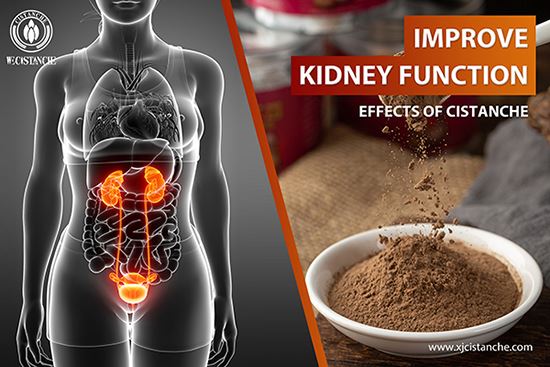
cistanche pdf
Cistanche can protect kidneys. Echinacoside in Cistanche can pass through the blood-brain barrier and enter the brain to repair nerve cells. Verbascoside in Cistanche can increase testosterone, stimulate sperm production and maintain activity, fill the seminal vesicles, and remove free radicals in the body.

micronized purified flavonoid fraction