What Happens If Hypokalemia Recurs?
Apr 22, 2024
The author recently received a patient with recurrent hypokalemia. The cause is relatively rare, and I would like to share it with everyone. It is said that this is an elderly female patient who came to the clinic due to "anorexia". Multiple examinations revealed that she had hypokalemia. After symptomatic treatment, she still had recurring attacks. During the treatment, she peeled off the cocoons. Sure enough, there must be a reason for the abnormality.
Click to Cistanche for kidney disease
case review
The patient is female, 76 years old. The main complaint was "intermittent payment of difference for two months".
History of current illness: The patient had anorexia without obvious triggers 2 months ago, with reduced food intake, accompanied by nausea, obvious fatigue, poor energy after eating, and no vomiting, fever, abdominal pain, abdominal distension, diarrhea, and other discomforts. He had been treated in a local hospital and was perfected. Relevant examinations considered electrolyte imbalance and hypokalemia. After symptomatic treatment, the symptoms were relieved and the patient was discharged.
He still had poor appetite and fatigue outside the hospital, so he went to the local hospital again. The electrolyte recheck showed that the blood potassium was still low. He was given oral potassium supplement treatment again, but the symptoms were not relieved well. For further treatment, he came to the outpatient clinic with the question "1. Electrolyte imbalance?" ; 2. "Payment pending investigation" is a diagnostic income in our department. After the illness, he was conscious, poor in energy, had poor diet, and slept normally. His stools were yellow and formed, once every day, his urine was normal, and his weight change was unknown.
Past medical history: 5-year history of hypertension, with blood pressure as high as 180/90mmHg. He had been taking indapamide tablets orally but was replaced with nifedipine sustained-release tablets due to hypokalemia 1 month ago. The blood pressure control is unknown.
Physical examination: clear mind, low energy, regular heartbeat, no pathological murmurs in the heart valve auscultation area, clear respiratory sounds in both lungs, no obvious wet and dry rales, whole abdomen soft, no tenderness or rebound tenderness, bowel sounds were normal, and there was no edema in both lower limbs.

Auxiliary examinations: AFP, CEA, and CA199 from outside the hospital: no abnormalities were found; gastroscopy: esophagitis; erythematous exudative gastritis with erosion; heart + upper abdominal color ultrasound: reduced left ventricular diastolic function, diffuse changes in the liver, and rough gallbladder wall.
Preliminary diagnosis: Anorexia to be investigated; electrolyte disorder? Hypokalemia? Hypertension grade 3 (very high risk).
Upon admission, relevant examinations were completed: blood routine, blood sugar, liver function, kidney function, CRP, and thyroid function: normal. The electrolyte response showed: serum potassium: 2.58mmol/L, serum sodium: 130.7mmol/L, and blood chloride: 89.6mmol/L.
Symptomatic potassium and sodium supplements were given to correct the electrolyte imbalance. After treatment, the patient was reviewed the next day: serum potassium: 3.14mmol/L.
The patient's anorexia and fatigue symptoms also improved slightly, but considering the patient's repeated episodes of hypokalemia, there must be a cause.
Why does hypokalemia recur? Find out the cause
As we all know, common causes of hypokalemia include insufficient potassium intake, excessive potassium elimination, metastatic hypokalemia, and dilutional hypokalemia.
Transferred hypokalemia is common in metabolic or respiratory alkalosis or acidosis, use of large amounts of glucose solution, acute stress state, periodic paralysis, etc.; dilutional hypokalemia is more common in excessive water and water intoxication.
None of the above causes exist in this patient, so the two causes are not considered.
Insufficient intake is more common in people who have been fasting for a long time and have a partial eclipse. Patients said that their appetite improved after potassium supplementation during the treatment period, and they were able to eat well, but they still had repeated hypokalemia. Insufficient intake was not considered.
It seems that the cause is excessive potassium excretion. Common causes include gastrointestinal potassium loss, kidney potassium loss, large area burns or abdominal puncture to release ascites. The patient has no long-term vomiting, diarrhea, or other special conditions. Therefore, the problem lies in the loss of potassium in the kidneys.
Renal potassium loss includes kidney diseases, such as acute renal failure and polyuria; endocrine diseases, including primary or secondary aldosteronism, Cushing's syndrome, etc.; drug factors, including long-term use of diuretics or some antibacterial drugs such as penicillin, gentamicin, etc. Based on the patient's condition, there was no renal disease or drug factors, so it was an endocrine disease. Based on the common causes, the renin and aldosterone tests were immediately completed. The results came back quickly, and the patient's renin and aldosterone were both significantly elevated.
The cause is basically hyperaldosteronism. Common causes of elevated aldosterone include renin tumors, renal artery stenosis, etc. Since the patient's abdominal CT showed no adrenal glands occupying space, it is now highly suspected that renal artery stenosis caused secondary hyperaldosteronism.

Therefore, renal arteriography was further improved, and the results also confirmed the author's inference. After layer-by-layer analysis, the patient's diagnosis was clear: renal artery stenosis. Please consult the interventional department to recommend further evaluation of the condition, and if necessary, dilation or stent implantation. After a discussion with the family, the patient was transferred to a higher-level hospital for further treatment.
Let's talk about renal artery stenosis.
Renal artery stenosis is often caused by atherosclerosis, fibromuscular dysplasia, and Takayasu arteritis. Atherosclerosis is the most common cause, accounting for about 80%, and is mainly seen in the elderly. The latter two are mainly seen in young people, mostly women.
Renal artery stenosis often causes renovascular hypertension, which is caused by renal ischemia stimulating renin secretion, activation of the renin-angiotensin-aldosterone (RAAS) system in the body, peripheral vasoconstriction, and water and sodium retention. Some can also Cause ischemic nephropathy.
The clinical manifestations are mostly renovascular hypertension, which often progresses rapidly after the onset of hypertension in patients with normal blood pressure. In patients with original hypertension, blood pressure deteriorates rapidly and diastolic blood pressure increases significantly. Severe patients may show malignant hypertension.
About 15% of patients may develop hypokalemia due to increased plasma aldosterone. "Renal arteriography" is the gold standard for diagnosis.
Treatment includes percutaneous balloon angioplasty, percutaneous transluminal renal artery stent implantation, surgical treatment, and medical medication to control blood pressure.
Summarize
Hypokalemia is a common clinical symptom, and many diseases can co-occur. However, the cause should be carefully screened, the diagnosis made clear, and the primary disease actively treated, so that hypokalemia can be easily resolved.
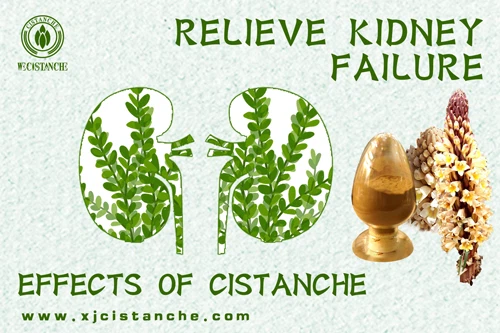
How Does Cistanche Treat Kidney Disease?
Cistanche is a traditional Chinese herbal medicine used for centuries to treat various health conditions, including kidney disease. It is derived from the dried stems of Cistanche deserticola, a plant native to the deserts of China and Mongolia. The main active components of cistanche are phenylethanoid glycosides, echinacoside, and acteoside, which have been found to have beneficial effects on kidney health.
Kidney disease, also known as renal disease, refers to a condition in which the kidneys are not functioning properly. This can result in a buildup of waste products and toxins in the body, leading to various symptoms and complications. Cistanche may help treat kidney disease ase through several mechanisms.
Firstly, cistanche has been found to have diuretic properties, meaning it can increase urine production and help eliminate waste products from the body. This can help relieve the burden on the kidneys and prevent the buildup of toxins. By promoting diuresis, cistanche may also help Reduce high blood pressure, a common complication of kidney disease.
Moreover, cistanche has been shown to have antioxidant effects. Oxidative stress, caused by an imbalance between the production of free radicals and the body's antioxidant defenses, plays a key role in the progression of kidney disease. ies help neutralize free radicals and reduce Oxidative stress, thereby protecting the kidneys from damage. The phenylethanoid glycosides found in cistanche have been particularly effective in scavenging free radicals and inhibiting lipid peroxidation.
Additionally, cistanche has been found to have anti-inflammatory effects. Inflammation is another key factor in the development and progression of kidney disease. Cistanche's anti-inflammatory properties help reduce the production of pro-inflammatory cytokines and inhibit the activation of inflammation mandatory pathways, thus alleviating inflammation in the kidneys.

Furthermore, cistanche has been shown to have immunomodulatory effects. In kidney disease, the immune system can be dysregulated, leading to excessive inflammation and tissue damage. Cistanche helps regulate the immune response by modulating the production and activity of immune cells, such as T cells and macrophages. This immune regulation helps reduce inflammation and prevent further damage to the kidneys.
Moreover, cistanche has been found to improve renal function by promoting the regeneration of renal tubes with cells. Renal tubular epithelial cells play a crucial role in the filtration and reabsorption of waste products and electrolytes. In kidney disease, these cells can be damaged, leading to damaged renal function. Cistanche's ability to promote the regeneration of these cells helps restore proper renal function and improve overall kidney health.
In addition to these direct effects on the kidneys, cistanche has been found to have beneficial effects on other organs and systems in the body. This holistic approach to health is particularly important in kidney disease, as the condition often affects multiple organs and systems. che has been shown to have protective effects on the liver, heart, and blood vessels, which are commonly affected by kidney disease. By promoting the health of these organs, cistanche helps improve overall kidney function and prevent further complications.
In conclusion, cistanche is a traditional Chinese herbal medicine used for centuries to treat kidney disease. Its active components have diuretic, antioxidant, anti-inflammatory, immunomodulatory, and regenerative effects, which help improve renal function and protect the kidneys from further damage. , cistanche has beneficial effects on other organs and systems, making it a holistic approach to treating kidney disease.