Proteinuria VS Hematuria: Read The Warning Signs Of Kidney Damage in 2 Minutes
Apr 22, 2024
Recently, Xiao Li (pseudonym) was a little panicked when he found proteinuria during a physical examination. After receiving the physical examination report, Xiao Li went to the nephrology department for treatment and was diagnosed with "chronic glomerulonephritis". Xiao Li was very puzzled by this. He usually had no soreness or pain in his waist, so how could he suffer from nephritis?

Click to Cistanche for kidney disease
Chronic nephritis is generally asymptomatic in the early stages and mostly occurs silently. The majority of patients like Xiao Li do not have any discomfort at ordinary times. However, if it is not treated in time and the disease is allowed to progress, it can lead to a decline in kidney function and even uremia over time. Therefore, we should not take it lightly when facing kidney disease. We should do regular urine tests to detect the signs of chronic nephritis as early as possible.
Proteinuria/hematuria are warning lights of kidney damage
Proteinuria and hematuria are early signs of kidney disease, and relevant examinations should be done regularly, among which routine urine examination is the first choice. Among all examination abnormalities, the most common ones are proteinuria and hematuria, which play a key role in the early detection of renal lesions.
What is proteinuria
Proteinuria means that the protein content in urine exceeds the normal range (150mg/24 hours). Proteinuria is divided into physiological and pathological. The former refers to temporary proteinuria that appears in healthy people. It mostly occurs in young people during strenuous exercise, fever, high temperature, cold, and mental stress. What we usually refer to as proteinuria mostly refers to pathological proteinuria, which refers to proteinuria caused by kidney disease, including damage to the glomerular capillary wall leading to excessive urinary protein filtration, or defective renal tubular protein reabsorption or a large number of minor Chain protein overflow, etc.
How to detect proteinuria early
Pay attention to whether there is foam in the urine. An increase in foam in the urine generally indicates the presence of protein in the urine. It is often characterized by a layer of fine foam floating on the surface of the urine that does not disappear for a long time. It should be noted that it is different from the large bubbles formed when urinating urgently or in patients with diabetes. These large bubbles will generally disappear within a short period of time.
What is hematuria

Hematuria means that the number of red blood cells in urine exceeds the normal range (more than 3 red blood cells per high-power field of view in urine sediment microscopy). If 1 liter of urine contains more than 1 ml of blood, gross hematuria will occur. Hematuria that is invisible to the naked eye is called microscopic hematuria. Hematuria. It does not necessarily mean hematuria if the urine is red. Sometimes it is necessary to distinguish, such as pseudohematuria, pigmenturia, hemoglobinuria, etc. Therefore, hematuria cannot be judged by the naked eye, which is why routine urine examination is required.
How to detect hematuria early
Many people have hematuria but do not receive timely diagnosis and treatment. One important reason is that they do not feel any discomfort.
Patients with hematuria should seek medical treatment as soon as possible and follow the advice of specialists for reasonable diagnosis and treatment. Observe the color of urine: to the naked eye, hematuria appears as flesh-washing water or bright red, and the diagnosis is generally not missed. The appearance of hematuria under the microscope is normal and requires a regular urine routine to detect it.
Note that it is different from abnormal urination caused by hemoglobinuria, drugs, and food: hemoglobinuria can be red, brown, or even black. It is produced due to hemolysis, an increase in free hemoglobin content in the plasma, and filtration from the glomerulus into the urine. Sulfa drugs, anticoagulants, and other drugs have adverse reactions that can cause hematuria. Eating beets and foods containing red colors may also cause urine to turn red.
A urine test is crucial
Regularly check urine routine and urine albumin/urinary creatinine. For high-risk groups, check at least once a year. High-risk groups: People with diabetes, hypertension, autoimmune diseases, cardiovascular diseases, the elderly, and people with a family history of kidney disease.

You can prepare your own professional, formal, and easy-to-operate urine analysis test strips at home every day, and perform regular self-examinations to detect and treat early to avoid deterioration.
How Does Cistanche Treat Kidney Disease?
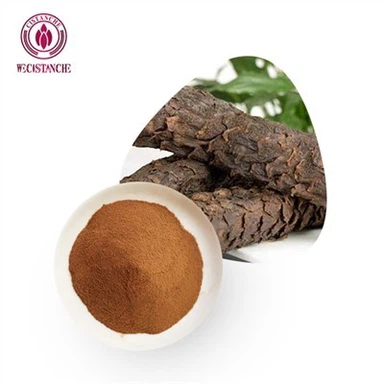
Cistanche is a traditional Chinese herbal medicine used for centuries to treat various health conditions, including kidney disease. It is derived from the dried stems of Cistanche deserticola, a plant native to the deserts of China and Mongolia. The main active components of cistanche are phenylethanoid glycosides, echinacoside, and acteoside, which have been found to have beneficial effects on kidney health.
Kidney disease, also known as renal disease, refers to a condition in which the kidneys are not functioning properly. This can result in a buildup of waste products and toxins in the body, leading to various symptoms and complications. Cistanche may help treat kidney disease ase through several mechanisms.
Firstly, cistanche has been found to have diuretic properties, meaning it can increase urine production and help eliminate waste products from the body. This can help relieve the burden on the kidneys and prevent the buildup of toxins. By promoting diuresis, cistanche may also help Reduce high blood pressure, a common complication of kidney disease.
Moreover, cistanche has been shown to have antioxidant effects. Oxidative stress, caused by an imbalance between the production of free radicals and the body's antioxidant defenses, plays a key role in the progression of kidney disease. ies help neutralize free radicals and reduce Oxidative stress, thereby protecting the kidneys from damage. The phenylethanoid glycosides found in cistanche have been particularly effective in scavenging free radicals and inhibiting lipid peroxidation.
Additionally, cistanche has been found to have anti-inflammatory effects. Inflammation is another key factor in the development and progression of kidney disease. Cistanche's anti-inflammatory properties help reduce the production of pro-inflammatory cytokines and inhibit the activation of inflammation mandatory pathways, thus alleviating inflammation in the kidneys.

Furthermore, cistanche has been shown to have immunomodulatory effects. In kidney disease, the immune system can be dysregulated, leading to excessive inflammation and tissue damage. Cistanche helps regulate the immune response by modulating the production and activity of immune cells, such as T cells and macrophages. This immune regulation helps reduce inflammation and prevent further damage to the kidneys.
Moreover, cistanche has been found to improve renal function by promoting the regeneration of renal tubes with cells. Renal tubular epithelial cells play a crucial role in the filtration and reabsorption of waste products and electrolytes. In kidney disease, these cells can be damaged, leading to damaged renal function. Cistanche's ability to promote the regeneration of these cells helps restore proper renal function and improve overall kidney health.
In addition to these direct effects on the kidneys, cistanche has been found to have beneficial effects on other organs and systems in the body. This holistic approach to health is particularly important in kidney disease, as the condition often affects multiple organs and systems. che has been shown to have protective effects on the liver, heart, and blood vessels, which are commonly affected by kidney disease. By promoting the health of these organs, cistanche helps improve overall kidney function and prevent further complications.
In conclusion, cistanche is a traditional Chinese herbal medicine used for centuries to treat kidney disease. Its active components have diuretic, antioxidant, anti-inflammatory, immunomodulatory, and regenerative effects, which help improve renal function and protect the kidneys from further damage. , cistanche has beneficial effects on other organs and systems, making it a holistic approach to treating kidney disease.