What Is Glomerulonephritis? And How Should It Be Treated?
Jun 27, 2022
For more info. contact tina.xiang@wecistanche.com
Most patients with glomerulitis may have symptoms of fatigue, fatigue, and low back pain in the early stage. Edema may occur from time to time, and edema is often not too serious. Some patients may have symptoms of headache and insomnia. a small number of patients will have symptoms of oliguria. So, what is glomerulitis? What are the symptoms of glomerulitis? What is the cause of glomerulitis? How should it be treated and cared for? This article will elaborate on these issues that everyone cares about.
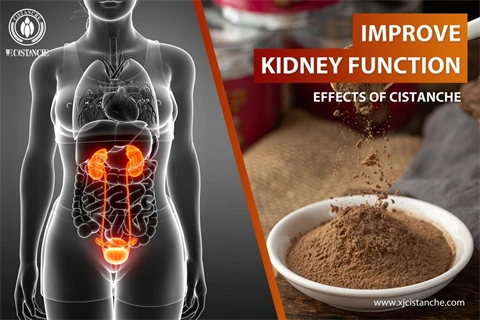
Click here to learn about cistanche tubulosa extract benefits
1 What is Glomerulitis
Glomerulitis, referred to as chronic nephritis, is often a group of primary glomerular diseases composed of many different etiologies and different pathological types. The clinical characteristics of glomerulitis are that the course of the disease is relatively long and the development is relatively slow. The symptoms of glomerulopathy can be mild or severe. Patients may have varying degrees of edema, microscopic hematuria, and proteinuria. Hypertension, and even progressive renal damage.

2 Symptoms of glomerulitis
2.1 Edema
One of the main symptoms of glomerulitis is edema. The edema is mostly mild pitting edema of the eyelids or lower limbs. Severe patients may also be accompanied by ascites and perineal edema. Some patients also have high blood pressure and may develop hypertensive heart disease or cerebrovascular disease.
2.2 Hematuria
Patients with glomerulitis may have symptoms of hematuria. The hematuria found by naked eye observation is called macroscopic hematuria; the hematuria that is invisible to the naked eye and can only be seen under a microscope is called microscopic hematuria.
2.3 Proteinuria
When the patient suffers from glomerulitis, the permeability of the capillary wall of the glomerulus increases, and the patient will develop proteinuria. Therefore, one of the main features of glomerulitis is proteinuria. The characteristic of proteinuria is that there are many forms in the urine and it is not easy to disperse. Once the urine is cloudy or the foam appears in the urine for a long time after urination, it needs to be paid attention to, and it is necessary to go to the hospital for a quantitative examination of urine protein.
2.4 Cast urine
Casts are formed by the precipitation and coagulation of protein in the urine. Therefore, when the patient suffers from glomerulonephritis, there will be casts in the urine. The main special attention is that if there is the only protein in the urine without casts, it cannot reflect the glomerular lesions. Conversely, if there are only casts but no protein in the urine, glomerular lesions cannot be suggested. Only when both casts and proteins are present, glomerular lesions are suggested.
2.5 Hypertension
The kidneys of the human body affect the effective circulating blood volume by regulating the metabolism of water and sodium, and at the same time produce renin. The incidence of hypertension in chronic glomerular patients is about 30%.

3 Causes of glomerulitis
Glomerulitis is a group of glomerular diseases mainly caused by glomerular lesions caused by a variety of etiologies, but the cause of most patients is unclear, and there is no clear relationship with streptococcal infection. Only about 20% of glomerulitis will be transformed from acute glomerulitis. It should be noted that the subclinical type of glomerulitis in most patients with chronic nephritis is not easy to be diagnosed, so the actual percentage may be higher. In addition, most patients with glomerulitis do not have a history of acute nephritis, so many scholars currently believe that there is not much connection between chronic glomerulitis and acute nephritis, which may be due to various viruses, protozoa Glomerulitis caused by infection through immune mechanisms, inflammatory mediators or non-immune mechanisms.
4 How is glomerulonephritis treated and how long does it take?
The treatment time and effect of glomerulonephritis are issues of great concern to many patients and their family members. This depends on many factors, such as whether the treatment of glomerulonephritis is timely and scientific, and whether the patient's mental health care is well done. If glomerulitis is not treated in time, severe patients may develop uremia or renal failure, and the patient's survival time will be greatly shortened. Therefore, for treating glomerulonephritis, the most important thing is to delay the disease, control the deterioration of glomerulitis, and find a more appropriate treatment method. At the same time, the treatment of glomerulonephritis is also related to the development of the disease. There is a close relationship, and it is necessary to observe the stage of development. To achieve early detection, early treatment, and early standardized treatment are the keys to achieving good therapeutic effects.

5 daily diet for glomerulonephritis
The diet of patients with glomerulitis plays a vital role in the recovery of the disease. Once the patient goes to the hospital to diagnose that he has glomerulitis, he needs to pay special attention to dietary health care. In addition to the daily life of patients with kidney disease It is necessary to follow the habit of not smoking, not drinking excessively, and also need to insist on physical exercise, and adopting a low-protein diet under the guidance of a doctor. In addition, glomerulitis patients also need to follow some of the following dietary principles:
5.1 Limit sodium and water
In the early stage of glomerulitis, the main symptom is edema, which is due to the inability of the kidneys to excrete water and sodium normally. Patients need to limit water intake and reduce salt intake in their usual diet. Patients need to be given a low-salt or low-sodium diet depending on their condition. In addition to not adding soy sauce or salt, a low-sodium diet also needs to avoid foods high in sodium. Patients with edema and high blood pressure need to strictly limit salt and need to go to the hospital for regular physical examinations to check the levels of potassium and sodium. Due to chronic nephritis, polyuria or long-term sodium will cause insufficient sodium in the body.
5.2 Control potassium intake
When the patient has oliguria or anuria, it is necessary to strictly control the potassium intake of the patient, the patient's water restriction needs to be limited to less than 500ml/d, and it is necessary to avoid eating foods with high potassium content, such as beans, shellfish, Vegetables or dates.
5.3 Carbohydrates and fats
Most of the human body's dietary energy is supplied by carbohydrates. Sufficient carbohydrates need to be supplemented, which can prevent insufficient energy supply, and can also supply a small amount of protein in food to fully affect growth and tissue repair. There is no need to strictly limit the total amount of fat, but you need to eat less fried foods that contain a lot of animal fat. Patients with glomerulitis are often accompanied by high blood pressure. In life, it is necessary to reduce the consumption of animal liver to prevent the rise of blood lipids.
5.4 Sufficient supply of vitamins
Patients need to eat more fresh green leafy vegetables and fruits. Fresh vegetables and fruits can effectively increase the patient's appetite. One thing to note is that the patient needs to limit the intake of vegetables during the period of oliguria. During the recovery period of the patient, you can eat more nourishing foods such as yam, longan, lotus seed, and white fungus. Patients also need more vitamin supplements, which can prevent the occurrence of anemia.
5.5 Supply more alkaline food
The urine of patients with acute glomerulitis is acidic, and eating alkaline foods can effectively adjust the pH value of the urine. By consuming alkaline foods, the patient can make the urine neutral, which is beneficial to the patient's treatment. Patients need to limit the consumption of vegetables and fruits with more potassium during the period of oliguria to prevent the occurrence of hyperkalemia. Acidic food refers to the acidic substances generated in the human body after metabolism. Acidic food is mainly beans and protein-rich meat food; alkaline food refers to some dairy products, vegetables, and fruits.
5.6 Limiting irritating foods
Patients need to eat less irritating foods, such as peppers, peppers, and other foods. After the human body metabolizes foods such as peppers, purines will be produced, which will increase the burden on the kidneys, so patients should not eat more. The liver of some animals contains a lot of purine and uric acid in its metabolites, so it should be eaten less.
Conclusion: The above is about some cases of glomerulitis. I believe everyone has a certain understanding of glomerulitis. Once symptoms of glomerulitis appear, patients should seek medical treatment in time for targeted treatment to avoid producing more serious consequences.