Why Is It Always Me Who Is Constipated? 5 Ways To Effectively Relieve
Aug 08, 2023
Constipation, while not a major problem, can be a torment. So much so that some people try to take laxatives and enemas... As a result, not only does constipation not improve, but it may also cause other diseases. According to the "Chinese Chronic Constipation Expert Consensus (2019)" issued by the Gastrointestinal Dynamics Group of the Digestive Disease Branch of the Chinese Medical Association, the prevalence of chronic constipation in adults in my country is 4.0%-10.0%, which means that there are about 50 million adults. Are suffering from constipation.
How long does it take to have a bowel movement?
Difficulty defecation includes labored defecation, difficulty passing stool, feeling of incomplete defecation, feeling of anorectal blockage, time-consuming defecation, and need for assisted defecation; reduced frequency of defecation refers to defecation less than 3 times per week, and the duration of chronic constipation is at least 6 months.

Click to Cistanche for stimulant laxative
There are three causes of chronic constipation: functional, organic, and drug-induced.
1. Functional constipation, that is, some constipation caused by eating habits that we often encounter, such as eating too carefully, strong stomach fire in the body, lack of exercise, high work pressure, etc.
2. Organic constipation refers to the occurrence of constipation due to certain diseases, such as hemorrhoids, anal fissures, colorectal cancer, diabetes, etc.
3. Drug-induced constipation refers to constipation caused by the use of calcium antagonists, antidepressants, anticholinergic drugs, etc.
Myths About Constipation
1. Bananas for Constipation
Ripe bananas are rich in dietary fiber, which stimulates gastrointestinal motility. The soluble dietary fiber in bananas - pectin, swells with water, causing the secretion of gastrointestinal juice.
Raw bananas are high in tannic acid content, and it also has a very strong astringent effect, which can coagulate protein and absorb the remaining water in the poop, making the poop dry and harder, which can easily cause constipation.
Although eating ripe bananas has a better laxative effect than raw bananas, the bananas on the market are all ripened for transportation. Even if the outside is yellow, the tannin components have long been buried deep inside.
Compared with fruits such as apples and pears, the dietary fiber contained in bananas is not high. The amount of dietary fiber contained in 100 grams of food: 1.2 grams of bananas, 1.7 grams of apples, and 3.1 grams of pears. In terms of dietary fiber for moistening the intestines, the effect of bananas is not as good as that of pears and apples.

2. Honey water for constipation
The principle of honey laxative is mainly that honey contains more fructose, which is not easy to absorb. After reaching the colon, it can increase the volume of stool by absorbing water to promote defecation.
If you want to achieve obvious effects, you need to consume at least 50g of fructose per day, which is converted into honey at least 150g. Not to mention the sweetness is so sad, the high glucose load alone is also extremely harmful to health.
3. Laxative tea for constipation
Many laxative teas are added such as senna leaf, Guodao tablets, rhubarb, etc., all of which contain anthraquinone compounds, which directly stimulate the nerves of the intestinal mucosa, cause defecation reflex, leading to contraction of colonic smooth muscle, accelerate intestinal peristalsis, and promote defecation.
Long-term use can lead to irreversible damage to enteric nerves and muscle atrophy, leading to dependence on it. It can also cause melanosis of the colon, which has a certain tendency to become cancerous.
4. Enemas for Constipation
Clinically, enema is usually used to relieve abdominal distension, constipation, preoperative preparation, treatment of intestinal infection and intestinal inflammation; sedation, hypnosis, physical cooling, dilution, and removal of harmful substances to reduce poisoning, etc.
Long-term enema will not only disturb the intestinal flora, but also bring more intestinal problems, form intestinal dependence, and aggravate constipation.
5. Constipation can cause colorectal cancer
Risk factors for colorectal cancer include age, bowel polyps, certain inflammatory bowel diseases (Crohn's disease, ulcerative colitis), genetic factors, and poor lifestyle (smoking, alcohol, diet high in red meat, lack of dietary fiber, obesity, lack of exercise). Many studies also suggest that there is no causal relationship between constipation and colorectal cancer.
6. Use Kaisailu for constipation
In the short term, Kaisailu can be used to relieve the symptoms of constipation, but it can only be used in an emergency and cannot be relied on for a long time.
With the long-term use of kaiseki, the sensitivity of the intestinal tract to stimulation will also decrease, and the effect of kaiseki will gradually become worse in the future, which will eventually induce more severe constipation.
Kaisailu is a very commonly used drug to relieve constipation, but Kaisailu is not recommended for use throughout pregnancy.
To relieve constipation, you should do the following:
1. Form a biological clock for defecation. It is recommended to try to have a bowel movement in the morning and within 2 hours after eating.
It is best to go to the toilet at home, concentrate on defecation, avoid being disturbed by factors unrelated to defecation, and develop good defecation habits.
2. Drink plenty of water. A daily intake of 2 liters of water will enhance the laxative effect of dietary fiber, so many constipation guidelines recommend a daily water intake of 1.5-2.0 liters.
3. Regular exercise. Regular physical exercise can shorten the intestinal transit time and facilitate defecation. Aerobic exercise, such as walking and cycling, is effective in improving constipation. It is generally recommended to exercise for 30-60 minutes a day, at least twice a week.
4. It is recommended that patients with constipation take a squatting defecation position.
5. . Dietary fiber can promote defecation, so you should eat more fresh green leafy vegetables and fruits high in dietary fiber.

The recommended daily dietary fiber intake is 20-35 grams, and soluble dietary fiber is recommended.
Fruits to Relieve Constipation
pitaya
Dragon fruit is rich in dietary fiber, pectin, and oligosaccharides, which can not only promote the formation of stool but also be good for regulating intestinal flora.
The crude fiber of the black dragon fruit seeds is as high as 13%, which cannot be digested and absorbed by the intestines, and can just stimulate intestinal peristalsis and help laxatives.
prunes
Natural prune juice contains water-soluble natural pectin fiber and insoluble plant fiber. The combination of these two fibers can increase the peristalsis of the intestinal tract, soften intestinal excretion, increase the frequency of defecation, and can also accelerate the emptying of the intestinal tract, and relax and soothe the stomach.
avocado
The dietary fiber content of 100 grams of avocado is as high as 6.7 grams. More importantly, the soluble dietary fiber content of avocado is also very high, which can increase the water content of the stool, so that the stool is not so dry and smoother.
Kiwi
From the perspective of ingredients, kiwi fruit is relatively rich in dietary fiber, which can naturally help laxatives.
In addition to the fruits above, there are these foods that can help relieve constipation.
1. Potatoes: such as sweet potatoes, potatoes, yams, taro, etc.
2. Leafy vegetables: celery, kale, sweet potato leaves, broccoli, garlic sprouts, etc.
3. Bacteria and algae vegetables: Flammulina velutipes, mushrooms, shiitake mushrooms, fungus, and other bacteria and algae vegetables
4. Konjac food: konjac flour, vegetarian tripe
5. Cooked beans: black beans, kidney beans, kidney beans, green beans, pinto beans, soybeans, etc.
6. Cooked miscellaneous grains: rye, bran, etc.
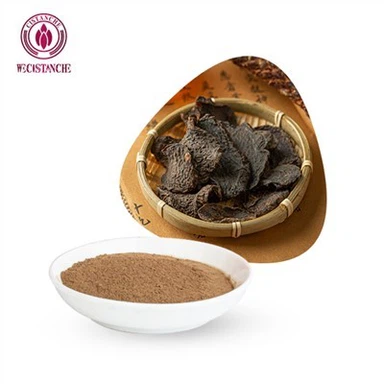
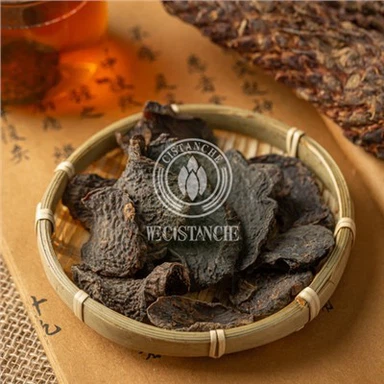
Natural Herbal Medicine For Relieving Constipation-Cistanche
Cistanche is a genus of parasitic plants that belongs to the family Orobanchaceae. These plants are known for their medicinal properties and have been used in Traditional Chinese Medicine (TCM) for centuries. Cistanche species are predominantly found in arid and desert regions of China, Mongolia, and other parts of Central Asia. Cistanche plants are characterized by their fleshy, yellowish stems and are highly valued for their potential health benefits. In TCM, Cistanche is believed to have tonic properties and is commonly used to nourish the kidney, enhance vitality, and support sexual function. It is also used to address issues related to aging, fatigue, and overall well-being. While Cistanche has a long history of use in traditional medicine, scientific research on its efficacy and safety is ongoing and limited. However, it is known to contain various bioactive compounds such as phenylethanoid glycosides, iridoids, lignans, and polysaccharides, which may contribute to its medicinal effects.

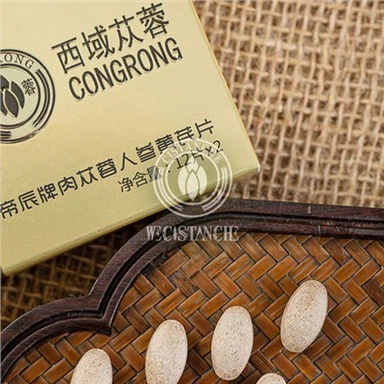
Wecistanche's cistanche powder, cistanche tablets, cistanche capsules, and other products are developed using desert cistanche as raw materials, all of which have a good effect on relieving constipation. The specific mechanism is as follows: Cistanche is believed to have potential benefits for relieving constipation based on its traditional use and certain compounds it contains. While scientific research specifically on Cistanche's effect on constipation is limited, it is thought to have multiple mechanisms that may contribute to its potential to relieve constipation. Laxative Effect: Cistanche has long been used in Traditional Chinese Medicine as a remedy for constipation. It is believed to have a mild laxative effect, which can help promote bowel movements and induce constipation. This effect may be attributed to various compounds found in Cistanche, such as phenylethanoid glycosides and polysaccharides. Moistening the Intestines: Based on traditional use, Cistanche is considered to have moisturizing properties, specifically targeting the Intestines. By promoting hydration and lubrication of the Intestines, it may help soften tools and facilitate easier passage, thereby relieving constipation. Anti-inflammatory Effect: Constipation can sometimes be associated with inflammation in the digestive tract. Cistanche contains certain compounds, including phenylethanoid glycosides and lignans, that are believed to have anti-inflammatory properties. By reducing inflammation in the intestines, it may help improve bowel movement regularity and relieve constipation.