12 Kinds Of Anti-aging Ingredients And Anti-aging Principle Of Cistanche
Apr 02, 2022
For more info. contact tina.xiang@wecstanche.com
Broadly speaking, aging can be defined as the deterioration of time-related physiological functions necessary for survival and fertility, a process that most people wish to slow down. The main causes of aging include cellular damage caused by the accumulation of free radicals and shortening of telomeres, the structures at the ends of chromosomes that play an important role in cell division.
Although aging is inevitable, extending the human lifespan and slowing the aging process have been the focus of scientific research for decades. Through this research, scientists have discovered many substances with anti-aging properties. Not only are there many medical remedies for anti-aging, but most people want to find natural ways to slow the aging process and prevent age-related diseases.

Click here to learn more products
The following ingredients have a clear anti-aging effect and are sold in finished products, but according to the current research results, it is not limited to the following ingredients, and many ingredients also have anti-aging effects.
1. Curcumin
Curcumin, the main active ingredient in turmeric, has been shown to possess powerful anti-aging properties, which have been attributed to its potent antioxidant potential. When cells stop dividing, cells age. Senescent cells accumulate with age, accelerating aging and disease progression. Studies have shown that curcumin activates certain proteins, including sirtuins and AMP-activated protein kinase (AMPK), which slow cellular aging and prolong lifespan. Additionally, studies have shown that curcumin fights cell damage and significantly extends the lifespan of fruit flies, roundworms, and mice. Curcumin can also delay age-related diseases and relieve age-related symptoms. This may be why turmeric intake may reduce the risk of age-related intellectual decline in humans. You can use turmeric in recipes or take curcumin supplements to increase your curcumin intake.
2. EGCG
EGCG is a polyphenolic compound concentrated in green tea that may reduce the risk of certain cancers and other health conditions such as heart disease. EGCG has several potential health-promoting properties, one of which is its ability to prolong life and prevent the development of age-related diseases. EGCG may slow aging by restoring mitochondrial function in cells and acting on aging-related pathways, including AMP-activated protein kinase signaling. It also causes autophagy, the process of removing damaged cellular material from the body. Incorporating green tea has been linked to a reduced risk of all-cause mortality, diabetes, stroke, and heart disease-related death. In addition, animal studies have shown that it protects the skin from ultraviolet (UV)-induced skin aging and wrinkles. EGCG can be stimulated by drinking green tea or taking a concentrated supplement to supplement.
3. Collagen
Collagen has received much attention from young people for its potential to reduce skin aging. It is an integral part of the skin and helps maintain skin structure. Collagen production slows down with age, leading to a loss of collagen in the skin, which can accelerate signs of aging such as wrinkles. For example, a 2019 study of 72 women showed that taking a daily supplement containing 2.5 grams of collagen along with several other ingredients, including biotin, for 12 weeks significantly improved skin hydration, roughness, and elasticity. Another study in 114 women found that 8 weeks of treatment with 2.5 grams of collagen peptides significantly reduced eye wrinkles and increased collagen levels in the skin. While these findings are encouraging, many collagen studies are funded by companies that manufacture collagen products, which may have influenced the findings. There are many types of collagen supplements on the market, including powders and capsules.
4. Coenzyme Q10
Coenzyme Q10 (CoQ10) is an antioxidant produced by the body. It plays a vital role in energy production and prevents cell damage. Studies have shown that coenzyme Q10 levels decline with age, and that coenzyme Q10 supplementation can improve certain health conditions in older adults. For example, a study of 443 older adults showed that supplementation with coenzyme Q10 and selenium over a 4-year period improved their overall quality of life, decreased the number of doctor visits, and slowed the deterioration of physical and mental performance. Coenzyme Q10 supplementation helps reduce oxidative stress, a characteristic of the accumulation of free radicals and other reactive molecules that can accelerate the aging process and the onset of age-related diseases. Although coenzyme Q10 holds promise as an anti-aging supplement, more evidence is needed before it can be recommended as a natural way to slow aging. Be sure to consult a trusted healthcare professional before trying it.
5. Nicotinamide Ribose and Nicotinamide Mononucleotide
Nicotinamide ribose (NR) and nicotinamide mononucleotide (NMN) are precursors of nicotinamide adenine dinucleotide (NAD+).
NAD+ is a compound found in every cell in the body and is involved in many key processes, including energy metabolism, DNA repair, and gene expression. NAD+ levels decline with age, and this decline is thought to be associated with accelerated frailty and the onset of age-related diseases such as Alzheimer's disease. Animal studies have shown that supplementation with NAD+ precursors NMN and NR restores NAD+ levels and prevents age-related physical decline. For example, a study in aging mice showed that oral administration of NMN prevented age-related genetic changes and improved energy metabolism, physical activity, and insulin sensitivity. Other animal studies have also shown positive results related to NR and NMN supplementation. However, more human studies are needed before strong conclusions can be drawn about the antiaging effects of NR and NMN.
6. Saffron
Saffron is a yellow carotenoid pigment in saffron, a popular expensive spice commonly used in Indian and Spanish cuisine. Human and animal studies have shown that saffron has many health benefits, including anti-cancer, anti-inflammatory, anti-anxiety, and anti-diabetic effects. In addition to the properties listed above, saffron has the potential to fight age and prevent age-related intellectual decline. Test-tube and rodent studies have shown that saffron helps prevent age-related nerve damage by inhibiting the production of advanced glycation end products (AGEs) and reactive oxygen species (ROS), compounds that cause aging. Saffron has also been shown to help prevent the aging of human skin cells by reducing inflammation and preventing cell damage caused by UV rays. Given that saffron is the most expensive spice in the world, a more cost-effective way to increase your intake of concentrated saffron is to take a concentrated saffron supplement.

In addition to those listed above, the following supplements have strong anti-aging potential:
7. Theanine. L-theanine is an amino acid concentrated in some teas, including green tea. It may help prevent mental weakness and has been shown to increase the lifespan of roundworms by about 5%.
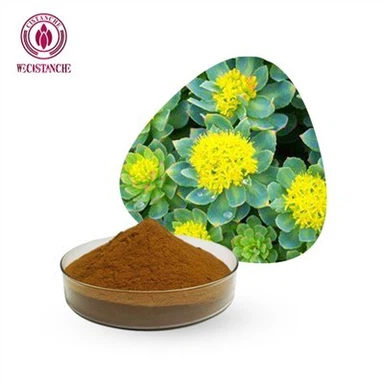
8. Rhodiola Rosea. This medicinal plant has potent anti-inflammatory and anti-aging properties. A study on fruit flies showed that treatment with Rhodiola Rosea powder increased lifespan on average by 17%.
9. Garlic. Garlic has powerful anti-inflammatory and antioxidant properties. Test-tube and rodent studies have shown that garlic supplementation can protect against UV-induced skin aging and wrinkles.
10. Astragalus. Astragalus is a stress-relieving herb used in traditional Chinese medicine. It can help fight aging by reducing oxidative stress, boosting immune function, and preventing cellular damage.
11. Fisetin. Fisetin, a flavonoid, is a therapeutic drug that kills senescent cells. Rodent studies have shown that it may reduce the number of senescent cells in tissues and extend lifespan.
12. Resveratrol. Resveratrol, a polyphenol found in grapes, berries, peanuts, and red wine, can increase lifespan by activating certain genes called sirtuins. Experimental studies have demonstrated lifespan extension in fruit flies, yeast, and nematodes. While these results are encouraging, more research on humans is needed to fully understand how these supplements can be used to extend lifespan.

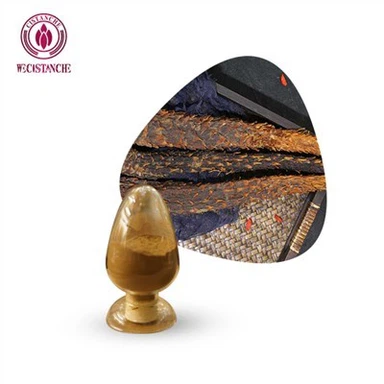
Studies have shown that Cistanche has a certain level of anti-aging effect. Cistanche can significantly improve the specificity of superoxide dismutase (SOD) in blood cells of mice, and significantly reduce the composition of lipofuscin in the heart of mice. It can also increase the average lifespan, half-to-dead days, and maximum lifespan of fruit flies. Cistanche decoction 8g/kg administered to mice by gavage can significantly increase the specificity of erythrocyte Na and K-ATPase, which may be one of the mechanisms of its tonic effect. Cistanche contains a variety of flavonoids, crystalline neutral substances, carbohydrates, nutrients, vitamins, and other ingredients. It can warm and invigorate kidney yang, nourish kidney blood, prevent the occurrence of "Yang deficiency" symptoms and prevent weight loss. It can reasonably prevent and treat men's kidney deficiency, impotence, seminal emission and premature ejaculation, and women's irregular menstruation, amenorrhea, and infertility. Cistanche contains phenytoin sugar that is not found in other medicines. It is the most effective anti-aging ingredient. Cistanche has a significant slowing effect on the embrittlement of the lower pituitary gland, sex hormones, pancreas, and other parts of the body.