32 Common Clinical Questions And Answers On Biological Agents in The Treatment Of Immune Glomerular Diseases Ⅰ
Jun 24, 2024
The evolution of drugs for the treatment of immune glomerular diseases has gone through three stages: (1) the hormone era in the 1950s; (2) the immunosuppressant era of azathioprine in the 1960s, cyclophosphamide and tripterygium wilfordii in the 1970s, cyclosporine A in the 1980s, mycophenolate mofetil, tacrolimus, and leflunomide in the 1990s; (3) the era of biological preparations in the 21st century. To date, biological preparations have become an important therapeutic drug for immune glomerular diseases.

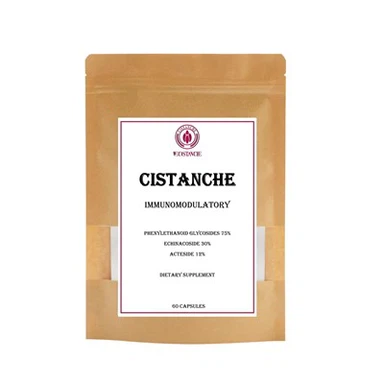
Click to Cistanche for kidney disease
Currently, the application of biological preparations in the field of nephrology is becoming more and more extensive. Commonly used biological preparations and their targets for immune glomerular diseases are (1) B lymphocyte stimulating factor specific inhibitors, anti-APRIL antibodies (belimumab, tadalafil); (2) anti-CD20 antibodies [rituximab (RTX)]; (3) plasma cell CD38 antibodies (daratumumab); (4) anti-complement C5 antibodies (eculizumab). Among them, RTX is the most widely used.
In September 2022, the "Chinese Expert Consensus on Biological Treatment of Immune Glomerular Diseases" was published in the "Chinese Journal of Nephrology", which provides a certain reference and reference for clinical physicians to use biological agents. However, in the process of using RTX to treat various immune glomerular diseases, clinicians often raise some questions that need to be answered. In order to answer these questions accurately and homogeneously, Professor Mei Changlin and others collected and sorted out 50 clinical questions, and finally sorted out "50 Questions on Rituximab Treatment of Immune Glomerular Diseases", which is expected to be officially published in September this year. At this meeting, Professor Mei Changlin gave a detailed introduction to the four aspects of these 50 questions that received more attention, namely: RTX treatment of membranous nephropathy; RTX treatment of newly diagnosed minimal change nephropathy (MCD), primary focal segmental glomerulosclerosis (FSGS) and IgA nephropathy; RTX treatment of ANCA-associated vasculitis (AAV) renal damage; RTX usage, course of treatment and precautions.
1. The treatment plan for membranous nephropathy needs to be determined based on risk stratification. There are four indicators for risk stratification, namely: (1) degree of proteinuria; (2) serum albumin level; (3) estimated glomerular filtration rate (eGFR).
2. The purpose of risk stratification is to enable graded treatment and better treatment effects. So, what are the currently recommended immunotherapy treatment plans for membranous nephropathy? See Figure 1 for details.
3. Which membranous nephropathy patients can give priority to RTX treatment?
(1) Initial treatment patients with medium/high risk; (2) Patients who have no remission or cannot tolerate CNI/CTX after 6 months of initial treatment; (3) For relapse of membranous nephropathy after remission, RTX combined with or without CNI treatment can be considered; (4) Special populations: such as patients with diabetes, obesity (BMI>28 kg/m2), peptic ulcer, uncontrolled mental illness, etc., who are relatively contraindicated for the use of glucocorticoids; (5) Patients with relapse after renal transplantation.

4. What are the recommended treatment plans for membranous nephropathy patients with RTX?
(1) Scheme 1: RTX intravenous drip, 375 mg/m2 body surface area, once a week, 4 times in a row as a course of treatment; (2) Scheme 2: RTX intravenous drip, 1000 mg on the 1st and 15th days as a course of treatment.
It is recommended to decide whether to drip again in the 6th month after treatment based on the patient's B cell recovery, anti-PLA2R antibody level, and clinical remission. Thereafter, repeat the evaluation every six months to determine whether another drip is needed.
5. Does the use of RTX in patients with membranous nephropathy increase the risk of infection?
(1) Biological agents can have adverse effects on immune function, impair host immune defense and cause serious infections; (2) Immunosuppressive therapy (RTX) for patients with membranous nephropathy will increase the risk of infection; (3) Compared with other immunosuppressants, RTX has lower infection incidence and mortality; (4) The incidence of serious infection events is about 3.7%, most of which occur within the first 6 months after the start of RTX; (5) The risk of infection in patients receiving RTX treatment depends more on the patient's baseline characteristics, primary disease, whether it is combined with glucocorticoids or other immunosuppressants, rather than just the cumulative RTX dose.
6. Is it necessary to infuse immunoglobulin at the same time when using RTX to treat membranous nephropathy?
30% of patients receiving RTX treatment will have hypogammaglobulinemia (IgG <3-5 g/L), which is related to previous CTX exposure, hormone use, and low baseline IgG level. Serum immunoglobulins need to be monitored during RTX treatment. Patients with hypogammaglobulinemia and high risk of infection can be given immunoglobulin treatment at the same time when receiving RTX treatment.
7. If the initial RTX treatment is ineffective for patients with membranous nephropathy, how should the subsequent treatment plan be adjusted?
After 6 months of initial RTX treatment for patients with membranous nephropathy, anti-PLA2R antibodies turn negative or the titer is significantly reduced, but proteinuria is not significantly relieved (reduced by <25%), it is recommended to give 500-1000 mg RTX treatment depending on the situation.

If proteinuria is not relieved and anti-PLA2R antibodies are not significantly reduced after 6 months of initial RTX treatment, the subsequent treatment should be adjusted according to the eGFR level. If the eGFR is stable (decreased by <25% from the baseline), it can be adjusted to CNI combined with RTX treatment; if the eGFR is significantly reduced (decreased by >25% from the baseline), it is necessary to adjust to hormone combined with CTX treatment.
8. How to maintain treatment after the remission of membranous nephropathy with RTX?
For patients with membranous nephropathy, it is recommended to consider whether to add RTX according to changes in clinical symptoms and immunological indicators.
For patients whose B cells are not depleted after the "four-dose regimen" or "two-dose regimen" of RTX, if the anti-PLA2R antibodies decrease significantly within 3 to 6 months, or there is a clinical tendency of remission, additional RTX may not be needed; if there is no obvious downward trend of anti-PLA2R antibodies and there is no clinical remission, it is recommended to add 500 to 1000 mg of RTX as appropriate within 3 to 6 months.
How Does Cistanche Treat Kidney Disease?
Cistanche is a traditional Chinese herbal medicine used for centuries to treat various health conditions, including kidney disease. It is derived from the dried stems of Cistanche deserticola, a plant native to the deserts of China and Mongolia. The main active components of cistanche are phenylethanoid glycosides, echinacoside, and acteoside, which have been found to have beneficial effects on kidney health.
Kidney disease, also known as renal disease, refers to a condition in which the kidneys are not functioning properly. This can result in a buildup of waste products and toxins in the body, leading to various symptoms and complications. Cistanche may help treat kidney disease ase through several mechanisms.
Firstly, cistanche has been found to have diuretic properties, meaning it can increase urine production and help eliminate waste products from the body. This can help relieve the burden on the kidneys and prevent the buildup of toxins. By promoting diuresis, cistanche may also help Reduce high blood pressure, a common complication of kidney disease.
Moreover, cistanche has been shown to have antioxidant effects. Oxidative stress, caused by an imbalance between the production of free radicals and the body's antioxidant defenses, plays a key role in the progression of kidney disease. ies help neutralize free radicals and reduce Oxidative stress, thereby protecting the kidneys from damage. The phenylethanoid glycosides found in cistanche have been particularly effective in scavenging free radicals and inhibiting lipid peroxidation.
Additionally, cistanche has been found to have anti-inflammatory effects. Inflammation is another key factor in the development and progression of kidney disease. Cistanche's anti-inflammatory properties help reduce the production of pro-inflammatory cytokines and inhibit the activation of mandatory pathways for inflammation, thus alleviating inflammation in the kidneys.
Furthermore, cistanche has been shown to have immunomodulatory effects. In kidney disease, the immune system can be dysregulated, leading to excessive inflammation and tissue damage. Cistanche helps regulate the immune response by modulating the production and activity of immune cells, such as T cells and macrophages. This immune regulation helps reduce inflammation and prevent further damage to the kidneys.

Moreover, cistanche has been found to improve renal function by promoting the regeneration of renal tubes with cells. Renal tubular epithelial cells play a crucial role in the filtration and reabsorption of waste products and electrolytes. In kidney disease, these cells can be damaged, leading to damaged renal function. Cistanche's ability to promote the regeneration of these cells helps restore proper renal function and improve overall kidney health.
In addition to these direct effects on the kidneys, cistanche has been found to have beneficial effects on other organs and systems in the body. This holistic approach to health is particularly important in kidney disease, as the condition often affects multiple organs and systems. che has been shown to have protective effects on the liver, heart, and blood vessels, which are commonly affected by kidney disease. By promoting the health of these organs, cistanche helps improve overall kidney function and prevent further complications.
In conclusion, cistanche is a traditional Chinese herbal medicine used for centuries to treat kidney disease. Its active components have diuretic, antioxidant, anti-inflammatory, immunomodulatory, and regenerative effects, which help improve renal function and protect the kidneys from further damage. , cistanche has beneficial effects on other organs and systems, making it a holistic approach to treating kidney disease.