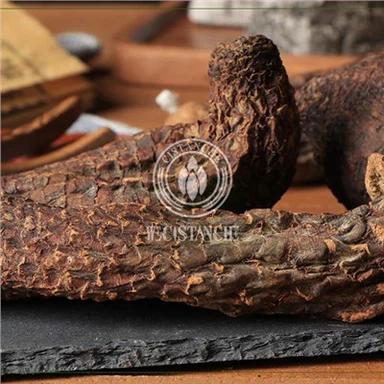
A Guide To Extracting Active Ingredients From Herbs Cistanche
Apr 13, 2023
How to Extract the Active Ingredients from Herbs or Plants
The extraction of active ingredients from herbs or plants can be a rewarding process, allowing you to harness the beneficial properties of these natural sources for medicinal, cosmetic, or culinary purposes. In this guide, we will discuss various extraction methods, including maceration, infusion, decoction, cold pressing, and solvent extraction.
Table of Contents
- Introduction to Active Ingredients
- Preparing the Plant Material
- Maceration
- Infusion
- Decoction
- Cold Pressing
- Solvent Extraction
- Concentration and Storage
Safety Considerations

High-Quality Cistanche Extract Processing Factory
1. Introduction to Active Ingredients
Active ingredients are the biologically active compounds found in herbs and plants that are responsible for their therapeutic properties. These compounds can include essential oils, alkaloids, glycosides, flavonoids, and tannins, among others. Extracting active ingredients allows you to isolate and concentrate these compounds for a variety of applications.
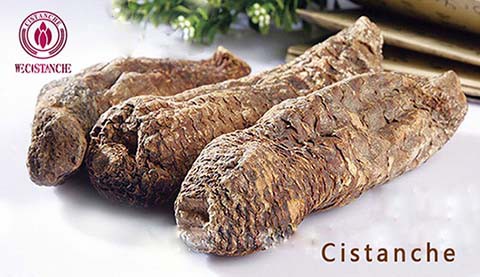
2. Preparing the Plant Material
Before extraction, it's essential to prepare the plant material to optimize the yield of active ingredients. Here are some general steps:
- Harvesting: Choose healthy, mature plants, and harvest them during the optimal time to ensure the highest concentration of active compounds. For example, harvest leaves before flowering and roots in the fall or early spring.
- Cleaning: Rinse the plant material thoroughly with water to remove dirt and debris.
- Drying: Allow the plant material to dry in a well-ventilated area away from direct sunlight. Drying can take several days to weeks, depending on the plant and environmental conditions. Some herbs can also be used fresh.
Grinding: Once dried, grind the plant material into small pieces or a coarse powder to increase the surface area for extraction.
3. Maceration
Maceration involves soaking the plant material in a liquid solvent, typically water or alcohol, to extract the active ingredients. This method is suitable for herbs with delicate essential oils or heat-sensitive compounds.
- Place the ground plant material in a glass jar or container.
- Add enough solvent to cover the plant material completely.
- Seal the container and store it in a cool, dark place for 1-4 weeks, shaking daily.
- Strain the mixture through a fine-mesh sieve or cheesecloth to remove the plant material, retaining the liquid extract.
4. Infusion
Infusion is a simple method involving the steeping of plant material in hot water to extract active ingredients. This method is commonly used for making herbal teas or infusing oils with herbs.
- Place the ground plant material in a heat-resistant container.
- Bring water to a boil and pour it over the plant material.
- Cover the container and allow the mixture to steep for 5-15 minutes, depending on the desired strength.
Strain the infusion through a fine-mesh sieve or cheesecloth, discarding the plant material.
5. Decoction
Decoction involves boiling the plant material in water to extract more robust compounds, such as alkaloids, tannins, and glycosides. This method is suitable for roots, barks, and seeds.
- Add the ground plant material to a pot and cover it with water.
- Bring the mixture to a boil, then reduce the heat and simmer for 20-60 minutes, depending on the plant material and desired strength.
- Strain the decoction through a fine-mesh sieve or cheesecloth, discarding the plant material.
6. Cold Pressing
Cold pressing is a mechanical method used to extract essential oils from citrus fruits and some seeds. This method preserves the integrity of heat-sensitive compounds.
- Clean and dry the plant material thoroughly.
- For citrus fruits, use a zester to remove the outer colored part of the peel.
- For seeds, use a mortar and pestle or a seed oil press to extract the oil.
- Collect the oil and separate it from any remaining plant material.
7. Solvent Extraction
Solvent extraction uses volatile solvents, such as ethanol or hexane, to dissolve the active ingredients in plant material. This method yields highly concentrated extracts and is suitable for isolating specific compounds.
- Place the ground plant material in a glass container and cover it with the solvent.
- Seal the container and allow the mixture to sit for several days, shaking it occasionally.
- Strain the mixture through a fine-mesh sieve or filter paper, retaining the liquid extract.
Gently heat the liquid to evaporate the solvent, leaving behind the concentrated extract.

Get A Solvent Extraction Product-Cistanche Tubulosa
8. Concentration and Storage
After extraction, you may need to concentrate the extract to a specific strength or consistency. This can involve evaporating excess water or alcohol by gently heating the extract or allowing it to evaporate at room temperature. Once the desired concentration is achieved, store the extract in airtight, amber glass containers in a food-grade bag.