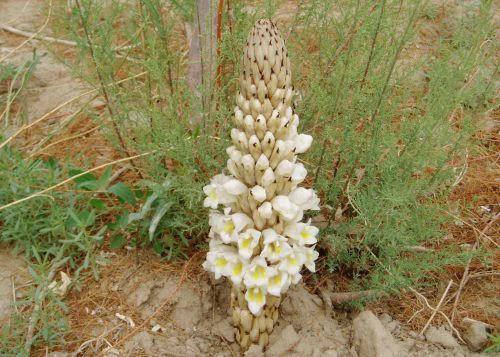
Distribution And Development Of Cistanche in Kazakhstan
Apr 19, 2023
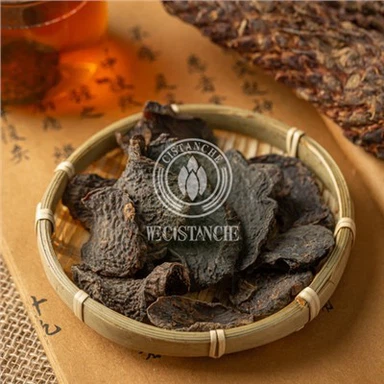
Cistanche is a genus of parasitic plants that belong to the Orobanchaceae family. The most well-known species are Cistanche deserticola, Cistanche tubulosa, and Cistanche salsa. These plants are known for their medicinal properties and are used in traditional Chinese medicine for various health benefits, such as improving memory, enhancing immunity, and promoting healthy aging.
Get Cistanche Product
Kazakhstan, being the world's largest landlocked country with diverse climatic conditions and vegetation, has a variety of ecosystems suitable for the growth of Cistanche species. The distribution of Cistanche species in Kazakhstan is mainly found in the semi-arid and arid regions, particularly in the deserts and semi-deserts where their host plants, such as saxaul (Haloxylon spp.) and saltworts (Salsola spp.), are abundant.
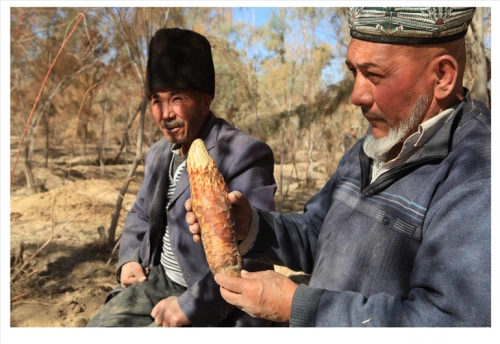
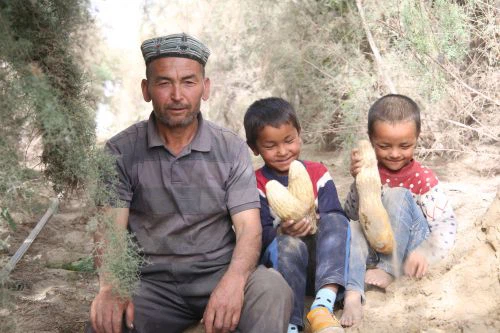
Cistanche in Kazakhstan
Distribution of Cistanche in Kazakhstan
In Kazakhstan, Cistanche species can be found in various regions:
Aral Sea Basin: The deserts and semi-deserts surrounding the Aral Sea Basin are home to Cistanche species, particularly Cistanche salsa, which parasitizes saltworts (Salsola spp.) in saline soils.
Betpak-Dala Desert: This desert region in central Kazakhstan provides suitable conditions for the growth of Cistanche species, particularly Cistanche deserticola and Cistanche tubulosa, which are often found growing on saxaul (Haloxylon spp.) and other shrubs.
Mangystau Region: Located in western Kazakhstan, this region's semi-arid climate, and the presence of host plants such as saxaul (Haloxylon spp.) provide ideal conditions for Cistanche species.
Development and Conservation in Kazakhstan
The medicinal properties of Cistanche species have led to increased interest in their cultivation, preservation, and sustainable use in Kazakhstan. Several efforts are being made in this direction:
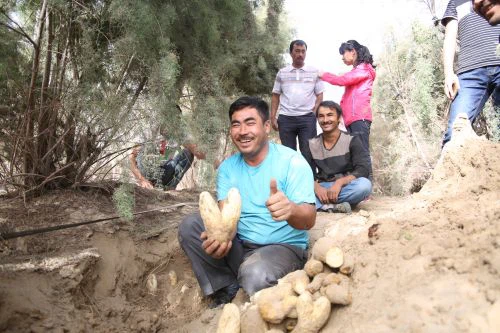
Cultivation: To ensure the sustainable use of Cistanche species, cultivation techniques are being developed and promoted. This includes practices such as tissue culture, seed germination, and the use of host plants to support the growth of Cistanche plants.
Conservation: As some Cistanche species are at risk of overexploitation, conservation efforts are being undertaken to protect their natural habitats and ensure their survival. This may involve the establishment of protected areas or the implementation of regulations on the collection and trade of wild Cistanche species.
Research: Further research is needed to better understand the distribution, ecology, and pharmacological properties of Cistanche species in Kazakhstan. This will help inform sustainable management and conservation strategies and contribute to the development of the medicinal plant industry in the country.
In conclusion, the distribution and development of Cistanche species in Kazakhstan are influenced by the unique ecological conditions of the country's diverse landscapes. Efforts to cultivate, conserve, and research these valuable medicinal plants are crucial for their sustainable use and the development of the local medicinal plant industry.