A Traditional Chinese Medicine That Specializes in Treating Stubborn Constipation!
Dec 29, 2023
Constipation is a common problem in everyone's life. Some patients eat bananas, drink honey water, and take laxatives to relieve constipation. They have tried various methods, but the constipation is still not relieved. They rely on taking laxatives to treat constipation. , will not only cause "laxative-dependent constipation", but also increase the risk of bowel cancer!

Click to home remedies for constipation
Traditional Chinese medicine emphasizes syndrome differentiation and treatment, so different prescriptions are generally chosen according to different symptoms of constipation.
Many of the current Chinese patent medicines used to treat constipation contain rhubarb, senna, aloe vera, etc. They all contain an ingredient called anthraquinone. Long-term use can lead to colon melanosis and the risk of intestinal cancer. Moreover, these medicines have cold properties, and long-term use will cause gastrointestinal deficiency and coldness. If you do not take the medicine, constipation will become more and more serious.
Today I will introduce a laxative that has no side effects and is very cheap. It can be taken for a long time and has a very good effect. This medicine is Cassia Seed.
Cassia
Cassia seeds are the dried and mature seeds of the leguminous plant Cassia or Cassia minia. They taste bitter and slightly cold and belong to the liver meridian and large intestine meridian.
Cassia seeds have the effects of clearing away heat and improving eyesight, as well as moisturizing the intestines and laxatives. People with long-term functional constipation can drink cassia seeds soaked in water.

Cassia seed is named after its efficacy.
"Ming" means good eyesight. For example, having good hearing and sight means that both the ears and eyes are very sensitive.
"Cassia" plays a key role in improving eyesight and vision.
"zi" means it is the seed of an herbaceous plant.
To distinguish stone cassia, cassia seed is sometimes called grass cassia. (Qinghuizi is also known as Cassia, but it is a foreign substance with the same name and is not the same thing.)
Cassia seeds are usually taken into decoction or tea, and can also be used externally. The main functions are to clear the liver improve eyesight, moisturize the intestines, and relieve constipation.
Cassia seeds have a strong effect of clearing away heat and promoting dampness. It can stimulate the movement of the spleen and stomach, promote the discharge of moisture in the body, and improve the symptoms of dampness and heat. At the same time, Cassia Seed also has a certain purgative effect, which can relieve constipation and poisoning problems by laxatives and detoxification.
"Handbook of Commonly Used Chinese Herbal Medicines" records that Cassia Seed: "clears the liver and improves eyesight, diuresis and laxative. It can cure hepatitis, cirrhosis, ascites, hypertension, infantile malnutrition, night blindness, wind-heat eye pain, and habitual constipation."
"Compendium of Materia Medica" also records: "Chronic constipation and stubborn constipation after stroke: stir-fry a pound of cassia seeds until fragrant and grind into fine powder, soak in water and make a pill. Take three times a day, one penny each time, for three to five days. It will naturally flow smoothly, and formed feces will be discharged without diarrhea. After that, continue to take a small amount every day to maintain regular bowel movement, increase appetite, and restore health."

However, the production process of making pills is relatively complicated, so you can use cassia seeds to make tea and drink it, about 10-30g each time. The dosage can be increased or decreased according to the smoothness of the stool.
Finally, to summarize, the main functions of Cassia Seed are to clear liver fire, improve eyesight, lower blood lipids, and lower blood pressure. The indirect function is to relieve constipation, especially constipation caused by liver stagnation and heat.
If you want to use it for other types of constipation, it is best to stir-fry it and drink it by boiling water or making tea. It has a clear laxative effect and has no side effects. It can be used by adults and children.
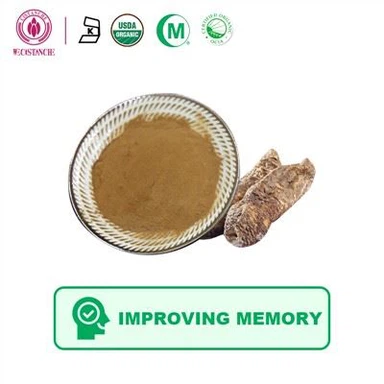
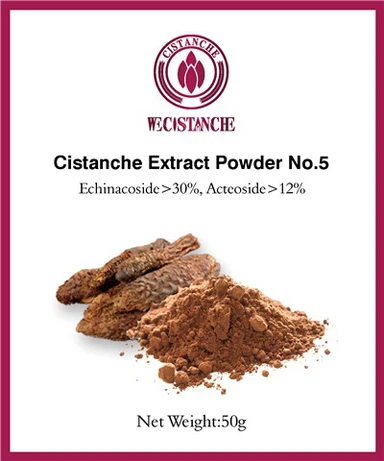
Natural Herbal Medicine For Relieving Constipation-Cistanche
Cistanche is a genus of parasitic plants that belongs to the family Orobanchaceae. These plants are known for their medicinal properties and have been used in Traditional Chinese Medicine (TCM) for centuries. Cistanche species are predominantly found in arid and desert regions of China, Mongolia, and other parts of Central Asia. Cistanche plants are characterized by their fleshy, yellowish stems and are highly valued for their potential health benefits. In TCM, Cistanche is believed to have tonic properties and is commonly used to nourish the kidney, enhance vitality, and support sexual function. It is also used to address issues related to aging, fatigue, and overall well-being. While Cistanche has a long history of use in traditional medicine, scientific research on its efficacy and safety is ongoing and limited. However, it is known to contain various bioactive compounds such as phenylethanoid glycosides, iridoids, lignans, and polysaccharides, which may contribute to its medicinal effects.

Wecistanche's cistanche powder, cistanche tablets, cistanche capsules, and other products are developed using desert cistanche as raw materials, all of which have a good effect on relieving constipation. The specific mechanism is as follows: Cistanche is believed to have potential benefits for relieving constipation based on its traditional use and certain compounds it contains. While scientific research on Cistanche's effect on constipation is limited, it is thought to have multiple mechanisms that may contribute to its potential to relieve constipation. Laxative Effect: Cistanche has long been used in Traditional Chinese Medicine as a remedy for constipation. It is believed to have a mild laxative effect, which can help promote bowel movements and induce constipation. This effect may be attributed to various compounds found in Cistanche, such as phenylethanoid glycosides and polysaccharides. Moistening the Intestines: Based on traditional use, Cistanche is considered to have moisturizing properties, specifically targeting the Intestines. Promoting hydration and lubrication of the Intestines may help soften tools and facilitate easier passage, thereby relieving constipation. Anti-inflammatory Effect: Constipation can sometimes be associated with inflammation in the digestive tract. Cistanche contains certain compounds, including phenylethanoid glycosides and lignans, that are believed to have anti-inflammatory properties. By reducing inflammation in the intestines, it may help improve bowel movement regularity and relieve constipation.