Constipation in The Elderly Is Not A Trivial Matter
Dec 29, 2023
Constipation is one of the common symptoms of the elderly. Due to dry stool and obstruction of feces, often cause abdominal distension, abdominal pain, irritability, and other symptoms, which seriously affect the quality of life of the elderly. At the same time, excessive force during defecation can easily cause cerebral hemorrhage, myocardial infarction, etc., and aggravate the existing cardiovascular and cerebrovascular diseases of the elderly. Therefore, we must pay attention to constipation in the elderly. Keeping the stool unobstructed is an important aspect of the elderly's health care. In daily life, in addition to developing the habit of regular defecation, the elderly should eat more dietary fiber foods, drink water regularly, exercise appropriately, and have other healthy lifestyles. They can also use the human body's acupoints to regularly massage Tianshu, Zhigou, Dachangshu, Shangjuxu, and Zhaohai 5 points can effectively regulate the fu qi, moisten the intestines, and relieve constipation.

Causes of constipation in the elderly
Traditional Chinese medicine believes that constipation is caused in the intestines, and constipation in the elderly is also closely related to dysfunction of the spleen, stomach, lungs, liver, kidneys, and other organs. The nature of constipation can be summarized into four aspects: cold, heat, deficiency, and excess. Internal accumulation of dryness and heat is called hot secret, stagnation of qi is called excessive secret, deficiency of qi, blood, yin, and yang is called deficiency secret, and stagnation of yin and cold is called cold secret or cold. secret.
The elderly are old and physically weak and suffer from both Qi and blood deficiency. Qi deficiency will lead to ineffective transmission of the large intestine, and blood deficiency will lead to intestinal dryness and dryness. In severe cases, both Yin and Yang will be deficient. Yin deficiency will lead to dry and hard stools, and Yang deficiency will lead to weak and hard stools. If you eat improperly, drink too much, or eat spicy, meat, desserts, and other fatty and sweet foods, it will cause gastrointestinal heat accumulation and dry stools; or if you like to eat raw and cold foods, it will cause yin-cold stasis, affect gastrointestinal conduction, and cause constipation. The elderly often suffer from excessive worries, liver failure, and lack of movement, which affects the movement of qi, causing abnormal bowel movement, poor conduction, and dregs stasis in the body, resulting in constipation. The elderly have weakened yang energy, and the cold evil energy in nature is easy to invade, and the yin and cold in the stomach and intestines cause cold secretion; or after a fever, the body fluids are consumed, resulting in dry stools and difficulty in defecation due to dryness and heat in the intestines and stomach. At this time, traditional Chinese medicine acupuncture can be very helpful to help us solve this problem:

Tianshu point
The acupoint of the Stomach Meridian of Foot Yangming is in the middle of the abdomen, 2 inches lateral to the middle of the umbilicus. The Tianshu point is located close to the intestines and is also a point for the large intestine. It is a point where the Qi of the large intestine gathers in the abdomen. Therefore, it has an adjusting effect on intestinal function and can make the intestinal function tend to be normal. When constipation occurs at the same time, it will be at the Tianshu point. There are symptoms such as pain at the acupoint. Pressing and rubbing this acupoint can treat constipation, diarrhea, gastrointestinal and abdominal pain, and other intestinal-related diseases.
Dachangshu point
The acupoint of the Foot-Taiyang Bladder Meridian is at the waist, just below the spinous process of the fourth lumbar vertebra (approximately the line connecting the highest points of the iliac spines on both sides), and 1.5 inches to the side. Dachangshu is the back shu point of the large intestine. It is an acupoint at the waist where the gas of the large intestine is infused. It can treat corresponding diseases of the large intestine, so it has a very good regulating effect on constipation, diarrhea, hemorrhoids, and other diseases. The combination of Dachangshu and Tianshu is used to match the acupoints for Shuhu. It is a representative method of acupuncture before and after clinical acupuncture. The two acupoints are used in conjunction with each other. It embodies the meaning of "yin disease moves yang, and yang disease moves in". It has a good effect on constipation. Treatment effect.
Shangjuxu point
The acupoint of the Stomach Meridian of Foot Yangming is on the anterolateral side of the calf, 6 inches below the calf's nose (3 inches below Zusanli), and one finger (middle finger) away from the front edge of the tibia. Shangjuxu is a point on the lower part of the large intestine, which is the acupoint where the qi of the large intestine connects with the stomach meridian of Foot Yangming. If there is a disease in the large intestine, it should be treated on Shangjuxu. This is in line with the principle of "joint treatment of the internal organs" in "Lingshu·Patterns of Evil Qi and Organ Diseases" Theory, so treating constipation, diarrhea, intestinal carbuncle, and other large intestine diseases is the main function of Shangjuxu. The above three acupoints are used together, which means the acupoints are assigned to the upper and lower points and the acupoints to the front and back. They work together to regulate the qi in the large intestine and treat constipation.

Zhigou point
The acupuncture point of the Sanjiao meridian of Shaoyang of the hand is on the back of the forearm, on the line connecting the Dangyang pool and the tip of the elbow, 3 inches above the transverse crease of the dorsum of the wrist, between the ulna and the radius. Zhigou point is one of the five Shu points of the triple burner meridian. The five elements belong to fire, so it can relieve the evil of fire in the triple burner. At the same time, it can regulate the triple burner qi and regulate the fu qi. Therefore, it has been used to treat constipation from ancient times to the present. Experience point.
Zhao hai Point
The acupoint of the Kidney Meridian of Foot Shaoyin is on the inside of the foot, in the depression below the tip of the medial malleolus. Zhaohai point is the intersection point of the eight meridians, which connects the Yin Qiao meridians. It is the place where the kidney meridian qi gathers, just like the sea. Elderly people often suffer from kidney essence deficiency due to old age and frailty. Rubbing the Zhaohai point can replenish kidney yin, regulate the two yin, nourish yin, increase fluid, and relieve constipation, just like "Jade Dragon Song" It is said that "if the stool is closed and cannot be passed, the sea will shine clearly in the feet."
Elderly people need to be patient when using acupoints to treat constipation. The most important thing is to persist every day. Massage and massage the above acupoints with appropriate techniques. If constipation is serious, seek medical treatment in time to identify the cause of the disease. In the case of comprehensive treatment, insist on using acupoints. Massage and conditioning can get twice the result with half the effort.
Natural Herbal Medicine For Relieving Constipation-Cistanche
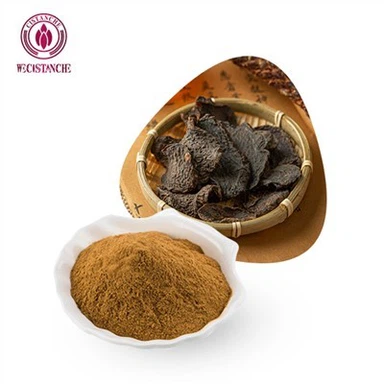
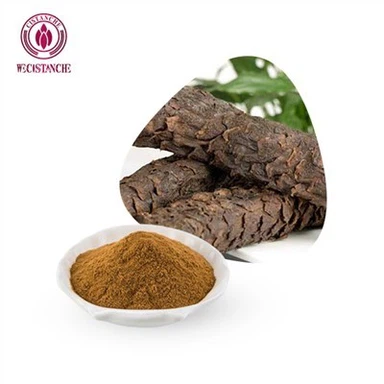
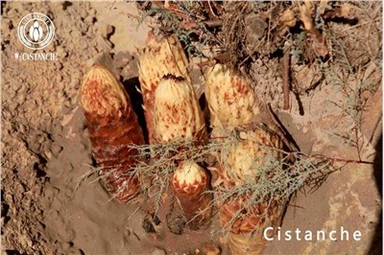
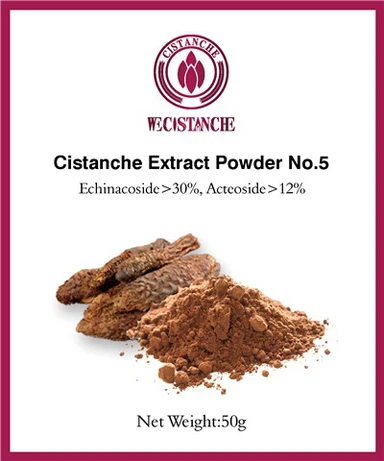
Cistanche is a genus of parasitic plants that belongs to the family Orobanchaceae. These plants are known for their medicinal properties and have been used in Traditional Chinese Medicine (TCM) for centuries. Cistanche species are predominantly found in arid and desert regions of China, Mongolia, and other parts of Central Asia. Cistanche plants are characterized by their fleshy, yellowish stems and are highly valued for their potential health benefits. In TCM, Cistanche is believed to have tonic properties and is commonly used to nourish the kidney, enhance vitality, and support sexual function. It is also used to address issues related to aging, fatigue, and overall well-being. While Cistanche has a long history of use in traditional medicine, scientific research on its efficacy and safety is ongoing and limited. However, it is known to contain various bioactive compounds such as phenylethanoid glycosides, iridoids, lignans, and polysaccharides, which may contribute to its medicinal effects.

Wecistanche's cistanche powder, cistanche tablets, cistanche capsules, and other products are developed using desert cistanche as raw materials, all of which have a good effect on relieving constipation. The specific mechanism is as follows: Cistanche is believed to have potential benefits for relieving constipation based on its traditional use and certain compounds it contains. While scientific research on Cistanche's effect on constipation is limited, it is thought to have multiple mechanisms that may contribute to its potential to relieve constipation. Laxative Effect: Cistanche has long been used in Traditional Chinese Medicine as a remedy for constipation. It is believed to have a mild laxative effect, which can help promote bowel movements and induce constipation. This effect may be attributed to various compounds found in Cistanche, such as phenylethanoid glycosides and polysaccharides. Moistening the Intestines: Based on traditional use, Cistanche is considered to have moisturizing properties, specifically targeting the Intestines. Promoting hydration and lubrication of the Intestines may help soften tools and facilitate easier passage, thereby relieving constipation. Anti-inflammatory Effect: Constipation can sometimes be associated with inflammation in the digestive tract. Cistanche contains certain compounds, including phenylethanoid glycosides and lignans, that are believed to have anti-inflammatory properties. By reducing inflammation in the intestines, it may help improve bowel movement regularity and relieve constipation.