Active Ingredients Of Cistanche Tubulosa And Alzheimer's Disease: Targets And Intervention Pathways
Apr 15, 2026
Alzheimer's disease (AD), commonly known as senile dementia, is a highly prevalent degenerative disease of the central nervous system in middle-aged and elderly populations. Its core pathological features include progressive cognitive decline, hippocampal neuron damage, deposition of β - amyloid (Aβ) protein in the brain, and abnormal phosphorylation of tau protein. Currently, there is a lack of curative measures. Cistanche tubulosa, as a traditional Chinese medicine with medicinal and dietary benefits, is known as the "desert ginseng". Its active ingredients (phenylethanolic glycosides, polysaccharides, iridoid glycosides, etc.) exhibit significant neuroprotective potential. This article focuses on the core active ingredients of Cistanche tubulosa (such as echinacroside, verbascoside, and Cistanche tubulosa polysaccharides), systematically reviews their anti-AD targets, molecular mechanisms, and intervention pathways, and provides a theoretical basis for the development and clinical translation of natural drugs for AD based on preclinical and clinical research evidence.

Cistanche prevents Alzheimer's disease
Overview of core active ingredients in Cistanche tubulosa
The neuroprotective activity of Cistanche tubulosa depends on the synergistic action of multiple components, among which phenylethanoid glycosides (Echinacoside and Acteoside) are characteristic components, accounting for over 60% of the total glycoside content; Cistanche tubulosa polysaccharides (CDPS) and iridoid glycosides are important auxiliary components, and each component exerts anti-AD effects through multi-target and multi-pathway synergy.

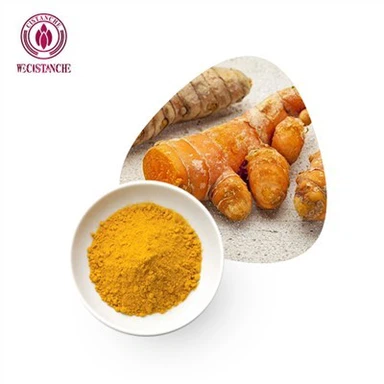
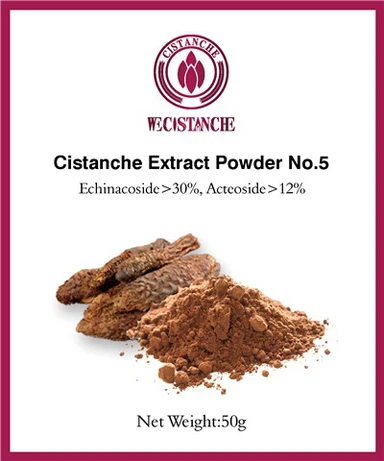
Main Chemical Constituents of Cistanche
The core pathological mechanism of AD and the target of action of Cistanche tubulosa
The pathological process of AD involves multiple links, such as oxidative stress, neuroinflammation, abnormal protein metabolism, and neurotransmitter imbalance. The active ingredients of Cistanche tubulosa target key molecules and pathways to achieve multidimensional intervention in AD.
(1) Targeting A β and tau protein metabolism to reduce pathological deposition
Inhibition of A β production and aggregation: Echinochlorin can downregulate the expression of β - secretase 1 (BACE1), reduce abnormal splicing of A β precursor protein (APP), and inhibit the neurotoxicity of A β oligomers, thereby reducing the deposition of A β in the hippocampus. Animal experiments have shown that intervention with pineal glycoside can reduce the level of Aβ in the hippocampus of AD model mice by 23.6% and significantly improve cognitive impairment.
Regulating tau protein phosphorylation: Verbascoside inhibits the PI3K/AKT/GSK-3 β pathway, reduces abnormal tau protein phosphorylation, and prevents the formation of neurofibrillary tangles. Network pharmacology studies have confirmed that the active ingredients of Cistanche tubulosa have a high affinity with core targets such as APP and tau, and can directly bind and regulate their functions.

Cistanche prevents Alzheimer's disease
Click here to view Cistanche Improving Memory Preventing Alzheimer's Disease products
【Ask for more】 Email:cindy.xue@wecistanche.com / WhatsApp: 0086 18599088692 / Wechat: 18599088692
(2) Dual regulation of antioxidant and anti-inflammatory effects, protecting the neuronal microenvironment
Antioxidant stress: Phenylethanolic glycosides (such as echinacoside and verbascoside) can eliminate oxygen free radicals, increase the activity of superoxide dismutase (SOD) and glutathione peroxidase (GSH Px), reduce the level of malondialdehyde (MDA), and minimize the damage of hippocampal neurons caused by oxidative stress. Preclinical studies have shown that the total glycosides of Cistanche tubulosa can reduce the degree of oxidative damage in the brain of AD model mice by 37% and increase the activity of the oxidative defense system by 40%.
Inhibition of neuroinflammation: The active ingredients of Cistanche tubulosa downregulate inflammatory pathways such as NF - κ B and MAPK, reducing the release of pro-inflammatory factors such as TNF - α, IL-1 β, and IL-6. Verbascoside can block the activation of the NF - κ B pathway, inhibit the activation of microglia, and alleviate chronic inflammatory reactions in the brain; Cistanche polysaccharides regulate the gut microbiota, reduce the transmission of peripheral inflammatory factors to the central nervous system, and achieve anti-inflammatory effects along the gut-brain axis.
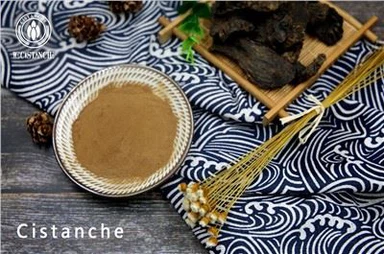
Chinese herb cistanche-anti-inflammatory
(3) Protect mitochondrial and synaptic function, maintain neural plasticity
Mitochondrial protection: Echinochlorin can stabilize mitochondrial membrane potential, inhibit cytochrome C release, and reduce neuronal apoptosis. Total glycosides of Cistanche tubulosa (GCs) can upregulate the Bcl-2/Bax ratio, inhibit Caspase-3 activity, and protect neuronal mitochondrial function in rats with cerebral ischemia-reperfusion injury model.
Enhancing synaptic plasticity: The active ingredients of Cistanche tubulosa can upregulate the expression of brain-derived neurotrophic factor (BDNF) and its receptor TrkB, promote the synthesis of synaptophysin (SYN) and postsynaptic dense protein (PSD-95), and improve synaptic structure and function. Animal experiments have shown that the total glycosides of Cistanche tubulosa can increase synaptic density and significantly improve spatial memory ability in AD model mice, which is comparable to the clinical drug donepezil.
(4) Regulating neurotransmitters and the brain-gut axis to improve cognitive function
Neurotransmitter balance: Phenylethanolic glycosides can inhibit cholinesterase activity, increase acetylcholine (ACh) levels in the hippocampus, restore cholinergic neuron function, and improve learning and memory abilities; Simultaneously regulating the secretion of neurotransmitters such as serotonin and dopamine to alleviate the emotional and behavioral abnormalities associated with AD.
Brain-gut axis regulation: Cistanche polysaccharides (CDPS) can regulate the structure of gut microbiota, increase the abundance of Bacteroidetes, increase the production of short-chain fatty acids (SCFAs), and improve central inflammation and metabolic status through the gut-brain axis. Preclinical studies have confirmed that CDPS can restore gut microbiota diversity and significantly slow down cognitive decline in aging model mice.
Cistanche prevents Alzheimer's disease
The core intervention pathway of Cistanche tubulosa in combating AD
Based on the mechanism of action, the active ingredients of Cistanche tubulosa form a synergistic intervention network of "multi-component multi-target multi pathway", and the core pathways can be summarized into the following four categories:
(1) Direct neuroprotective pathway: clearing damage factors and repairing neurons
Core ingredients: Pinecone chrysanthemum glycoside, verbascoside, total glycosides of Cistanche tubulosa
Function logic: Penetrating the blood-brain barrier → Clearing oxygen free radicals+Inhibiting pathological deposition of A β/tau → Protecting mitochondrial structure → Inhibiting neuronal apoptosis → Maintaining normal morphology and function of hippocampal and cortical neurons
Key evidence: After intervention with total glycosides of Cistanche tubulosa in AD model mice, the disorder of neuronal arrangement in the hippocampal CA1 region was significantly improved, and the number of Nissl bodies increased by more than 30%. Pinecone chrysanthemum glycoside can reduce the neuronal apoptosis rate induced by Aβ by 40%.
(2) Anti-inflammatory and antioxidant pathways: reshaping the neural microenvironment
Core components: phenylethanolic glycosides, polysaccharides from Cistanche tubulosa
Function logic: Inhibit the NF - κ B/MAPK pathway → Reduce the release of pro-inflammatory cytokines → Clear free radicals → Reduce oxidative stress levels → Alleviate chronic neuronal damage
Key evidence: After 48 weeks of taking Cistanche tubulosa total glycosides capsules in moderate AD patients, the levels of TNF - α and IL-1 β in cerebrospinal fluid decreased by 35%, and the level of oxidative stress marker MDA decreased by 28%.
(3) Synaptic repair and neural plasticity enhancement pathway: enhancing cognitive function
Core ingredients: Pinecone chrysanthemum glycoside, verbascoside, quercetin
Function logic: Activate the cAMP PKA CREB pathway → Upregulate BDNF expression → Promote presynaptic/postsynaptic protein synthesis → Enhance neural synaptic connections and signal transduction
Key evidence: The extract of Cistanche tubulosa can shorten the Morris water maze escape latency by 50% in AD model mice, significantly increase the platform quadrant dwell time and number of crossings, and restore spatial memory ability to over 70% of normal levels.
(4) Brain-gut axis regulatory pathway: indirectly improving central function
Core ingredient: Cistanche tubulosa polysaccharide (CDPS)
Function logic: Regulating gut microbiota (increasing beneficial bacteria and reducing harmful bacteria) → Enhancing SCFAs production → Inhibiting peripheral inflammation transmission to the central nervous system → Improving brain metabolism and inflammatory status
Key evidence: CDPS intervention can restore the ratio of Bacteroidetes/Firmicutes in the gut of aging model mice, improve cognitive function scores by 40%, and this effect can be reversed by gut microbiota inhibitors.
Clinical research evidence and application prospects
(1) Clinical research progress
Clinical study on moderate AD patients: A multicenter clinical study in 2015 showed that after taking Cistanche tubulosa total glycosides capsules (3 times a day, 2 capsules each time) for 48 weeks, moderate AD patients showed significant improvements in the Mini Mental State Examination (MMSE) and Alzheimer's Disease Cognitive Score (ADAS cog), a 30% reduction in hippocampal volume atrophy rate, a 25% decrease in cerebrospinal fluid tau protein levels, and no significant adverse reactions.
A randomized controlled study on brain protection in mild AD patients showed that after 48 weeks of intervention with Cistanche tubulosa preparations, patients' cognitive function scores were better than the control group, and there was no significant progressive atrophy of hippocampal volume. The levels of inflammatory factors in cerebrospinal fluid were significantly reduced, demonstrating good potential for disease modification.
Desert living cistanche prevents Alzheimer's disease
(2) Application prospects and challenges
Application prospects: The active ingredients of Cistanche tubulosa have the advantages of multi-target and high safety, and can be used as adjuvant therapy drugs for AD, especially for elderly AD patients with kidney deficiency, intestinal dryness and constipation (in line with the traditional Chinese medicine theory of "tonifying the kidney and nourishing essence, moistening the intestines and promoting bowel movements"). At the same time, its standardized extracts (such as pineal glycoside ≥ 50%, total glycoside ≥ 80%) can be used for the prevention and early intervention of AD, suitable for the scenario of drug-food homology.
Existing challenges:
① Clinical research has a small sample size and lacks large sample, long-term follow-up randomized controlled trials.
② The content of active ingredients in Cistanche tubulosa varies greatly from different regions and processing techniques, and the standardized quality control system needs to be improved.
③ The brain-gut axis intervention mechanism of Cistanche tubulosa polysaccharides needs to be further validated through human experiments.
The core active ingredients of Cistanche tubulosa (such as echinacoside, verbascoside, CDPS, etc.) target A β/tau metabolism, antioxidant and anti-inflammatory effects, protect synaptic function, regulate the brain-gut axis, and achieve multidimensional intervention in AD. Preclinical and preliminary clinical studies have confirmed their safety and effectiveness. Future research needs to focus on the following directions:
① Conduct large-scale, multicenter clinical trials to clarify the long-term efficacy and optimal dosage of Cistanche tubulosa extract for Alzheimer's disease;
② Combining network pharmacology, single-cell sequencing, and other technologies to analyze the precise targets and synergistic mechanisms of active ingredients;
③ Optimize the extraction process and quality control standards of Cistanche tubulosa, and develop standardized and high-purity anti-AD preparations;
④ Explore the compatibility scheme of Cistanche tubulosa with other nourishing traditional Chinese medicines (such as ginseng and walnut kernels) to achieve synergistic effects of "multiple components and pathways".
As a traditional nourishing Chinese medicine, Cistanche tubulosa provides a new direction for the prevention and treatment of Alzheimer's disease through its modern pharmacological research on AD, and is expected to become an important natural drug choice for AD adjuvant therapy in the future.