Anemia: A Condition Of Spleen - Kidney Deficiency. A Recipe To Nourish Both Spleen And Kidney And Boost Blood From The Root
Mar 25, 2025
Anemia is a modern - day term referring to a deficiency of qi and blood in the body. In the past, it was also known as "blood depletion" and fell under the categories of consumptive diseases, deficiency syndromes, and blood - related disorders.
The most obvious symptoms of anemia include a sallow and pale complexion, lack of color. People with anemia often feel hot in summer and cold in winter. They frequently experience dizziness, fatigue, tinnitus, poor memory, palpitations, insomnia, and 多梦. For women, anemia can lead to irregular menstruation and even amenorrhea. Anemia can also cause high fever and inflammation. Many people are unaware that severe anemia can trigger bleeding disorders, such as petechiae, ecchymoses on the skin, as well as gum bleeding, oral mucosal bleeding, and nosebleeds. Women, who are constantly losing blood throughout their lives, are particularly prone to anemia.
So, what should be done when one has anemia? Some may say, "Supplement what is lacking." That is, if you're short of blood, eat more blood - tonifying foods. While this approach is not wrong, it's a Western - medicine concept that only addresses the symptoms. Moreover, we can't keep supplementing indefinitely.
Traditional Chinese medicine (TCM) prefers to trace the root cause of a disease to achieve a long - term cure. For anemia, the root causes lie in the spleen and kidneys. Ancient physicians believed that blood is refined from food essence, which is transformed and generated by the spleen. The spleen, through its function of transporting and transforming food essence, produces qi and blood. Therefore, it's reasonable to focus on the spleen when dealing with poor qi and blood.
The kidneys, on the other hand, govern the bones, produce marrow, and store essence. Blood is transformed from the essence of the marrow, making the marrow's essence an important force in hematopoiesis.
There is a recipe specifically designed to address anemia caused by spleen - kidney deficiency. It's straightforwardly named the "Warming and Tonifying Spleen - Kidney Recipe." This recipe is a powerful solution for anemia, especially for aplastic anemia caused by spleen - kidney deficiency. It is effective for those with symptoms like a sallow complexion, pale conjunctiva, a pale tongue, and a thready, slippery, and rapid pulse.

The Warming and Tonifying Spleen - Kidney Recipe consists of Codonopsis pilosula, Astragalus membranaceus, Stir - fried Atractylodes macrocephala, Licorice, Angelica sinensis, Paeonia lactiflora, Cistanche deserticola, Lycium barbarum, Radix Rehmanniae Recens and Radix Rehmanniae Preparata, Cinnamon, Cornu Bubali, Euphorbia humifusa, Jujube, Turtle Shell, Aconite Root, and Deer Antler Powder. It is decocted in water, taken one dose daily, with half the dose in the morning and half in the evening.
The kidneys are considered the foundation of congenital constitution and the root of marrow production and hematopoiesis. Thus, when tonifying blood, it's essential to tonify the kidneys first.
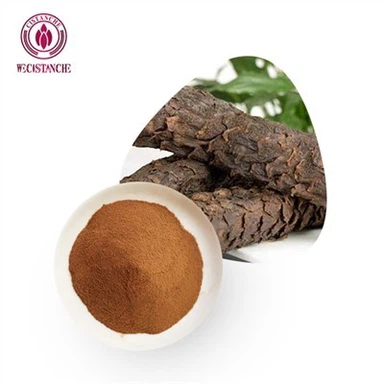
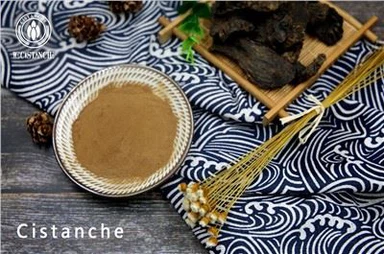
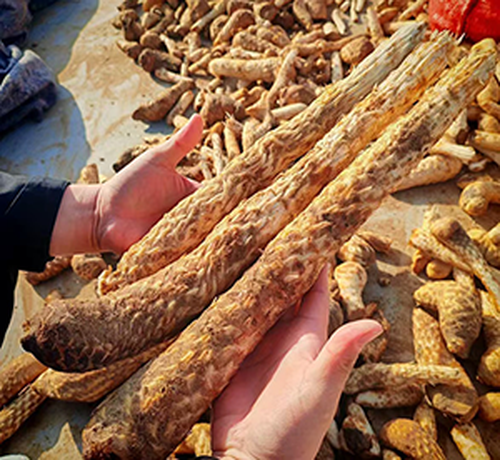
Cistanche, one of the Nine Great Celestial Herbs and a commonly used yang - tonifying herb, grows in the desert and is also known as the "Desert Ginseng" or "Desert Gold." It pertains to the kidney and large intestine meridians. The long - hour sunlight in the desert is rich in yang qi, enabling Cistanche to effectively strengthen kidney yang. Its ability to survive in the desert indicates its strong water - absorbing capacity, which helps retain body fluids. Body fluids, also known as yin fluids, mean that Cistanche can also nourish yin. As a result, it's less likely to cause excessive internal heat when tonifying kidney yang. When kidney yang is sufficient, it can continuously produce essence and blood. Additionally, Cistanche is fleshy and juicy, which can moisten the intestines and relieve constipation. In summary, it tonifies kidney yang, nourishes essence and blood, and promotes bowel movement.
Cistanche and Constipation: A Gentle and Effective Remedy
One of the most common concerns among patients is constipation. In modern medicine, constipation is often caused by a combination of factors. An unbalanced diet lacking in dietary fiber, a sedentary lifestyle, stress, and certain medications can all lead to this uncomfortable condition. The discomfort of constipation, including abdominal pain, bloating, and a feeling of incomplete evacuation, can significantly affect one's quality of life. It can also have a negative impact on overall health, affecting digestion, nutrient absorption, and even mental well - being.
Cistanche offers a natural and gentle solution for constipation. It contains dietary fiber and other substances that play a crucial role in promoting healthy digestion. The dietary fiber in Cistanche can absorb water in the intestines, increasing the volume of feces and making them softer. This is especially important for those who struggle with hard and dry stools. When feces become softer, they are easier to pass through the intestines, reducing the pain and discomfort associated with constipation.

Moreover, Cistanche can stimulate intestinal peristalsis. It promotes the rhythmic contractions of the intestinal muscles, which helps move feces along the digestive tract. This gentle stimulation is different from the harsh effects of some chemical laxatives. Chemical laxatives may cause sudden and strong bowel movements, often accompanied by abdominal cramps and potential electrolyte imbalances. In contrast, Cistanche acts gently, providing a more comfortable and sustainable way to relieve constipation without the risk of these harsh side effects. It is especially suitable for the elderly, those with sensitive digestive systems, or those who have had long - term problems with constipation.
Clinical studies have shown that Cistanche can effectively improve the symptoms of constipation. In a research involving a group of patients with chronic constipation, those who took Cistanche - based supplements for a certain period experienced a significant increase in the frequency of bowel movements and a decrease in the difficulty of defecation. Their overall quality of life was also improved as the discomfort of constipation was alleviated.
Aconite Root is highly pungent and hot. Its main functions are to reinforce fire, assist yang, and restore yang from collapse. It is a supreme herb for tonifying yang and pertains to the heart, kidney, and spleen meridians. It can strengthen heart yang, warm spleen yang, and invigorate kidney yang, warming the yang qi throughout the body. When the yang qi of the spleen and stomach is sufficient, the transportation and transformation functions are enhanced, facilitating the production of qi and blood. When kidney yang is strengthened, it can nourish essence, replenish marrow, and enhance hematopoiesis. It should be noted that Aconite Root is the root of Aconitum carmichaelii and is toxic. However, there's no need to worry too much as the Aconite Root available in pharmacies has been processed, reducing its toxicity significantly. When decocting a recipe containing Aconite Root, it should be decocted first for 40 minutes before adding other herbs to ensure safety.
Cinnamon is also a hot - natured herb. It warms, tonifies, promotes circulation, and has a strong yang - tonifying effect. It pertains to the kidney, spleen, heart, and liver meridians. Entering the kidney meridian, it can reinforce fire, assist yang, and guide the floating fire back to its origin. Entering the spleen meridian, it can warm the middle - jiao and dispel cold, treating spleen - kidney yang deficiency. Deer Antler Powder also warms and tonifies kidney yang. Dried Ginger, the spiciest and most mature form of ginger, is pungent, hot, and warm - dispersing, tonifying both the spleen and kidneys and restoring the body's hematopoiesis function.
The spleen is the foundation of acquired constitution and the source of qi and blood production. Therefore, it's necessary to tonify the spleen when dealing with anemia.
Codonopsis pilosula is a mild qi - tonifying herb often used as a substitute for ginseng. It pertains to the spleen and lung meridians and is excellent at tonifying the spleen and lung. Besides tonifying qi, it can also generate body fluids and nourish blood, making it suitable for those with weak qi, anemia, or insufficient middle - jiao qi.
Astragalus membranaceus is also a qi - tonifying herb, similar to Codonopsis pilosula. It can tonify the qi of the spleen and lung most effectively. While tonifying qi, it can also raise yang qi. When the clear yang qi of the spleen rises and the turbid qi of the stomach descends, the qi mechanism of the spleen and stomach is harmonized, and their transportation, transformation, and production functions are restored.

Stir - fried Atractylodes macrocephala is known as the "guardian of the spleen and stomach." It only pertains to the spleen and stomach meridians and is an excellent herb for strengthening the spleen and nourishing the stomach. When the spleen and stomach are deficient in qi and lack the power of transportation and transformation, it can tonify qi and strengthen the spleen. When the spleen and stomach are afflicted by dampness and pathogenic factors, it can dry dampness and promote diuresis. It can also support the healthy qi and enhance the body's resistance, often used in recipes for regulating anemia and beautifying the skin.
As we can observe, most of these herbs tonify qi and yang. There's an old saying in TCM: "Those who are good at tonifying yang must seek yang within yin, so that yang can be assisted by yin and its generation will be endless." Thus, when tonifying yang, it's essential not to forget to nourish yin.
Turtle Shell, also known as Tortoise Shell, is the carapace and plastron of a turtle. This herb is sweet, salty, and nourishing. Since turtles live mostly in water, Turtle Shell is slightly cold in nature. It is excellent at nourishing kidney yin, clearing deficient heat, tonifying the liver and kidneys, and suppressing hyperactive liver yang. It is often used in recipes for nourishing yin, suppressing yang, and tonifying kidney - blood.
Lycium barbarum, Radix Rehmanniae Recens and Radix Rehmanniae Preparata, and Paeonia lactiflora mainly nourish yin and blood, further enhancing the power of nourishing yin and suppressing yang.
Finally, Cornu Bubali and Euphorbia humifusa are mainly used to remove blood stasis and stop bleeding, addressing the bleeding problems caused by anemia.
In summary, the Warming and Tonifying Spleen - Kidney Recipe simultaneously regulates the spleen and kidneys, tonifies both yin and yang, with a prominent yang - tonifying effect. It restores the functions of the spleen and stomach in generating qi and blood and the bone marrow in hematopoiesis. It is suitable for people with anemia accompanied by symptoms such as a sallow and pale complexion, fatigue, dizziness, palpitations, and shortness of breath, as well as those with severe anemia, frequent inflammation, high fever, or bleeding manifestations like petechiae, ecchymoses, and bleeding from the gums, oral mucosa, and nose.
Beyond Constipation: Other Potential Benefits and Considerations
In addition to its effectiveness in relieving constipation, Cistanche has many other potential benefits. Modern medical research has found that Cistanche contains various bioactive substances such as phenylethanoid glycosides, polysaccharides, and alkaloids. These components endow Cistanche with antioxidant, anti - inflammatory, and immune - regulating properties.
Antioxidants in Cistanche can scavenge free radicals in the body. Free radicals are unstable molecules that can cause damage to cells and contribute to the aging process and various diseases. By neutralizing these free radicals, Cistanche helps protect cells from oxidative stress, which is beneficial for maintaining overall health and potentially reducing the risk of chronic diseases such as heart disease and cancer.
Cistanche also shows potential in regulating the endocrine system. It may help balance hormones in the body. For men, it can improve sexual function by enhancing libido and sperm quality. For women, it may relieve symptoms related to hormonal imbalances, such as menstrual irregularities.

However, like any herbal supplement, Cistanche should be used with caution. It may interact with certain medications. For example, if you are taking blood - thinners or medications for high blood pressure, it is important to consult a healthcare professional before using Cistanche. Also, people with certain health conditions, such as kidney problems or diabetes, should seek medical advice before incorporating Cistanche into their diet.
In conclusion, Cistanche is a remarkable herb with a long - standing history and great potential in modern health applications. Whether you are dealing with constipation, aiming to boost your immune system, or seeking natural anti - aging solutions, Cistanche could be a valuable addition to your health routine. But always remember to prioritize your health and make informed decisions. If you have any questions or concerns, don't hesitate to consult a healthcare provider. By understanding the properties and proper usage of Cistanche, we can better harness its power to improve our well - being and enjoy a healthier life.