Another Guidebook Is Here: Guidelines For Comprehensive Management Of Chronic Kidney Disease in The Elderly Is Released!
Oct 17, 2024
Chronic kidney disease (CKD) is one of the most important chronic non-communicable diseases in my country and poses a serious threat to the health of the elderly. With the changes in my country's social structure and lifestyle, the aging trend is becoming more and more serious. By 2022, China's population over 60 years old will reach 280 million [1], making it the country with the largest elderly population in the world.

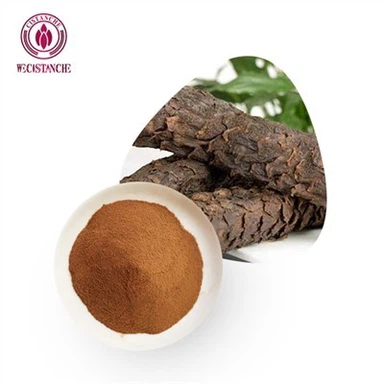
Click to Cistanche for kidney disease
Despite this situation, there are currently few management guidelines and consensus for elderly CKD patients at home and abroad, especially a lack of comprehensive management guidelines for primary care physicians. Against this background, the Chinese Society of Gerontology and Geriatrics has formulated the "Guidelines for the Comprehensive Management of Chronic Kidney Disease in the Elderly" [2]. To this end, the Chinese Society of Gerontology and Geriatrics initiated the "Guidelines for the Comprehensive Management of Chronic Kidney Disease in the Elderly" [2]. To this end, the Chinese Society of Gerontology and Geriatrics initiated the "Guidelines for the Comprehensive Management of Chronic Kidney Disease in the Elderly" and was led by Professor Liu Huafeng of the Affiliated Hospital of Guangdong Medical University. Professor Sun Lin of the Second Xiangya Hospital of Central South University, Professor Li Xiaoning of Zhongnan Hospital of Wuhan University, Professor Cheng Qingli of the General Hospital of the People's Liberation Army, and Professor Liu Weijing of Beijing University of Chinese Medicine served as the authors. More than 100 experts in Western medicine, traditional Chinese medicine, integrated Chinese and Western medicine nephrology, geriatrics, cardiovascular medicine, and endocrinology were organized to jointly formulate this guideline for the comprehensive management of CKD in the elderly in China. The aim is to provide primary medical institutions with a comprehensive management strategy for elderly CKD patients, so as to enhance management capabilities, delay disease progression, and improve the quality of life of the elderly. This channel specially invited Professor Sun Lin from the Second Xiangya Hospital of Central South University, Professor Liu Huafeng from the Affiliated Hospital of Guangdong Medical University, and Professor Li Xiaoning from the Zhongnan Hospital of Wuhan University to interpret and share the updates of this guideline.

The elderly are a high-risk group for CKD, and China, as the country with the largest elderly population in the world, faces severe challenges in the prevention and treatment of CKD. With the increase of age, the incidence of CKD rises rapidly, especially in people aged 70 and above, the prevalence of CKD is as high as 29.0%, and the probability of renal impairment is 329 times that of young people [3]. The increase in elderly CKD patients makes disease management and treatment for this special population particularly important.
There has been controversy over the diagnostic criteria for elderly CKD, especially whether elderly people without albuminuria and an estimated glomerular filtration rate (eGFR) between 45-60ml/min/1.73m2 can be diagnosed with CKD. In this regard, the guidelines recommend the use of the definition of the Kidney Disease Improving Global Outcomes (KDIGO) 2024 version of the guidelines [4], that is, eGFR < 60ml/min/1.73m2 as the diagnostic standard for elderly CKD, but the specific conditions of the patients should be considered, such as the lack of evidence of kidney damage such as proteinuria and hematuria, and caution should be exercised when diagnosing elderly CKD patients. The guidelines also pointed out that in order to better fit the characteristics of the elderly population, it is recommended to use the CKD-EPI cr-cyst formula to assess the renal function of the elderly. This formula takes into account the complex physiological changes of the kidneys and can more accurately assess the renal function of the elderly, thereby facilitating the staging and stratification of the disease.
In recent years, the etiology spectrum of elderly CKD in China has changed significantly. Diabetic nephropathy has replaced chronic glomerulonephritis as the primary cause of elderly CKD in my country [5]. Therefore, targeted etiology screening for elderly CKD patients is helpful for early detection and timely treatment, thereby improving treatment effects and reducing the occurrence of complications.
In short, with the growth of the elderly population in China and the changes in the etiology spectrum of CKD, the diagnosis and treatment of elderly CKD face new challenges. By using the CKD-EPI cr-cyst formula to assess renal function, strengthen the identification and management of high-risk groups, and conduct targeted etiology investigation, the diagnostic accuracy and treatment efficiency of elderly CKD patients can be effectively improved, and the prognosis of elderly CKD patients can be improved.
Strengthening the screening of high-risk groups, comprehensively assessing the health status of patients, and assessing the progression risk stratification are important strategies for preventing and treating elderly CKD and improving the prognosis of patients. Elderly CKD patients require more detailed and comprehensive management measures due to their special physiological and pathological characteristics. Through early screening, high-risk groups for kidney disease can be identified, so that early intervention can be carried out to delay the progression of CKD. Active and comprehensive assessment of the health status of elderly CKD patients is the key to developing personalized treatment plans. This includes assessing the patient's physical condition, functional status, psychological status, social support and other factors to more comprehensively understand the patient's overall health status and provide patients with more accurate treatment and care [6].
In addition, assessing the CKD progression risk stratification helps determine the patient's monitoring frequency and treatment plan. According to the patient's eGFR level and proteinuria grade, the CKD progression risk can be divided into low risk, medium risk, high risk and very high risk, so as to formulate corresponding treatment and management strategies.
The complications of elderly CKD patients are different from those of middle-aged and young patients. Elderly people are more likely to develop complications such as acute kidney injury (AKI), renal anemia, hypertension, cardiovascular and cerebrovascular diseases, infections, water electrolyte and acid-base imbalance. Therefore, paying attention to complications and extrarenal organ comorbidities in the elderly population is of great significance for all-round management of patients and prevention of adverse events.
Comorbidity management depends on the construction of the hospital multidisciplinary team (MDT) diagnosis and treatment model. The MDT diagnosis and treatment model can bring together experts from multiple disciplines such as nephrology, geriatrics, nutrition, psychology, traditional Chinese medicine, and rehabilitation medicine to provide comprehensive evaluation and treatment for elderly CKD patients. This model helps to achieve holistic and full-process management of elderly CKD patients, improve treatment effects, and improve patients' quality of life. Multidisciplinary joint diagnosis and treatment is the future clinical development direction. With the intensification of population aging and changes in the disease spectrum, the treatment needs of elderly CKD patients are becoming more and more diverse. The MDT diagnosis and treatment model can better meet these needs and provide patients with more comprehensive and continuous treatment and care services through multidisciplinary cooperation and communication. This model helps improve the quality of medical services and promote the health and well-being of elderly CKD patients.
The guidelines emphasize that in the treatment of elderly CKD, it is recommended to first clarify the cause, and then develop a personalized and precise treatment plan based on the clinical and pathological diagnosis results. This treatment strategy emphasizes the in-depth exploration of the cause of elderly CKD patients in order to provide them with more accurate and effective treatment measures.
In addition, attention should also be paid to the comprehensive management of elderly CKD patients, including active education to promote patient self-management, pay attention to the mental health of the elderly patient population, and establish a complete referral mechanism. Among them, special attention should be paid to improving the referral mechanism between grassroots hospitals and higher-level kidney disease specialist hospitals to ensure that patients receive timely professional medical resources. It is hoped that through continuous tracking and evaluation, continuous medical care can be provided to elderly CKD patients, reducing acute exacerbation events, improving prognosis, and improving quality of life.
In terms of drug treatment, the guidelines detail the use of antihypertensive drugs, hypoglycemic drugs, nonsteroidal mineralocorticoid receptor antagonists (nsMRA), diuretics, glucocorticoids and immunosuppressants, and give the following recommendations:
When antihypertensive drugs are used in elderly patients with CKD and hypertension, it is recommended to reasonably select antihypertensive drugs such as renin angiotensin system inhibitors (RASi), calcium channel blockers, and beta-receptor blockers according to the characteristics of elderly hypertension, and follow the principles of initial low dose, long-term, combined, moderate and individualized treatment to avoid hypotension. (1B)
When hypoglycemic drugs are used in elderly patients with CKD and type 2 diabetes (T2DM), it is recommended to avoid using drugs that increase the risk of hypoglycemia. On the basis of angiotensin converting enzyme inhibitors (ACEi)/angiotensin receptor antagonists (ARB), attention should be paid to the preference of hypoglycemic drugs with cardiorenal benefits, such as sodium glucose cotransporter 2 inhibitors (SGLT2i). (1A)
For elderly patients with CKD and T2DM, eGFR>25ml/min/1.73m2, urine albumin-creatinine ratio (UACR)>30mg/g and no hyperkalemia, nsMRA is recommended in addition to ACEi/ARB. (1A)
RASi, SGLT2i, and finerenone ("renal triad") are recommended for combined treatment of elderly patients with T2DM and CKD in accordance with the principles of rationality, sequence, and individualization. During use, blood pressure, blood potassium, and renal function should be monitored regularly. (1A)
When elderly patients with CKD have impaired renal function, attention should be paid to the side effects of diuretics. (2B)
When elderly patients with CKD use glucocorticoids and immunosuppressants, special attention should be paid to side effects such as severe infection, increased blood sugar, gastrointestinal bleeding, and osteoporosis. (1B)

Among them, finerenone selectively and potently antagonizes mineralocorticoid receptors (MR), targets anti-inflammatory and anti-fibrosis, provides direct and comprehensive renal and cardiac protection, and promotes the upgrading of disease treatment strategies. Currently, finerenone has been unanimously recommended by Chinese and international authoritative guidelines as the preferred drug for the treatment of T2DM-related CKD. The age subgroup in the FIDELITY meta-analysis showed that different age groups had consistent benefits, among which patients ≥65 years old had a better benefit trend, and there was no overall difference in safety and efficacy between patients ≥65 years old and younger patients, and no dose adjustment was required during medication [7]. Therefore, this guideline recommends that elderly patients with CKD and T2DM with eGFR>25ml/min/1.73m2, UACR>30mg/g, and no hyperkalemia should use nsMRA on the basis of ACEi/ARB to reduce urine protein, delay CKD progression, and reduce the risk of cardiovascular events. This recommendation level is 1A.
The guidelines also recommend the use of RASi, nsMRA finerenone, and SGLT2i ("renal triad") for elderly patients with T2DM and CKD whose renal function is within the appropriate range. The combined use of these three drugs has become an important treatment strategy for improving the prognosis of elderly CKD patients based on the comprehensive control of multiple pathogenic factors such as hemodynamics, metabolism, inflammatory fibrosis, etc. [8]. The "renal triad" is proposed to advocate the treatment principle of "rational, sequential, and individualized", but there is no order of administration of finerenone and SGLT-2i. The corresponding drugs can be started first according to the different treatment needs of patients. The guidelines also recommend that there should be an interval of 3-4 weeks during the combined use to avoid the superposition of eGFR decrease due to hemodynamic fluctuations. It is also recommended to stop diuretics for one week before starting treatment.
Of course, during the use of elderly CKD patients, attention should be paid to monitoring the patient's blood pressure, renal function, blood potassium and other indicators to ensure the safety and effectiveness of the treatment. Individualized treatment plans and regular testing of patient indicator data are necessary means to improve patient prognosis.
Summary
Given the current aging situation in my country, the release of the consensus has played an important guiding role in the management of chronic kidney disease (CKD) in the elderly by primary medical institutions, and has significantly promoted the improvement of the management level of CKD in primary medical institutions. We call on primary medical institutions and their medical staff to actively learn and apply the recommendations in the consensus, and further strengthen the attention and screening of elderly CKD patients. At the same time, we should also encourage the active use of "renal triad" therapeutic drugs to improve the treatment effect of elderly CKD patients and significantly improve their quality of life. In the future, it is still necessary to further improve relevant clinical research and promote the development of personalized treatment plans to achieve the goals of precision medicine and intelligent medicine. This will be an important way to improve the management effect of elderly CKD patients and reduce the social medical burden.
How Does Cistanche Treat Kidney Disease?
Cistanche is a traditional Chinese herbal medicine used for centuries to treat various health conditions, including kidney disease. It is derived from the dried stems of Cistanche deserticola, a plant native to the deserts of China and Mongolia. The main active components of cistanche are phenylethanoid glycosides, echinacoside, and acteoside, which have been found to have beneficial effects on kidney health.
Kidney disease, also known as renal disease, refers to a condition in which the kidneys are not functioning properly. This can result in a buildup of waste products and toxins in the body, leading to various symptoms and complications. Cistanche may help treat kidney disease ase through several mechanisms.
Firstly, cistanche has been found to have diuretic properties, meaning it can increase urine production and help eliminate waste products from the body. This can help relieve the burden on the kidneys and prevent the buildup of toxins. By promoting diuresis, cistanche may also help Reduce high blood pressure, a common complication of kidney disease.
Moreover, cistanche has been shown to have antioxidant effects. Oxidative stress, caused by an imbalance between the production of free radicals and the body's antioxidant defenses, plays a key role in the progression of kidney disease. ies help neutralize free radicals and reduce Oxidative stress, thereby protecting the kidneys from damage. The phenylethanoid glycosides found in cistanche have been particularly effective in scavenging free radicals and inhibiting lipid peroxidation.
Additionally, cistanche has been found to have anti-inflammatory effects. Inflammation is another key factor in the development and progression of kidney disease. Cistanche's anti-inflammatory properties help reduce the production of pro-inflammatory cytokines and inhibit the activation of inflammation mandatory pathways, thus alleviating inflammation in the kidneys.

Furthermore, cistanche has been shown to have immunomodulatory effects. In kidney disease, the immune system can be dysregulated, leading to excessive inflammation and tissue damage. Cistanche helps regulate the immune response by modulating the production and activity of immune cells, such as T cells and macrophages. This immune regulation helps reduce inflammation and prevent further damage to the kidneys.
Moreover, cistanche has been found to improve renal function by promoting the regeneration of renal tubes with cells. Renal tubular epithelial cells play a crucial role in the filtration and reabsorption of waste products and electrolytes. In kidney disease, these cells can be damaged, leading to damaged renal function. Cistanche's ability to promote the regeneration of these cells helps restore proper renal function and improve overall kidney health.
In addition to these direct effects on the kidneys, cistanche has been found to have beneficial effects on other organs and systems in the body. This holistic approach to health is particularly important in kidney disease, as the condition often affects multiple organs and systems. che has been shown to have protective effects on the liver, heart, and blood vessels, which are commonly affected by kidney disease. By promoting the health of these organs, cistanche helps improve overall kidney function and prevent further complications.
In conclusion, cistanche is a traditional Chinese herbal medicine used for centuries to treat kidney disease. Its active components have diuretic, antioxidant, anti-inflammatory, immunomodulatory, and regenerative effects, which help improve renal function and protect the kidneys from further damage. , cistanche has beneficial effects on other organs and systems, making it a holistic approach to treating kidney disease.