

Are Saunas Beneficial Or Harmful For Autosomal Dominant Polycystic Kidney Disease? Examination With Model Mouse Ⅱ
Jan 08, 2024
III Results
1. Changes in general parameters due to repeated sauna
Table 1 summarizes the physiological data obtained at the endpoint of the experiment. The body weight of the SW group was found to be significantly higher than that of the TS group (p < 0.05). The food intake and tap water intake of all groups were similar (NS). The intake of 4% sucrose-containing water did not affect blood glucose levels in the TS and SW groups (NS vs. control). The urine osmolality of the TS and SW groups appeared to be lower than that of the control group.


CLICK HERE TO GET NATURAL ORGANIC CISTANCHE EXTRACT WITH 25% ECHINACOSIDE AND 9% ACTEOSIDE FOR KIDNEY FUNCTION
2. Effect of repeated sauna on renal function and cyst enlargement
Table 2 summarizes the renal function parameters. The plasma creatinine or the blood urea nitrogen (BUN) levels in the TS group were slightly higher than those in the control group. In contrast, cyst enlargement in the TS group was slightly inhibited compared to that in the control group. There was a similar cystic enlargement of tubules in all groups at the end of the experiment. Representative cystic expansion of the tubules is shown in Fig. 2.

3. Expression and phosphorylation of Hsps in the kidney by repeated sauna
We performed western blot analysis of Hsps to determine the heat load on the kidney (Fig. 3A). As we previously reported13), the TS group showed approximately a 3.08-fold increase in Hsp27 expression, and approximately 1.95-fold increase in phosphorylated Hsp27 expression, compared to the control group. No such increase was observed in the SW group, compared to the control group (Fig. 3A, D, E). However, Hsp90 expression in the TS and SW groups decreased by approximately 0.61-fold and 0.51-fold, respectively, compared to the control group (Fig. 3A, C). Phosphorylated Hsp90 was similarly expressed in all the groups (Fig. 3A, B).


Fig. 2 A: Representative photomicrographs (×2.5) of HE-stained kidney section. Scale bar: 300 μm. B: Quantitation of the cystic expansion of tubules were observed all groups. Data are shown as mean ± SEM. n = 3 for each group.

4. Expression of cell growth and size-related proteins in the kidney
It was previously reported that Hsp90, which is involved in cyst formation and growth of ADPKD, was overexpressed in human and murine PKD-associated kidney cysts). Following the confirmation of reduced Hsp90 expression in the kidneys in the TS and WS groups, we confirmed the expression of cell growth and size-related proteins16). Over-activation of the PI3K/ Akt/mTOR network is a well-known pathogenic event that leads to hyperproliferation. In polycystic kidney disease, the mTOR cascade promotes cyst growth by increasing the proliferation, size, and metabolism of kidney tubule epithelial cells15), 17). Expression of Erk1/2, which is involved in the signaling pathway of cyst epithelial cell proliferation18), was reduced in the TS and SW groups compared with that in the control group (P < 0.05, TS vs. control; Fig. 4A, D, E). However, there was no change in the expression of Akt and mTOR (Fig. 4A, B, C, F, G).

5. Effect of sauna or 4% sucrose water on the apoptosis pathway
Caspases are expressed as inactive precursors inside cells and they are activated in response to a variety of cell death stimuli. Activation involves dimerization and often oligomerization of pro-caspases, followed by cleavage into a small subunit and large subunit19). Activated caspases cleave specific target substrates and lead to cell death. There are two methods for detecting the activation of caspase, one is a method using an antibody and the other is a method using a caspase substrate. In the method using an antibody, it can be detected by the amount of an uncleaved precursor and/or a cleaved caspase. Caspase3 which is one of the effector caspase, is a key regulator of apoptosis. Activated caspase-3 can cleave multiple structural and regulatory proteins, which are critical for cell survival and maintenance. To assess whether apoptosis was affected by sauna, we measured the amount of pro-caspase3 and cleaved caspase3 expression by standard western blotting. Figure 5 shows that there was a small increase in caspase3 activity in the TS and SW groups, compared to that in the control group.

Supportive Service Of Wecistanche-The largest cistanche exporter in the China:
Email:wallence.suen@wecistanche.com
Whatsapp/Tel:+86 15292862950
Shop For More Specifications Details:
https://www.xjcistanche.com/cistanche-shop
You Might Also Like
-
Cisntanche Supplement Immunity Booster
-
Cistanche Supplements Enhance Memory and prevent Parkinso...
-
Improve Memory ,Cistanche Tubulosa Supplement Effects
-

Wecistanche Black Platinum 50° herbal liquor health liquo...
-

Cistanche Dietary Supplement Anti-Oxidation Support Pheny...
-
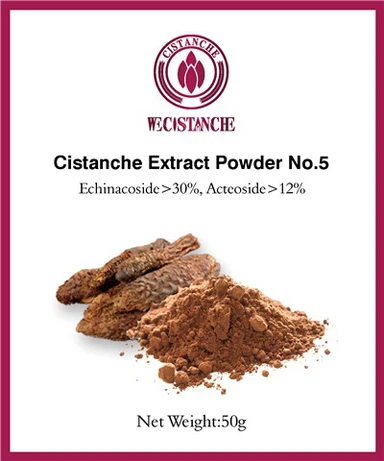
Herbal Cistanche Dietary Supplement Capsules Total Glycos...