Attention People With High Blood Pressure! Don’t Put It Off Any Longer For Constipation
Oct 27, 2023
Most people pass regular soft stools once a day, or once every three days, without any discomfort, which is normal. However, for some people with high blood pressure and constipation, especially elderly people with high blood pressure and constipation, "toilet cardio-cerebral stroke events" occur from time to time. This has to attract our great attention!

The occurrence of hypertension is closely related to the aging and hardening of arteries and blood vessels. Patients are mainly middle-aged and elderly people. The occurrence of constipation is mostly related to age and underlying diseases. The incidence rate usually doubles with the degree of aging. high.
The prevalence of constipation in the elderly in China is 18.1%; the prevalence of chronic constipation in people over 70 years old reaches 23%, and it can reach 38% in people over 80 years old. A survey showed that the prevalence of constipation among patients with hypertension was 16.1%, which was also significantly higher than the 8.2% rate in the general population.
For patients with severe hypertension, doctors will also remind them to prevent constipation to avoid sudden attacks of various cardiovascular and cerebrovascular diseases.
Why are patients with high blood pressure prone to constipation?
First of all, most patients with hypertension are of an age that has already shown varying degrees of body function decline, such as muscle relaxation, delayed nerve response, endocrine disorders, insufficient intestinal motility, etc., which will hinder the normal defecation process.

Secondly, patients with hypertension are often accompanied by various other chronic diseases, such as diabetes, chronic renal insufficiency, etc., and they also need to take a variety of drugs, such as blood pressure-lowering diuretics or diuretics, and various analgesics and anti-inflammatory drugs. As well as neurological and psychiatric drugs, these diseases and drugs are important risk factors for constipation.
Finally, patients with high blood pressure develop unhealthy lifestyles due to age or disease, such as sitting for long periods, too little activity, too simple a diet, lack of adequate dietary fiber intake, and insufficient daily drinking water, etc., which all lead to It can easily cause dry and hard stools and difficulty in defecation, further increasing the possibility of constipation.
Why are elderly hypertensive patients prone to "toilet cardio-cerebral stroke events"?
Although constipation is a painful thing for anyone, for patients with high blood pressure, constipation is not only painful but also potentially fatal.
Patients with constipation often exert excessive force when defecating. At this time, their blood pressure will rise sharply. In addition, most people's defecation habit is after getting up in the early morning, which is the peak time of blood pressure in the day. Patients with high blood pressure are generally accompanied by blood vessels. Cardiovascular health problems such as aging and atherosclerosis. When blood pressure rises significantly and the pressure exceeds the capacity of the blood vessel wall, local fragile blood vessels will likely be overwhelmed and rupture, resulting in cerebral hemorrhage.
In addition, straining to defecate will also increase the afterload of the heart, increase myocardial oxygen consumption, lead to insufficient blood supply to the myocardium, and increase cerebrovascular pressure. At the same time, the increase in abdominal pressure after squatting can increase the amount of blood returned to the heart, reduce vital capacity, increase the preload of the heart, and reduce oxygen intake, thereby inducing severe myocardial ischemia, hypoxia, and cerebrovascular accidents.
Especially elderly hypertensive patients with constipation are likely to die suddenly in the bathroom early in the morning.
Hypertensive patients
How to improve your lifestyle and prevent constipation?
1. Optimize diet structure
Eat a variety of foods rich in dietary fiber; make sure you drink 2 liters of water a day (including water from drinking water and food). Adequate dietary fiber and water can better promote intestinal peristalsis, increase the water content of stool, avoid dryness and lumps, and facilitate smooth defecation. In addition, drinking a cup of yogurt every day to regulate intestinal flora will also help prevent constipation.

Hypertensive patients, especially elderly patients, should consume sufficient dietary fiber should not be too partial to refined foods, and should eat a balanced diet. Eat more vegetables, fruits, cereals, and nuts in your diet, less dairy products and meat, drink more water, and less strong tea or caffeinated drinks.
2. Maintain moderate exercise
Proper exercise can promote intestinal peristalsis, shorten intestinal transit time, and help prevent the occurrence of constipation or alleviate the symptoms of constipation.
Patients with high blood pressure can choose appropriate exercise based on local conditions, such as jogging or brisk walking on treadmills, steppers, and other equipment, traditional health-preserving exercises such as Tai Chi, Wu Qin Xi, and Baduan Jin, or housework activities such as laundry, cleaning, and gardening.
Each exercise time should not exceed half an hour. The elderly who are bedridden or in wheelchairs for a long time can perform effective exercises by turning their bodies and waving their arms.
3. Develop good bowel habits
Generally, it is easier to defecate successfully after getting up in the morning or 2 hours after eating. You can choose a suitable period according to personal habits and defecate regularly every day. As long as a certain time comes, no matter whether you feel the urge to defecate or not, you have to go to the toilet to defecate, gradually forming a conditioned reflex.
During the defecation process, you should relax and not be overly nervous but don't be half-hearted either. You should concentrate on defecating actively and don't read books, newspapers or do other things. Lack of concentration can prolong bowel movements and may cause constipation. It is recommended that the toilet time should not exceed 10 minutes. If the problem cannot be solved within 10 minutes, you can stand up and move around first, and then go to the toilet again after a while.
Patients with high blood pressure should pay special attention not to exert excessive force when defecating to avoid cardiovascular and cerebrovascular accidents. Patients with severe constipation can use laxatives under the guidance of a doctor.
4. Try to stay away from tobacco and alcohol
Smoking and drinking are important causes of and aggravation of high blood pressure. Smoking can accelerate the process of coronary atherosclerosis, and alcohol can promote the hardening of arterial blood vessel walls, which can aggravate high blood pressure.
5. Maintain a good mood and get enough sleep
Try to avoid negative emotions such as anger and rage. Large emotional fluctuations are not conducive to blood pressure stability. Avoid staying up late and being tired, and maintain a normal circadian rhythm and good sleep. Patients with hypertension should ensure that they get 8 hours of sleep a day. Staying up late and being tired can also cause blood pressure to rise.
What to do if constipation cannot be relieved?
If patients with high blood pressure still cannot relieve constipation after adjusting their lifestyle, they should go to the hospital in time. Never stop taking a certain antihypertensive drug without permission just because you suspect it is causing constipation. When blood pressure is out of control with medication, it will rebound rapidly in a short period, which is also a very dangerous thing for patients. To eliminate the "thunder" of constipation, you cannot ignore the bigger "thunder" of soaring blood pressure.

Whether it is adjusting the antihypertensive medication regimen or adding drugs that improve intestinal peristalsis and promote defecation, it must be done under the guidance of a doctor. Only in this way can constipation be effectively relieved and adverse events avoided while ensuring stable blood pressure. risk.
Natural Herbal Medicine For Relieving Constipation-Cistanche
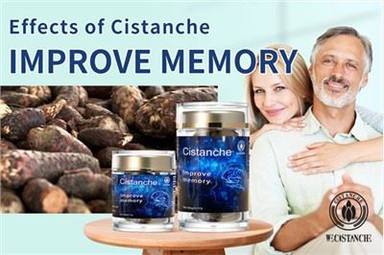
Cistanche is a genus of parasitic plants that belongs to the family Orobanchaceae. These plants are known for their medicinal properties and have been used in Traditional Chinese Medicine (TCM) for centuries. Cistanche species are predominantly found in arid and desert regions of China, Mongolia, and other parts of Central Asia. Cistanche plants are characterized by their fleshy, yellowish stems and are highly valued for their potential health benefits. In TCM, Cistanche is believed to have tonic properties and is commonly used to nourish the kidney, enhance vitality, and support sexual function. It is also used to address issues related to aging, fatigue, and overall well-being. While Cistanche has a long history of use in traditional medicine, scientific research on its efficacy and safety is ongoing and limited. However, it is known to contain various bioactive compounds such as phenylethanoid glycosides, iridoids, lignans, and polysaccharides, which may contribute to its medicinal effects.
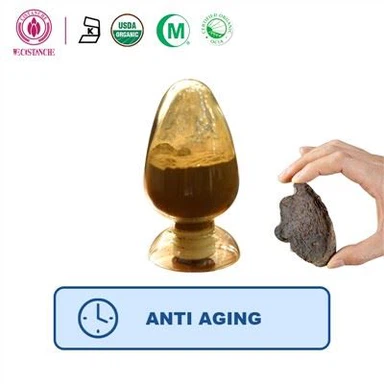
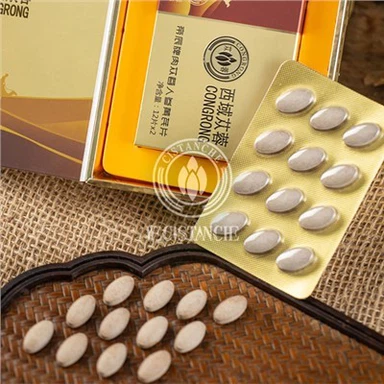
Wecistanche's cistanche powder, cistanche tablets, cistanche capsules, and other products are developed using desert cistanche as raw materials, all of which have a good effect on relieving constipation. The specific mechanism is as follows: Cistanche is believed to have potential benefits for relieving constipation based on its traditional use and certain compounds it contains. While scientific research specifically on Cistanche's effect on constipation is limited, it is thought to have multiple mechanisms that may contribute to its potential to relieve constipation. Laxative Effect: Cistanche has long been used in Traditional Chinese Medicine as a remedy for constipation. It is believed to have a mild laxative effect, which can help promote bowel movements and induce constipation. This effect may be attributed to various compounds found in Cistanche, such as phenylethanoid glycosides and polysaccharides. Moistening the Intestines: Based on traditional use, Cistanche is considered to have moisturizing properties, specifically targeting the Intestines. Promoting hydration and lubrication of the Intestines, it may help soften tools and facilitate easier passage, thereby relieving constipation. Anti-inflammatory Effect: Constipation can sometimes be associated with inflammation in the digestive tract. Cistanche contains certain compounds, including phenylethanoid glycosides and lignans, that are believed to have anti-inflammatory properties. Reducing inflammation in the intestines may help improve bowel movement regularity and relieve constipation.