Medicine And Food Same Origin: Cistanche (Desert Ginseng) Guide
Aug 10, 2026
What is Cistanche?
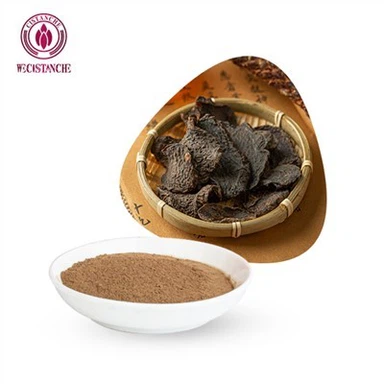
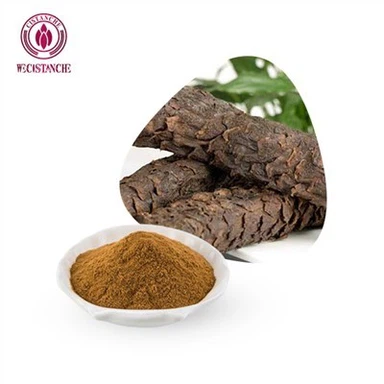
Cistanche is a herbaceous plant of the Orobanchaceae family. In traditional use, it refers to the dried fleshy stems with scales of Cistanche deserticola or Cistanche tubulosa.
Harvesting is typically done in spring when new shoots just break the soil, or in autumn before the frozen ground. The stem tips are removed, the stems are cut into pieces, and then dried.

Why it's called "Desert Ginseng"
Cistanche is a perennial parasitic seed plant. It is widely known as "Desert Ginseng" because it grows under harsh conditions and is traditionally valued for nourishment.

It favors areas such as:
loose sandy deserts or semi-fixed dunes,
dry old riverbeds,
low-lying lake basin areas,
regions with limited water and difficult growing environments.
Cistanche is usually found where the climate is dry, rainfall is low, evaporation is high, sunlight exposure is long, and day-night temperature differences are significant. It commonly parasitizes hardy drought-tolerant host plants such as Haloxylon ammodendron (saxaul), Tamarix, and Kalidium species, often on the host's side roots at depths of 30–100 cm.
Modern research: What's inside, and what it may support
Modern pharmacological studies suggest that Cistanche contains multiple nutrients and bioactive components, such as:
phenylethanoid glycosides,
total glycosides of Cistanche,
iridoid/enydic cyclic ether terpenes,
volatile components,
lignans,
polysaccharides,
and alkaloids.

These components are commonly discussed in relation to:
antioxidant and anti-aging support,
anti-apoptosis effects and autophagy regulation,
supporting physical strength and anti-fatigue,
and promoting learning/cognition improvement.
In the Chinese Pharmacopoeia, Cistanche is traditionally described as helping to:
nourish kidney yang,
benefit essence and blood,
moisten the intestines and relieve constipation,
and it is used for symptoms associated with kidney yang deficiency, essence and blood deficiency, such as impotence, infertility, low back and knee weakness, and muscle/bone weakness, as well as intestinal dryness and constipation.

Traditional culinary history (and why many people ask "how to eat it best")
Cistanche has a long history as both a nourishing ingredient and a traditional herbal food.
Common ways of use include:
making tea,
soaking in alcohol,
stewing with meat,
simmering in soups.
Click to get access to cistanche tea listing

It's worth noting something practical for Western readers: if your goal is specifically related to sexual health concerns (such as impotence, premature ejaculation, or decreased sexual function), then how to eat it becomes a real question. Many people want the benefits-but they also worry about reliability, dosage, and whether they're getting a genuine product.
This is exactly where standardized extracts can be more consistent than raw slices-because a dedicated factory can focus on extracting the effective components in a controlled, repeatable way.
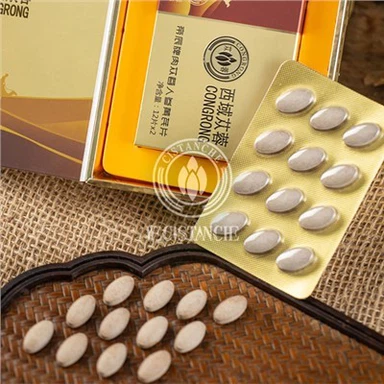
Click the picture to get access to Cistanche supplement Sexual Performance Improvement supplement PhGs75% Ech 30% Act 12% For Prostate and Sexual Problem

A practical example from a hospital/academic nutrition formula
A research team from Chengdu University of Traditional Chinese Medicine worked to adapt a traditional medicinal diet formulation from the Song Dynasty aging-related classic "Yanglao Fengqin Shu". Their modified medicinal diet recipe emphasizes a strengthening effect relevant to elder weakness and nutrition support.
The formulation included:
chicken breast: 50 g
sulfur-free processed Huai Shan (Chinese yam): 10 g
Cistanche: 6 g
hawthorn: 3 g
japonica rice: 50 g
(Traditionally used to support improving weakness-related symptoms, nutritional status, mobility, and quality of life.)
Common pairings in everyday food therapy
In daily food therapy, Cistanche is often combined with ingredients such as:
eggs
red dates
Chinese yam
black beans
These combinations are commonly used to support themes like:
nourishing kidneys and strengthening essence
and nourishing blood and moistening the intestines
Seasonal comfort: 3 easy Cistanche food remedies (with timing and method)
As winter approaches, here are three simple options many people consider for gentle nourishing support.
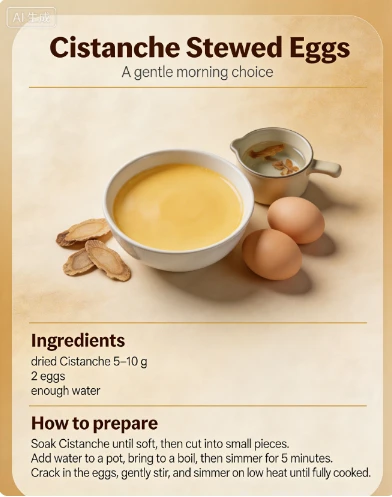
1) Cistanche Stewed Eggs
A gentle "morning" choice
Ingredients: dried Cistanche 5–10 g, 2 eggs, enough water
How to prepare:
Soak Cistanche in water until soft, then cut into small pieces.
Add water to a pot, bring the Cistanche to a boil, then simmer for about 5 minutes.
Crack in the eggs, gently stir, and simmer on low heat until fully cooked.
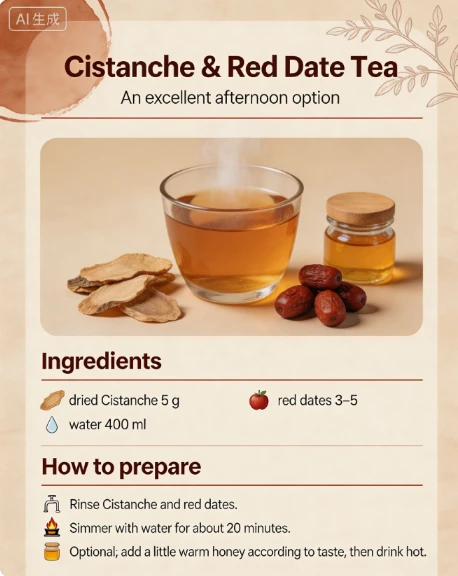
2) Cistanche & Red Date Tea
An excellent afternoon option
Ingredients: dried Cistanche 5 g, red dates 3–5, water 400 ml
How to prepare:
Rinse Cistanche and red dates.
Simmer with water for about 20 minutes.
Optional: add a little warm honey according to taste, then drink hot.
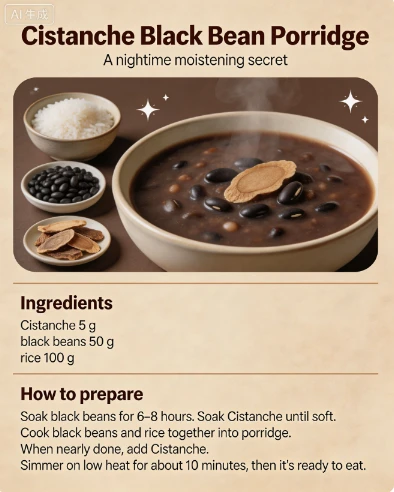
3) Cistanche Black Bean Porridge
A "nighttime moistening" secret
Ingredients: Cistanche 5 g, black beans 50 g, rice 100 g
How to prepare:
Soak black beans for 6–8 hours. Soak Cistanche until soft.
Cook black beans and rice together into porridge.
When nearly done, add Cistanche.
Simmer on low heat for about 10 minutes, then it's ready to eat.
Important guidance: Don't overdo it
Cistanche is traditionally considered "warm in nature" and used for nourishment and health support, but it's not "the more the better."
The longer you take it, the more you should consider dosage appropriateness.
Specific combinations should be adjusted based on individual constitution and needs.
It's recommended to use with guidance from a qualified practitioner.
For readers focused on sexual health: why effective extracts may be a better option
If your interests include symptoms people commonly discuss-such as impotence, premature ejaculation, and decreased sexual function-you may be searching for:
consistent ingredient quality,
standardized active components, and
practical dosage control.
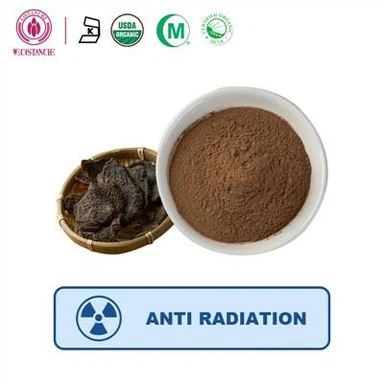
Raw slices can vary depending on origin, processing, and preparation method. From a manufacturing perspective, our factory specializes in extracting and concentrating the effective components from Cistanche into reliable Cistanche extract ingredients for supplement use.
Product safety & compliance (ingredient-grade)
Plasticizers: < 10 ppm
Extraction: food-grade ethanol
No methanol residue detected

Meets EU standards
This helps address a common concern: "How do I know I'm buying a genuine, reliable ingredient?"
Supply source & reference links (B2B / procurement)
If you're sourcing Cistanche extract ingredients or want to explore reliable supplier options, here are references you can check:
Cistanche for kidney nourishment (extract product page):
https://www.xjcistanche.com/cistanche-extract-product/cistanche-for-nourishing-kidney.html
Cistanche dietary supplement capsules (extract/capsule page):
https://www.xjcistanche.com/cistanche-extract-product/herbal-cistanche-dietary-supplement-capsules.html
About the company:
https://www.xjcistanche.com/about-us


Closing
Cistanche (Desert Ginseng) is a traditional "medicine and food same origin" ingredient valued for nourishment. Whether you prefer culinary use (tea, soups, stews) or you're looking for a more consistent route through standardized extracts, the key is to choose reliable quality, use appropriate dosage, and match the approach to your needs.
If you tell me your intended audience (e.g., "men 35–55," "supplement buyers," or "wellness shoppers") and your preferred tone (more clinical vs. more lifestyle), I can also rewrite this into a shorter "landing page blog" version or a more SEO-focused version (title/H1/H2/FAQ included).