Averting The Legacy Of Kidney Disease—Focus On Childhood
Mar 04, 2022
Contact: emily.li@wecistanche.com
Julie R. Ingelfinger *, Kamyar Kalantar-Zadeh " and Franz Schaefer * on behalf of the World Kidney Day Steering Committee t
World Kidney Day, International Society of Nephrology, in collaboration with International Federation of Kidney Foundation, Rues de Fabriques 1B, 1000 Brussels, Belgium * Correspondence: myriam@worldkidneyday.org; Tel:+32-2-808-04-20
+ Members of the World Kidney Day Steering Committee are Philip Kam Tao Li, Guillermo Garcia-Garcia,
William G. Couser, Timur Erk, Julie R Ingelfinger, Kamyar Kalantar-Zadeh, Charles Kernahan, Charlotte Osafo, Miguel C.Riella, Luca Segantini, Elena Zakharova.
Academic Editor: Sari Acra
Received: 23 December 2015; Accepted:6 January 2016; Published:8 February 2016

Abstract: World Kidney Day 2016 focuses on kidney disease in childhood and the antecedents of adult kidney disease that can begin in the earliest childhood. Chronic kidney disease (CKD) in childhood differs from that in adults, as the largest diagnostic group among children includes congenital anomalies and inherited disorders, with glomerulopathies and kidney disease in the setting of diabetes being relatively uncommon. In addition, many children with acute kidney injury will ultimately develop sequelae that may lead to hypertension and CKD in later childhood or in adult life. Children born early or who are small-for-date newborns have a relatively increased risk for the development of CKD later in life. Persons with a high-risk birth and early childhood history should be watched closely in order to help detect early signs of kidney disease in time to provide effective prevention or treatment. Successful therapy is feasible for advanced CKDin childhood; there is evidence that children fare better than adults if they receive kidney replacement therapy, including dialysis and transplantation, while only a minority of children may require this ultimate intervention. Since there are disparities in access to care, the effort is needed so that those children with kidney disease, wherever they live, may be treated effectively, irrespective of their geographic or economic circumstances. Our hope is that World Kidney Day will inform the general public, policymakers, and caregivers about the needs and possibilities surrounding kidney disease in childhood."For in every adult there dwells the child that was, and in every child there lies the adult that will be."—John Connolly, The Book of Lost Things.
Keywords: chronic kidney disease; pediatrics, pediatric nephrology.

Cistanche can treat kidney disease
1. Introduction
The 11th World Kidney Day will be celebrated on 10 March 2016, around the globe. This annual event, sponsored jointly by the International Society of Nephrology (ISN) and the International Federation of Kidney Foundations (IFKF), has become a highly successful effort to inform the general public and policymakers about the importance and ramifications of kidney disease. In 2016, World Kidney Day will be dedicated to kidney disease in childhood and the antecedents of adult kidney disease, which can begin in the earliest childhood.
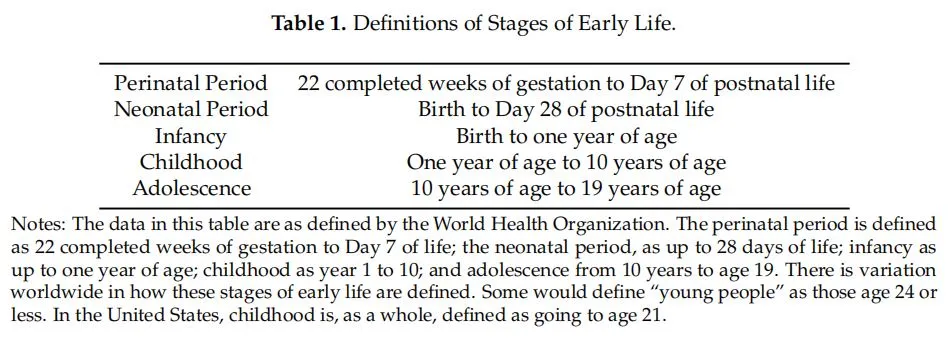
Children who endure acute kidney injury (AKI) from a wide variety of conditions may have long-term sequelae that can lead to chronic kidney disease(CKD) many years later[1-4]. Further, CKD in childhood, much of it congenital, and complications from the many non-renal diseases that can affect the kidneys secondarily, not only lead to substantial morbidity and mortality during childhood but also result in medical issues beyond childhood (Figure 1). Indeed, childhood deaths from a long list of communicable diseases are inextricably linked to kidney involvement. For example, children who succumb to cholera and other diarrheal infections often die, not from the infection, but because of AKI induced by volume depletion and shock. In addition, a substantial body of data indicates that hypertension, proteinuria, and CKD in adulthood have childhood antecedents—from as early as in utero and perinatal life (see Table 1 for definitions of childhood). World Kidney Day 2016 aims to heighten general awareness that much adult renal disease is actually initiated in childhood. Understanding high-risk diagnoses and events that occur in childhood has the potential to identify and intervene preemptively in those people at higher risk for CKD during their lifetimes.

Figure 1. The types and risks of kidney disease change across the lifecycle. The contribution of nephron number increases over the life cycle, in concert with events that provide direct insults and challenges to kidney health.
Worldwide epidemiologic data on the spectrum of both CKD and AKI in children are currently limited, though increasing in scope. The prevalence of CKD in childhood is rare—and has been variously reported at 15-74.7 per million children [3]. Such variation is likely because data on CKD are influenced by regional and cultural factors, as well as by the methodology used to generate them. The World Health Organization (WHO) has recently added kidney and urologic disease to mortality information tracked worldwide and should be a valuable source of such data over time—yet WHO does not post the information by age group [5]. Databases such as the North American Pediatric Renal Trials and Collaborative Studies(NAPRTCS)[6] the U.S.Renal Data System (USRDS) [7] and the European Dialysis and Transplant Association (EDTA)registry [8] include data on pediatric end-stage renal disease (ESRD), and some on CKD. Projects such as the ItalKid [9] and Chronic Kidney Disease in Children(CKD)[10]studies, the Global Burden of Disease Study 2013, as well as registries that now exist in many countries provide important information, and more are required [11].
AKI may lead to CKD, according to selected adult population studies [12]. The incidence of AKI among children admitted to an intensive care unit varies widely—from 8% to 89%[1]. The outcome depends on the available resources. The results from projects such as the AWARE(Assessment of Worldwide AKI, Renal Angina, and Epidemiology) study, a five-nation study of AKI in children are awaited [13]. Single-center studies, as well as meta-analyses, indicate that both AKI and CKD in children account for a minority of CKD worldwide [2,3]. However, it is increasingly evident that kidney disease in adulthood often springs from a childhood legacy.

2. Spectrum of Pediatric Kidney Diseases
The conditions that account for CKD in childhood, with a predominance of congenital and hereditary disorders, differ substantially from those in adults. To date, mutations in more than 150 genes have been found to alter kidney development or specific glomerular or tubular functions [14]. Most of these genetic disorders present during childhood and may lead to progressive CKD. Congenital anomalies of the kidney and urinary tract(CAKUT) account for the largest category of CKD in children(see Table 2) and include renal hypoplasia/dysplasia and obstructive uropathy. Important subgroups among the renal dysplasias are cystic kidney diseases, which originate from genetic defects of the tubule epithelial cells' primary cilia. Many pediatric glomerulopathies are caused by genetic or acquired defects of the podocytes, the unique cell type lining the glomerular capillaries. Less common but important causes of childhood CKD are inherited metabolic disorders such as hyperoxaluria and cystinosis, atypical hemolytic uremic syndrome, thrombotic microangiopathy related to genetic abnormalities of complement, coagulation, or metabolic pathways.

In various classifications, it is not clear how to categorize children who have suffered AKI and apparently recovered, or how and whether to include those children who have had perinatal challenges, likely resulting in a relatively low nephron number.
Among children with childhood-onset, ESRD glomerulopathies are slightly more and congenital anomalies less common (Table2), due to the typically more rapid nephron loss in glomerular disease. However, recent evidence suggests that many patients with milder forms of CAKUT may progress to ESRD during adulthood, peaking in the fourth decade of life [15].
There are national and regional differences in the types and courses of both AKI and CKD during childhood and beyond. Death from kidney disease is higher in developing nations, and national and regional disparities in care and outcome must be addressed. Further, access to care is variable, depending on the region, the country, and its infrastructure. By focusing on kidney disease in childhood, cost-effective solutions may be reached, as treating the disease early and preemptively may prevent later, more advanced CKD. Expectations depend on the availability of care and management.