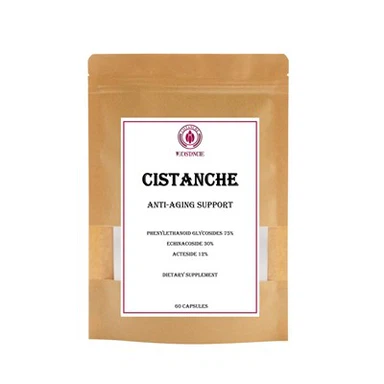
Desert Secret For Radiant Skin: Cistanche Tubulosa As A Next-Generation Whitening Active For Cosmeceuticals And Oral Beauty
Aug 06, 2026
The global skin whitening market is projected to reach $12 billion by 2027, driven by an unwavering consumer desire for luminous, even-toned complexions. For decades, the industry relied on a narrow toolkit: hydroquinone (potent but controversial), kojic acid (unstable and irritating), arbutin (modest efficacy), and vitamin C (highly unstable). The clean beauty revolution has created an urgent demand for natural, safe, and multi-mechanism whitening actives that can deliver results without compromise. An unlikely candidate has emerged from the deserts of northwest China. Cistanche tubulosa, a parasitic plant long revered in traditional medicine, contains two phenylethanoid glycosides-echinacoside and acteoside-that are demonstrating a remarkably comprehensive skin-brightening profile. This article explores both the scientific mechanisms and the practical applications of Cistanche extract in modern cosmeceutical and oral beauty formulations.

The Biology of Melanogenesis: A Multi-Step Target
Skin pigmentation begins in the melanocyte, a specialized cell in the basal layer of the epidermis. The amino acid tyrosine is converted by the enzyme tyrosinase into DOPA and then dopaquinone, which polymerizes into eumelanin and pheomelanin. These melanin pigments are packaged into melanosomes and transferred via dendritic processes to surrounding keratinocytes, where they become visible as skin color.
The master regulator of this entire pathway is MITF (microphthalmia-associated transcription factor). When keratinocytes are damaged by UV radiation, they release α-MSH, which binds to the MC1R receptor on melanocytes, activating a cAMP/PKA/CREB signaling cascade that drives MITF expression. MITF then turns on the genes encoding tyrosinase, TRP-1, and TRP-2. This is the transcriptional command center of pigmentation.
A truly effective whitening active should not just inhibit tyrosinase-an approach that is easily overwhelmed-but also suppress MITF upstream, reduce the oxidative and inflammatory triggers that activate melanocytes, and inhibit the transfer of melanosomes to keratinocytes. Acteoside from Cistanche tubulosa demonstrates activity at all four levels.
Acteoside: The Multi-Target Whitening Molecule
1. Direct Tyrosinase Inhibition
In cell-free enzyme assays, acteoside inhibits tyrosinase activity in a dose-dependent manner. Its catechol moiety chelates the copper ions at the enzyme's active site, preventing the oxidation of tyrosine to DOPA. This is the same mechanism exploited by kojic acid, but acteoside offers superior stability and a broader safety margin.
2. MITF Suppression at the Transcriptional Level
More importantly, acteoside works upstream of tyrosinase. In cultured melanocytes, acteoside significantly suppresses MITF mRNA and protein expression. It does so by interfering with the cAMP/PKA/CREB signaling cascade-reducing the phosphorylation of CREB, which is the transcription factor that directly drives MITF gene expression. By suppressing MITF, acteoside simultaneously downregulates tyrosinase, TRP-1, and TRP-2, effectively turning down the entire melanogenic program. This dual action-enzymatic inhibition of tyrosinase and transcriptional suppression of MITF-is a rare and powerful combination in a single natural molecule.
3. Antioxidant Quenching of UV-Induced ROS
UV radiation generates a burst of reactive oxygen species in the skin that directly stimulates melanogenesis and oxidizes existing melanin to a darker shade. Echinacoside, through potent Nrf2 activation, upregulates the skin's endogenous antioxidant enzymes-superoxide dismutase, glutathione peroxidase, heme oxygenase-1-that neutralize ROS before they can trigger melanocyte activation. Acteoside itself is a direct free radical scavenger. By reducing the oxidative burden in the skin, Cistanche extract helps maintain a lighter, less reactive baseline pigmentation state.

4. Anti-Inflammatory Prevention of Post-Inflammatory Hyperpigmentation
Post-inflammatory hyperpigmentation (PIH)-the stubborn dark marks left after acne, eczema, or skin injury-is one of the most challenging pigmentary disorders, particularly in Asian skin types. Inflammatory mediators such as prostaglandin E2, leukotrienes, and IL-1α directly stimulate melanocyte activity and melanosome transfer. Acteoside, through potent NF-κB inhibition, suppresses the production of these pro-inflammatory signals. By calming the inflammatory milieu, it helps prevent the excessive melanocyte activation that leads to PIH, making Cistanche extract particularly valuable in formulations targeting acne-prone skin.
5. Anti-Glycation for Translucency
Advanced glycation end-products (AGEs) are formed when sugar molecules bind non-enzymatically to proteins like collagen. AGEs are yellowish-brown and fluorescent, contributing to the sallow, dull complexion associated with aging and high-sugar diets. Acteoside has demonstrated significant anti-glycation activity, inhibiting AGE formation and protecting collagen from sugar-induced cross-linking. This mechanism contributes to the "translucency" of skin-a quality highly prized in Asian beauty markets that goes beyond mere lightening.
Formulating with Cistanche Extract: From Serum to Supplement
The multi-targeted whitening profile of Cistanche tubulosa makes it a versatile active for both topical and oral applications.
Topical Cosmeceutical Formulations
Standardized Cistanche tubulosa extract, containing 20–40% total phenylethanoid glycosides, can be incorporated into a variety of topical vehicles. The active compounds, echinacoside and acteoside, are water-soluble, making them suitable for aqueous-based serums, essences, and ampoules. They are also compatible with emulsion systems for creams and lotions.
Serums and Ampoules: A water-based serum containing 0.5–2% Cistanche extract provides a concentrated dose of acteoside and echinacoside for targeted brightening. The extract can be combined with niacinamide (which inhibits melanosome transfer), hyaluronic acid (for hydration), and a stable vitamin C derivative like 3-O-ethyl ascorbic acid for synergistic antioxidant and brightening effects. The formulation pH should be maintained between 5.0 and 6.5 to ensure optimal stability of the phenylethanoid glycosides.
Sheet Masks: Cistanche extract is an ideal active for sheet mask essences. The occlusive nature of sheet masks enhances penetration, and the extract's anti-inflammatory properties soothe the skin while delivering brightening actives. A concentration of 1–3% is effective.
Brightening Creams: In emulsion systems, Cistanche extract can be incorporated into the aqueous phase. It pairs well with ceramides and peptides for comprehensive anti-aging and brightening. Its antioxidant activity also helps protect the oil phase from rancidity, providing a natural preservative booster.
Sun Care: While not a UV filter itself, Cistanche extract's potent antioxidant and DNA-protective effects make it a valuable addition to sunscreens and after-sun products. It helps quench the ROS generated by UV exposure that sunscreen filters cannot fully block, addressing the oxidative triggers of pigmentation at the source.

Stability Considerations: Phenylethanoid glycosides are susceptible to oxidation in aqueous solutions. Formulators should include a chelating agent (EDTA or phytic acid) and an antioxidant (tocopherol or ascorbic acid) to protect the actives. Dark or opaque packaging is recommended. Heat stability is adequate for most manufacturing processes, but prolonged exposure to temperatures above 60°C should be minimized.
Oral Beauty and Nutricosmetics
The oral beauty market-collagen drinks, whitening pills, beauty gummies-is one of the fastest-growing segments in the supplement industry. Cistanche tubulosa extract is uniquely positioned for this category because its whitening mechanisms operate systemically, reaching the skin's basal layer through the dermal microvasculature in a way that topical products cannot replicate.
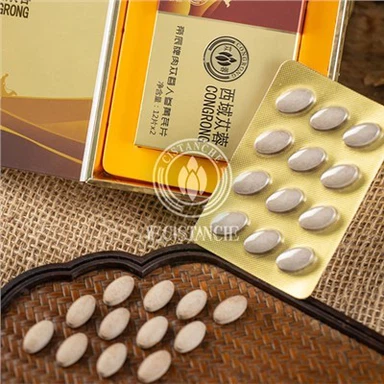
Oral Whitening Capsules/Tablets: A daily dose of 400–600 mg of standardized Cistanche extract provides systemic delivery of acteoside and echinacoside for melanogenesis inhibition and antioxidant protection. This is the most straightforward format for nutricosmetics. Products can be positioned as "radiance from within" supplements, targeting women concerned with uneven skin tone, melasma, and dullness.
Beauty Drinks and Liquid Shots: Cistanche extract's water solubility makes it ideal for liquid formats. A beauty shot containing 300–500 mg of extract, combined with hydrolyzed collagen peptides, hyaluronic acid, vitamin C, and fruit polyphenols, offers a comprehensive "skin food" profile. The extract's mild, slightly earthy taste can be masked with citrus or berry flavors.
Beauty Gummies: Pectin-based gummies are a popular delivery format, particularly in Asian markets. Cistanche extract can be incorporated into the gummy base, though heat exposure during manufacturing should be carefully controlled to preserve acteoside and echinacoside content.
Synergistic Combinations for Whitening Formulations
The whitening efficacy of Cistanche extract can be significantly enhanced through strategic ingredient pairing. For topical products, combining Cistanche extract with niacinamide (which inhibits melanosome transfer) provides complementary mechanisms-Cistanche reduces melanin production while niacinamide prevents its distribution. Adding a stable vitamin C derivative provides additional antioxidant and tyrosinase-inhibitory activity. For oral products, pairing Cistanche with glutathione (the body's master antioxidant), vitamin C (a glutathione cofactor), and hydrolyzed collagen provides a multi-targeted beauty-from-within formula.
Safety and Regulatory Considerations
Cistanche tubulosa has a two-thousand-year history of safe human consumption. In topical application, patch testing on a small group of volunteers is recommended, though the extract is generally non-irritating and non-sensitizing. It does not cause the photosensitivity or paradoxical hyperpigmentation associated with some synthetic whitening agents. In oral formats, it is well tolerated with no known serious adverse effects at recommended doses.
Regulatory status varies by jurisdiction. In China, Cistanche tubulosa is listed in the Inventory of Existing Cosmetic Ingredients and can be used in both cosmetics and dietary supplements. In the European Union, it would be classified as a novel cosmetic ingredient requiring safety assessment under the Cosmetics Regulation. In the United States, Cistanche extract can be marketed as a dietary supplement ingredient, and its use in cosmetics is subject to general safety requirements. Manufacturers should verify the regulatory status in their target markets before commercial launch.
A comprehensive 2022 review in Frontiers in Pharmacology catalogs the antioxidant, anti-inflammatory, and enzyme-inhibitory properties of Cistanche tubulosa and its active ingredients, confirming the scientific basis for its application in skin health and cosmeceuticals. (Frontiers in Pharmacology review on Cistanche tubulosa)

The Market Opportunity
Cistanche tubulosa extract represents a new generation of botanical whitening actives-one that addresses pigmentation at multiple molecular targets, offers excellent safety, and bridges the gap between topical cosmetics and oral nutricosmetics. For brands seeking to differentiate in the crowded whitening market, a "desert botanical" with a two-thousand-year history and modern science behind it offers a compelling narrative. For consumers, it provides a gentle, effective, and holistic approach to achieving the luminous, even-toned complexion that remains the universal ideal of skin beauty.