Best Management Of Irritable Bowel SyndromeⅢ
Aug 31, 2023
Specialized dietary advice
If first-line dietary advice is ineffective, patients should be referred for assessment by a specialist dietitian. It is important to recognize that, although exclusion diets are commonplace in IBS management, the mechanisms by which they might work remain unclear. Dietetic assessment is key to ensuring that any diet is followed correctly and that nutritional requirements are not compromised.

Low FODMAP diet
One of the most widely used diets for IBS is a diet low in fermentable oligosaccharides, disaccharides, monosaccharides, and polyols (FODMAPs).53 A systematic review and meta-analysis published in 2018 identified seven RCTs comparing a low FODMAP diet with various dietary controls, including a habitual diet or a high FODMAP diet, involving 397 participants.54 Meta-analysis demonstrated a benefit in patients adopting a low FODMAP diet, compared with control (RR=0.69; 95%CI 0.54 to 0.88). However, the quality of the evidence was very low.
No trials were at low risk of bias, due primarily to the difficulties of blinding in dietary intervention studies, sample sizes were small, and heterogeneity was significant, driven by the variation in the control interventions used in trials. This means the efficacy of a low FODMAP diet may have been overestimated. Furthermore, trials only examined the initial exclusion phase of the diet and did not evaluate the effects of the managed re-introduction of FODMAP-containing foods according to tolerance, which is recommended. Overall, the exclusion of foods high in FODMAPs may reduce IBS symptoms and can be recommended to patients, although there is a need for higher-quality evidence to guide management.
First-line drug treatments
If dietary and lifestyle advice are inadequate for improving symptoms, then several first-line drug treatments, targeting individual symptoms, should be considered.
Antispasmodics and peppermint oil
Conventional analgesic drugs, such as paracetamol, non-steroidal anti-inflammatory drugs, and opiates are unlikely to relieve pain in IBS, and some have the potential to exacerbate gastrointestinal symptoms. Instead, antispasmodic drugs, including peppermint oil, should be used to ameliorate pain and bloating, based on the theory that dysmotility and gut spasms might be the underlying cause of these symptoms and that antispasmodics relax gut smooth muscle. A meta-analysis from 2008 identified 22 studies comparing 12 different antispasmodics with placebo in 1778 patients.55
Fewer patients assigned to antispasmodics had persistent symptoms after treatment compared with those taking placebo (RR=0.68; 95%CI 0.57 to 0.81), although heterogeneity between studies was significant. The analysis included a wide range of drugs, including some, such as titanium, cimetropium, and pinaverium that are unavailable in many countries. However, hyoscine is commonly prescribed, and pooled results from three RCTs showed that it was an efficacious treatment (RR=0.63; 95%CI 0.51 to 0.78). Conversely, neither mebeverine nor alverine was more efficacious than placebo, although, in both cases, data came from a single small trial.
Overall, total adverse events were significantly more common with antispasmodics, particularly dry mouth, blurred vision, and dizziness. Another meta-analysis conducted as part of the American College of Gastroenterology guidelines in 2018,56 and pooling data from seven RCTs, demonstrated a statistically significant result in favor of peppermint oil compared with placebo (RR=0.54; 95%CI 0.39 to 0.76).
However, there was significant heterogeneity between study results, and the overall quality of evidence was low. Total adverse events were no more common with peppermint oil compared with placebo. More recently, network meta-analysis has facilitated the comparison of antispasmodics and peppermint oil with other ‘traditional’ IBS treatments.35 Peppermint oil ranked first, and antispasmodics third, for effect on global IBS symptoms, and peppermint oil third, and antispasmodics second, for effect on abdominal pain.
However, it should be noted that the overall quality of trial data for antispasmodics was very low, and many trials were conducted before the Rome criteria was established, making comparisons between individual trials and treatments problematic. It should also be emphasized that trials of peppermint oil used specific formulations, yet many preparations are widely available for sale to the public. Formulations designed for sustained small intestinal relief may be efficacious for example,57 but those designed for ileocolonic release might not.58 It is therefore inappropriate to extrapolate the results of the network meta-analysis to all preparations of peppermint oil. Nevertheless, currently available evidence, although modest, supports the role of antispasmodics, particularly hyoscine, and peppermint oil in treating IBS, and NICE recommends that physicians should consider prescribing them.50 The two can be used in combination if desired.
Antidiarrhoeals
Patients with IBS with diarrhea (IBS-D) can be particularly debilitated by loose stools, with urgency and incontinence,59 restricting and disrupting daily life.60 Consequently, many patients use loperamide to control their diarrhoeal symptoms. Although widely used, evidence for its efficacy is lacking. There have been only two small trials in IBS, both conducted over 30 years ago and involving only 42 patients with either IBS-D,61, or mixed stool pattern IBS.62 A pooled analysis of data from these trials demonstrated no statistically significant effect of loperamide, compared with placebo on global IBS symptoms,56 although in the RCTs themselves there were improvements in stool frequency and consistency.
Even though patients frequently report inadequate symptom relief with the drug,63 and due in part to a lack of efficacious alternatives, it is likely some patients will continue to use loperamide. Indeed, NICE guidance advocates loperamide as the first choice drug for diarrhea in IBS,50 but physicians should be aware that patients may be dissatisfied with this strategy.
Laxatives
NICE guidelines recommend laxatives should be considered for treating IBS-C, with patients advised on how to adjust the dose according to clinical response.50 Lactulose should be avoided as it may cause bloating, but otherwise, which laxatives should be preferred is unclear. Both osmotic and stimulant laxatives are efficacious in chronic constipation.64 However, there is little evidence in IBS-C, beyond the findings of two trials of polyethylene glycol (PEG), an osmotic laxative. In the first of these studies, 42 patients with IBS-C were randomized to either PEG or placebo for 30 days.65
There was relief of symptoms and an increase in bowel movements in both the treatment and the placebo arms of the trial; however, there was no significant difference between the two. Conversely, in another study, which recruited 139 patients with IBS-C, there was a significant increase in spontaneous bowel movements with PEG, compared with placebo, after 4 weeks.66 There was also a trend towards improvements in bloating with PEG, but no evidence of benefit in terms of the effect on abdominal pain. Unfortunately, the long-term efficacy of laxatives in IBS, which is important given the chronicity of symptoms, remains unclear.
Overall, these limited data suggest that PEG might be efficacious at improving bowel frequency in IBS-C, at least in the short term, but the impact on global symptoms appears minimal. Nevertheless, the use of laxatives, which are widely available and relatively inexpensive, is a reasonable first-line approach, with escalation to second-line drugs reserved for patients who report an unsatisfactory clinical response.
Second-line drug treatments
Patients may report inadequate relief of symptoms with first-line treatments, and for patients who are referred to see a gastroenterologist, it is perhaps more likely that this will be the case. In this situation, second-line treatment with central neuromodulators, such as tricyclic antidepressants (TCAs) or selective serotonin reuptake inhibitors (SSRIs), can be used. Again, this approach is endorsed by NICE guidelines.50 Their use is underpinned by the central role of the gut-brain axis in IBS pathophysiology. The central nervous system (CNS) and enteric nervous system (ENS) interact with each other in a bidirectional manner.
The CNS may alter gut physiology, including motility or visceral sensitivity, for example altering bowel habits or the experience of pain, thereby triggering symptoms. Similarly, changes within the gut, including to the microbiome, can feed back to the brain, via the ENS, with effects on CNS function. Among patients with IBS at baseline, there is a significant increase in anxiety and depression at follow-up.67 The converse is also true; individuals with higher levels of anxiety and depression at baseline are significantly more likely to develop IBS subsequently 67 68 Central neuromodulators might act on pathways between gut and brain to improve IBS symptoms.
A systematic review and meta-analysis from 2019 identified 18 RCTs comparing TCAs or SSRIs with placebo in IBS, recruiting a total of 1127 patients, with a significant benefit in favor of central neuromodulators (RR=0.66; 95%CI 0.57 to 0.76). However, there was significant heterogeneity between studies, although only among trials of SSRIs. A subgroup analysis showed an overall benefit in favor of TCAs for abdominal pain, compared with placebo (RR=0.59; 95%CI 0.42 to 0.83). The effect of these drugs on bowel habits is unclear. Most studies did not recruit participants based on stool form, nor did they evaluate specific stool consistency endpoints.
Given that constipation is a frequently reported side effect of TCAs, these drugs may have a positive impact on IBS-D, but there is no clear evidence for this. Equally, using TCAs to treat abdominal pain in patients with IBS-C may exacerbate constipation. In terms of safety, eight RCTs provided data for total adverse events, with a significantly higher incidence with central neuromodulators (RR of any adverse event=1.56; 95%CI 1.23 to 1.98). The relative efficacy of central neuromodulators has been compared with other ‘traditional’ treatments in a network meta-analysis.35 TCAs ranked second for effect on global IBS symptoms and first for effect on abdominal pain, whereas SSRIs ranked fifth for global symptoms and fourth for abdominal pain. However, we must interpret the results of this network meta-analysis cautiously.
The quality of the evidence underpinning it was moderate at best, with few trials at low risk of bias, and many were conducted before standardized clinical definitions of IBS, and in small numbers of patients. Overall, the available data supports the use of central neuromodulators for treating IBS, when first-line treatments are ineffective. TCAs should be preferred and can be commenced at a low dose (e.g., 10mg at night, due to the risk of drowsiness). The dose can be increased, depending on the symptomatic response, although dose titration beyond 50mg may lead to higher rates of adverse events. If symptoms do not improve, SSRIs are a reasonable alternative. Although there is no evidence from RCTs to support the use of serotonin-norepinephrine reuptake inhibitors, they are beneficial in other chronic painful disorders,69 and there are reports of efficacy in some patients with IBS, particularly those with psychological comorbidity.70
Second-line drug treatments targeting abnormalities of stool form
As already discussed, antidiarrhoeals and laxatives can be used in the treatment of abnormal stool form; however, where these prove ineffective, second-line drugs targeting abnormalities in bowel habits are available. Drugs for constipation Several novel secretagogues have been developed over the last 10 years, although not all are widely available.
These share a common general mechanism of action, although the precise pharmacological effects differ between drugs. Broadly, they activate ion channels in epithelial cells of the gut mucosa, increasing the electrolyte and fluid content of the intestinal lumen, thereby softening stools and increasing gastrointestinal transit. One of the first of these drugs to be developed and licensed was lubiprostone, a prostaglandin E1 derivative. It activates chloride type-2 channels on the apical surface of intestinal enterocytes. The efficacy of lubiprostone 8 mcg twice daily in IBS-C was evaluated in two placebo-controlled trials, in a total of 1171 patients.71

In both trials, a significantly greater proportion of patients randomized to lubiprostone reported moderate or significant relief of IBS symptoms; however, nausea was a common adverse event, affecting 8% of participants. Linaclotide and plecanatide stimulate the guanylate cyclase-C receptor. In two RCTs conducted in North America, linaclotide 290 mcg once daily was superior to placebo for IBS-C, at 12 weeks in one trial, and 26 weeks in the second.72 73
The primary endpoint used was a composite of improvement in both abdominal pain and stool frequency, as recommended by the Food and Drug Administration (FDA) for IBS treatment trials. Plecanatide, at doses of 3mg or 6mg once daily, was superior to placebo in two RCTs, recruiting 2189 patients with IBS-C,74 although there was no difference in efficacy between the two doses. Perhaps unsurprisingly, the main adverse event reported for both drugs was diarrhea. Finally, tenapanor, which inhibits the gastrointestinal sodium-hydrogen exchanger-3, is licensed for the treatment of IBS-C in the USA.
A phase III placebo-controlled trial of 12 weeks of tenapanor 50mg twice daily, in 629 patients, assessed response using the FDA composite endpoint.75 The drug was significantly more efficacious than placebo. The main adverse event was diarrhea; 6.5% of those taking tenapanor discontinued the drug, compared with 0.7% of those taking a placebo. The relative efficacy of all of these secretagogues has been examined using network meta-analysis, incorporating the results of 15 RCTs, containing 8462 patients.76 Linaclotide 290 mcg once daily ranked first for global IBS symptoms, abdominal pain, improvement in bowel habit, and the FDA composite endpoint. However, all drugs were significantly better than placebo, and no treatment was more efficacious than another. Overall, these findings support the use of secretagogues in IBS-C.
They may be best placed for patients who report inadequate relief following optimal or maximum tolerated doses of laxatives from different classes.50 Patient response should be assessed after 3 months of treatment, and the drug discontinued if this is deemed inadequate.
Drugs for diarrhoea
Several second-line drugs with a diverse range of mechanisms of action are available for treating IBS-D. One of these is the minimally absorbed antibiotic rifaximin. The rationale for its use is the observation that patients with IBS can exhibit changes in their fecal microbiota,37 and because some studies have shown an overlap between small intestinal bacterial overgrowth and IBS, although evidence for this is large and of low quality.77 In two RCTs, each recruiting almost 600 patients, rifaximin 500mg three times daily for 14 days was superior to placebo.78
Efficacy was defined as adequate relief of IBS symptoms for two of the first 4weeks after completion of treatment. However, the difference in response rates between treatment and placebo arms was modest, at around 8%. The main adverse event was headache, affecting 6% of patients. Due to the modest effect, and concerns over the potential for adverse events with repeated courses of rifaximin, FDA approval was not forthcoming. A ‘re-treatment’ trial was therefore conducted. In this study, 2579 patients with IBS-D received a 2-week course of open-label rifaximin.
The 636 patients who responded and then relapsed were re-randomised to up to two further 2-week courses of rifaximin, 10 weeks apart, or placebo.79 After the first course, 33% of those taking rifaximin responded compared with 25% of those taking placebo, with similar response rates following the second course. In each case, these differences reached statistical significance but were again only modest. Drugs that activate µ-opioid receptors in the intestine, such as loperamide, retard gut motility and can treat diarrhea, whereas those acting on δ-opioid receptors can improve pain. Eluxadoline, a mixed µ-opioid, and δ-opioid receptor drug, has been evaluated in two RCTs in IBS-D, recruiting over 2400 patients.80 The primary endpoint was a composite of improvement in abdominal pain and stool consistency at 12 weeks.
Both trials demonstrated that eluxadoline at doses of 75mg twice daily and 100mg twice daily were significantly more efficacious than placebo; however, differences in response rates were modest. In a subsequent study, 346 adults with IBS-D who reported inadequate symptom relief with loperamide were randomized to receive eluxadoline 100mg twice daily or a placebo for 12 weeks.81 Once again, a significantly greater proportion of patients taking eluxadoline achieved the composite endpoint, compared with those taking a placebo. A particular concern with eluxadoline is the risk of pancreatitis, especially in patients with prior cholecystectomy. 5-hydroxytryptamine-3 (5-HT3 ) receptor antagonists, such as alosetron and ramosetron, retard gut motility. A previous meta-analysis of eight RCTs of alosetron for the treatment of IBS-D, involving 4987 patients, demonstrated a benefit of alosetron (RR=0.79; 95%CI 0.69 to 0.90) when compared with placebo.82
Although licensed for use in women with IBS-D in the USA, the drug was withdrawn due to subsequent safety concerns relating to ischaemic colitis and severe constipation. It has been reintroduced for the treatment of severe IBS-D in women in the USA, and observational data from around 2000 patients suggest it is safe and efficacious in this patient group,83 but it is not available elsewhere. There are no such safety concerns with ramosetron and data from five Japanese RCTs demonstrate consistently that it is significantly more efficacious than a placebo for treating IBS-D.84
Ramosetron is only available in Japan and some other Asian countries. However, data from a small crossover trial of ondansetron suggest this 5-HT3 receptor antagonist may also be beneficial in IBS-D;85 a parallel group RCT is currently underway in the UK.86 A network meta-analysis comparing the relative efficacy of many of the above drugs in IBS-D demonstrated all were more efficacious than placebo, but 5-HT3 receptor antagonists appeared to be most efficacious.87 Alosetron 1mg twice daily ranked first for global symptoms, stool consistency, and the recommended composite endpoint of improvement in both abdominal pain and stool consistency.
Ramosetron 2.5 mcg once daily ranked first for abdominal pain. Both these drugs appeared more efficacious than either eluxadoline or rifaximin for some endpoints. Unfortunately, the availability of second-line drug options for IBS-D is limited in many countries. Rifaximin is licensed in North America for IBS but is not universally available, and eluxadoline has been withdrawn in many countries. It would appear that 5-HT3 receptor antagonists are the most efficacious and, where alosetron or ramosetron are unavailable, ondansetron is a reasonable alternative. Other options include bile acid sequestrants, such as colesevelam, given the overlap between IBS and bile acid diarrhea,88 although there are no RCTs of these agents in IBS-D.
Psychological therapies
The efficacy of several psychological therapies in IBS has been investigated. Among the most widely used is cognitive behavioral therapy (CBT). Early trials of CBT suggested it was efficacious in IBS,89 90 although individual trial results are conflicting, with some RCTs finding no benefit compared with standard IBS care.91 One problem with any trial of psychological therapy is the inability to blind participants to treatment, meaning studies are rarely at low risk of bias. Furthermore, sample sizes are often small, reflecting the intensive nature of psychological interventions, which often require a skilled practitioner to work face-to-face with a motivated patient over several weeks.
These practical constraints may limit availability in clinical practice. More recently, larger studies have examined the role of minimal-contact CBT, 92 of which participants can self-administer at home, or CBT delivered via the telephone or Internet.93 These approaches require therapist input, but at a reduced frequency, meaning they can be made more widely available. Results of these trials suggest these approaches are efficacious at improving IBS symptoms.92 93 The beneficial effects of CBT delivered over the telephone or via the Internet persisted up to 24 months after completion of treatment in one trial.94 Gut-directed hypnotherapy has also been used in IBS, and, again, small studies suggest it is efficacious,95 96 although it has been suggested that delivery outside specialist centers is less beneficial.97 Similar to CBT, treatment with hypnotherapy requires a skilled practitioner but has been delivered remotely in one uncontrolled study.98
Group hypnotherapy may also improve patient access to treatment. In a multicentre RCT comparing individual and group hypnotherapy with educational support as a control, hypnotherapy was significantly more efficacious than education for adequate relief of symptoms at 3 months and, in a per-protocol analysis, group hypnotherapy was non-inferior to individual hypnotherapy. 99 In a network meta-analysis comparing all available psychological therapies with each other that included 41 RCTs, comprising 4072 participants, treatments with the greatest evidence for efficacy, having both the largest number of trials and recruiting the greatest numbers of patients, were self-administered or minimal contact CBT (RR=0.61; 95%CI 0.45 to 0.83), face-to-face CBT (RR=0.62; 95%CI 0.48 to 0.80) and gut-directed hypnotherapy (RR=0.67; 95%CI 0.49 to 0.91).100 However, it is important to emphasize no psychological therapy was superior, in terms of efficacy, to any other.

When only those trials that recruited patients with refractory symptoms were included, CBT-based interventions, namely group CBT minimal contact CBT, and gut-directed hypnotherapy were more efficacious than control interventions. Overall, several psychological therapies are efficacious in IBS, although it remains difficult to know which should be preferred, and patient access may be limited. CBT-based treatment and gut-directed hypnotherapy have the largest evidence base, and CBT has demonstrated longer-term efficacy. NICE recommends psychological therapies for patients who remain symptomatic following medical treatment, but only after 12 months have elapsed.50 There is an argument for earlier deployment of such therapies, especially among patients with evidence of psychological comorbidity at baseline as, given our understanding of the role of the gut-brain axis, this could alter the clinical course of IBS, preventing symptoms from becoming refractory and improving outcomes. This should be a focus for future treatment trials.
Conclusions
Once a diagnosis of IBS is made, it is important to start timely treatment. Good communication is central to managing the condition, and there should be a focus on exploring patient beliefs about the condition, and any concerns they may have. Clinicians should provide a clear explanation about the disorder, and the rationale for any investigations, including why further investigation may not be necessary and why test results are normal. Initial management should include simple lifestyle and dietary advice, discussion of the potential role of probiotics and the importance of exercise, and making time for leisure activities and relaxation. If these measures are ineffective, referral to a dietitian for consideration of a low FODMAP diet is appropriate. First-line drug therapy includes antispasmodics and peppermint oil for the treatment of abdominal pain.
Loperamide and laxatives can be tried for the treatment of diarrhea or constipation, respectively, although evidence for their efficacy is limited. If these approaches fail to improve symptoms, second-line treatments should be used. Central neuromodulators are useful for their effects on global IBS symptoms and abdominal pain; TCAs should be preferred. For patients with constipation who fail to respond to laxatives, treatment with linaclotide should be offered. Unfortunately, second-line options for the treatment of diarrhea are limited in some countries. 5-HT3 receptor agonists appear to be the most efficacious, and although alosetron or ramosetron is not widely available, ondansetron may be a reasonable alternative. Patients who fail to respond to medical treatment should be referred for consideration of psychological therapy if they are amenable to this. CBT and gut-directed hypnotherapy have the largest evidence base, but access to these treatments may be limited.
Natural Herbal Medicine For Relieving Constipation-Cistanche
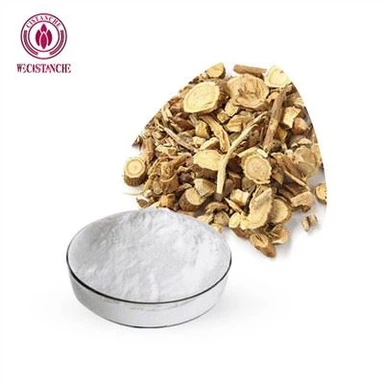
Cistanche is a genus of parasitic plants that belongs to the family Orobanchaceae. These plants are known for their medicinal properties and have been used in Traditional Chinese Medicine (TCM) for centuries. Cistanche species are predominantly found in arid and desert regions of China, Mongolia, and other parts of Central Asia. Cistanche plants are characterized by their fleshy, yellowish stems and are highly valued for their potential health benefits. In TCM, Cistanche is believed to have tonic properties and is commonly used to nourish the kidney, enhance vitality, and support sexual function. It is also used to address issues related to aging, fatigue, and overall well-being. While Cistanche has a long history of use in traditional medicine, scientific research on its efficacy and safety is ongoing and limited. However, it is known to contain various bioactive compounds such as phenylethanoid glycosides, iridoids, lignans, and polysaccharides, which may contribute to its medicinal effects.

Wecistanche's cistanche powder, cistanche tablets, cistanche capsules, and other products are developed using desert cistanche as raw materials, all of which have a good effect on relieving constipation. The specific mechanism is as follows: Cistanche is believed to have potential benefits for relieving constipation based on its traditional use and certain compounds it contains. While scientific research specifically on Cistanche's effect on constipation is limited, it is thought to have multiple mechanisms that may contribute to its potential to relieve constipation. Laxative Effect: Cistanche has long been used in Traditional Chinese Medicine as a remedy for constipation. It is believed to have a mild laxative effect, which can help promote bowel movements and induce constipation. This effect may be attributed to various compounds found in Cistanche, such as phenylethanoid glycosides and polysaccharides. Moistening the Intestines: Based on traditional use, Cistanche is considered to have moisturizing properties, specifically targeting the Intestines. Promoting hydration and lubrication of the Intestines may help soften tools and facilitate easier passage, thereby relieving constipation. Anti-inflammatory Effect: Constipation can sometimes be associated with inflammation in the digestive tract. Cistanche contains certain compounds, including phenylethanoid glycosides and lignans, that are believed to have anti-inflammatory properties. By reducing inflammation in the intestines, it may help improve bowel movement regularity and relieve constipation.
Christopher J Black,1,2 Alexander Charles Ford 1,2