Brain Connectivity Alterations During Sleep By Closed-loop Transcranial Neurostimulation Predict Metamemory Sensitivity Part 4
May 17, 2024
Across studies, there is high variability in the frequency bands chosen to delineate slow and fast spindles (Ayoub et al., 2013; Holz et al., 2012; Schabus et al., 2007), and recent evidence suggests these delineations may vary in each individual (Cox et al., 2017).
The fast spindle is an area of our brain that is closely related to our memory. Research shows that when we are involved in the process of learning and memory, fast spindles become more active, thus improving our memory.
The function of fast spindles is to strengthen and consolidate our memories. When we receive new information, fast spindles gather information from other areas of the brain and transform it into memory fragments that we can store and recall. Fast spindles are therefore crucial to our learning and memory processes.
So how to improve our fast spindle function? First of all, we must maintain good living habits. Adequate sleep, a healthy diet, and regular exercise all play an important role in the health and function of your fast spindle. In addition, focusing on learning and thinking can stimulate the activity of fast spindles and improve our memory.
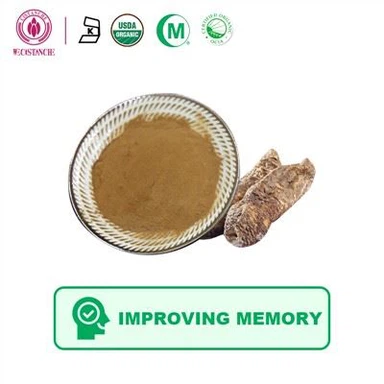
In short, fast spindles are inextricably linked to our memory. By maintaining a healthy life and paying attention to learning, we can improve our fast spindle function and improve our memory, to better cope with the challenges in life and learning. Let us be optimistic and work hard towards a better future. It can be seen that we need to improve memory, and Cistanche deserticola can significantly improve memory because Cistanche deserticola is a traditional Chinese medicinal material that has many unique effects, one of which is to improve memory. The efficacy of Cistanche deserticola comes from the many active ingredients it contains, including tannic acid, polysaccharides, flavonoid glycosides, etc. These ingredients can promote brain health in a variety of ways.

Click know 10 ways to improve memory
We selected 8–12 Hz and 12–15 Hz as bands to separately investigate slow versus fast spindles, and our results suggest that connectivity in the fast spindle band was specifically modulated by STAMPs.
However, there may be variability in spindle-band delineations across the participants in the experiment, leading to the overlap of slow and fast spindle activity in these bands. In our data, path lengths in the 8–12 Hz and 12–15 Hz bands were highly correlated (r = 0.88), suggesting a high degree of overlap between these frequency bands.
Thus, we claim here that spindle activity was modulated by STAMPs, but further analysis will be required to specifically delineate between fast and slow spindles. Additionally, we used a frequency band–based approach to accommodate the connectivity and machine learning analysis we implemented; however, spindles are transient events that occur briefly in time.
While the approach here likely captured activity related to spindles, a more focused event-based approach in which specific spindle events are identified may further elucidate their role in metacognition.
The results of the regression analysis showed that changes in path length in the beta band were related to changes in memory sensitivity from presleep to postsleep in the Active condition. The reported relationship was in a sensible direction, with lower path length (greater efficiency) related to improvements in metacognitive performance.
Note that beta path length did not, however, significantly differ between the Active and Sham conditions, suggesting the effect captures more fine-grained individual differences, in which individuals that exhibit network reorganization toward greater efficiency following STAMP stimulation show greater overnight metamemory improvement than those that do not.
This is discussed further in the Supporting Information. This finding is fairly novel, as no prior study to our knowledge has examined changes in functional connectivity following stimulation during sleep that relate to behavioral changes.

Studies investigating visuomotor learning and performance, such as with mirror tracing tasks, have reported changes in beta-band synchronization and connectivity during and following the task (Classen et al., 1998; Kilner et al., 2004; Piantoni et al., 2015); however, studies examining graph-theoretic connectivity relationships to episodic memory performance, which was tested in the current experiment, have generally not examined or reported changes in beta-band connectivity (Burke et al., 2013).
However, changes in beta path length have been related to the progression of Alzheimer's disease-namely, Alzheimer's disease patients exhibit higher beta path lengths than healthy controls, and beta path length is negatively correlated to mini-mental state examination (MMSE) score (Stam et al., 2006). Additionally, research in the oscillatory neurophysiology of sleep has demonstrated that faster rhythmic activity (i.e., in the beta/gamma range) is present and sustained during the depolarization phase of the slow wave and largely absent during the hyperpolarization phase (Compte et al., 2008; Steriade, 2006; Steriade et al., 1996).
This increased activity may be specifically linked to noradrenergic neurons in the locus coeruleus system (Eschenko et al., 2012), which may promote cortical plasticity, an important component of memory consolidation.
Thus, it is a possibility that beta-band network organization and activity during SWOs may generally be an important aspect of episodic memory functioning and consolidation processes, which can be targeted and enhanced through specific STAMP stimulation. One potential limitation of the current study is the lack of a control condition to rule out the overall effect of stimulation on connectivity.
Namely, STAMPs could have been applied during sleep that was not tied to any episode during encoding to compare connectivity changes following tagged STAMPs to changes following untagged STAMPs.
Given the limited number of STAMPs and the complexity of the experimental design, we chose to maximize our statistical power by using all of the STAMPs to cue memory during sleep.
However, this condition would have been particularly useful for understanding our classification results. Currently, we can say that the selected features can delineate the Active and Sham conditions, and this may be due to consolidation processes in the Active condition compared to the Sham condition; however, these may also be general changes following stimulation.
In contrast, we are confident that the beta path length relationship to metamemory sensitivity changes is related to sleep-dependent consolidation processes.

Our behavioral results show that STAMP stimulation led to benefits for the Tag & Cue condition compared to the other conditions, demonstrating a specific benefit as opposed to a more generic stimulation-induced benefit to metamemory. In line with this, changes in beta path length specifically predicted changes in Tag & Cue AUC changes and were not predictive of sensitivity in the Sham condition.
Previous work examining brain connectivity with graph-theoretic measures has often taken a more limited approach by examining specific measures or specific frequency bands of interest (Sadaghiani et al., 2015; Song et al., 2014).
We chose to utilize a machine learning approach of searching through a large collection of measures in different frequency bands to identify significant changes following stimulation and to use cross-validation and comparison to base models to validate our findings. However, this method is not without its limitations.
The features selected may vary based on the algorithm or the set of processing steps chosen. Additionally, to greatly improve performance, we removed highly collinear features- however, these removed features could potentially still be of theoretical interest.
We performed follow-up statistical tests to assure that our final set of selected features did statistically differ between the stimulation conditions and/or predict performance; nevertheless, there may be other connectivity features in certain bands that are also significantly modulated by STAMPs and/or are predictive of behavior, but simply were not selected by the algorithm.
However, we believe that the beta path length relationship to behavior is robust, as it was consistently considered highly significant by the Boruta algorithm and significantly predicted the behavioral data, and this effect likely would not have been found had we only examined more standard measures and frequency bands. Future studies may identify the specific role beta network connectivity plays in episodic memory and decision-making processes.
ACKNOWLEDGMENTS
This work was supported by the DARPA and the Army Research Office. The views, opinions, and/or findings expressed are those of the author and should not be interpreted as representing the official views or policies of the Department of Defense or the United States Government.
SUPPORTING INFORMATION
The connectivity features, as well as metamemory sensitivity values, are included in the Supporting Information for this article available.
AUTHOR CONTRIBUTIONS
Ryan Hubbard: Conceptualization; Formal analysis; Methodology; Writing – original draft; Writing – review & editing. Iman Zadeh: Conceptualization; Formal analysis; Methodology; Resources; Software; Writing – original draft. Aaron Jones: Data curation; Resources. Bradley Robert: Data curation; Resources. Natalie Bryant: Data curation; Resources; Software. Vincent Clark: Data curation; Resources. Praveen Pilly: Conceptualization; Formal Analysis; Funding acquisition; Investigation; Project administration; Supervision; Writing – original draft; Writing - review & editing.
FUNDING INFORMATION
Praveen Pilly, Defense Advanced Research Projects Agency (https://dx.doi.org/10.13039 /100000185), Award ID: W911NF-16-C-0018.
CONFLICT OF INTEREST STATEMENT
The last author, Praveen K. Pilly, has a patent on using transcranial electrical stimulation for targeted memory reactivation (US Patent No. 10,307,592). Vincent P. Clark is a scientific advisor with NeuroGeneces, LLC. All the authors declare that the research was conducted in the absence of any other competing financial or nonfinancial interests.

REFERENCES
1.Anderson, K. L., Rajagovindan, R., Ghacibeh, G. A., Meador, K. J., & Ding, M. (2009). Theta oscillations mediate the interaction between the prefrontal cortex and medial temporal lobe in human memory. Cerebral Cortex, 20(7), 1604–1612. https://doi.org/10 .1093/cursor/bhp223, PubMed: 19861635
2. Antony, J. W., Gobel, E. W., O'Hare, J. K., Reber, P. J. & Paller, K. A. (2012). Cued memory reactivation during sleep influences skill learning. Nature Neuroscience, 15, 1114–1116. https://doi .org/10.1038/nn.3152, PubMed: 22751035
3.Ayoub, A., Aumann, D., Hörschelmann, A., Kouchekmanesch, A., Paul, P., Born, J., & Marshall, L. (2013). Differential effects on fast and slow spindle activity, and the sleep slow oscillation in humans with carbamazepine and flunarizine to antagonize voltage-dependent Na+ and Ca2+ channel activity. Sleep, 36(6), 905–911. https://doi.org/10.5665/sleep.2722, PubMed: 23729934
4.Backus, A. R., Schoffelen, J. M., Szebényi, S., Hanslmayr, S., & Doeller, C. F. (2016). Hippocampal-prefrontal theta oscillations support memory integration. Current Biology, 26(4), 450–457. https://doi.org/10.1016/j.cub.2015.12.048, PubMed: 26832442
5. Baird, B., Smallwood, J., Gorgolewski, K. J., & Margulies, D. S. (2013). Medial and lateral networks in the anterior prefrontal cortex support the metacognitive ability for memory and perception. Journal of Neuroscience, 33(42), 16657–16665. https://doi.org /10.1523/JNEUROSCI.0786-13.2013, PubMed: 24133268
6.Barahona, M., & Pecora, L. M. (2002). Synchronization in small-world systems. Physical Review Letters, 89(5), 054101. https:// doi.org/10.1103/PhysRevLett.89.054101, PubMed: 12144443
7. Bassett, D. S., & Bullmore, E. D. (2006). Small-world brain networks. The Neuroscientist, 12(6), 512–523. https://doi.org/10 .1177/1073858406293182, PubMed: 17079517
8.Benchenane, K., Peyrache, A., Khamassi, M., Tierney, P. L., Gioanni, Y., Battaglia, F. P., &Wiener, S. I. (2010). Coherent theta oscillations and reorganization of spike timing in the hippocampal-prefrontal network upon learning. Neuron, 66(6), 921–936. https://doi.org /10.1016/j.neuron.2010.05.013, PubMed: 20620877
9.Benjamini, Y., & Hochberg, Y. (1995). Controlling the false discovery rate: A practical and powerful approach to multiple testing. Journal of the Royal Statistical Society, 57, 289–300.
10.Berens, P. (2009). CircStat: A MATLAB toolbox for circular statistics. Journal of Statistical Software, 31(10), 1–21.
For more information:1950477648nn@gmail.com