Can Diabetic Patients Use Lactulose For Constipation?
Sep 15, 2023
Diabetic patients are more prone to constipation than other patients. Due to changes in blood osmotic pressure in the body, intestinal water is easily over-reabsorbed, and food residues are excessively dry and difficult to pass out. At this time, drugs may be needed to promote defecation, including commonly used breast milk. fructose.

What kind of medicine is lactulose?
Lactulose is an osmotic laxative that can retain water and electrolytes in the intestinal lumen, and increase stool volume, thereby stimulating colon peristalsis and promoting defecation.
Does lactulose affect blood sugar?
Since the human body does not have the enzyme to hydrolyze lactulose, lactulose will not be absorbed after oral administration. Taking Dumic as an example, every 100 ml of lactulose oral solution contains unabsorbable lactulose (66.7 g) and a small amount of Galactose (≤ 10 g) and lactose (≤ 6 g), although galactose and lactose can be absorbed and converted into glucose in the body, they have little effect on blood sugar at laxative doses.
Lactulose is not absorbed after oral administration, has mild effects, and has good safety. Therefore, at the dose that acts as a laxative, elderly patients with good blood sugar control can use it with confidence.
It is suitable to take it once during breakfast. If the dose is relatively large, the daily dose can also be divided into two or three times.
It usually takes effect in 1 to 2 days. If there is still no obvious effect after 2 to 3 days, consider increasing the dose.

If you have bloating or diarrhea, consider reducing the dose.
What should I pay attention to when buying or using lactulose?
1. The lactose content of products from different manufacturers may vary, and sucrose, caramel, etc. may be added to the excipients of individual products, which may affect our blood sugar and require close monitoring.
2. If you are taking diuretics (such as furosemide, hydrochlorothiazide, etc.), corticosteroids (such as dexamethasone, etc.) or cardiac glycosides (such as digoxin, etc.), lactulose may enhance the effects of the above drugs. , should be used with caution, and it is recommended to consult your cardiologist or pharmacist before use.
3. If you take it for more than 6 months, regular blood tests are required to monitor blood electrolytes. Diabetic patients with poor blood sugar control, gastrointestinal obstruction, allergies to lactulose and its components, lactase deficiency or galactosemia should avoid use.

Natural Herbal Medicine For Relieving Constipation-Cistanche
Cistanche is a genus of parasitic plants that belongs to the family Orobanchaceae. These plants are known for their medicinal properties and have been used in Traditional Chinese Medicine (TCM) for centuries. Cistanche species are predominantly found in arid and desert regions of China, Mongolia, and other parts of Central Asia. Cistanche plants are characterized by their fleshy, yellowish stems and are highly valued for their potential health benefits. In TCM, Cistanche is believed to have tonic properties and is commonly used to nourish the kidney, enhance vitality, and support sexual function. It is also used to address issues related to aging, fatigue, and overall well-being. While Cistanche has a long history of use in traditional medicine, scientific research on its efficacy and safety is ongoing and limited. However, it is known to contain various bioactive compounds such as phenylethanoid glycosides, iridoids, lignans, and polysaccharides, which may contribute to its medicinal effects.

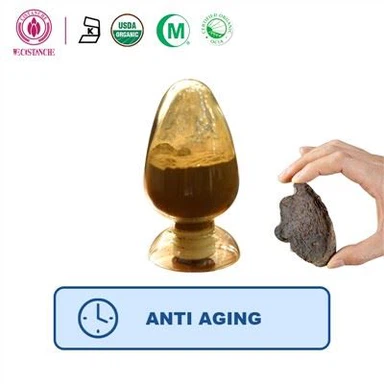
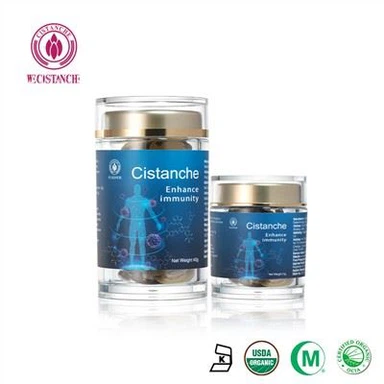
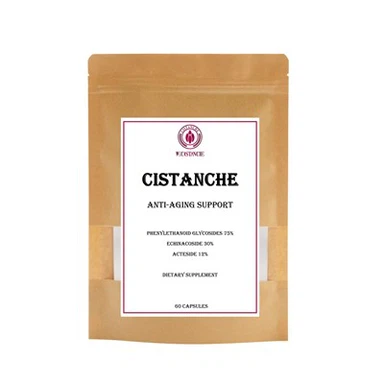
Wecistanche's cistanche powder, cistanche tablets, cistanche capsules, and other products are developed using desert cistanche as raw materials, all of which have a good effect on relieving constipation. The specific mechanism is as follows: Cistanche is believed to have potential benefits for relieving constipation based on its traditional use and certain compounds it contains. While scientific research specifically on Cistanche's effect on constipation is limited, it is thought to have multiple mechanisms that may contribute to its potential to relieve constipation. Laxative Effect: Cistanche has long been used in Traditional Chinese Medicine as a remedy for constipation. It is believed to have a mild laxative effect, which can help promote bowel movements and induce constipation. This effect may be attributed to various compounds found in Cistanche, such as phenylethanoid glycosides and polysaccharides. Moistening the Intestines: Based on traditional use, Cistanche is considered to have moisturizing properties, specifically targeting the Intestines. Promoting hydration and lubrication of the Intestines, it may help soften tools and facilitate easier passage, thereby relieving constipation. Anti-inflammatory Effect: Constipation can sometimes be associated with inflammation in the digestive tract. Cistanche contains certain compounds, including phenylethanoid glycosides and lignans, that are believed to have anti-inflammatory properties. By reducing inflammation in the intestines, it may help improve bowel movement regularity and relieve constipation.