These Foods Are The Big Nemesis Of Constipation. Eat More When You Have Nothing To Do To Moisten The Intestines And Relieve Constipation.
Sep 15, 2023
In today's society, due to the fast pace of life. Everyone also has fast, simple, and easy requirements for food. Due to unbalanced nutrition and reduced intake of fiber foods, a large number of people cannot have a bowel movement for 2-3 days. I have suffered from constipation ever since. Some elderly people may suffer from constipation due to the degradation of their body functions and the weakening of their gastrointestinal function.

Click to home remedies for constipation
cabbage heart
The food is popular. It is slightly cold in nature and sweet in taste. It has the functions of detoxifying, removing heat, and relieving gastrointestinal problems. Anyone upset, thirsty, has poor stools or has yellow urine can eat cabbage regularly. Cabbage contains a lot of crude fiber, as well as vitamins A, B, and C, especially vitamin C. The fiber in cabbage can promote the peristalsis of the intestinal wall, help digestion, and prevent dry stools. Eating raw cabbage hearts will not damage them. Cabbage is nutritious and effective in laxatives. Eat half a pound of cabbage heart every time. It is best to drink water while eating cabbage so that the stool will come out quickly.
potato
Potatoes are also considered to be potatoes among whole grains. They contain a large amount of dietary fiber, which can promote gastrointestinal motility and rapid digestion and are especially suitable for constipation caused by indigestion. After eating potatoes, you will feel very full. It is not recommended to eat too much. Just eat half of it at lunch or lunch.
Dragon fruit itself is rich in nutrients, low in calories, and has the effects of losing weight, lowering cholesterol, and preventing constipation and intestinal cancer. The rich fiber among them can effectively remove feces from the human body. Dragon fruit is rich in skin-whitening vitamin C. Regular consumption can not only lower blood sugar but also whiten the skin! Eating it regularly is good for your body.
peanut

Peanuts contain a lot of protein and fat, especially unsaturated fatty acids. It can strengthen the intestines. This is because peanuts enter the spleen meridian, which has the effect of nourishing the stomach, refreshing the spleen, smoothing the intestines, and moistening dryness. The unique phytic acid, plant sterols, and other special substances in peanuts will increase the toughness of the intestines and are known as the "catalyst" for a strong intestine.
Because the nutrition of boiled peanuts will not be destroyed, you can eat 5 to 6 peanuts a day to strengthen your intestines.
carrot
Carrots have the effects of nourishing blood, detoxifying, and strengthening the spleen and stomach. Carrots are rich in carbohydrates, fats, volatile oils, vitamin A, vitamin 8, anthocyanins, carotene, calcium, iron, and other nutrients. Carrots are an effective detoxification food. They are not only rich in carotene but also contain a large amount of vitamin A and pectin that can effectively reduce the concentration of mercury ions in the blood after combining with mercury ions in the body, thereby accelerating the elimination of mercury ions in the body.
Black fungus is also a very good intestinal cleansing food, and the dried food expands when exposed to water, bringing more moisture to the intestines. However, for those who have difficulty defecating, it is very difficult to take a meal of black fungus to relieve constipation, unless a large amount of supplementary exercise is added.
onion
Onions can accelerate gastrointestinal motility and enhance the digestion capacity of our intestines and stomach. Eating more onions in winter has a good effect on defecation and detoxification, and it also has a good protective effect on our liver. It can be used in cold dishes, stir-fried dishes, or cooked Make vegetable cakes and feed them to your baby.
white radish

"Eat radish in winter, eat ginger in summer." This proverb shows that eating more radishes in winter has many benefits, especially white radishes. The white food can moisten the lungs and remove dryness, and the white radish contains mustard oil. It can accelerate gastrointestinal digestion and promote the excretion of carcinogens. Moreover, radish also contains unknown ingredients that inhibit mutation activity, which greatly improves our body's immunity.
Natural Herbal Medicine For Relieving Constipation-Cistanche
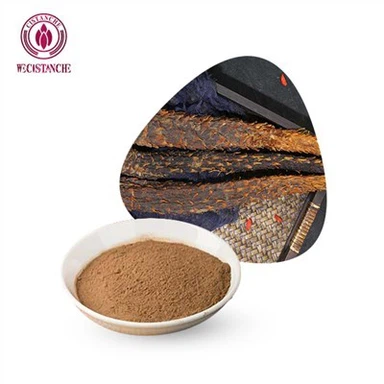
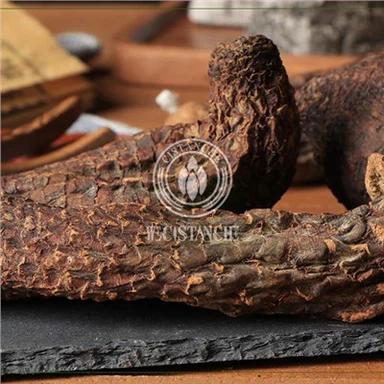
Cistanche is a genus of parasitic plants that belongs to the family Orobanchaceae. These plants are known for their medicinal properties and have been used in Traditional Chinese Medicine (TCM) for centuries. Cistanche species are predominantly found in arid and desert regions of China, Mongolia, and other parts of Central Asia. Cistanche plants are characterized by their fleshy, yellowish stems and are highly valued for their potential health benefits. In TCM, Cistanche is believed to have tonic properties and is commonly used to nourish the kidney, enhance vitality, and support sexual function. It is also used to address issues related to aging, fatigue, and overall well-being. While Cistanche has a long history of use in traditional medicine, scientific research on its efficacy and safety is ongoing and limited. However, it is known to contain various bioactive compounds such as phenylethanoid glycosides, iridoids, lignans, and polysaccharides, which may contribute to its medicinal effects.

Wecistanche's cistanche powder, cistanche tablets, cistanche capsules, and other products are developed using desert cistanche as raw materials, all of which have a good effect on relieving constipation. The specific mechanism is as follows: Cistanche is believed to have potential benefits for relieving constipation based on its traditional use and certain compounds it contains. While scientific research specifically on Cistanche's effect on constipation is limited, it is thought to have multiple mechanisms that may contribute to its potential to relieve constipation. Laxative Effect: Cistanche has long been used in Traditional Chinese Medicine as a remedy for constipation. It is believed to have a mild laxative effect, which can help promote bowel movements and induce constipation. This effect may be attributed to various compounds found in Cistanche, such as phenylethanoid glycosides and polysaccharides. Moistening the Intestines: Based on traditional use, Cistanche is considered to have moisturizing properties, specifically targeting the Intestines. Promoting hydration and lubrication of the Intestines, may help soften tools and facilitate easier passage, thereby relieving constipation. Anti-inflammatory Effect: Constipation can sometimes be associated with inflammation in the digestive tract. Cistanche contains certain compounds, including phenylethanoid glycosides and lignans, that are believed to have anti-inflammatory properties. By reducing inflammation in the intestines, it may help improve bowel movement regularity and relieve constipation.