Causes And Countermeasures Of Cardiovascular Events in Chronic Kidney Disease
Oct 17, 2024
Cardiovascular events (CVE) are the leading cause of death in chronic kidney disease (CKD). This article briefly describes the causes of CVE in CKD patients and their prevention and treatment strategies.

Click to Cistanche for kidney disease
Epidemiology
CKD is ranked as the 12th leading cause of death, and cardiovascular complications are the leading cause of death. CVE accounts for more than 50% of the causes of death in CKD patients. With the progression of CKD, the risk of cardiovascular disease (CVD) shows a clear upward trend. The CVD risk OR value of patients with CKD stage 4-5 is 4-50, while the CVD risk OR value of patients with end-stage renal disease who have undergone renal replacement therapy is as high as 1000.
Risk factors and pathogenesis of CVE in CKD
(1) Proteinuria
Proteinuria is closely related to the occurrence of CVE. When glomerular endothelial cells are damaged, the permeability of the glomerular filtration membrane increases, resulting in proteinuria. Vascular endothelial damage is the initiating factor of coronary atherosclerosis. Deckert proposed the hypothesis in 1989 that "proteinuria may reflect endothelial dysfunction and systemic vascular damage." Leakage of albumin in the vascular wall may trigger an inflammatory response, thereby accelerating the process of atherosclerosis.
(2) Activation of the renin-angiotensin-aldosterone system
Activation of the renin-angiotensin-aldosterone system is considered to be the pathogenesis of CVD. It not only causes arteriosclerosis and systemic hypertension, but also promotes congestive heart failure. Excessive stimulation of angiotensin 1 receptors can lead to endothelial cell growth, oxidative stress and vascular inflammation, which may lead to arterial stiffness and accelerate the vascular aging process. Excessive levels of angiotensin II and aldosterone in the circulation and tissues may promote myocardial cell inflammation, fibrosis and hypertrophy, leading to cardiovascular remodeling and dysfunction.

(3) Anemia
Anemia can cause increased sympathetic nerve activity, increased heart rate and venous tension, increased volume load, leading to left ventricular hypertrophy, cardiac systolic and diastolic dysfunction, and CKD patients with functional iron deficiency anemia have a significantly increased risk of death (HR1.11, 95%CI, 1.07-1.14).
(4) Calcium-phosphorus metabolism disorder
Abnormal calcium-phosphorus metabolism in CKD patients and the resulting cardiovascular calcification are one of the main mechanisms of CVE risk. The risk of death in dialysis patients with blood phosphorus > 6.5 mg/dl is 27% higher than that in patients with blood phosphorus 2.5-6.5 mg/dl. Hyperphosphatemia and secondary hyperparathyroidism can induce the transformation of vascular smooth muscle cells into osteoblast-like cells, causing ossification of heart vessels and valves.
(5) Advanced glycation end products (AGEs)
AGE-induced oxidative stress is associated with atherosclerosis and cardiovascular morbidity in CKD patients. AGEs increase the degree of oxidation of low-density lipoproteins, promote the production of AGE antibodies in the vascular wall, and thereby amplify vascular inflammation and atherosclerosis; AGEs can also activate NFκB by interacting with its receptors, leading to the expression and release of proinflammatory factors IL-1α, LI-6, and TNF-α; AGEs can also increase the expression of soluble vascular cell adhesion factor-1 through oxidative stress response, and reduce its production by inhibiting nitric oxide synthase, causing endothelial dysfunction.
Prevention and treatment strategies for cardiovascular complications of CKD
(1) Diet therapy
For CKD patients, a low-protein diet [0.6-0.8 g/(kg·d)] can reduce the glomerular filtration of protein and reduce intraglomerular pressure, reduce uremic toxins, reduce the burden on the kidneys, and reduce adverse factors such as oxidative stress, metabolic acidosis, insulin resistance, hyperphosphatemia, and hypertension.
(2) Strengthening blood pressure control
≤120/70 mmHg (1 mmHg = 0.133 kPa) can reduce CVE in non-dialysis CKD patients.
(3) Correcting anemia
The target hemoglobin treatment is 110-120 g/L. Treatments include oral or intravenous iron, erythropoiesis stimulating agents, hypoxia-inducible factor prolyl hydroxylase inhibitors, and blood transfusion therapy.
(4) Correcting calcium-phosphorus metabolism disorders
Oral phosphate-lowering drugs are the main treatment method, mainly phosphate binders containing calcium, lanthanum, or iron, such as calcium carbonate, calcium acetate, lanthanum carbonate, ferric citrate, etc.; high-molecular weight chelated phosphate-lowering drugs, such as sevelamer hydrochloride, etc.
(5) Reducing AGEs
Reducing exogenous AGEs and reducing the intake of AGEs in the diet can reduce oxidative stress and inflammation. Sevelamer carbonate can solidify AGEs in the intestine. AGEs are mainly excreted through the kidneys. For patients with uremia, high-flux polysulfone ultrafiltration membranes can reduce more than 80% of AGEs.
(6) Traditional Chinese medicine treatment
Astragalus polysaccharide can reduce oxidative stress in myocardial cells, reduce cell apoptosis, and inhibit myocardial hypertrophy by increasing PGC-1α. Rhein can inhibit platelet aggregation induced by adenosine diphosphate and arachidonic acid, and rhubarb polysaccharide can inhibit the influx of calcium ions outside platelets and reduce platelet activity. Chuanxiong can effectively protect vascular endothelial cells and protect the cardiovascular system by inhibiting the proliferation of vascular smooth muscle cells, inhibiting myocardial hypertrophy, increasing coronary blood flow, lowering lipids, resisting atherosclerosis, inhibiting platelet aggregation, and resisting oxidative stress. Cordyceps sinensis can reduce proteinuria, delay the progression of CKD, inhibit angiotensin II, slow down myocardial fibrosis, antagonize myocardial ischemia caused by vasopressin, and reduce the level of peroxide in ischemic reperfusion myocardial cells. In addition, cordyceps preparations and their extracts have good anti-arrhythmic effects.

Conclusion
CVD is the leading cause of death in CKD patients. Reducing the risk of CVE is the top priority of CKD management. Comprehensive and scientific management measures are of far-reaching significance for improving the survival rate and quality of life of CKD patients.
How Does Cistanche Treat Kidney Disease?
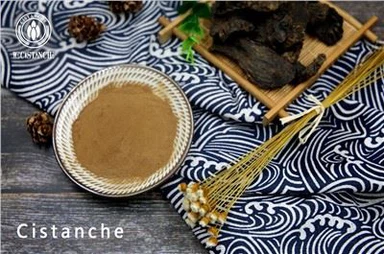
Cistanche is a traditional Chinese herbal medicine used for centuries to treat various health conditions, including kidney disease. It is derived from the dried stems of Cistanche deserticola, a plant native to the deserts of China and Mongolia. The main active components of cistanche are phenylethanoid glycosides, echinacoside, and acteoside, which have been found to have beneficial effects on kidney health.
Kidney disease, also known as renal disease, refers to a condition in which the kidneys are not functioning properly. This can result in a buildup of waste products and toxins in the body, leading to various symptoms and complications. Cistanche may help treat kidney disease ase through several mechanisms.
Firstly, cistanche has been found to have diuretic properties, meaning it can increase urine production and help eliminate waste products from the body. This can help relieve the burden on the kidneys and prevent the buildup of toxins. By promoting diuresis, cistanche may also help Reduce high blood pressure, a common complication of kidney disease.
Moreover, cistanche has been shown to have antioxidant effects. Oxidative stress, caused by an imbalance between the production of free radicals and the body's antioxidant defenses, plays a key role in the progression of kidney disease. ies help neutralize free radicals and reduce Oxidative stress, thereby protecting the kidneys from damage. The phenylethanoid glycosides found in cistanche have been particularly effective in scavenging free radicals and inhibiting lipid peroxidation.
Additionally, cistanche has been found to have anti-inflammatory effects. Inflammation is another key factor in the development and progression of kidney disease. Cistanche's anti-inflammatory properties help reduce the production of pro-inflammatory cytokines and inhibit the activation of inflammation mandatory pathways, thus alleviating inflammation in the kidneys.

Furthermore, cistanche has been shown to have immunomodulatory effects. In kidney disease, the immune system can be dysregulated, leading to excessive inflammation and tissue damage. Cistanche helps regulate the immune response by modulating the production and activity of immune cells, such as T cells and macrophages. This immune regulation helps reduce inflammation and prevent further damage to the kidneys.
Moreover, cistanche has been found to improve renal function by promoting the regeneration of renal tubes with cells. Renal tubular epithelial cells play a crucial role in the filtration and reabsorption of waste products and electrolytes. In kidney disease, these cells can be damaged, leading to damaged renal function. Cistanche's ability to promote the regeneration of these cells helps restore proper renal function and improve overall kidney health.
In addition to these direct effects on the kidneys, cistanche has been found to have beneficial effects on other organs and systems in the body. This holistic approach to health is particularly important in kidney disease, as the condition often affects multiple organs and systems. che has been shown to have protective effects on the liver, heart, and blood vessels, which are commonly affected by kidney disease. By promoting the health of these organs, cistanche helps improve overall kidney function and prevent further complications.
In conclusion, cistanche is a traditional Chinese herbal medicine used for centuries to treat kidney disease. Its active components have diuretic, antioxidant, anti-inflammatory, immunomodulatory, and regenerative effects, which help improve renal function and protect the kidneys from further damage. , cistanche has beneficial effects on other organs and systems, making it a holistic approach to treating kidney disease.