Chronic Inflammation: The Silent Trigger Of Cancer & Long-Term Damage — Supported By Cistanche Tubulosa
May 08, 2026
Persistent fatigue, widespread body aches, red skin or eczema, frequent diarrhea or constipation… These common daily symptoms are classic signs of long-term chronic inflammation, often called silent inflammation. Unlike acute inflammation with obvious redness, swelling, heat, and pain, chronic inflammation quietly and systematically erodes health. A new study by the Chinese Academy of Sciences has revealed that long-term inflammation can reawaken dormant cancer cells.

How Chronic Inflammation Wakes Up Dormant Cancer Cells
Many cancer patients experience recurrence months or years after surgical removal of the primary tumor. This is often caused by the reactivation of dormant cancer cells hidden in other organs. In September 2025, researchers from the Chinese Academy of Sciences and the Massachusetts Institute of Technology published a study in the Proceedings of the National Academy of Sciences (PNAS) showing that inflammation can reawaken dormant cancer cells that have metastasized, leading to cancer metastasis and relapse.
In mouse experiments simulating breast cancer and lung metastasis, some cancer cells entered a dormant state-they did not divide or grow, nor did they form new tumors. However, when inflammation was induced in the mice's lungs, these dormant cancer cells were awakened. Inflammation acts like a key turning on a switch, transforming inactive cancer cells into an active state that can divide and form metastatic tumors.

Medical experts confirm that long-term inflammation creates a fertile environment for cancer. It continuously damages normal cells, promotes abnormal proliferation, and impairs the body's natural repair mechanisms, eventually leading to cancer formation and growth. Chronic low-grade inflammation causes ongoing cell and tissue damage, triggers DNA damage and mutations, and significantly increases cancer risk. Pro-inflammatory factors such as C-reactive protein (CRP), interleukin-1, and tumor necrosis factor-α weaken immune response and indirectly raise cancer risk.
Research has linked chronic inflammation to cancer, diabetes, cardiovascular and cerebrovascular diseases, and other chronic conditions. The inflammation‑cancer chain shows that many cancers develop from long-term inflammation: smoking leads to bronchitis and then lung cancer; gastritis caused by Helicobacter pylori may progress to gastric cancer; chronic ulcerative colitis is linked to colon cancer; and chronic hepatitis can lead to liver cancer.
Fortunately, we can actively fight inflammation through healthy lifestyle adjustments.

Your Complete Anti-Inflammatory Guide
Anti-inflammatory care does not require expensive supplements-it comes from five basic daily habits: diet, hydration, exercise, sleep, and mood management.
1. Diet: Choose Anti-Inflammatory Foods
Eat more colorful natural fruits and vegetables such as blueberries, carrots, and tomatoes, which are rich in antioxidants and polyphenols. Choose healthy fats rich in Omega‑3 fatty acids, found in salmon, flaxseeds, and walnuts. Use natural spices like ginger, garlic, cinnamon, and curry, which contain anti-inflammatory compounds. Reduce high-sugar snacks, fried foods, refined carbohydrates, and ultra-processed meats that promote inflammation.
2. Hydration: Drink Enough and Choose Smartly
Drink plenty of water and tea; water helps remove metabolic waste, and green tea contains anti-inflammatory polyphenols. Moderate black coffee is rich in antioxidants, but avoid adding too much sugar or cream. Limit sugary drinks such as milk tea and fruit beverages, which are high in added sugars that fuel inflammation.
3. Exercise: Stay Active, Avoid Sitting Too Long
Do moderate-intensity exercise such as brisk walking, swimming, or cycling for about 150 minutes per week to lower inflammatory markers. Add strength training to improve metabolism and control inflammation. Stand and move every hour to reduce inflammation caused by prolonged sitting.
4. Sleep: Get Quality Rest
Lack of sleep increases cortisol and inflammatory factors. Keep a regular schedule to support a healthy circadian rhythm. Sleep in a dark, quiet, cool environment to improve sleep quality.
5. Mood and Stress: Stay Calm and Relax
Practice mindfulness or meditation for 5–10 minutes a day to reduce stress-related inflammation. Do enjoyable activities such as music, reading, and socializing to relieve pressure. Talk to others or write to release emotions instead of suppressing them.

Cistanche Tubulosa: Natural Support for Anti-Inflammatory & Oxidation Resistance
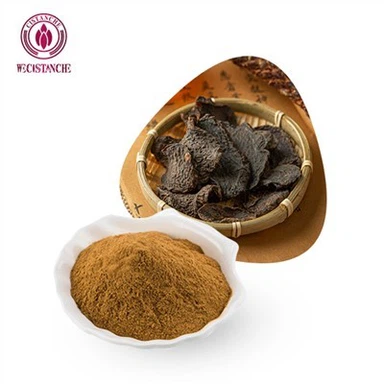
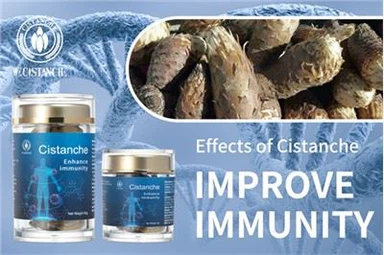
Along with lifestyle changes, natural plant extracts can provide safe, gentle support for anti-inflammation and antioxidant balance. Cistanche Tubulosa, a well‑studied traditional Chinese medicinal herb, offers valuable support for the body's inflammatory response and cellular health.
Cistanche oxidation resistance benefits for the anti-inflammatory are supported by modern phytochemical research. The key active components acteoside and echinacoside in Cistanche can increase the activity of SOD, the body's core antioxidant enzyme. They inhibit cell apoptosis and necrosis, reduce levels of injury markers including carcinogenic factors, repair damaged tissues, and regulate metabolic balance.
These compounds protect organs and cells from damage caused by chemical toxins, inflammation, overwork, and other stressors. Studies show that the protective effects are positively correlated with dosage, making standardized, high-potency extracts especially valuable. For people living with chronic low-grade inflammation, Cistanche Tubulosa helps reduce oxidative stress, calm excessive inflammatory responses, protect cell health, and maintain normal metabolic function.

Our Strength: High-Activity Cistanche Tubulosa Extract
We are Chengdu Wecistanche Bio-Tech Co., Ltd., founded in 2003, with the world's largest integrated Cistanche industrial chain. We focus on Cistanche Tubulosa extract sourced from Hotan, Xinjiang, with significantly higher active ingredient content than common Cistanche products.
We own a complete industrial chain including a 20,000‑mu seed breeding base, over 85,000 mu of cultivation base, 15,000 tons of fresh storage capacity, and a GMP factory processing 20,000 tons of raw materials annually. Our 100,000‑class GMP workshop uses advanced ultrafiltration and nanofiltration purification to preserve high levels of acteoside and echinacoside.
We hold international certifications including HACCP, EU Organic, NOP, HALAL, and Kosher, with 14 invention patents related to Cistanche extraction. Led by chief scientist Professor Tu Pengfei from Peking University School of Pharmacy, we cooperate with top universities worldwide to ensure product safety, efficacy, and consistency. Our extracts are widely used in dietary supplements, functional foods, and anti-inflammatory wellness products for global customers.

Supportive Service Of Wecistanche-For more details about cooperation
Email:Lijianlin@wecistanche.com
Conclusion
Chronic silent inflammation threatens long-term health and is closely linked to cancer and chronic diseases. Early awareness, lifestyle improvements, and natural support can help the body reduce inflammation and protect cells. Cistanche Tubulosa extract, with its reliable oxidation resistance and anti-inflammatory benefits, provides gentle, natural support for daily wellness.
We are committed to supplying high‑purity, high‑activity Cistanche Tubulosa extract to help people worldwide maintain balanced inflammation and better health.