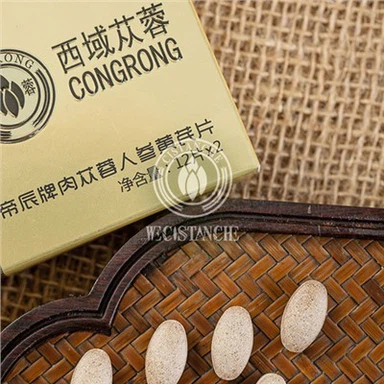
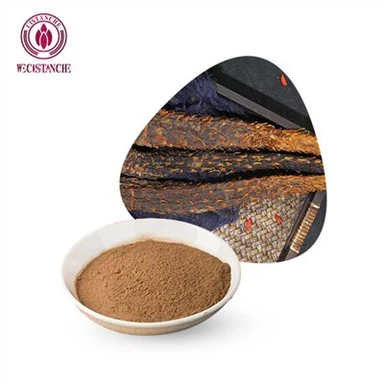
Cistanche Extract And Kidney Tonification: Traditional Understanding, Active Compounds, And Modern Research
Nov 25, 2026
1. What Is Cistanche
Cistanches Herba (Rou Cong Rong) is the scaly, fleshy stem of parasitic plants in the Orobanchaceae family. The commonly used source species include Cistanche deserticola and Cistanche tubulosa, which grow mainly in the desert regions of northwest China. In traditional materia medica, it is sweet and salty in taste, warm in nature, and enters the kidney and large intestine meridians; it is a commonly used yang-tonifying herb.

Dragon Herbs Cistanche
Cistanche extract is a concentrated product obtained through extraction, concentration, and drying. It is usually standardized by the content of total phenylethanoid glycosides or by marker compounds such as echinacoside and acteoside. Compared with raw herbal slices, the extract is more concentrated, so its dosage and use differ and should follow the product label or professional guidance.
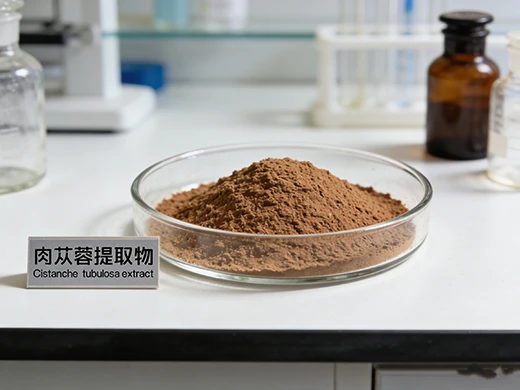
Cistanche tubulosa extract
2. "Kidney Tonification" in Traditional Chinese Medicine
In TCM theory, the main actions of Cistanche are to tonify kidney yang, replenish essence and blood, and moisten the intestines to relieve constipation. Under traditional pattern differentiation, it has been used to support conditions attributed to kidney yang deficiency and insufficiency of essence and blood, such as sore and weak lower back and knees, fatigue, aversion to cold, male impotence and premature ejaculation, female infertility due to cold uterus, and constipation due to intestinal dryness.
It is important to understand that TCM "kidney yang" can be broadly understood as the body's driving, warming, and metabolic functional power, while "replenishing essence and blood" refers to supporting the nutritional and material basis. Therefore, the "kidney" that Cistanche tonifies is a TCM concept; it does not directly target the anatomical kidney, nor is it equivalent to "kidney protection" or "kidney disease treatment" in modern medicine.

Effects of cistanche-improve kidney function
3. Main Active Compounds in Cistanche Extract
Modern phytochemical studies have identified the following groups of compounds most closely associated with its tonic effects:
1. Phenylethanoid glycosides (PhGs): the characteristic core constituents of Cistanche. Echinacoside (ECH) and acteoside (ACT; also known as verbascoside) are the marker compounds for quality control recorded in the Chinese Pharmacopoeia.
2. Cistanche polysaccharides: studied for their immunomodulatory and antioxidant properties.
3. Other constituents: betaine, lignans, iridoids, amino acids, and volatile oils, among others.
The proportion and content of these compounds vary with the origin, source species, and extraction process. When assessing product quality, attention should be paid to marker-compound content, source species, and whether the manufacturing process is standardized.

Main Chemical Constituents of Cistanche tubulosa
4. Evidence from Modern Research
Pharmacological research over recent decades has conducted several basic experiments on Cistanche and its active constituents. Findings related to the traditional concept of "tonifying the kidney and benefiting essence" mainly cover the following directions:
1. Reproductive function: some animal and in vitro studies suggest that Cistanche phenylethanoid glycosides may participate in promoting androgen secretion and improving sperm quality, thereby exerting a positive influence on reproductive function.

Effects of Cistanche: Improve Kidney Function
Click here to view Cistanche for Kidney disease products
【Ask for more】 Email:cindy.xue@wecistanche.com / WhatsApp: 0086 18599088692 / WeChat: 18599088692
2. Antioxidant and anti-aging effects: extracts, polysaccharides, and phenylethanoid glycosides have shown free-radical scavenging and reduction of oxidative stress damage in experimental settings.
3. Other pharmacological directions: potential effects have been observed in anti-osteoporosis, gut microbiota regulation, anti-inflammation, auxiliary regulation of blood glucose and lipids, and neuroprotection.
4. Kidney-related basic research: in vitro and animal experiments have observed that constituents such as echinacoside may protect podocytes and tubular cells against oxidative stress, while acteoside has been found to participate in inhibiting inflammatory and fibrotic pathways. It must be emphasized that these are mostly results at the basic-research stage; whether they translate into definite benefits for humans still requires more high-quality clinical studies.
Regarding safety, available experimental data suggest that Cistanche is a non-toxic or low-toxicity substance. However, because the extract is concentrated, it should not be taken at will in increased amounts; the safety of long-term, high-dose use should still be treated with caution.
5. Suitable and Unsuitable Groups; Precautions
From the perspective of traditional pattern differentiation, Cistanche is more suited to people with a tendency toward kidney yang deficiency and essence-blood insufficiency-those who tend to feel cold, have sore and weak lower back and knees, and relatively dry stools-under professional guidance. It should not be self-administered in the following situations:
1. Hyperactivity of fire due to yin deficiency: typical signs include a dry mouth, hot flashes and night sweats, warm palms and soles, a red tongue with little coating, and a tendency to "heat up"; using a warming tonic alone may aggravate these symptoms.
2. Loose stools or diarrhea: Cistanche has an intestinal-moistening action and may worsen loose stools during diarrhea.
3. Constipation due to gastrointestinal excess heat or heat accumulation: this type of constipation is dominated by heat signs and is not suitable for the moistening, warming action of Cistanche.
In addition, pregnant women, children, older adults, people with chronic underlying diseases, and those taking other medications should consult a physician or pharmacist before using Cistanche extract. If discomfort such as dry mouth, "heat" symptoms, abdominal bloating, or diarrhea occurs during use, stop taking it and seek medical attention promptly.
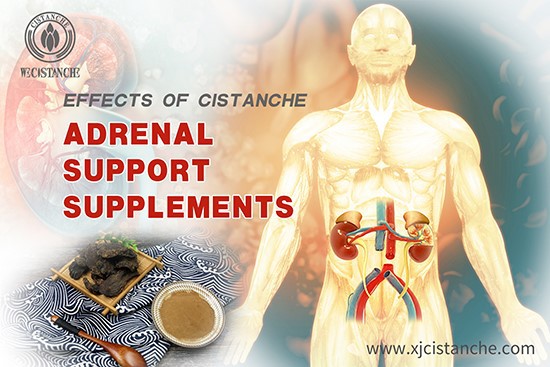
Effects of cistanche-Improve Kidney Function
6. Conclusion
Cistanche is a yang-tonifying herb with a long history of traditional use. Its phenylethanoid glycosides, polysaccharides, and other constituents have shown potential value related to reproductive function, antioxidant activity, and kidney protection in basic research. However, most current evidence remains at the experimental stage, and the effects and applicable boundaries of human use still require further clinical support. This article is for science communication only and cannot replace professional diagnosis and treatment. If you have clear symptoms or a chronic condition, please seek a medical diagnosis first before deciding whether and how to use related products.
References
[1] Reconstructed Materia Medica: Cistanche deserticola. China Journal of Traditional Chinese Medicine and Pharmacy, 2024, 31(4).
[2] Research progress on bioavailability and delivery systems of phenylethanoid glycosides from Cistanche. Science and Technology of Food Industry, 2025.
[3] State Key Laboratory of Natural and Biomimetic Drugs, Peking University. Research on the active substances and mechanisms of Cistanche.
[4] Beijing University of Chinese Medicine. Research overview of phenylethanoid glycosides from Cistanche, 2025.
[5] Jiang Y, et al. Cistanches Herba: A Neuropharmacology Review. Evidence-Based Complementary and Alternative Medicine, 2016, PMC5028387.