A Retrospective Cohort Study On The Effects Of Cistanche-Based Herbal Extract On Renal Function And Microinflammatory Status In Non-Dialysis Patients With Chronic Kidney Disease (CKD) Stages 3–5
Apr 07, 2026
Abstract
Objective: To evaluate the effects of a Cistanche-based herbal extract regimen combined with conventional Western medicine on renal function and microinflammatory status in non-dialysis patients with chronic kidney disease (CKD) stages 3–5.
Methods: This was a single-center retrospective cohort study. A total of 100 consecutive non-dialysis CKD stage 3–5 inpatients admitted between January 2020 and March 2022 were enrolled and divided into:
Exposed group (n=50): Conventional therapy plus a Cistanche extract–centered herbal regimen.
Non-exposed group (n=50): Conventional therapy alone.
Propensity score matching (PSM) (1:1, caliper 0.2×logit(SD)) or inverse probability of treatment weighting (IPTW) was applied to balance baseline characteristics; standardized mean difference (SMD) < 0.10 indicated acceptable balance.
Primary outcome: Change in estimated glomerular filtration rate (ΔeGFR) after 6 months.
Secondary outcomes: Changes in serum creatinine (Scr), blood urea nitrogen (BUN), C-reactive protein (CRP), interleukin-6 (IL-6), and improvement in Traditional Chinese Medicine (TCM) syndrome scores. Weighted linear regression or ANCOVA was used for continuous outcomes.
Results: After PSM, baseline characteristics were balanced between groups (n=50 each). After 6 months:
eGFR increased from baseline in the exposed group (+2.35±1.20) vs decreased in the non-exposed group (−1.82±1.05 mL/min/1.73m², P<0.001).
Reductions in Scr and BUN were greater in the exposed group (P<0.01).
Inflammatory marker declines were greater in the exposed group:
CRP: −3.25±1.05 vs −1.02±0.88 mg/L (P<0.001)
IL-6: −5.12±1.78 vs −1.95±1.23 pg/mL (P<0.001)
TCM syndrome score improvement was more pronounced in the exposed group (P<0.001).
No significant difference in adverse event rates was observed (P>0.05).
Conclusion: In non-dialysis CKD stages 3–5, combining conventional therapy with a Cistanche-based herbal extract approach was associated with improved renal function and reduced microinflammation over 6 months without obvious safety concerns in this retrospective analysis. Larger multicenter randomized controlled trials are needed to confirm causality and long-term outcomes.
Keywords: Chronic kidney disease; Cistanche extract; Herbal extract for chronic kidney disease; Non-dialysis CKD; Renal function protection; Microinflammatory status; Echinacoside; Verbascoside (acteoside)
How does cistanche treat kidney damage
Introduction
Chronic kidney disease (CKD) is a major global public health challenge, with a continuously rising prevalence and substantial impact on human health [1]. As CKD progresses to stages 3–5, renal function typically declines progressively, and many patients exhibit a persistent microinflammatory state [2–3]. This non-infectious, low-grade systemic inflammation may accelerate renal interstitial fibrosis and increase risks such as cardiovascular events and malnutrition, thereby worsening prognosis.
Although comprehensive conventional management can slow CKD progression, its capacity to restore renal function and modulate microinflammation remains limited in many patients [4–5]. The pathophysiology of CKD is closely linked to decreased functional reserve and impaired microcirculatory perfusion [6–7]. Reduced reserve decreases clearance of metabolic wastes and disrupts internal homeostasis. Insufficient systemic动力 (functional drive) can worsen hemodynamics, aggravate intrarenal capillary congestion, and ultimately form a vicious cycle of "functional decline → microcirculatory disorder → toxin accumulation" [8–9]. Accordingly, targeted strategies that improve systemic status and correct renal hemodynamics may be valuable.

In the context of patient demand for herbal extract support for chronic kidney disease-especially among individuals seeking complementary approaches to improve energy, inflammation control, and long-term kidney protection-Cistanche (notably Cistanche tubulosa) is commonly positioned as a "kidney-tonifying" botanical in traditional practice. Modern product descriptions emphasize active constituents such as echinacoside and verbascoside/acteoside, along with antioxidant-related benefits.
Therefore, this study retrospectively analyzed 100 non-dialysis CKD stage 3–5 cases to explore whether adding a Cistanche-extract–centered regimen to conventional therapy is associated with changes in renal function and microinflammatory markers, providing pragmatic evidence to inform clinical decision-making.
Cistanche Benefits For Liver And Kidney
1. Clinical Data
1.1 General Information
This was a single-center, observational, retrospective cohort study conducted in accordance with the STROBE statement. Consecutive complete medical records were retrieved for non-dialysis CKD stage 3–5 patients hospitalized in the Department of Nephrology from January 1, 2020 to March 31, 2022. Patients were grouped based on actual inpatient and follow-up outpatient treatments.
The study complied with ethical principles of the Declaration of Helsinki and was approved by the institutional ethics committee (LLKY2025-98).
1.2 Inclusion and Exclusion Criteria
Inclusion criteria:
Age 18–75 years;
CKD stages 3–5 diagnosis by Western criteria and TCM pattern differentiation consistent with kidney deficiency and blood stasis;
No initiation of any renal replacement therapy;
Regular follow-up ≥6 months with complete traceable laboratory and clinical assessment data.
Exclusion criteria:
Acute kidney injury within 3 months prior to admission or during the study period;
Active infection, malignancy, active connective tissue disease, or severe hepatic insufficiency (Child–Pugh class B or above);
Pregnancy or lactation;
Known allergy to study-related herbal components;
Participation in other clinical studies that may affect renal function assessment.

A Cistanche Decoction that is well known in China
More details of new tcm herb for prostate health
Supportive Service Of Wecistanche-For more details about cooperation
Email:wallence.suen@wecistanche.com
2. Treatment and Observation
2.1 Treatment Protocol and Exposure Definition
Grouping was based on actual treatment recorded in the hospital and follow-up. The exposure factor was defined as:
"Whether the patient continuously used a Cistanche-extract–centered herbal regimen for ≥3 months in addition to conventional CKD therapy."
Conventional comprehensive therapy (both groups):
Dietary guidance;
Blood pressure control (target <130/80 mmHg);
Glycemic control and lipid management;
ACEI/ARB as appropriate;
Correction of anemia;
Correction of electrolyte disturbances and calcium–phosphorus metabolism disorders.
Exposed group (Conventional therapy + Cistanche extract):
In addition to the above, patients continuously used a Cistanche extract–centered regimen for ≥3 months.
Non-exposed group (Conventional therapy only):
Patients received conventional comprehensive therapy without Cistanche extract, and without other herbal formulas with similar claimed effects.
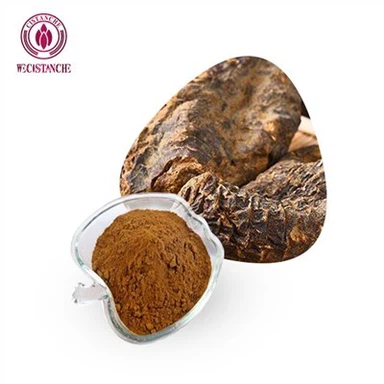
Product-context note (not a clinical prescription): Based on the provided product page information, Cistanche extract is supplied as a brown powder, ≤100 mesh, with active ingredients including echinacoside, verbascoside/acteoside, phenethyl alcohol total glycosides, and flavonoids, and an adult usage suggestion of 3–5 g/day (oral; also mentioned topical use). Shelf life is stated as 3 years, with an appearance date of Aug 1, 2022 (manufacturer listing).
These parameters originate from the supplied WECISTANCHE product-page text and are included here for documentation and SEO context, not as medical advice.
2.2 Observation and Follow-Up
Data were obtained from the hospital electronic medical record system, laboratory information system, and outpatient follow-up records. Two independent collectors extracted data and cross-verified accuracy. Outcomes were assessed at baseline and at 6 months. Adverse events were recorded, focusing on potential herbal-related gastrointestinal reactions, liver function abnormalities, and allergic reactions, with causality assessment based on clinical records.
2.3 Laboratory Methods
All laboratory indicators were tested in the hospital laboratory. Scr, BUN, and uric acid were measured using an automatic biochemical analyzer (Hitachi 7600). CRP was measured by immunoturbidimetry. IL-6 was measured by ELISA using kits from Shanghai Enzyme-Linked Biotechnology Co., Ltd., strictly following kit instructions.
2.4 Outcome Measures
Primary outcome:
Difference between eGFR at 6 months and baseline (ΔeGFR)
Secondary outcomes:
Renal function: ΔScr and ΔBUN at 6 months vs baseline
Microinflammation: ΔCRP and ΔIL-6 at 6 months vs baseline
TCM syndrome score: based on the Guiding Principles for Clinical Research of New Chinese Medicines [9], including symptoms such as low back and knee soreness, fatigue, sallow complexion, limb numbness, etc.; total score 0–30 (higher = more severe)
Safety: any adverse event, with emphasis on GI symptoms, liver function abnormalities, and allergy; causality assessed
2.5 Covariates
Baseline variables potentially affecting outcomes were collected, including: age, sex, BMI, primary disease (diabetic kidney disease/hypertensive nephropathy/chronic nephritis, etc.), CKD stage (3/4/5), SBP, DBP, fasting glucose, HbA1c, urine protein/creatinine ratio, baseline eGFR, Scr, BUN, CRP, IL-6, and TCM syndrome score.
2.6 Ethics Statement
This retrospective observational study used exposure information from routine clinical records. Investigators did not assign interventions prospectively; therefore, clinical trial registration was not applicable.
3. Statistical Methods
R 4.3.1 was used for analysis. Continuous variables were expressed as mean ± SD; categorical variables as counts and percentages. To control confounding, propensity scores were calculated using logistic regression with the covariates above, followed by 1:1 nearest-neighbor matching (caliper 0.2×SD of logit(PS)). Balance was assessed using SMD; SMD<0.10 indicated acceptable balance.
For continuous outcomes (ΔeGFR, ΔScr, etc.), ANCOVA was used in the matched sample, with baseline values as covariates, reporting adjusted mean differences and 95% CI. Changes in TCM syndrome score and microinflammatory indicators were analyzed using paired t-tests. Categorical variables were compared using chi-square or Fisher's exact test. Two-sided P<0.05 indicated statistical significance.
4. Results
4.1 Study Population and Flow
A total of 100 non-dialysis CKD stage 3–5 patients were included: 50 in the exposed group and 50 in the non-exposed group. Study flow followed screening → inclusion → grouping → matching/weighting.
Table 1. Baseline characteristics of the two groups before and after propensity score matching/weighting
Note: SMD = standardized mean difference; SMD < 0.10 indicates adequate balance. "After matching/weighting" corresponds to PSM/IPTW output.
| Variable | Exposed group (pre-match) (n=50) | Non-exposed group (pre-match) (n=50) | SMD (pre-match) | Exposed group (post PSM/IPTW) (n=50) | Non-exposed group (post PSM/IPTW) (n=50) | SMD (post PSM/IPTW) |
|---|---|---|---|---|---|---|
| Age (years) | 58.32±9.45 | 61.05±10.12 | 0.278 | 59.01±9.23 | 59.22±9.87 | 0.022 |
| Male, n (%) | 28 (56.00) | 26 (52.00) | 0.080 | 27 (54.00) | 26 (52.00) | 0.040 |
| BMI (kg/m²) | 24.15±3.20 | 23.87±3.45 | 0.084 | 24.08±3.18 | 23.99±3.30 | 0.028 |
| CKD stage 3, n (%) | 22 (44.00) | 18 (36.00) | 0.163 | 21 (42.00) | 20 (40.00) | 0.041 |
| CKD stage 4, n (%) | 20 (40.00) | 22 (44.00) | 0.081 | 20 (40.00) | 21 (42.00) | 0.041 |
| CKD stage 5, n (%) | 8 (16.00) | 10 (20.00) | 0.103 | 9 (18.00) | 9 (18.00) | 0.000 |
| Primary disease: diabetic nephropathy, n (%) | 30 (60.00) | 28 (56.00) | 0.081 | 29 (58.00) | 28 (56.00) | 0.041 |
| eGFR (mL/min) | 35.20±10.15 | 33.85±11.02 | 0.127 | 34.95±10.08 | 34.62±10.51 | 0.032 |
| Scr (μmol/L) | 185.34±45.67 | 192.15±50.23 | 0.142 | 187.25±46.01 | 188.94±47.85 | 0.036 |
| CRP (mg/L) | 6.85±2.10 | 7.12±2.34 | 0.121 | 6.92±2.05 | 6.98±2.18 |
4.2 Baseline Characteristics and Balance (Before/After Matching)
Before matching, certain differences were observed (e.g., age distribution, CKD stage composition). After PSM, all covariates achieved SMD<0.10, indicating good baseline balance and comparability between groups.
Table 2. Changes in renal function indices after 6 months of treatment (mean ± SD)
Note: Δ indicates the value at 6 months minus baseline. Adjusted mean differences were estimated using ANCOVA with baseline value as a covariate.
| Outcome | Exposed group (n=50) | Non-exposed group (n=50) | Adjusted mean difference (95% CI) | P value |
|---|---|---|---|---|
| ΔeGFR (mL/min) | 2.35±1.20 | -1.82±1.05 | 4.17 (3.252, 5.088) | 0.000 |
| ΔScr (μmol/L) | -15.28±8.45 | -3.12±7.23 | -12.16 (-15.023, -9.297) | 0.000 |
| ΔBUN (mmol/L) | -2.05±0.89 | -0.48±0.76 | -1.57 (-1.892, -1.248) | 0.000 |
4.3 Primary Outcome: Changes in Renal Function
After 6 months, the exposed group showed an average eGFR increase of 2.35 mL/min/1.73m² compared with a decrease of 1.82 mL/min/1.73m² in the non-exposed group. The adjusted between-group ΔeGFR difference was 4.17 mL/min/1.73m² (95% CI: 3.252–5.088, P<0.001). Scr and BUN reductions were also significantly greater in the exposed group (P<0.01).
4.4 Secondary Outcomes: Microinflammatory Markers and TCM Syndrome Scores
CRP and IL-6 decreased more in the exposed group (P<0.001). TCM syndrome scores improved more substantially in the exposed group (P<0.001).
Table 3. Changes in microinflammatory markers and TCM syndrome score after 6 months (mean ± SD)
| Outcome | Exposed group (n=50) | Non-exposed group (n=50) | Adjusted mean difference (95% CI) | P value |
|---|---|---|---|---|
| ΔCRP (mg/L) | -3.25±1.05 | -1.02±0.88 | -2.23 (-2.588, -1.872) | 0.000 |
| ΔIL-6 (pg/mL) | -5.12±1.78 | -1.95±1.23 | -3.17 (-3.745, -2.595) | 0.000 |
| TCM syndrome score (post-treatment) | 10.25±3.15 | 16.80±4.22 | -6.55 (-8.012, -5.088) | 0.000 |
4.5 Safety Evaluation
During treatment, mild gastrointestinal discomfort occurred in 3 exposed patients (6.00%) and 2 non-exposed patients (4.00%) and resolved with symptomatic management. No serious adverse events such as herb-related severe hepatic/renal injury or allergy were recorded. The between-group adverse event rate difference was not statistically significant (P>0.05).
Table 4. Comparison of safety events between the two groups
| Adverse event | Exposed group (n=50) | Non-exposed group (n=50) |
|---|---|---|
| Mild gastrointestinal discomfort | 3/50 (6.00%) | 2/50 (4.00%) |
| Drug-related severe hepatic/renal dysfunction | 0/50 (0.0%) | 0/50 (0.0%) |
| Allergy | 0/50 (0.0%) | 0/50 (0.0%) |
5. Discussion
Progression to CKD stages 3–5 indicates markedly reduced renal functional reserve. Progressive renal decline and persistent low-grade systemic inflammation form the core pathophysiologic features [10–12]. Microinflammation promotes renal interstitial fibrosis and glomerulosclerosis by activating innate immune pathways and increasing inflammatory mediator release, thereby accelerating kidney function loss [13]. While conventional management (blood pressure control, proteinuria management, metabolic correction) can delay progression, it may not sufficiently improve established microinflammatory environments in some patients.
From the perspective of patient motivation-especially those searching for terms like "herbal extract for chronic kidney disease," "natural kidney support," "anti-inflammatory kidney supplement," and "CKD stage 3-5 support"-botanical approaches are often pursued to address fatigue, inflammation burden, and long-term organ support. Within this context, Cistanche (Cistanche tubulosa) is frequently described as a tonic herb for kidney support in traditional theory, and product descriptions emphasize phenylethanoid glycosides such as echinacoside and acteoside/verbascoside, along with flavonoids.
In this retrospective cohort, after baseline balancing, patients receiving conventional therapy plus a Cistanche-extract–centered regimen showed more favorable 6-month trends in renal function indicators (eGFR, Scr, BUN) and greater reductions in CRP and IL-6. These findings suggest an association between Cistanche-based adjunctive herbal therapy and improved renal function stability alongside decreased systemic inflammation burden.
Mechanistically, provided product-page narratives and broader referenced literature highlight multi-pathway possibilities, including antioxidant activity and immune-inflammatory modulation. For example, related mechanistic discussions of kidney-disease inflammation emphasize pathways involving NF-κB signaling, inflammatory cytokines such as IL-6, and fibrosis signaling cascades, while gut–kidney axis concepts suggest that altering intestinal barrier integrity and microbiota-derived uremic toxin production may influence systemic inflammation and kidney progression [6–7]. At a botanical-constituent level, product descriptions for Cistanche emphasize antioxidant and neuroprotective narratives and list echinacoside and acteoside/verbascoside as key actives; such constituents are frequently discussed as candidates for reducing oxidative stress and apoptosis, which are biologically plausible processes relevant to CKD microinflammation and progression (note: plausibility does not establish clinical efficacy).
Overall, this suggests a potential multi-target pattern consistent with CKD's complex chronic pathophysiology: anti-oxidative stress support, inflammation modulation, and possibly microcirculatory or tissue-protective effects. However, because this study is retrospective, causality cannot be established, residual confounding may remain, the single-center design and limited sample size restrict generalizability, and the 6-month follow-up does not capture long-term endpoints such as dialysis initiation, cardiovascular events, or mortality. Future multicenter randomized controlled trials with longer follow-up and systems-biology approaches are needed.
Product Information Context
Cistanche for Kidney Disease listing: raw material Cistanche tubulosa; actives echinacoside, verbascoside, phenethyl alcohol total glycosides, flavonoids; form powder, brown; particle size ≤100 mesh; suggested dosage 3–5 g/day; usage oral/topical; origin China; shelf life 3 years; appearance date Aug 1, 2022 (manufacturer listing).
"Anti-Alzheimer's" Cistanche extract listing provides similar active ingredient descriptions and positions effects such as antioxidant support and memory-related mechanisms in model descriptions; it also states dosage 3–5 g/day and powder specs.
(These details are drawn from the text you provided from the two WECISTANCHE pages.)
References
Note: The following reference list is translated/standardized from the references you provided. Some items include Chinese journal titles and "English edition" notes exactly as given.
[1] Wang Zhongli, Wu Yunqi, Lin Yao, et al. Research progress on obesity indices and chronic kidney disease. Chinese Journal of Medical Frontiers (Electronic Edition), 2025, 17(1):6–13.
[2] Qiu Ping, Huang Shuo, Luo Qihan, et al. Progress on mechanisms of necroptosis in chronic kidney disease. Chinese Pharmacological Bulletin, 2025, 41(5):816–820.
[3] Long Mei, Sun Wei. Professor Sun Wei's experience with an integrated "treat–manage–nourish" approach for CKD. World Science and Technology/Modernization of Traditional Chinese Medicine, 2025, 27(8):2192–2197.
[4] Zhang Ge-di, Liu Geng-xin, Guo Min, et al. Effect of PINK1/Parkin-mediated mitophagy on CKD myocardial injury and intervention mechanism of Shenshuai Recipe. Journal of Traditional Chinese Medicine (English Edition), 2024, 44(5):934–943.
[5] Xue Li, Chao Yao, Dong-mei Lan, et al. Porphyromonas gingivalis induces CKD through crosstalk between NF-κB/NLRP3 and ferroptosis in GMCs. Contemporary Medical Sciences (English), 2024, 44(5):932–946.
[6] Fang Cong-cong, Zhu Xiao-liang, Zhang Yong-jian, et al. Allopurinol combined with Dahuang Mudan Tang improves kidney function and alleviates oxidative stress and inflammation in CKD stage I–III with hyperuricemia. Journal of Traditional Chinese Medicine (English Edition), 2024, 44(1):182–187.
[7] Pan Li-bin, Yu Hang, Fu Jie, et al. Berberine ameliorates CKD by inhibiting gut-derived uremic toxin production in gut microbiota. Acta Pharmaceutica Sinica B (English), 2023, 13(4):1537–1553.
[8] Chen Wei, Su Hong-ming. Special issue: molecular nutrition and chronic diseases. Journal of Zhejiang University (English Edition), Series B: Biomedicine & Biotechnology, 2023, 24(7):549–553.
[9] Ministry of Health of the People's Republic of China. Guiding Principles for Clinical Research of New Chinese Medicines (Trial). Beijing: China Medical Science and Technology Press, 2002:77–85.
[10] Zhao Ming-Hui, Chen Wei, Cheng Hong, et al. A Chinese multi-specialty Delphi consensus to optimize RAASi usage and hyperkalaemia management in CKD and heart failure. Chinese Medical Sciences Journal (English Edition), 2024, 39(2):79–90.
[11] Lyu Kang, Liu Shao-dong, Liu Yan-li, et al. Effect of blood lipid profiles on CKD in a prospective cohort using regression discontinuity design. Biomedical and Environmental Sciences (English Edition), 2024, 37(10):1158–1172.
[12] Shi Ke-xiang, Zhu Yun-qing, Lv Jun, et al. Physical activity and risk of CKD in China: a population-based cohort study. Sports and Health Science (English Edition), 2024, 13(2):204–211.
[13] Chin Jia Wen, Abdullah Rafidah, Tan Benjamin Wei Wang, et al. Complementary and alternative medicine usage among adults with CKD: systematic review and meta-analysis. Journal of Integrative Medicine (English Edition), 2025, 23(4):370–381.
[14] Reimer Katharina Charlotte, Nadal Jennifer, Meiselbach Heike, et al. Mineral and bone biomarkers and adverse cardiovascular outcomes/mortality in the GCKD cohort. Bone Research (English Edition), 2023, 11(4):764–771.
[15] Li Shuang, Duan Shu-wei, Dong Zhe-yi, et al. Distribution of TCM syndromes in diabetic kidney disease CKD 1–5: a correlation study. Journal of Traditional Chinese Medicine (English Edition), 2024, 44(3):572–580.
[16] Chen Shu, Ma Yu, Zhang Sai, et al. Meta-analysis on clinical efficacy and safety of the Bushen Huoxue method for CKD. Tianjin Journal of Traditional Chinese Medicine, 2023, 40(12):1558–1566.
[17] Yang Wenxue, Sun Lanyun, Liu Yashen, et al. Chronic disease management model based on the Bushen Huoxue method in CKD stage 3 (kidney deficiency and blood stasis pattern). China Journal of Traditional Chinese Medicine and Pharmacy, 2024, 39(4):2087–2091.
[18] Bai Yuanyuan, Li Zhouqiang, Qiu Hanbo, et al. Effects of Astragalus on lung cancer and potential mechanisms. Chinese Archives of Traditional Chinese Medicine, 2024, 42(3):138–141.
[19] Dong Ao, Kong Qi, Tan Xiaoyue, et al. Effects of schisandrin B on apoptosis and autophagy in hypoxia/reoxygenation renal tubular epithelial cells. China Journal of Traditional Chinese Medicine and Pharmacy, 2020, 35(12):6046–6049.
[20] Zhang Xia, Li Xuejun, Xu Tingting, et al. Rituximab combined with TCM syndrome differentiation in pediatric steroid-dependent nephrotic syndrome: efficacy and medication pattern analysis. Journal of Beijing University of Chinese Medicine, 2025, 48(1):80–90.
[21] Xie Jiadong, He Weiming, Zhao Yufeng, et al. Data mining of Sun Wei's medication pattern for CKD with hyperuricemia. Chinese Journal of Basic Medicine in Traditional Chinese Medicine, 2024, 30(4):674–679.
[22] Sun Yang, Wang Hongxin. Astragaloside IV alleviates inflammation via NF-κB/NLRP3 in pulmonary arterial hypertension rats. Chinese Traditional Patent Medicine, 2023, 45(2):578–582.
[23] Li Fang, Chen Zhengjun, Ge Junli, et al. Codonopsis via PI3K/Akt intervenes in mucosal ferroptosis and mitochondrial dynamics imbalance in ulcerative colitis. Chinese Herbal Medicines, 2023, 54(12):3865–3877.
[24] Zhang Yi, Ou Yulong, Wang Huixia, et al. Tanshinone IIA induces apoptosis in HepG2 via regulation of mitochondrial translocator protein. Chinese Pharmacological Bulletin, 2023, 39(1):101–107.
[25] Cai Shuangjie, Fang Juzheng. Research progress on Ligusticum chuanxiong and herb pairs. Chinese Archives of Traditional Chinese Medicine, 2024, 42(8):244–248.
[26] Zhu Rong, Pang Zhiyong, Xu Xunjia, et al. Patterns of staged treatment for type 2 diabetes lower-limb vascular lesions from single herbs to combinations. Chinese Journal of Basic Medicine in Traditional Chinese Medicine, 2025, 31(4):667–672.
[27] Chen Fan, Su Shulan, Guo Long, et al. Apriori-based analysis of formulas containing the Danshen–Danggui herb pair. Chinese Herbal Medicines, 2023, 54(3):868–876.
[28] Wang Hong, Liu Linna, Jiang Qian, et al. Dahuang–Danshen herb pair delays renal fibrosis in unilateral ureteral obstruction rats. Chinese Journal of Clinical Pharmacology, 2023, 39(3):368–372.
[29] Yin Chaofei, Zhu Jianping, Zhao Ruiqi, et al. Research progress of rhubarb and formula compatibility in CKD. Chinese Herbal Medicines, 2025, 56(12):4516–4530.
[30] Liu Siyi, Liu Wenjie, Tu Yue, et al. Non-targeted renal metabolomics study of Dahuang Zhechong Wan improving renal aging via multi-target actions. China Journal of Chinese Materia Medica, 2024, 49(11):3002–3011.