Cistanche (Rou Cong Rong): A “Desert Ginseng” In Traditional Chinese Herbal Wellness
Jul 30, 2026
Cistanche-known in Chinese as Rou Cong Rong (肉苁蓉)-is a classic tonic herb in Traditional Chinese Medicine (TCM). In TCM practice it's valued for gentle, steady support rather than fast, dramatic effects.
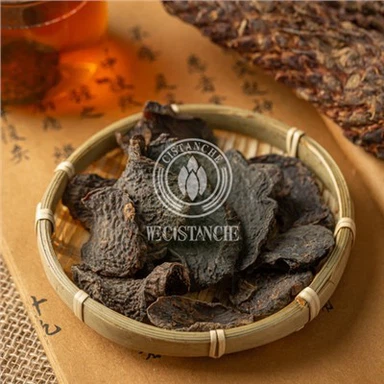
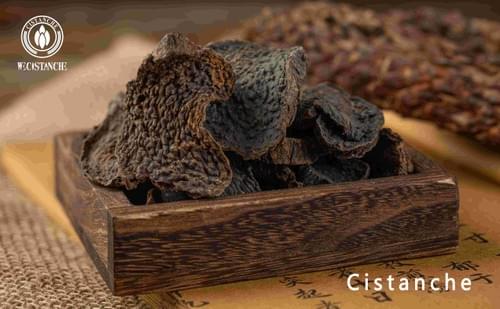
If you'd like to see a retail example of the raw herb in sliced form, here is a product page for Cistanche slices (100 g/box):
Click the picture to get more details
Supportive Service of Wecistanche- For more details about cooperation
Email:wallence.suen@wecistanche.com
What it is (and where it comes from)
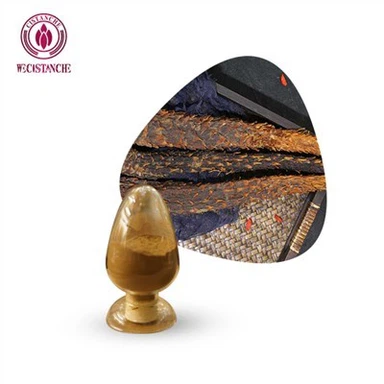
In herbal materia medica, "Cistanche" typically refers to the dried, fleshy stem (with scale-like leaves) of Cistanche deserticola or Cistanche tubulosa (family Orobanchaceae). It is mainly produced in Inner Mongolia, Xinjiang, and Gansu.
Harvest & processing (traditional description):
Harvested in spring when shoots first emerge, or in autumn before the ground freezes
The tip is removed, the stem is cut into sections, then sun-dried
Often used as thick slices, either raw or processed with wine (wine-steamed/wine-braised) in traditional preparation
Traditional quality markers: thick, robust pieces; densely covered with scales; brownish color; soft and moist texture; mild aroma; sweet with a slightly bitter taste.
How TCM describes its nature (for context)
Taste / nature: sweet, bland, neutral (TCM terms)
Meridian entry (TCM framework): heart, lung, spleen, kidney channels
This is not a Western pharmacology classification, but it helps explain how TCM practitioners historically matched herbs to symptom patterns.
Practical benefits people use it for (traditional uses)
1) Kidney yang deficiency and "essence/blood" weakness (TCM pattern)
In TCM, Rou Cong Rong is used to support kidney yang and nourish "essence and blood." It's traditionally described as gentle and slow-acting, better for consistent support than quick results.
Common TCM symptom patterns mentioned include:
low libido/sexual weakness, infertility (TCM pattern-based)
lower back and knee soreness/weakness
general weakness of tendons and bones
In traditional formulas it is often paired with herbs such as dodder seed (Tu Si Zi), Duzhong (Eucommia bark), and Xu Duan.
2) Dry constipation (bowel dryness)
Rou Cong Rong is also widely used for dry constipation, especially when constipation is linked (in TCM terms) to fluid depletion (e.g., after heavy sweating) or age-related dryness/weakness. It is characterized as moistening the intestines and helping bowel movement gently.
Traditional pairings may include herbs such as Huo Ma Ren (hemp seed) or Chen Xiang (agarwood) depending on the pattern.
Who should not use it
Because it can be warming and may promote bowel movement, traditional guidance says it may be unsuitable for:
"Yin deficiency with internal heat" (TCM pattern)
constipation from excess heat (hard, dry stools with heat signs)
chronic loose stools/diarrhea (especially from spleen deficiency, TCM pattern)
minors (as a cautious general rule in the text)
If you're pregnant, have a chronic illness, or take medications, check with a qualified clinician before regular use.
What modern research discussions often mention (high-level summary)
The text notes that Cistanche contains small amounts of alkaloids and other compounds. It also summarizes research observations such as potential effects related to:
bowel motility and laxation (including shorter transit time in animal studies)
possible anti-oxidative activity in experimental systems (e.g., inhibition of lipid peroxidation in tissue preparations)
These findings are mainly preclinical (e.g., lab/animal models). They are helpful for hypotheses, but they don't automatically translate into proven clinical outcomes in humans.
Common food-style ways to use Cistanche (practical recipes)
1) Cistanche tea
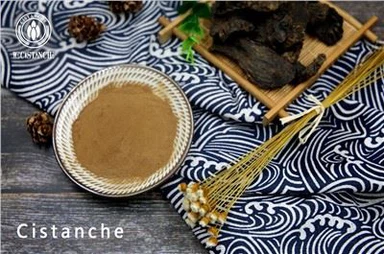
How: Use 5–10 g slices (adjust to your body and tolerance). Add boiling water in a thermos, steep 15–20 min; re-steep until flavor fades.
Alternative: simmer with 300–500 mL water for 20–30 min.
Traditional purpose: daily wellness support; warming and gentle bowel support.
Optional add-ins (traditional):
pronounced cold intolerance/low yang: add goji berries (~10 g)
low energy/blood deficiency pattern: add 3–5 dates (pitted)
for bowel support: add a little honey after cooling slightly
2) Cistanche congee (rice porridge)
How: Simmer 10–15 g Cistanche in ~500 mL water for 30–40 min, strain, then cook rice (50–100 g) with the herbal liquid into porridge. Sweeten with a little brown sugar if desired.
Traditional purpose: gentler tonic support for people with weaker digestion or older adults, especially with habitual constipation.
3) Cistanche soup/stew
How: Use 15–30 g Cistanche with lamb (often considered the most "warming" pairing), beef, chicken, or bones; add ginger, goji berries, and dates; simmer 1.5–2 hours.
Traditional purpose: warming support, strengthening, and nourishment-commonly used for people who feel cold and fatigued.
4) Cistanche infused liquor (tincture-style)
How: 50–100 g dried Cistanche in 500–1000 mL of 50%+ grain liquor; steep 15–30 days.
Typical intake (traditional): 10–20 mL, 1–2 times daily.
Warning: Not suitable for people who can't drink alcohol, or with conditions like uncontrolled hypertension or liver disease. Heat-type constitutions (TCM) should be cautious.
Practical tips
Think of Cistanche as an herb people use for gradual vitality support and gentle bowel support, not a fast "stimulant."
Start with small amounts, and watch for signs you don't tolerate it well (dry mouth, irritability, sleep disturbance, or constipation that worsens).
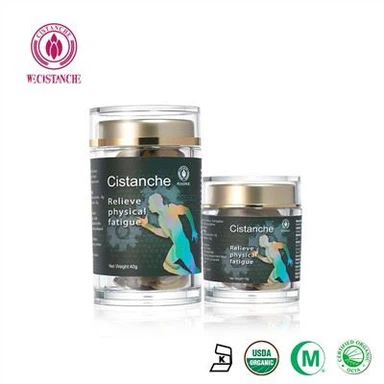
For a simple starting point, tea is typically the easiest format. A product example of sliced Cistanche is here: