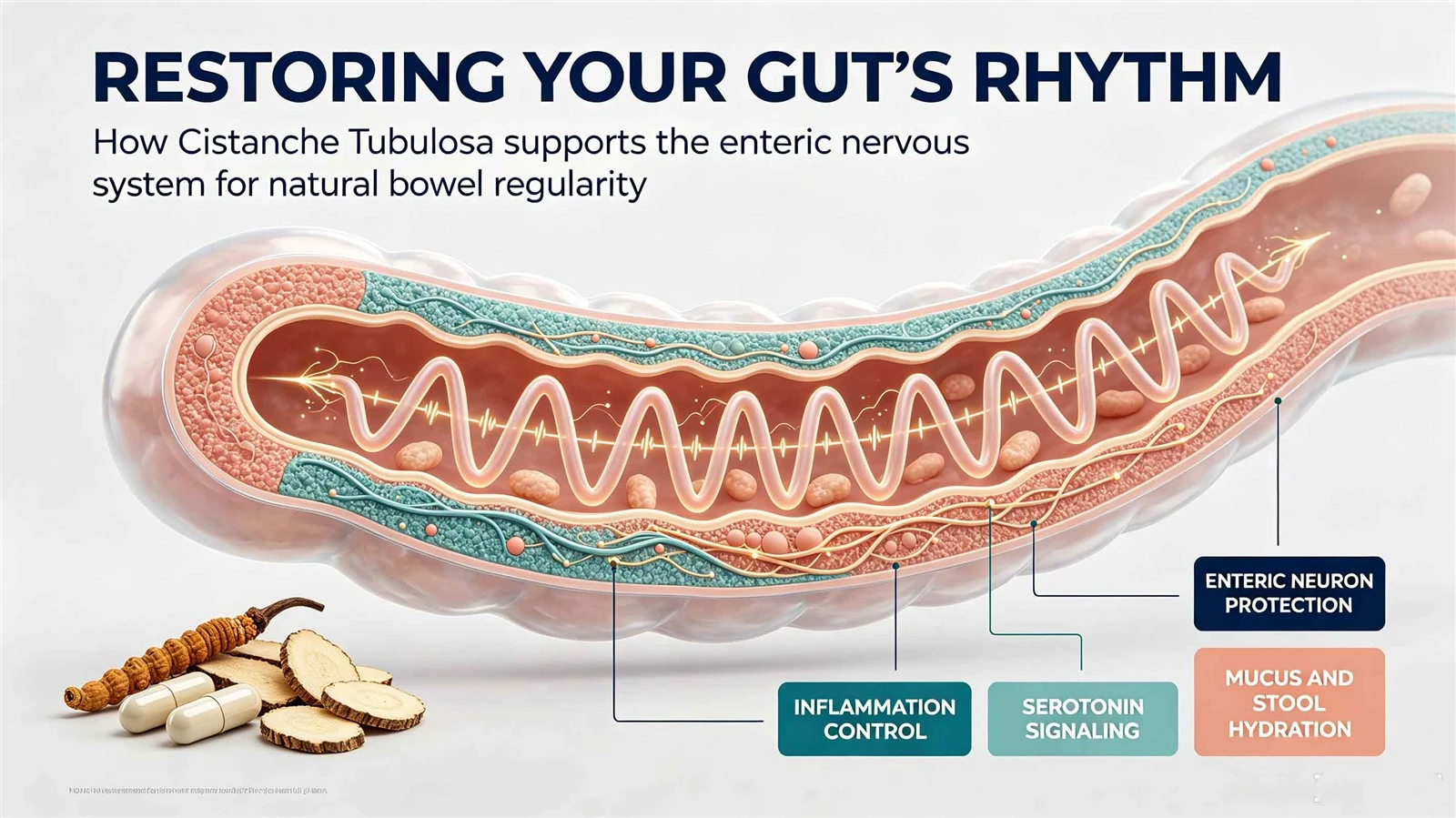
Restoring Your Gut's Rhythm: How Cistanche Tubulosa Supports The Enteric Nervous System For Natural Bowel Regularity
Aug 17, 2026
The gut has a mind of its own-literally. The enteric nervous system, often called the "second brain," is a vast network of over 500 million neurons embedded in the wall of the gastrointestinal tract. It orchestrates peristalsis, the coordinated wave of muscle contractions that propels food and waste through the digestive tract. When the enteric nervous system functions well, bowel movements occur regularly and comfortably, without conscious effort. When it falters-due to inflammation, oxidative stress, aging, or metabolic dysfunction-motility slows, stool sits too long in the colon, and constipation develops. While fiber and laxatives address stool consistency and transit, a truly restorative approach should also support the enteric nervous system itself. Cistanche tubulosa, through its active ingredients echinacoside and acteoside, is demonstrating protective effects on the very neurons that coordinate bowel regularity-offering a fundamentally more integrated approach to constipation relief.
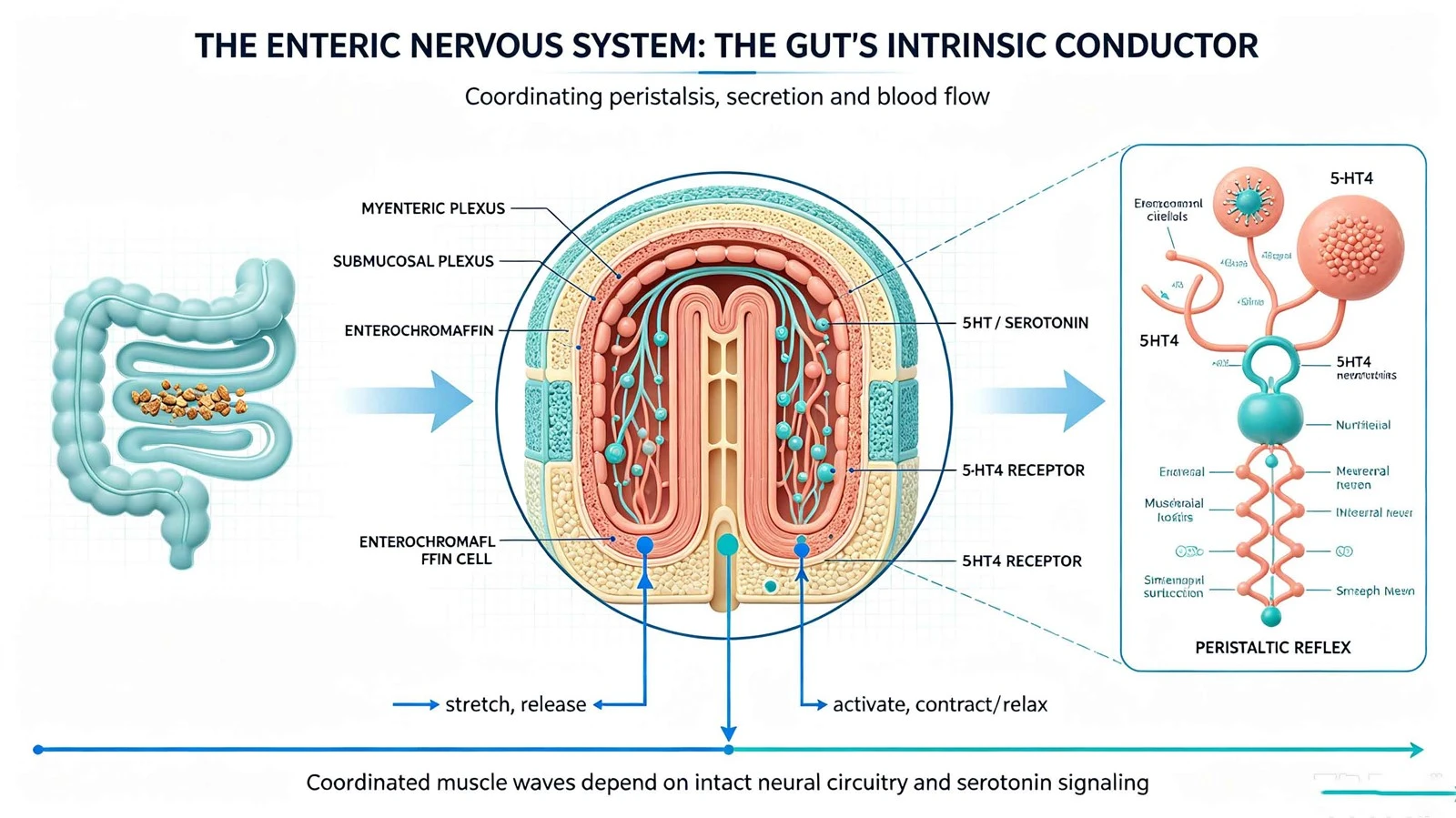
The Enteric Nervous System: The Gut's Intrinsic Conductor
The enteric nervous system contains more neurons than the spinal cord. It operates semi-autonomously, coordinating the complex motor programs of the gut-peristalsis, segmentation, sphincter control-with remarkable precision. The two main plexuses are the myenteric plexus (Auerbach's plexus), located between the circular and longitudinal muscle layers, and the submucosal plexus (Meissner's plexus), located in the submucosa. The myenteric plexus is primarily responsible for motility, while the submucosal plexus regulates secretion and blood flow.
The key neurotransmitter of gut motility is serotonin. Approximately 95% of the body's serotonin is produced by enterochromaffin cells in the gut lining. When food stretches the gut wall, enterochromaffin cells release serotonin, which activates serotonin 5-HT4 receptors on enteric neurons, triggering the peristaltic reflex. Serotonin signaling is essential for normal motility, and drugs that activate 5-HT4 receptors-like prucalopride-are used to treat chronic constipation.
The enteric nervous system is vulnerable to damage. Chronic low-grade inflammation in the gut wall-driven by dysbiosis, food sensitivities, or metabolic stress-can damage enteric neurons through oxidative stress and inflammatory cytokine-mediated apoptosis. This is one of the reasons chronic constipation becomes more prevalent with age: enteric neurons are lost at a rate of approximately 2–3% per year after age 40, and the remaining neurons function less efficiently. Preserving the health of these neurons is therefore as important as managing stool consistency.
How Cistanche Tubulosa Supports Enteric Nervous System Health
1. Protecting Enteric Neurons from Oxidative Damage
Enteric neurons are post-mitotic-they cannot be replaced once lost. Their long-term survival depends on adequate antioxidant protection. Echinacoside, through Nrf2 activation, upregulates the antioxidant enzymes in enteric neurons and glial cells. Superoxide dismutase, glutathione peroxidase, and heme oxygenase-1 neutralize the ROS generated by inflammation and normal metabolism, protecting these irreplaceable neurons from oxidative death. In animal models of intestinal inflammation, Cistanche extract treatment preserved the number of myenteric neurons and maintained normal peristaltic function, while untreated controls showed significant neuron loss and impaired motility.
2. Suppressing Gut Wall Inflammation Through NF-κB Inhibition
Inflammation is a primary driver of enteric neuron damage. Pro-inflammatory cytokines like TNF-α and IL-6 activate NF-κB in the gut wall, contributing to both neuron apoptosis and smooth muscle dysfunction. Acteoside, through its potent NF-κB inhibition, reduces the production of these cytokines. By calming the inflammatory environment, acteoside helps preserve the neural circuitry that drives peristalsis. This anti-inflammatory protection extends to the interstitial cells of Cajal, the pacemaker cells that generate the slow waves of electrical activity coordinating peristaltic contractions.
3. Enhancing Serotonin Signaling and the Peristaltic Reflex
Serotonin is the trigger for the peristaltic reflex. It is released by enterochromaffin cells in response to gut wall distension and binds to 5-HT4 receptors on enteric neurons, initiating the coordinated contraction and relaxation of muscle layers that propels stool forward. Cistanche's polysaccharides support the health of enterochromaffin cells by nourishing the gut microbiota that influences their development and function. The short-chain fatty acids produced by Cistanche-fed bacteria-particularly butyrate-promote serotonin synthesis by enterochromaffin cells. By supporting serotonin signaling, Cistanche helps ensure that the peristaltic reflex fires when needed.
4. Increasing Mucus Secretion and Stool Lubrication
As detailed in our dedicated constipation article, Cistanche polysaccharides stimulate goblet cells to secrete mucus, which coats the stool and facilitates smooth passage. They also upregulate aquaporin water channels in the colonic epithelium, drawing moisture into the bowel lumen to hydrate the stool. This lubricating effect reduces the mechanical stress on the gut wall during defecation, reducing the need for straining that can damage both the enteric nerves and the pelvic floor.
5. Supporting the Gut-Brain Axis Through Neuroprotection
The enteric nervous system communicates bidirectionally with the central nervous system through the vagus nerve and circulating signals. Cistanche's neuroprotective effects-BDNF upregulation, anti-inflammatory action, antioxidant defense-apply to the enteric nervous system as well as the brain. Acteoside has been shown to promote neuronal survival in both the central and enteric nervous systems, supporting the functional integrity of the gut-brain axis. A healthy enteric nervous system not only ensures regular bowel movements but also contributes to overall digestive comfort and well-being.
A comprehensive 2022 review in Frontiers in Pharmacology catalogs the anti-inflammatory, antioxidant, and gut-protective properties of Cistanche tubulosa, confirming its multi-targeted support for digestive health and intestinal barrier function. (Frontiers in Pharmacology review on Cistanche tubulosa)
The Active Ingredients for Enteric Nervous System Support
The enteric-protective effects are driven by echinacoside and acteoside, along with the polysaccharides. Echinacoside is the primary Nrf2 activator and enteric neuron protector. Acteoside is the primary NF-κB inhibitor and anti-inflammatory agent. The polysaccharides support mucus production, stool hydration, and the gut microbiota that sustains serotonin signaling. A high-quality extract should retain both the phenylethanoid glycoside and polysaccharide fractions. The evidence-informed dose for digestive support is 400–600 mg daily.
Integrating Cistanche for Bowel Regularity
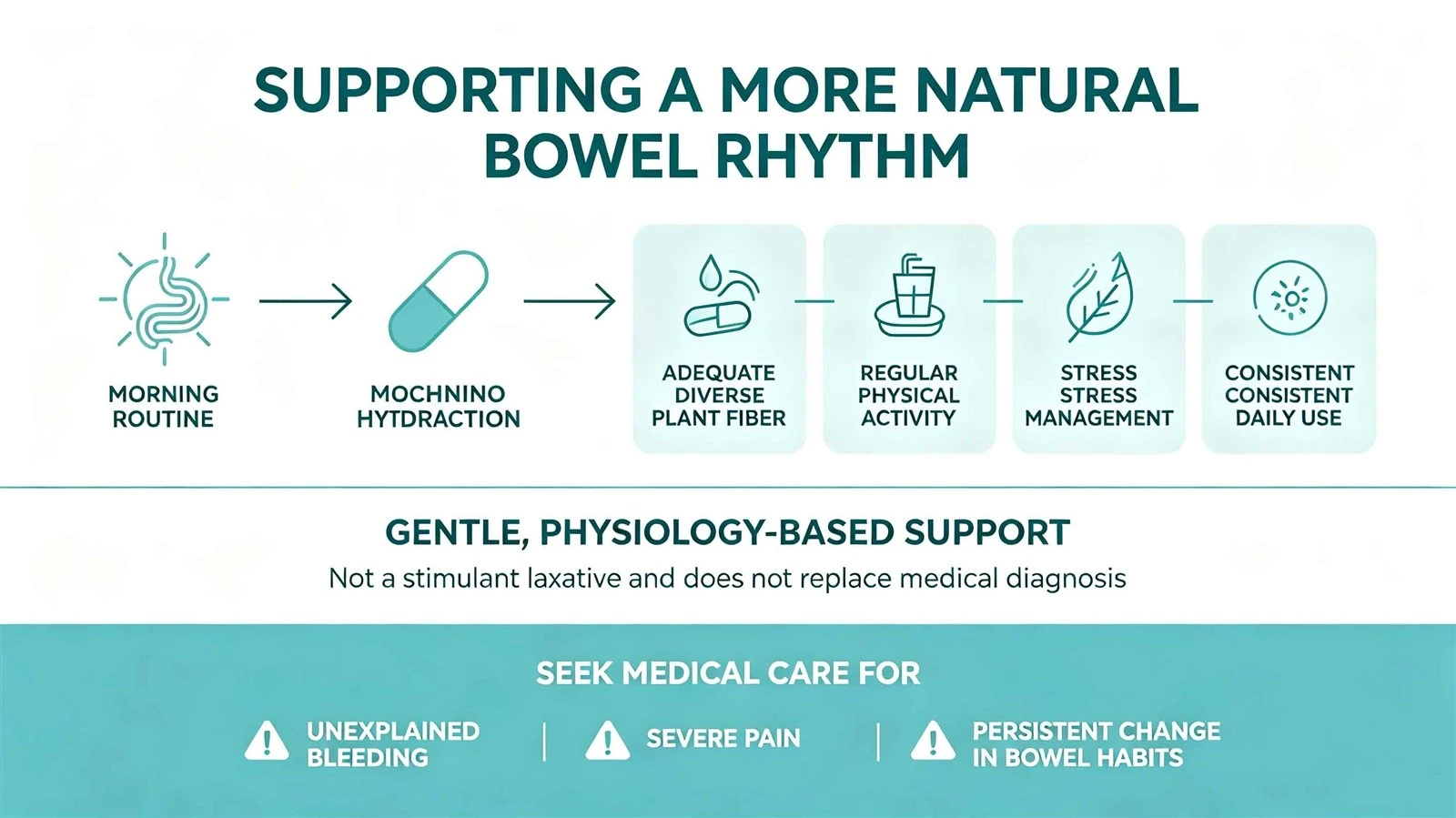
For chronic constipation, Cistanche is best taken in the morning with a full glass of warm water, leveraging the body's natural morning gastrocolic reflex. Consistent daily use over weeks gradually re-establishes a natural rhythm. It pairs well with adequate hydration, a diet rich in diverse plant fibers, regular physical activity, and stress management. Unlike stimulant laxatives, Cistanche does not force contractions, cause cramping, or create dependency. It works with the body's own physiology-protecting the enteric nervous system, calming inflammation, and supporting the natural mechanisms of bowel function.
Our GutRhythm Cistanche Extract is manufactured using a low-temperature process that preserves both the polysaccharide and phenylethanoid glycoside fractions. Each batch is third-party tested for purity.
Safety and Medical Context
Cistanche tubulosa is well tolerated with a centuries-long safety record. However, chronic constipation can sometimes indicate underlying conditions-hypothyroidism, neurological disorders, or colonic structural abnormalities-that require medical evaluation. Any significant change in bowel habits, especially accompanied by weight loss, blood in the stool, or severe pain, warrants gastroenterological assessment. This botanical is a gentle, restorative tool for functional constipation, not a substitute for medical diagnosis or treatment.