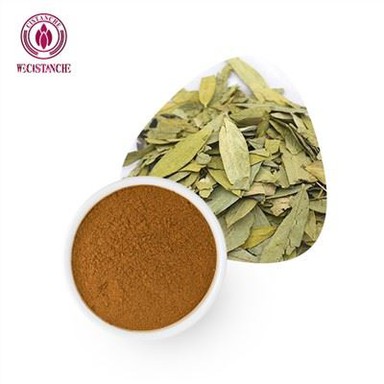
Cistanche: The Desert Herb Exploring Potential Support For Alzheimer’s Disease And Brain Aging
Nov 11, 2026
Introduction
Alzheimer's disease (AD), widely known as the most prevalent form of age‑related dementia, represents one of the greatest public‑health burdens of global population agingPMC. This progressive neurodegenerative disorder primarily strikes middle‑aged and older adults, gradually eroding memory capacity, verbal expression, logical judgment, and daily‑living independence. Beyond cognitive decline, many AD patients also experience mood shifts, personality changes, sleep disturbance, and other neuropsychiatric symptoms that create heavy care‑giving pressure for families and healthcare systems worldwidePMC.
Global health reports estimate that tens of millions of people currently live with Alzheimer's disease, and patient numbers will keep climbing as life expectancy rises across most regions of the world. At present, mainstream pharmaceutical interventions for Alzheimer's disease can deliver mild symptomatic improvement for learning and memory performance, yet they cannot fully halt or reverse underlying disease progressionPMC. For this reason, researchers around the world are actively searching for complementary natural substances that feature low side‑effect profiles and long‑term usability to enrich prevention and intervention strategies for cognitive aging.
Traditional herbal medicine has accumulated thousands of years of practical observations on aging‑related health conditions. Cistanche, also nicknamed "desert ginseng", is a well‑known tonic herb originating from arid desert zones of Asia. As a parasitic plant from the Orobanchaceae family, it grows by attaching its root system onto drought‑resistant desert shrubs. In classic traditional medicine records, Cistanche was valued for tonifying kidney energy, nourishing essence and blood, and supporting regular intestinal movement. In recent decades, modern pharmacology research has uncovered that extracts and purified bioactive substances sourced from Cistanche deliver meaningful neuroprotective properties. Pre‑clinical lab studies indicate these natural compounds may provide protective benefits against multiple neurodegenerative illnesses, including Alzheimer's disease, Parkinson's disease, Huntington's disease and amyotrophic lateral sclerosis (ALS)PMC.
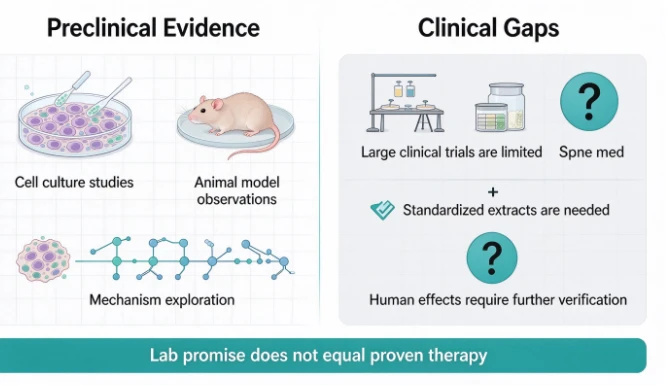
Even though abundant cell‑culture and animal‑model data have been published, comprehensive systematic evaluations regarding Cistanche for Alzheimer's disease remain limited. Most existing findings come from laboratory‑based pre‑clinical experiments rather than large‑scale human clinical trials. This article serves as a science‑focused popular‑science overview. It organizes current published pre‑clinical discoveries, explains major bioactive ingredients inside Cistanche, and breaks down multiple biological pathways through which Cistanche extracts may act on AD‑relevant pathological changes. Readers should keep in mind: information shared in this article is for educational reference only. Cistanche products are not validated curative medicine for Alzheimer's disease, and no self‑medication decisions should be made without professional medical guidance.
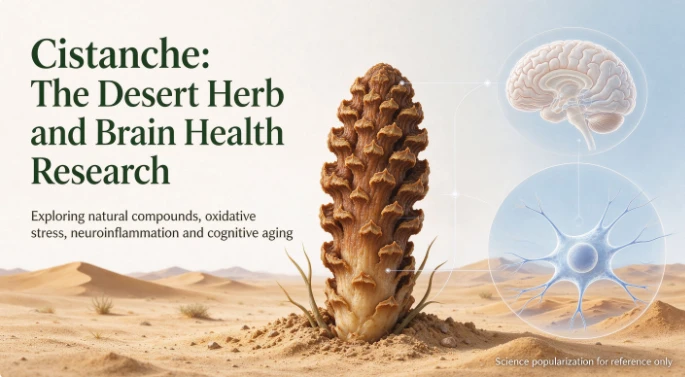
What Is Cistanche and Its Key Bioactive Compounds
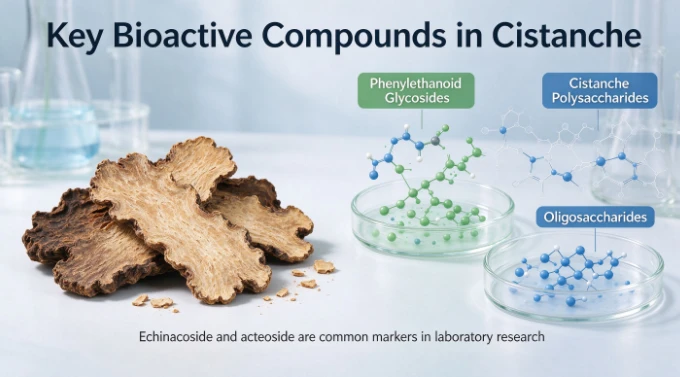
Cistanche (Herba Cistanches) refers to the dried scaly, fleshy stem of Cistanche deserticola or Cistanche tubulosa. For hundreds of years, local communities harvested this desert herb for wellness purposes. Modern separation technology has identified numerous functional chemical constituents responsible for its pharmacological performance. Three major groups of active substances stand out in neuroscience research: phenylethanoid glycosides (PhGs), Cistanche polysaccharides (CDPS), and various oligosaccharides.
Phenylethanoid glycosides (PhGs) draw the greatest research attention for brain‑related applications. Two representative molecules within this category are echinacoside (ECH) and acteoside, also commonly called verbascoside (VB). These molecules demonstrate strong antioxidant, anti‑inflammatory, and nerve‑cell‑shielding capacity across many lab tests. They help neutralize harmful reactive oxygen species, moderate over‑active inflammatory signaling cascades, and mitigate toxicity triggered by mis‑folded amyloid‑beta proteins.
Cistanche deserticola polysaccharides (CDPS) represent another critical component. These large‑molecule carbohydrate compounds primarily contribute to immune‑system balancing and gut‑microbiota modulation. Research shows CDPS can foster growth of beneficial intestinal bacteria, improve short‑chain‑fatty‑acid production in the gut, and indirectly affect brain health via the gut‑brain communication axisPMC. Oligosaccharides extracted from Cistanche further assist in lowering pro‑inflammatory marker levels inside experimental animal subjects.
Different Cistanche varieties, growing environments, harvesting seasons, and extraction processes will change the concentration ratios of these bioactive ingredients. High‑quality standardized extracts maintain stable content levels of echinacoside and acteoside, which are frequently used as quality‑assessment markers in laboratory investigations.
Core Pathological Features of Alzheimer's Disease: A Quick Overview
Before diving into how Cistanche may interact with disease processes, it helps to understand major pathological hallmarks of Alzheimer's disease. Two well‑known physical changes inside AD patients' brains are extracellular amyloid‑beta (Aβ) plaque buildup and intracellular neurofibrillary tangles formed by hyper‑phosphorylated tau protein. As these abnormal protein structures accumulate, normal neuron communication gets disrupted, nerve cells sustain damage and gradually die off, and hippocampal brain regions vital for memory recording progressively atrophyPMC.
Scientists have proposed multiple explanatory hypotheses for AD onset and progression: amyloid cascade theory, cholinergic‑system damage theory, oxidative‑stress injury theory, chronic neuroinflammation theory, and genetic‑mutation‑driven mechanisms. No single hypothesis can fully explain every AD patient's clinical presentation. Today's consensus recognizes Alzheimer's as a multifactorial illness driven by overlapping biological disturbances. Besides abnormal protein aggregation, additional contributing factors include mitochondrial energy‑metabolism failure, autophagy‑lysosome cleaning‑system dysfunction, immune‑system imbalance, gut‑microbiome dysbiosis, hormone fluctuations, and insulin‑resistance‑like metabolic alterations in brain tissue.
This multi‑factor nature makes multi‑target natural agents conceptually attractive. Instead of acting upon just one single molecular target, herbal extracts such as Cistanche may simultaneously modulate several interconnected biological pathways to ease different pathological pressures on nervous tissue. It is worth emphasizing: these are pre‑clinical observations, and translating such lab‑based promise into proven human therapeutic outcomes still requires substantial further investigation.
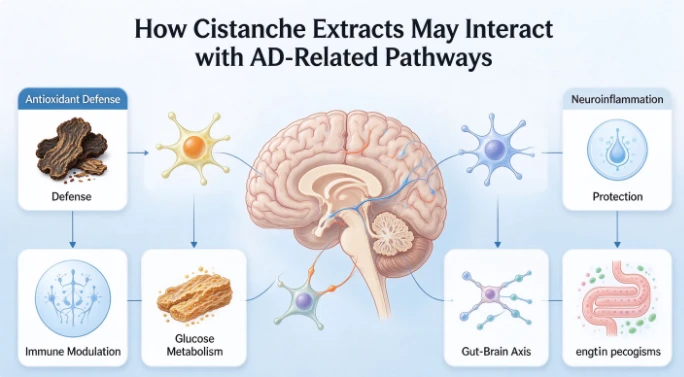
Biological Mechanisms: How Cistanche Extracts May Support Brain Health Against AD‑Related Damage
Antioxidant Defense and Suppression of Chronic Neuroinflammation
Oxidative stress and persistent neuroinflammation reinforce each other, and this harmful interaction accelerates nerve‑tissue degeneration in Alzheimer's disease. Human brain tissue consumes high volumes of oxygen and contains abundant polyunsaturated fatty acids, rendering neurons exceptionally vulnerable to free‑radical assaults. In early‑stage Alzheimer's disease, measurable oxidative‑damage markers are already detectable inside brain tissue. Excess reactive‑oxygen‑species production can further promote amyloid‑beta peptide aggregation and abnormal tau‑protein phosphorylation, pushing AD pathology forward.
Meanwhile, chronic neuroinflammation amplifies disease deterioration. When brain immune cells become chronically over‑activated, they release elevated quantities of pro‑inflammatory signaling molecules including TNF‑α, IL‑1β and IL‑6. These inflammatory cytokines worsen oxidative harm to neurons and form a self‑reinforcing vicious cycle of tissue injury.
Multiple pre‑clinical studies demonstrate that Cistanche‑derived compounds interrupt this destructive cycle. Cistanche oligosaccharide treatment in animal models significantly lowers circulating concentrations of TNF‑α and IL‑6. Lab‑cell experiments reveal that phenylethanoid‑glycoside constituents can dampen inflammatory responses by restraining over‑activity of the NF‑κB and MAPK signaling pathways, two central molecular switches governing inflammatory‑cytokine release.
Acteoside (verbascoside) protects cultured nerve cells from amyloid‑beta‑peptide‑triggered injury partly through balancing antioxidant status and adjusting the Bax/Bcl‑2 apoptosis‑related protein ratio, reducing programmed nerve‑cell death. Echinacoside demonstrates capacity to cut down excess reactive‑oxygen‑species generation, improve lipid‑peroxidation status, and ease metabolic‑syndrome‑linked inflammatory disturbance in diabetic‑animal models.
One important antioxidant regulatory axis highlighted in research is the Keap1‑Nrf2‑ARE signaling pathway. When properly activated, this pathway switches on production of multiple endogenous antioxidant enzymes inside cells. Cistanche phenylethanoid glycosides can tune this pathway, helping brain cells strengthen their own antioxidant‑defense capacity rather than simply scavenging free radicals externally. This mechanism lessens oxidative‑stress pressure on hippocampal neurons, which suffer heavy harm during Alzheimer's progression.
Taken together, existing data suggest Cistanche extracts may relieve the dual burden of oxidative damage and neuroinflammation, two major driving forces behind neurodegeneration. Nevertheless, these results come largely from cellular and animal‑model work; we cannot automatically assume identical effects will occur within complex human brains.
Direct Neuronal Protection and Preservation of Cognitive‑Related Neural Function
Progressive neuron loss and synaptic‑connection impairment constitute the direct biological cause of memory loss and cognitive‑function decline in Alzheimer's patients. With advancing age, neurons' natural self‑repair capacity weakens, making nerve cells more susceptible to various toxic triggers. Pre‑clinical research shows multiple Cistanche bioactive components deliver multi‑layered neuron‑protective effects.
Cistanche polysaccharides (CDPS) have displayed neuro‑shielding performance in several model systems. In one set of experiments simulating aging‑related brain harm, CDPS treatment lifted survival rates of cultured brain neurons and mitigated neuron apoptosis induced by glutamate excitotoxicity, a common form of nerve‑cell injury. In animal studies focused on other neurodegenerative conditions, CDPS activated the Wnt/β‑catenin signaling pathway and inhibited excessive GSK‑3β enzyme activity, helping sustain nerve‑cell viability.
Phenylethanoid glycoside mixtures improve learning‑memory performance in AD‑model laboratory rodents through several separate mechanisms: restraining toxic amyloid‑beta protein buildup, elevating acetylcholine‑system‑related protein expression, and preserving functionality of hippocampal dopaminergic neurons. Acteoside (verbascoside) reduces Aβ peptide aggregation and suppresses over‑expression of apoptosis‑triggering Caspase‑3 protein, improving memory‑related behavioral outcomes in chemically‑induced aging‑model mice. In cell‑culture experiments using Aβ‑exposed glial‑nerve mixed cell lines, Cistanche extracts raised cell viability while lowering harmful intracellular calcium‑ion overload and reactive‑oxygen‑species concentrations.
Some research points to the cAMP/PKA/CREB signaling cascade as one working mechanism for verbascoside‑mediated neuroprotection. This molecular pathway occupies a central role in synaptic‑plasticity regulation; synaptic‑plasticity forms the physiological foundation for memory formation and information storage. By supporting this pathway's normal operation, Cistanche constituents may help maintain synaptic‑connection integrity under pathological stress. Mitochondrial protection represents another key dimension: Cistanche‑extracted molecules help stabilize cellular energy‑producing organelles, limiting free‑radical leakage originating from impaired mitochondria and further decreasing secondary nerve‑cell damage.
All these lab‑based findings illustrate that Cistanche‑derived substances can defend neurons against diverse toxic triggers in controlled experimental settings. Still, human brains possess far‑more‑complicated physiological environments. Whether these neuro‑protective advantages translate to real‑world Alzheimer‑disease patient populations awaits deeper clinical exploration.
Modulation of Immune Function
Immune‑system aging frequently coincides with cognitive decline in elderly populations. Older individuals commonly exhibit dysregulated immune responses, and this age‑linked immune imbalance can exacerbate neurodegenerative processes. The immune system performs dual roles in Alzheimer's pathology: appropriate immune surveillance assists in clearing away mis‑folded‑protein waste inside brain tissue, yet sustained excessive immune activation generates toxic inflammatory mediators that injure neurons.
Water‑soluble extracts prepared from Cistanche show immune‑modulating properties in pre‑clinical tests. Experimental observations indicate Cistanche water extracts can stimulate spleen‑cell proliferation and T‑lymphocyte‑related immune responses. They also promote maturation and functional activation of dendritic cells, critical sentinel immune‑system cells. Research‑work further identifies that the TLR4‑dependent NF‑κB signaling axis participates in this immune‑regulating activity.
Instead of simply "boosting immunity", Cistanche‑related substances appear to exert balancing immunomodulation: they support adequate defensive immune reactions while potentially curbing pathological over‑inflammation. This characteristic makes them theoretically appealing for age‑related brain disorders where both insufficient waste clearance and runaway inflammation co‑exist.
We should note that most immune‑related Cistanche investigations measure systemic peripheral‑immune indicators. Exactly how such peripheral‑immune adjustments translate into microglia‑cell behavior modification inside the brain remains incompletely understood. Additional research is needed to clarify connections between Cistanche‑driven immune‑system changes and Alzheimer‑disease‑relevant brain‑tissue outcomes.
Metabolic Support: Links Between Glucose Metabolism and Brain Health
A growing volume of scientific evidence highlights tight biological connections between diabetes‑type metabolic disturbance and Alzheimer's disease. Some researchers even nickname Alzheimer's "type‑3 diabetes", emphasizing brain‑specific insulin‑resistance phenomena observed in many AD subjects. Shared pathological features exist between metabolic syndrome and neurodegeneration: insulin‑signaling disruption, oxidative stress, chronic low‑grade inflammation, and abnormal protein processing all appear in both disease categories. This connection sparks interest in natural ingredients capable of improving glucose‑metabolism status as potential brain‑health supporting agents.
Echinacoside from Cistanche demonstrates hypoglycemic and metabolic‑regulating effects in diabetic‑animal‑model experiments. Under experimental conditions, echinacoside influences serum‑hormone levels connected with blood‑sugar management and activates the hepatic AMPK/SIRT1 signaling pathway to relieve diabetes‑associated organ damage. Total glycosides extracted from Cistanche tubulosa produce blood‑glucose‑lowering effects that depend on applied dosage and treatment duration; at medium‑to‑high experimental dosages, its metabolic‑improving performance in rodent models becomes comparable to the reference drug metformin in certain measurement indexes.
Because metabolic disorder accelerates cognitive‑function deterioration, Cistanche's metabolic‑regulating capacity might indirectly confer brain‑health benefits. Nevertheless, the precise causal chain remains unclear: we still need more studies clarifying how Cistanche‑driven peripheral‑metabolic changes modify central‑nervous‑system biochemistry under AD‑mimicking pathological conditions. At this stage, we cannot draw firm conclusions regarding clinical application targeting AD patients with concurrent diabetes.
Gut‑Brain Axis and Gut‑Microbiota Regulation
The gut‑brain axis describes constant bidirectional biochemical and neural communication between gastrointestinal tract and central nervous system. Gut‑microbiome dysbiosis can send inflammatory signals toward the brain through multiple routes, and modern research identifies gut‑flora disturbance as one contributing factor in Alzheimer's‑disease progression. Clinical observational studies discover that AD patients display altered intestinal‑bacteria composition, and their blood‑circulating pro‑inflammatory‑cytokine levels correlate with gut‑microbiome imbalance markers.
Cistanche polysaccharides function as prebiotic‑like compounds. Experimental‑animal research shows Cistanche extracts enhance overall gut‑microbiome richness and diversity. Cistanche deserticola polysaccharides encourage reproduction of multiple beneficial bacterial taxa including Prevotella species, adjust proportional balance between Bacteroidetes and Firmicutes phyla, and raise production of protective short‑chain fatty acids (SCFAs) inside the intestinal lumen. Short‑chain fatty‑acid molecules carry anti‑inflammatory properties, strengthen intestinal‑barrier integrity, and can be absorbed to support whole‑body metabolic homeostasis.
One interesting experimental finding: Cistanche polysaccharides not only reshape gut‑microbiome communities but also improve bodily absorption efficiency of co‑administered echinacoside. Through restoring gut‑microbiota‑brain‑axis homeostasis, Cistanche‑polysaccharide treatment improves learning‑memory‑related behavioral indexes in aging‑model mice. These discoveries suggest Cistanche may represent a promising natural candidate for individuals experiencing cognitive decline accompanied by obvious gut‑flora‑disruption symptoms.
Even so, many mechanistic details remain unresolved. Exactly which bacterial‑community changes produce downstream brain‑protective effects, and how signaling molecules travel from gut toward hippocampal brain regions still require deeper mechanistic verification.
Modulation of Cellular Autophagy Process
Autophagy is cells' built‑in waste‑cleaning system. It helps clear mis‑folded proteins, damaged organelles, and toxic intracellular aggregates. In Alzheimer's disease patients, autophagy‑lysosome‑system functionality frequently becomes defective. Impaired autophagy makes nerve‑cells less capable of removing toxic amyloid‑beta and hyper‑phosphorylated‑tau protein accumulations, worsening pathological buildup inside brain tissue.
Pre‑clinical experiments indicate Cistanche‑derived compounds can fine‑tune autophagy activity rather than simply turning autophagy fully "on" or "off". Verbascoside (acteoside) moderates excessive autophagy activation in brain‑injury‑model animals: it lowers elevated Beclin‑1 and LC3‑II/I biomarker ratios and increases p62 protein levels, avoiding autophagy‑over‑activation‑driven cell death while retaining necessary basal waste‑removal capacity. Echinacoside modulates autophagy‑related signaling via Sirt1‑FoxO1 molecular pathways to mitigate neuronal damage in neurodegeneration‑model systems.
Different Cistanche ingredients may exert distinct autophagy‑modulating outcomes depending on cell type, dosage level, and disease‑model background. Right now, we lack clear answers about how Cistanche adjusts autophagy flux inside actual Alzheimer‑disease‑affected brain tissue. Further investigation will help determine whether targeted autophagy modulation using Cistanche‑related components can become a viable auxiliary‑intervention direction.

Estrogen‑Like Endocrine‑Regulating Potential
Clinical epidemiological data observes higher Alzheimer‑disease risk among post‑menopausal women. Declining circulating‑estrogen levels after menopause represent one major risk factor for cognitive‑function impairment in female groups. Estrogen participates in multiple brain‑physiology processes: supporting neuron survival, moderating brain inflammation, and influencing amyloid‑beta‑peptide metabolism. Genetic‑risk factors such as APOE‑4 gene variant interact with estrogen status to further modify AD susceptibility for women.
Certain plant‑sourced natural molecules exhibit phyto‑estrogen (estrogen‑like) biological activity. Preliminary animal‑model research shows Cistanche extracts can correct disturbed estrogen‑receptor / androgen‑receptor balance in peri‑menopausal‑model laboratory rats, simultaneously improving neuro‑endocrine‑immune network function. Compared with abundant data about antioxidation and anti‑inflammation, however, research exploring Cistanche's phyto‑estrogen‑related mechanism against Alzheimer's disease remains relatively limited. This represents an interesting under‑explored research angle worthy of follow‑up work.
Current Limitations and Future Research Directions
Collectively, pre‑clinical evidence from cell‑culture and animal‑model experiments paints an encouraging multi‑target picture for Cistanche in Alzheimer's‑disease‑relevant laboratory settings. Its bioactive ingredients touch upon many core pathological links: antioxidant defense, neuro‑inflammation suppression, direct neuron‑cell protection, immune‑system balancing, glucose‑metabolism adjustment, gut‑microbiome remodeling, autophagy‑process tuning, and potential endocrine‑hormone‑like effects.
Nonetheless, we must recognize important gaps separating promising lab observations from reliable real‑world clinical applications.
First, the vast majority of available data comes from in‑vitro cell experiments and rodent‑animal‑model studies. Rodent disease models cannot fully reproduce all complex human Alzheimer's‑disease pathological characteristics. Large‑sample‑size, long‑duration human randomized‑controlled clinical trials remain scarce. A small number of preliminary human observations suggest Cistanche‑extract intervention may stabilize cognitive status for moderate‑AD participants with minimal adverse events, yet these studies feature limited participant quantity, so firm clinical‑effect conclusions cannot be drawn.
Second, the active‑ingredient composition varies significantly between different Cistanche raw‑material sources and extract‑manufacturing workflows. Without standardized extract specifications, study‑result reproducibility becomes challenging. Different experimental dosages used in animal research also cannot be directly converted into safe human‑supplement‑dosage guidance.
Third, most existing research papers focus on individual isolated‑compound effects. In reality, whole‑herb extracts deliver synergistic interactions among dozens of chemical constituents. How various Cistanche components cooperate inside living organisms still needs more systematic exploration. Crosstalk between different signaling pathways further complicates interpretation: antioxidant, anti‑inflammatory, immune‑regulating, gut‑microbiome‑modulating pathways interconnect extensively, and untangling cause‑and‑effect chains demands sophisticated experimental design.
Fourth, safety‑evaluation data for long‑term continuous consumption remain insufficient. Even though traditional‑medicine records describe Cistanche as low‑toxicity, we still require more safety evidence covering special populations including elderly dementia patients, people taking multiple prescription medicines concurrently, diabetic individuals, and post‑menopausal‑hormone‑therapy users. Potential herb‑drug interaction risks deserve careful attention.
Looking forward, several research directions merit priority attention. Scientists need to carry out well‑designed clinical trials using standardized Cistanche extracts, recording cognitive‑function scales, biological‑fluid biomarker changes, and adverse‑reaction monitoring. Research should further clarify dose‑response relationships, explore suitable intervention timing (early‑stage mild‑cognitive‑impairment versus advanced‑dementia phases), and investigate combined‑use scenarios alongside established AD‑treatment medications. Mechanistic‑study work should pay extra attention to signal‑pathway crosstalk, gut‑brain‑axis intermediate‑messenger molecules, and autophagy‑flux dynamics inside brain tissue. Sustainable‑cultivation and standardized‑extraction‑technology advancement will also support stable supply of high‑quality research‑grade Cistanche material.

Conclusion
Against the backdrop of global population aging, Alzheimer's‑disease‑related research is searching broadly for safe multi‑target natural‑product candidates. As a time‑honored desert tonic herb, Cistanche attracts growing neuroscience‑research interest. Modern pre‑clinical investigations reveal that phenylethanoid glycosides, polysaccharides and other bioactive substances from Cistanche exert multi‑pathway protective influences against AD‑relevant pathological damage: they strengthen cellular antioxidant capacity, mitigate neuro‑inflammation, shield neurons from multiple toxic insults, regulate immune‑system homeostasis, adjust glucose metabolism, remodel gut‑microbiome composition, fine‑tune cellular autophagy, and may deliver mild phyto‑estrogen‑like endocrine‑regulating activity. These diverse biological actions make Cistanche an intriguing candidate for auxiliary brain‑health‑support research.
We must keep expectations realistic. At this moment, convincing clinical proof validating Cistanche as an effective Alzheimer‑disease therapy remains absent. Existing positive signals mostly originate from laboratory‑based pre‑clinical models, and they cannot replace formal clinical‑diagnosis and standard medical‑treatment protocols. For people experiencing memory‑decline symptoms, the first priority should always be visiting professional neurologists for standardized assessment and evidence‑based treatment. Cistanche‑related herbal‑extract products should never replace physician‑prescribed dementia‑medication regimens.
Moving ahead, continuous basic‑science exploration and rigorous human‑clinical research will help us more objectively evaluate Cistanche's true practical value for cognitive aging and Alzheimer‑disease‑related scenarios. Bridging ancient herbal‑wisdom observations with modern molecular‑neuroscience discoveries may open fresh ideas for developing future prevention and auxiliary‑intervention strategies for neurodegenerative illnesses.
Disclaimer: This article is science‑popularization content for educational purposes only. It is not medical advice, and it does not diagnose, treat, cure or prevent any disease. All statements concerning bioactive‑substance effects are based on published pre‑clinical research findings. Readers should consult qualified healthcare professionals before considering any herbal‑supplement use, especially for individuals suffering cognitive‑impairment or chronic‑disease conditions.