Can A Desert Herb Help Balance Blood Sugar? The Science Of Cistanche Tubulosa in Metabolic Health
Jul 06, 2026
You eat lunch and two hours later, an overwhelming fatigue sets in. Your energy crashes, your concentration fragments, and you're reaching for something sweet just to get through the afternoon. This post-meal slump is often more than just a bad habit-it can be an early sign of impaired glucose metabolism. As blood sugar spikes and then plummets, the body's cells become less responsive to insulin, a condition known as insulin resistance. Left unchecked, this can quietly progress to type 2 diabetes. While diet, exercise, and weight management are the undisputed foundations of prevention, a unique desert botanical is drawing research attention for its potential to support healthy glucose handling at the cellular level: Cistanche tubulosa.

The Hidden Spiral of Insulin Resistance
After a meal containing carbohydrates, the digestive system breaks them down into glucose, which enters the bloodstream. In response, the pancreas releases insulin, a hormone that signals muscle and fat cells to absorb glucose and use it for energy. When this system works well, blood sugar rises gently and returns to baseline within two hours. But when cells become resistant to insulin's signal, glucose lingers in the blood, prompting the pancreas to pump out even more insulin. Over time, this compensatory hyperinsulinemia exhausts the insulin-producing beta cells in the pancreas, leading to full-blown diabetes.
Oxidative stress is both a cause and a consequence of this spiral. High blood glucose generates an excess of reactive oxygen species (ROS) that damage beta cells directly and interfere with insulin signaling inside target tissues. Chronic low-grade inflammation, fueled by visceral fat and poor diet, further disrupts the delicate machinery of glucose uptake. An ideal natural metabolic support would therefore do three things: enhance the ability of muscle and fat cells to absorb glucose in response to insulin, slow the absorption of glucose from the gut to prevent dangerous spikes, and protect the pancreatic beta cells from oxidative burnout.

How Cistanche Tubulosa Targets Glucose Metabolism
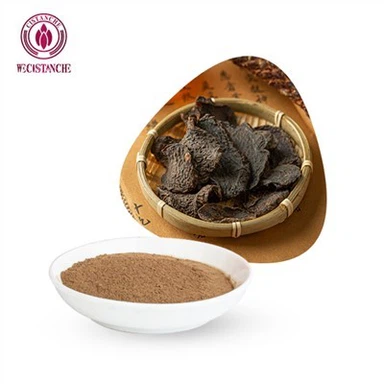
Cistanche tubulosa extract is rich in echinacoside and acteoside, two phenylethanoid glycosides that have demonstrated promising anti-diabetic effects in preclinical research. A pivotal study published in Phytomedicine investigated the effects of acteoside on insulin resistance in cultured muscle and fat cells. The results were compelling: acteoside significantly enhanced glucose uptake in insulin-resistant cells by activating the AMPK pathway, a central regulator of cellular energy metabolism. AMPK activation mimics some of the beneficial effects of exercise at the molecular level, stimulating the translocation of GLUT4 glucose transporters to the cell surface without requiring extra insulin. This means the extract can help cells pull glucose out of the bloodstream even when insulin signaling is compromised.
At the same time, the polysaccharides in Cistanche tubulosa have been shown to inhibit α-glucosidase, an enzyme in the small intestine that breaks down complex carbohydrates into absorbable glucose. By slowing this enzymatic step, the extract reduces the rate at which glucose enters the blood after a meal, blunting the postprandial spikes that are so damaging to blood vessels and beta cells. This dual action-reducing glucose influx from the gut while enhancing its disposal into tissues-creates a smoother, more stable blood glucose profile.
Critically, the antioxidant properties of echinacoside provide a shield for the pancreatic beta cells. In animal models of type 2 diabetes, Cistanche extracts have been shown to reduce markers of oxidative stress in pancreatic tissue and preserve beta cell mass, helping to maintain the body's own insulin production capacity. A comprehensive 2022 open-access review in Frontiers in Pharmacology summarized these multi-target metabolic effects, confirming that Cistanche tubulosa compounds act on glucose absorption, insulin sensitivity, and beta cell protection simultaneously.
Traditional Roots of Metabolic Wisdom
In traditional Chinese medicine, Cistanche was not historically classified as a specific remedy for "sugar wasting" but was employed for patterns we now recognize as overlapping with metabolic syndrome: fatigue, weakness in the lower back and knees, and a tendency toward weight gain and sluggish digestion. The herb's categorization as a yang tonic that "warms and nourishes" aligns intriguingly with the modern observation that improving cellular energy metabolism-via AMPK activation-can reverse many of the metabolic derangements seen in sedentary, overfed populations.

Integrating Cistanche into a Metabolic Health Routine
For those with prediabetes, elevated fasting glucose, or a strong family history of type 2 diabetes, a consistent daily regimen of 400–600 mg of a standardized Cistanche tubulosa extract can serve as an adjunct to dietary and lifestyle interventions. It is most effective when taken about 20–30 minutes before meals containing carbohydrates, allowing the α-glucosidase inhibition to smooth the post-meal glucose response. The extract does not cause hypoglycemia on its own, because it works by supporting the body's own regulatory mechanisms rather than forcing glucose levels downward. This makes it a safer long-term partner than some potent pharmaceutical agents.
Of course, no supplement replaces the fundamentals: a diet rich in non-starchy vegetables, lean protein, and healthy fats; regular physical activity that depletes muscle glycogen stores; and adequate sleep to regulate cortisol and hunger hormones. Cistanche tubulosa extract fits into this matrix as a metabolic enhancer-improving the efficiency of glucose disposal and protecting the insulin-producing cells from the slow burn of oxidative stress.
When selecting a product, insist on a certificate of analysis that confirms the content of both phenylethanoid glycosides and polysaccharides, as both fractions contribute to the metabolic benefits. Our GlucoBalance Cistanche Extract is sourced from authentic Cistanche tubulosa, extracted to preserve the full spectrum of bioactive compounds, and third-party tested for potency and purity. Each serving is designed to support your daily effort to keep blood sugar in a healthy range.
Safety and Medical Context
Cistanche tubulosa has a long history as a food-grade tonic and is generally well tolerated. The Natural Medicines Database notes its favorable safety profile at standard supplemental doses. However, if you are already taking metformin, sulfonylureas, or insulin, it is essential to consult your endocrinologist before adding any glucose-modulating supplement, as the combination could theoretically cause blood sugar to dip too low. For those still in the prevention stage-where numbers are beginning to drift upward but no medication has been prescribed-Cistanche offers a gentle, botanical layer of metabolic support, helping you write a different health story.
Supportive Service Of Wecistanche-For more details about cooperation
Business contact: goujinsong@wecistanche.com