Cistanche Tubulosa Extract And Kidney Care: Nurturing And Protecting Renal Health
Oct 20, 2026
The kidneys, as two of the most vital organs in the human body, perform the indispensable functions of filtering metabolic waste products from the bloodstream, regulating fluid and electrolyte balance, maintaining acid-base homeostasis, secreting erythropoietin, and activating vitamin D, all of which are essential for sustaining life and preserving physiological stability, yet in the context of modern society characterized by high-pressure work environments, sedentary lifestyles, imbalanced dietary habits, the rising prevalence of chronic metabolic disorders such as diabetes mellitus and hypertension, and the widespread misuse of over-the-counter analgesics and prescription medications, the kidneys are subjected to unprecedented physiological stress and pathological challenges that collectively contribute to the global escalation of chronic kidney disease, diabetic nephropathy, hypertensive nephrosclerosis, hyperuricemic nephropathy, and drug-induced renal impairment. Compounding this public health crisis is the inherently silent nature of renal deterioration, as the kidneys possess remarkable compensatory capacity that allows substantial functional loss to occur before clinical symptoms such as edema, fatigue, nocturia, or proteinuria become apparent, by which time irreversible structural damage in the form of renal fibrosis may have already taken root, thereby underscoring the urgent need for proactive, preventive strategies that harness safe and effective natural bioactive compounds to support renal health at the cellular and molecular levels. It is within this scientific and clinical context that Cistanche tubulosa, a perennial parasitic plant belonging to the family Orobanchaceae and native to the arid desert regions of Xinjiang, Inner Mongolia, and Gansu in northwestern China, has attracted intensive research attention, for this remarkable species, traditionally revered in Chinese medicine as the "Desert Ginseng" and employed for centuries to tonify kidney yang, replenish vital essence, and moisten the intestines, is now being rigorously investigated by contemporary phytochemists and pharmacologists who have identified its rich repertoire of phenylethanoid glycosides, polysaccharides, iridoids, lignans, and trace minerals as potent modulators of oxidative stress, chronic inflammation, cellular apoptosis, and fibrotic remodeling in renal tissues, thereby bridging the ancient wisdom of herbal tonification with the exacting standards of modern evidence-based medicine.
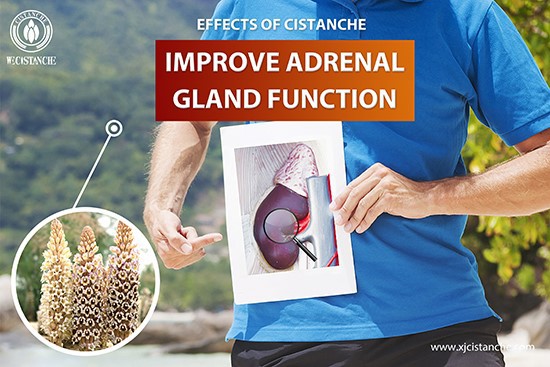
Cistanche tubulosa efficacy: Tonifying the kidney
The extraordinary renoprotective potential of Cistanche tubulosa extract is fundamentally rooted in its sophisticated phytochemical architecture, with phenylethanoid glycosides-principally echinacoside, acteoside (also known as verbascoside), isoacteoside, and various cistanosides-constituting the primary pharmacologically active fraction that confers the majority of observed therapeutic effects, as these structurally complex molecules contain multiple phenolic hydroxyl groups capable of directly scavenging reactive oxygen species while simultaneously engaging with intracellular signaling cascades to orchestrate adaptive gene expression rather than merely functioning as passive antioxidants, and this mechanistic sophistication is further amplified by the complementary actions of the extract's polysaccharide constituents, which exert systemic benefits by reshaping the composition of the gut microbiota, reinforcing intestinal barrier integrity, attenuating the translocation of endotoxins into systemic circulation, and thereby reducing the chronic low-grade inflammatory burden that invariably exacerbates renal injury through the well-documented gut-kidney axis, while iridoids and lignans contribute additional anti-inflammatory, microcirculatory, and metabolic regulatory effects that collectively produce a multi-component, multi-target, and multi-level therapeutic synergy ideally suited to the multifactorial pathogenesis of kidney disease, a feature that distinguishes whole-plant extracts from single-target synthetic pharmaceuticals and explains why Cistanche tubulosa has emerged as a leading candidate for integrative renal care in both preclinical and clinical research settings.
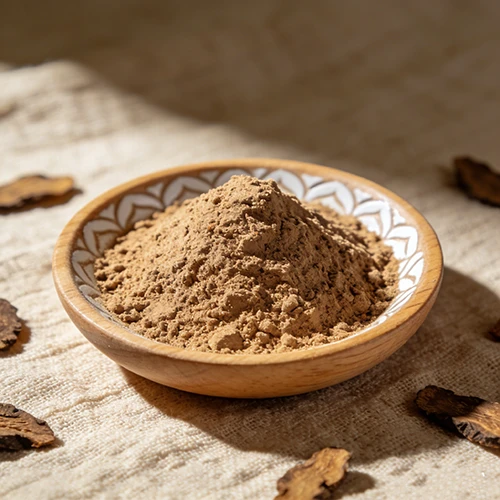
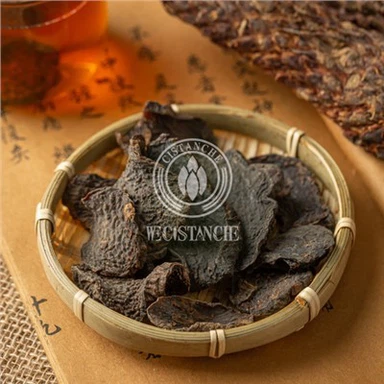
cistanche powder
Oxidative stress occupies a central position in the initiation and progression of virtually all forms of kidney injury, as the excessive generation of reactive oxygen species within glomerular podocytes and renal tubular epithelial cells-whether triggered by hyperglycemia, hemodynamic strain, urate crystal deposition, or direct toxic insult-induces widespread lipid peroxidation, mitochondrial dysfunction, DNA damage, and protein denaturation that ultimately culminate in cellular senescence, apoptosis, or necroptosis, and it is precisely at this critical juncture that Cistanche tubulosa extract demonstrates its most profound therapeutic utility, for its phenylethanoid glycosides have been shown to disrupt the protein-protein interaction between Keap1 and Nrf2, thereby liberating the Nrf2 transcription factor from cytoplasmic sequestration and enabling its translocation into the nucleus where it binds to antioxidant response elements to initiate the transcription of heme oxygenase-1, NAD(P)H quinone dehydrogenase 1, superoxide dismutase, glutathione peroxidase, and other cytoprotective enzymes that collectively fortify the kidney's intrinsic antioxidant defenses, a mechanism that was further illuminated by a 2025 study demonstrating that Cistanche preparations can inhibit ferroptosis-an iron-dependent, lipid-peroxidation-driven form of regulated cell death now recognized as a pivotal mediator of acute kidney injury, drug-induced tubular necrosis, and chronic renal fibrosis-through the same Keap1-Nrf2 axis, thus elevating the scientific significance of this desert-derived botanical from a traditional tonic to a cutting-edge modulator of cell death pathways with direct relevance to human nephrology.

Phenylethanol glycoside is the main active component of Cistanche tubulosa
Chronic inflammation represents another indispensable driver of renal pathology, as the persistent activation of nuclear factor-kappa B, the sustained secretion of tumor necrosis factor-alpha, interleukin-1 beta, and interleukin-6, and the consequent recruitment of inflammatory leukocytes into the renal interstitium collectively erode the glomerular filtration barrier, promote proteinuria, and stimulate resident fibroblasts to synthesize excessive extracellular matrix components, and in this regard Cistanche tubulosa extract has been consistently documented to suppress NF-kappa B nuclear translocation, downregulate pro-inflammatory cytokine expression, inhibit p38 mitogen-activated protein kinase signaling, and attenuate the infiltration of macrophages and lymphocytes into kidney tissue across multiple experimental models of diabetic nephropathy, hyperuricemic nephropathy, and drug-induced renal injury, thereby effectively "cooling" the chronic inflammatory milieu that fuels disease progression and providing a compelling pharmacological rationale for its traditional use in managing lingering deficiency conditions that, according to Chinese medical theory, inevitably affect the kidney over time.

Effects of Cistanche: Improve Kidney Function
The renal tubule, composed of highly metabolically active epithelial cells with limited regenerative capacity, is exquisitely vulnerable to ischemic, hypoxic, glycemic, and toxic insults, and the irreversible loss of even a small fraction of nephrons can precipitate a downward spiral of declining renal function that eventually culminates in end-stage kidney disease requiring dialysis or transplantation, which is why the anti-apoptotic properties of Cistanche tubulosa extract hold such profound clinical relevance, as its principal constituents echinacoside and acteoside have been proven to upregulate the anti-apoptotic protein Bcl-2, downregulate the pro-apoptotic protein Bax, inhibit the activation of caspase-3, and stabilize mitochondrial membrane potential in a variety of stress paradigms, and these cytoprotective effects translate into measurable improvements in renal function parameters, as evidenced by significantly reduced serum creatinine and blood urea nitrogen levels, attenuated tubular vacuolation and necrosis scores, and preserved histological architecture in animal models of gentamicin-, cisplatin-, or contrast-induced acute kidney injury, thereby affirming the extract's capacity to safeguard the functional integrity of individual nephrons against diverse environmental and pharmacological assaults.
Renal fibrosis, universally acknowledged as the final common pathway through which all chronic kidney diseases progress to terminal renal failure, is driven by the sustained activation of the transforming growth factor-beta 1/Smad signaling cascade, which induces epithelial-mesenchymal transition in tubular epithelial cells, stimulates the proliferation of myofibroblasts, and promotes the pathological accumulation of type I, III, and IV collagens and fibronectin within the renal interstitium, and it is here that Cistanche tubulosa extract exhibits perhaps its most valuable long-term therapeutic potential, for multiple independent investigations have confirmed that its phenylethanoid glycosides can significantly inhibit TGF-beta 1/Smad2/3 phosphorylation, downregulate alpha-smooth muscle actin expression, preserve the normal distribution of the epithelial marker E-cadherin, and reduce the deposition of interstitial collagen fibers, with long-term administration of echinacoside or acteoside in diabetic animal models resulting in demonstrable amelioration of mesangial expansion, glomerular basement membrane thickening, foot-process effacement, and 24-hour urinary protein excretion, all of which constitute robust experimental evidence that this botanical agent possesses genuine anti-fibrotic activity capable of slowing or even halting the structural deterioration of the kidney and thereby delaying the onset of dialysis-dependent renal failure.

Effects of cistanche-improve kidney function
In recent years, the global epidemic of hyperuricemia and its attendant renal complications has drawn increasing clinical concern, as elevated serum urate not only predisposes individuals to gout but also inflicts direct injury upon the kidneys through the deposition of urate crystals in the renal interstitium and collecting ducts, the activation of the NLRP3 inflammasome, and the promotion of afferent arteriolopathy and chronic interstitial nephritis, and in addressing this multifaceted pathological process Cistanche tubulosa extract offers a uniquely comprehensive therapeutic profile by simultaneously reducing uric acid production through the inhibition of xanthine oxidase and adenosine deaminase activities, decreasing urate reabsorption via the downregulation of the renal transporters URAT1 and GLUT9, and enhancing urate secretion through the upregulation of OAT1 and OAT3, a tri-directional regulatory strategy that aligns far more closely with physiological homeostasis than the unidimensional enzyme inhibition characteristic of conventional urate-lowering drugs, and these mechanistic advantages have been validated in adenine- and potassium oxonate-induced hyperuricemic rat models in which the extract produced significant reductions in serum uric acid, urea nitrogen, and creatinine alongside marked histological improvements in tubular dilation, interstitial inflammatory infiltration, and collagen deposition, thereby establishing a solid preclinical foundation for its future application in the prevention and adjunctive management of hyperuricemic kidney disease.

From the vantage point of traditional Chinese medicine, the enduring clinical value of Cistanche tubulosa derives from its classification as a gentle, moistening kidney tonic that warms without causing dryness, nourishes essence without inducing stagnation, and lubricates the intestines without provoking diarrhea, making it uniquely suitable for addressing patterns of kidney yang deficiency manifesting as cold intolerance, lower back and knee soreness, frequent nocturia, and premature aging, and this time-honored therapeutic positioning finds striking corroboration in contemporary pharmacological data that reinterpret "tonifying the kidney and replenishing essence" as the aggregate effect of endocrine axis modulation, oxidative stress reduction, microcirculatory enhancement, fibrotic signaling suppression, and metabolic burden alleviation, thereby transforming what was once dismissed as an unverifiable ethnomedical claim into a coherent, mechanistically grounded scientific narrative that honors the empirical observations of generations of Chinese physicians while satisfying the methodological rigor demanded by modern biomedical science.
In practical terms, the integration of Cistanche tubulosa extract into kidney care regimens offers numerous advantages for product development and clinical application, including excellent water solubility that facilitates formulation into tablets, capsules, functional beverages, and dietary supplements, a well-characterized chemical profile centered on echinacoside and acteoside that enables standardized extraction and quality control, and a favorable safety record in traditional use that supports its long-term consumption as a preventive wellness measure, yet it must be unequivocally stated that the renoprotective effects of this extract are best understood as adjunctive and prophylactic rather than curative, meaning that individuals diagnosed with chronic kidney disease, diabetes, hypertension, or hyperuricemia must prioritize evidence-based medical management-including strict control of blood pressure, blood glucose, serum uric acid, and proteinuria through lifestyle modification and, when indicated, pharmacotherapy-while reserving Cistanche tubulosa extract as a complementary component of a holistic kidney care strategy, and furthermore, given the principles of traditional Chinese medical differentiation, individuals with yang deficiency constitutions are likely to derive the greatest benefit from its use, whereas those presenting with yin deficiency heat, excessive internal heat, or damp-heat syndromes should exercise caution or seek guidance from a qualified practitioner to ensure appropriate combinatorial use, for only through such judicious, personalized, and medically supervised application can the full potential of this desert-derived botanical be safely and effectively realized in the service of human renal health.

Chinese herb cistanche-Improve kidney function
Click here to view Cistanche for Kidney disease products
【Ask for more】 Email:cindy.xue@wecistanche.com / WhatsApp: 0086 18599088692 / WeChat: 18599088692
Looking toward the future, while the preclinical literature on Cistanche tubulosa extract and kidney protection has grown impressively voluminous and consistently encouraging, several critical translational hurdles remain to be overcome before its widespread clinical adoption can be confidently recommended, including the need for unified quality standards that account for geographic, seasonal, and processing variations in raw material, comprehensive pharmacokinetic and pharmacodynamic profiling in human subjects, long-term safety surveillance particularly in populations with pre-existing renal impairment, and systematic evaluation of potential herb-drug interactions with commonly prescribed medications such as angiotensin-converting enzyme inhibitors, sodium-glucose cotransporter-2 inhibitors, and urate-lowering agents, but perhaps most importantly, the field urgently requires large-scale, multicenter, randomized, double-blind, placebo-controlled clinical trials designed to directly assess the efficacy of standardized Cistanche tubulosa preparations in slowing the decline of estimated glomerular filtration rate, reducing albuminuria, and improving quality-of-life outcomes in patients with early to moderate chronic kidney disease, diabetic nephropathy, or hyperuricemic nephropathy, and as advances in analytical chemistry, systems biology, metabolomics, and molecular imaging continue to refine our understanding of how each constituent within this complex botanical matrix contributes to overall renoprotection, it is entirely plausible that future decades will witness the emergence of precisely engineered, evidence-validated Cistanche-based formulations that fulfill the promise of personalized, preventive kidney care and secure for this ancient desert remedy a permanent and respected place in the modern therapeutic armamentarium against renal disease.