Bioactive Constituents And Comprehensive Value Of Cistanche Tubulosa Extract in Functional Food And Pharmaceutical Industries
Oct 20, 2026
1. Introduction and Botanical Background
Cistanche tubulosa (Schrenk) Wight, a perennial holoparasitic herb belonging to the family Orobanchaceae, represents one of the most economically and pharmacologically significant species within the genus Cistanche, which has been historically recognized in traditional Chinese medicine under the name "Rou Cong Rong" or colloquially as "desert ginseng." This species naturally inhabits the hyper-arid desert ecosystems of the Taklamakan Desert in Xinjiang Uyghur Autonomous Region, the Alashan Desert in western Inner Mongolia, and extends across the arid and semi-arid zones of Central Asian countries including Kazakhstan, Uzbekistan, Turkmenistan, Kyrgyzstan, and Tajikistan. As an obligate root parasite, C. tubulosa establishes a physiological connection with the root systems of Tamarix shrubs (tamarisk) through specialized haustorial structures, from which it derives water and mineral nutrients essential for its survival and growth, while contributing no photosynthetic output of its own to the ecological network.

Chinese herb cistanche
The dried succulent stems of C. tubulosa have been officially listed in the Chinese Pharmacopoeia as a legitimate botanical source for the crude drug "Rou Cong Rong," sharing this status with Cistanche deserticola Y. C. Ma, another prominent species within the same genus. While both species have been employed interchangeably in traditional medical practice for centuries-primarily for their reputed abilities to tonify kidney yang, replenish essence and blood, and moisten the intestines to relieve constipation-contemporary phytochemical analyses have revealed a crucial distinction between them: C. tubulosa consistently exhibits a substantially higher total content of phenylethanoid glycosides (PhGs), with echinacoside frequently accounting for up to 3% of the dried herb weight in premium-grade material sourced from optimal growing regions. This chemical differentiation has positioned C. tubulosa as the preferred raw material for modern extraction industries focused on neuroprotection, anti-fatigue, immune modulation, and healthy aging applications, where the concentration of bioactive markers directly determines product efficacy and market positioning.
The transition of Cistanche tubulosa from a traditional crude herb traded in wholesale medicinal material markets to a standardized botanical extract supplied to global nutraceutical, cosmeceutical, and pharmaceutical manufacturers exemplifies a broader transformation occurring within the Chinese herbal medicine industry. This transformation is driven not merely by increasing market demand but by a fundamental shift in quality expectations: contemporary buyers no longer accept vaguely defined "herbal powders" but instead require precisely quantified, batch-consistent, safety-tested, and fully documented extracts whose bioactive profiles can be correlated with specific health outcomes through mechanisms grounded in modern pharmacology. It is within this evolving context that the present article undertakes a comprehensive examination of the chemical constituents, pharmacological rationales, commercial stratification, and quality control frameworks that collectively define the value proposition of Cistanche tubulosa extract in today's global botanical ingredient marketplace.

Phenylethanol glycoside is the main active component of Cistanche tubulosa
2. Process Transformation from Whole Dried Stem to Standardized Extract and Its Impact on Commercial Value
Within the value chain of Cistanche tubulosa, the whole dried stem in its unprocessed or minimally processed form represents only the primary agricultural tier of commerce, whose economic ceiling is constrained by factors such as visual appearance, moisture content, residual sand, and rough grading classifications that rely heavily on subjective judgment and experiential knowledge accumulated by traders operating in traditional herbal markets. In contrast, the standardized extract-produced through systematic extraction, purification, and quantitative standardization-constitutes an industrial-tier product whose value is determined by reproducible chemical profiles, documented safety parameters, and compliance with international quality standards, thereby enabling its entry into regulated supply chains that serve pharmaceutical, nutraceutical, and functional food manufacturers across multiple jurisdictions.
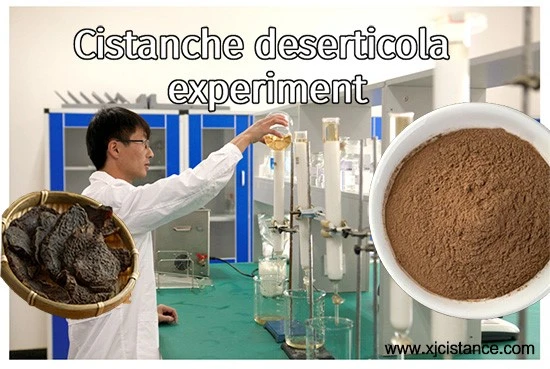
Cistanche tubulosa experiment
The process architecture for converting whole dried Cistanche tubulosa stems into standardized extracts typically encompasses five sequential stages, each of which exerts a decisive influence on the final product's active constituent retention, impurity profile, and inter-batch consistency. The first stage involves raw material pretreatment, during which the dried stems undergo sand removal, foreign matter elimination, cutting into uniform segments, and comminution into particles of controlled size; the selection of an appropriate particle size distribution is critical because overly coarse material results in incomplete extraction of target compounds due to insufficient solvent penetration, whereas excessively fine material generates filtration difficulties and introduces excessive plant cell wall debris that complicates subsequent purification steps. The second stage employs either hot-water extraction-favored for the solubilization of polysaccharides and oligosaccharides intended for gut health and immune support applications-or medium-concentration ethanol extraction (typically 50%–70% v/v), which preferentially extracts phenylethanoid glycosides and serves as the dominant process route for brain health, anti-fatigue, and antioxidant product formulations. The third stage, concentration and purification, represents the technological core of value addition: macroporous adsorption resin technology enables the selective enrichment of phenylethanoid glycosides while effectively removing tannins, pigments, inorganic salts, and high-molecular-weight impurities, thereby elevating total PhG content from the low single digits in crude material to anywhere between 10% and 85% in the final standardized extract. The fourth stage employs spray drying for large-scale continuous production with favorable powder flow properties or vacuum drying when enhanced protection of thermolabile constituents is prioritized. The fifth and final stage involves standardization to predetermined marker compound levels, with total phenylethanoid glycosides, echinacoside, and acteoside (verbascoside) serving as the universally accepted quantitative benchmarks, typically determined by high-performance liquid chromatography (HPLC) using validated analytical methods.

Processing of sliced Cistanche tubulosa
It must be emphasized that the commercial specifications of Cistanche tubulosa extracts available in the market span an extraordinarily wide range, from entry-level products containing 10% total PhGs to ultra-high-purity materials exceeding 85% total PhGs, with corresponding differences in raw material consumption, resin processing capacity, process complexity, and final selling price that may vary by a factor of ten or more between the extremes. Consequently, in commercial transactions, buyers and suppliers must explicitly specify the extraction solvent type, purification process route, standardization markers and their quantitative thresholds, and the analytical methodology employed for verification; failure to establish such clarity in contractual documentation almost invariably leads to quality disputes arising from divergent interpretations of product specifications. This fundamental distinction explains why the trading of whole dried stems-particularly ungraded "Tonghuo" material-operates according to an entirely different commercial logic than the trading of standardized extracts: the former depends on origin provenance and visual assessment, while the latter demands third-party certificates of analysis, species authentication through DNA barcoding or microscopic examination, and end-to-end traceability systems as non-negotiable prerequisites for transaction execution.

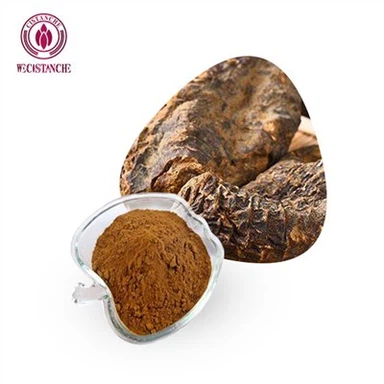
cistanche extract powder
3. Chemical Architecture of Core Bioactive Constituents and Their Structure-Activity Relationships
The pharmacological credibility of Cistanche tubulosa extract in modern biomedical research derives from the structural diversity of its constituent molecules and the multi-target mechanisms through which they interact with human physiological systems, with phenylethanoid glycosides constituting the principal value anchor. Phenylethanoid glycosides are a class of naturally occurring compounds characterized by a phenethyl alcohol core linked via glycosidic bonds to one or more sugar moieties, frequently incorporating caffeic acid or its derivatives as additional structural elements; this molecular architecture endows them with potent free-radical scavenging capacity, metal-ion chelating ability, and the capability to modulate multiple intracellular signaling cascades. Among the dozens of PhG variants identified in C. tubulosa, echinacoside and acteoside (verbascoside) have attracted the most intensive scientific scrutiny due to their abundance in the plant and their well-documented biological activities.

Main Chemical Constituents of Cistanche tubulosa
Echinacoside, the most abundant PhG in C. tubulosa, features a chemical structure comprising a phenethyl alcohol nucleus, a caffeic acid unit, and a complex oligosaccharide chain composed of glucose, rhamnose, and xylose residues, a structural configuration that confers excellent water solubility and facilitates distribution across biological compartments. Extensive in vitro and in vivo investigations have demonstrated that echinacoside exerts neuroprotective effects through multiple coordinated mechanisms, including the suppression of caspase-3 activation to prevent hippocampal neuronal apoptosis following cerebral ischemia-reperfusion injury, the upregulation of endogenous antioxidant enzymes-specifically superoxide dismutase (SOD) and glutathione (GSH)-to attenuate lipid peroxidation as reflected by reduced malondialdehyde (MDA) accumulation, and the mitigation of β-amyloid deposition and tau hyperphosphorylation in neurodegeneration models relevant to vascular dementia and Alzheimer's disease. Furthermore, pharmacokinetic studies have revealed that while orally administered echinacoside undergoes extensive biotransformation by gut microbiota into various secondary glycosides and aglycones, several of these metabolites retain significant biological activity, implying that the in vivo efficacy of echinacoside should be understood not as the action of a single molecule at a single target but as the collective contribution of a dynamic metabolic network whose individual components engage different physiological pathways at different tissue sites.

Echinoside is the main chemical component of Cistanche tubulosa
Acteoside (verbascoside), the second major PhG in C. tubulosa, exhibits particularly remarkable antioxidant and anti-inflammatory properties that have been characterized across numerous experimental platforms. In vitro free-radical scavenging assays consistently demonstrate that acteoside surpasses vitamin C, vitamin E, and, in certain experimental conditions, even resveratrol in its capacity to neutralize DPPH radicals, hydroxyl radicals, and superoxide anions, a property that underpins its utility in anti-aging formulations, photoprotective skin care products, and interventions targeting chronic low-grade inflammation. At the molecular signaling level, acteoside has been shown to activate the Nrf2/ARE pathway to upregulate the expression of downstream antioxidant enzyme genes, engage the PI3K/Akt survival pathway to inhibit programmed cell death, and modulate the Wnt/β-catenin pathway to influence bone metabolism, effects that collectively provide a contemporary scientific correlate to the traditional Chinese medical concept of "tonifying the kidney and strengthening bones and tendons" through systemic rather than organ-specific mechanisms. Beyond these two principal compounds, C. tubulosa also contains tubuloside B, isoacteoside, 2′-acetylacteoside, cistanoside F, and numerous other PhG variants that contribute auxiliary but non-redundant activities including aldose reductase inhibition, vascular smooth muscle relaxation, and neuroinflammatory modulation, thereby enriching the overall pharmacological profile of the extract.
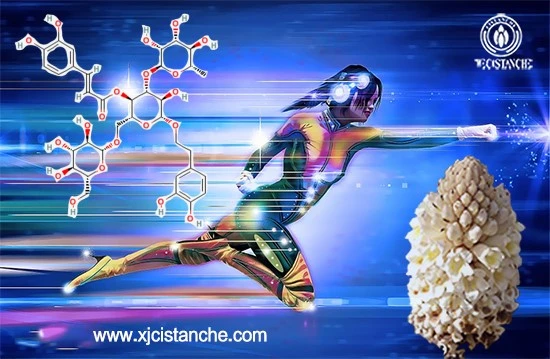
Acteoside is the main chemical component of Cistanche tubulosa
In addition to phenylethanoid glycosides, the polysaccharide and oligosaccharide fractions of Cistanche tubulosa extract constitute a second major bioactive category whose value lies not in acute pharmacological potency but in systemic regulatory effects on the gastrointestinal and immune systems. These heteropolysaccharides, composed of arabinose, galactose, glucose, and uronic acid residues arranged in branched or linear configurations, function as biological response modifiers that interact with pattern recognition receptors on macrophage surfaces to activate the NF-κB signaling cascade, resulting in the moderate and physiologically appropriate upregulation of TNF-α, IL-6, and nitric oxide secretion, thereby enhancing phagocytic activity and natural killer cell cytotoxicity without triggering the excessive or dysregulated immune activation associated with autoimmune pathology. Simultaneously, these carbohydrate fractions serve as selective substrates for beneficial gut microbiota-particularly Bifidobacterium and Lactobacillus species-promoting the production of short-chain fatty acids that exert local trophic effects on colonic epithelium and systemic modulatory effects on distant organs through the gut-brain axis. Moreover, certain oligosaccharide constituents produce a mild osmotic laxative effect by increasing intraluminal osmotic pressure to retain water and gently stimulate peristalsis, a mechanism that explains the traditional use of Cistanche for constipation in elderly or constitutionally deficient individuals and that distinguishes it fundamentally from stimulant laxatives such as senna or rhubarb, which act through direct irritation of the enteric nervous system and carry risks of dependency and electrolyte disturbance with prolonged use.
Complementing the PhG and polysaccharide fractions, iridoid glycosides (exemplified by kankanosides), lignans, alkyl glycosides, and sugar esters-though present at relatively low concentrations-contribute synergistic effects including vasorelaxation, hepatoprotection, improved glucose tolerance, and cellular membrane stabilization, while free amino acids (proline, aspartic acid, etc.) and trace elements (zinc, selenium, iron) provide nutritional substrate support that enhances the extract's suitability for comprehensive wellness formulations targeting sub-healthy populations.
4. Translation of Pharmacological Value from Traditional Theory to Evidence-Based Medicine
The pharmacological value system of Cistanche tubulosa extract can be conceptualized as a contemporary scientific reinterpretation of the traditional Chinese medical doctrine of "tonifying kidney yang, replenishing essence and blood, and moistening the intestines to relieve dryness," a reinterpretation that transcends superficial terminological substitution and instead rests upon a substantial body of animal experimentation, cellular pharmacology, and an expanding foundation of clinical observational data. The central achievement of this translational process lies in establishing empirically verifiable correlations between traditionally nebulous concepts such as "kidney deficiency" and "insufficiency of essence and blood" and quantifiable modern biological parameters encompassing neuroprotection, endocrine regulation, energy metabolism, and oxidative stress modulation.
Within the domain of neuroprotection and cognitive enhancement, the research evidence base for Cistanche tubulosa extract is the most extensively developed. Multiple animal models-including chronic cerebral hypoperfusion induced by bilateral common carotid artery occlusion, D-galactose-induced accelerated aging models, and cognitive impairment models involving Aβ amyloid intervention-have consistently demonstrated that standardized extracts of C. tubulosa significantly improve spatial learning performance and memory retention in experimental subjects, with underlying mechanisms involving the preservation of hippocampal neuronal populations, inhibition of abnormal β-amyloid protein deposition, attenuation of tau protein hyperphosphorylation, and upregulation of brain-derived neurotrophic factor (BDNF) expression. Of particular clinical relevance are investigations into the blood-brain barrier permeability of echinacoside and acteoside, which have established that although these relatively large glycosylated molecules do not readily cross the intact blood-brain barrier in their native form, they can access the central nervous system through specialized transporter-mediated mechanisms and, more importantly, through the production of bioactive metabolites by the gut microbiota that possess enhanced CNS permeability, thereby providing a robust scientific rationale for the development of orally administered cognitive health products based on this botanical. In practical commercial positioning, Cistanche tubulosa extract has been successfully integrated into formulations targeting age-related cognitive maintenance, anti-brain-fatigue products for high-intensity mental workers, cognitive protection regimens for high-altitude hypoxic environments, and adjunctive nutritional support protocols for vascular dementia, each representing a distinct market segment with specific dosing and standardization requirements.

cistanche-prevent Alzheimers disease
In the field of anti-fatigue and exercise endurance, the pharmacological mechanisms of Cistanche tubulosa extract center on the optimization of energy metabolism and the mitigation of exercise-induced oxidative damage. Experimental evidence demonstrates that supplementation with standardized extract leads to significant increases in hepatic glycogen and muscular glycogen reserves, concomitant reductions in serum lactate and blood urea nitrogen levels following exhaustive exercise, and improvements in mitochondrial respiratory chain complex activity and ATP synthesis efficiency, physiological changes that collectively indicate an enhanced capacity of the organism to meet elevated energy demands, delay the onset of fatigue, and accelerate post-exertion recovery. Additionally, the modulatory effect of the extract on the hypothalamic-pituitary-adrenal (HPA) axis provides an endocrinological explanation for its stress-resistance and anti-fatigue properties, a consideration of particular relevance to modern populations subjected to chronic occupational stress or frequent trans-meridian travel.
In immune regulation, Cistanche tubulosa extract exhibits a pattern of "bidirectional moderate modulation" rather than the unidimensional immune stimulation characteristic of many conventional immunopotentiators. Specifically, the PhG and polysaccharide constituents of the extract promote lymphocyte proliferation and cytokine secretion under conditions of immunosuppression-such as those induced by ionizing radiation, chronic psychological stress, or age-related immune senescence-while simultaneously exerting inhibitory effects on excessive inflammatory responses in models of autoimmune predisposition, a dual-directional regulatory characteristic that aligns closely with the traditional Chinese medical principle of "fortifying the righteous qi to consolidate the constitutional foundation."
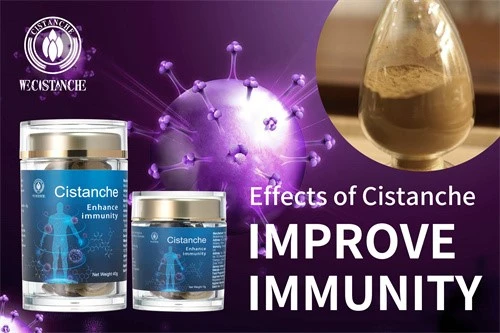
Desert ginseng-Improve immunity
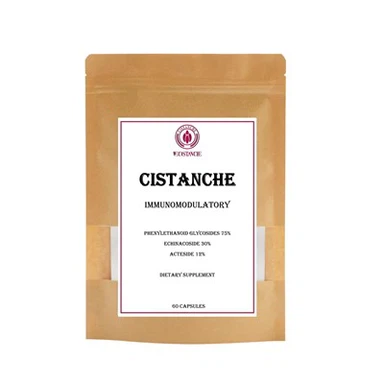
Click here to view Cistanche Enhance Immunity products
【Ask for more】 Email:cindy.xue@wecistanche.com / WhatsApp: 0086 18599088692 / WeChat: 18599088692
In the context of reproductive health and the modern scientific interpretation of "kidney yang" function, ethanol extracts of Cistanche tubulosa have been shown to upregulate the expression of key steroidogenic enzymes-including CYP11A1, CYP17A1, and 3β-HSD-in testicular tissue, thereby promoting the endogenous biosynthesis of testosterone, while echinacoside and acteoside additionally participate in the NO-cGMP signaling cascade that mediates corpus cavernosum smooth muscle relaxation, findings that provide molecular-level validation for the traditional use of Cistanche in addressing erectile dysfunction, premature ejaculation, infertility, and lumbago and knee weakness. It is essential to emphasize that these effects represent gentle endogenous modulation rather than exogenous hormonal replacement, conferring a distinct safety advantage that renders the extract suitable for long-term wellness applications.
Extended pharmacological investigations have further documented the hepatoprotective, anti-inflammatory, and osteoprotective potential of Cistanche tubulosa extract. In D-galactosamine/lipopolysaccharide (D-GalN/LPS)-induced acute liver injury models, echinacoside and acteoside significantly reduce hepatocyte sensitivity to TNF-α-mediated apoptosis; in ovariectomized (OVX) postmenopausal osteoporosis models, acteoside promotes osteoblast differentiation while inhibiting osteoclast activity to slow bone mineral density loss; and in chemically induced colitis models, PhG constituents demonstrate the capacity to downregulate pro-inflammatory cytokines including IL-1β, IL-6, and TNF-α. These diverse pharmacological activities collectively form a multidimensional value network that enables Cistanche tubulosa extract to occupy differentiated positions across functional food, dietary supplement, and prescription adjunct markets.

Total glycosides of Cistanche tubulosa can inhibit liver cancer cells at the early stage of liver cancer
5. Commercial Value Stratification and Competitive Dynamics in the Industrial Chain
The commercial value realization of Cistanche tubulosa extract in the contemporary global marketplace does not rely on any single dimension such as raw material scarcity or traditional reputation, but instead rests upon an integrated competitive framework encompassing raw material quality, process sophistication, standardization rigor, analytical certification, and compliant scientific communication, each of which contributes to the overall market positioning and profit potential of the final product. From the perspective of market segmentation, extracts of varying specifications correspond to distinctly different customer profiles and application scenarios, a stratification structure that determines both the margin potential and risk exposure of participants at each stage of the value chain.
Entry-tier products, typically defined by a total PhG content ranging from 10% to 20% and produced through straightforward aqueous or low-purity ethanolic extraction, primarily serve manufacturers of general wellness products, solid beverage formulations, and smaller brands operating with constrained ingredient budgets; the competitive advantage in this segment hinges on cost control and supply continuity rather than premium biochemical specifications, and the raw material requirements can generally be satisfied by ungraded whole dried stems of acceptable baseline quality. Mid-tier products, characterized by total PhG content between 30% and 50% with some specifications further delineating individual echinacoside or acteoside levels, target brain health, anti-fatigue, and men's vitality brands operating in the mid-to-high-end functional food space, where the ability to cite specific compound concentrations in marketing communications provides a decisive differentiation from generic herbal competitors. Premium-tier products, represented by extracts with echinacoside content exceeding 30% or total PhG content reaching 85%, are procured predominantly by pharmaceutical manufacturers, clinical nutrition developers, and export-oriented ingredient traders serving markets with stringent quality expectations, requiring exceptionally stringent raw material selection-often limited to specific geographic origins and harvest windows-and rigorous process control throughout extraction and purification, commanding correspondingly elevated price points. In addition to these primary tiers, specialized product lines including polysaccharide/oligosaccharide-enriched fractions for gut health applications and multi-herb composite extracts combining Cistanche tubulosa with complementary botanicals such as Astragalus propinquus, Angelica sinensis, and Lycium barbarum occupy stable niches within traditional tonic formulations, traditional Chinese medicine granule preparations, and food-as-medicine combination products.
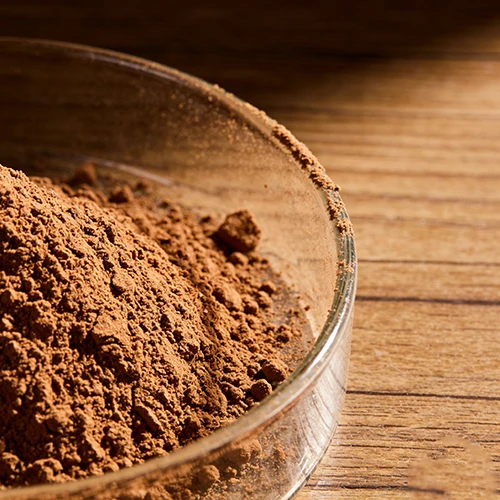
cistanche powder
Regarding competitive dynamics, the principal challenge currently confronting the Cistanche tubulosa extract market is not insufficient demand but rather pronounced heterogeneity in supply-side quality and a generally inadequate level of standardization across the industry. The critical competitive determinants include, first, the authenticity of the botanical source, as instances of substitution with closely related congeners or entirely unrelated plant species necessitate DNA barcoding or microscopic authentication for definitive verification; second, the veracity and batch-to-batch consistency of active constituent quantification, given that some suppliers engage in deceptive practices such as spiking with exogenous reference compounds or manipulating analytical conditions to inflate reported values, thereby necessitating independent third-party testing by buyers; third, compliance with safety and cleanliness parameters encompassing heavy metals (Pb, Cd, Hg, As), pesticide residues, sulfur dioxide residues, and aflatoxin B1, all of which directly determine market access eligibility, particularly for exports to jurisdictions with rigorous phytochemical safety regulations such as the European Union and North America; fourth, inter-batch consistency of active constituent levels, a requirement driven by Good Manufacturing Practice (GMP) standards in food and pharmaceutical production that demands tightly controlled process parameters; and fifth, comprehensive traceability from desert cultivation sites through extraction and finishing to final product dispatch, an increasingly non-negotiable requirement for large-scale buyers and a necessary instrument for navigating the proliferating technical trade barriers in international botanical commerce.
6. Quality Evaluation Framework and Practical Procurement Considerations
For professionals engaged in the trading or procurement of Cistanche tubulosa extract, the establishment of a scientifically grounded, systematically structured, and operationally executable quality evaluation framework constitutes an indispensable prerequisite for sustainable business conduct. Such a framework must integrate five interdependent dimensions-botanical authentication, quantitative marker analysis, safety limit testing, process transparency, and supplier qualification auditing-each supported by explicit acceptance criteria and actionable analytical protocols.
cistanche powder
In the domain of botanical authentication, procuring parties should require suppliers to furnish complete documentation specifying the Latin binomial (Cistanche tubulosa (Schrenk) Wight), the utilized plant part (dried succulent stem), and geographic origin information, with premium-grade transactions further necessitating DNA barcoding reports or microscopic identification photomicrographs to preclude admixture with congeneric species such as Cistanche salsa or Cistanche deserticola. For quantitative marker analysis, core testing items must include total phenylethanoid glycoside content, echinacoside content, and acteoside content, all determined by HPLC methods that have undergone full method validation including specificity, linearity, accuracy, precision, and robustness assessments, with chromatographic conditions (column type, mobile phase composition, detection wavelength, flow rate) explicitly documented to ensure inter-laboratory comparability. Safety limit testing must extend beyond routine moisture, total ash, and acid-insoluble ash determinations to encompass sulfur dioxide residue (maintained below 150 mg/kg), heavy metal profiles conforming to Chinese Pharmacopoeia standards or the regulatory requirements of the target market, pesticide residue screening calibrated to the appropriate jurisdictional standard (Chinese Pharmacopoeia pesticide monographs, EU Regulation EC 396/2005, or US EPA tolerances), and aflatoxin B1 quantification, the latter being particularly critical given the susceptibility of improperly stored raw material to fungal contamination. Process transparency requires suppliers to fully disclose extraction solvent identity and concentration, the use or non-use of macroporous resin purification, drying methodology, and any addition of excipients such as maltodextrin or colloidal silica, all of which materially affect product purity and suitability for specific applications. Finally, supplier qualification auditing should encompass business licensing, food or pharmaceutical production permits as appropriate, ISO series certifications, historical certificate of analysis records from prior transactions, and evidence of access to stable raw material supply bases, the totality of which provides a composite assessment of supplier reliability.
A critical operational insight that must be emphasized is that the logic of quality judgment in Cistanche tubulosa transactions differs fundamentally between whole dried stem commerce and standardized extract commerce: the former relies predominantly on provenance knowledge, visual grading, and experiential assessment, while the latter demands exclusive reliance on standardized analytical data and comprehensive documentary evidence. Any attempt to transplant the "visual inspection and price negotiation" paradigm of crude herb trading into extract procurement will predictably result in quality disputes and commercial losses. Both buyers and suppliers must therefore cultivate a quality management mindset commensurate with the technical nature of extract products, adopting "data-driven decision-making" as the foundational principle governing all transactional interactions.
7. Conclusions and Industry Development Prospects
The industrial value of Cistanche tubulosa extract is anchored in a clear and robust chemical and pharmacological foundation: phenylethanoid glycosides-principally echinacoside and acteoside-constitute the material basis for its core therapeutic properties including neuroprotection, anti-fatigue activity, immune modulation, and anti-aging effects; polysaccharide and oligosaccharide fractions provide ancillary support for gut microbiota regulation and constitutional improvement; and iridoid glycosides, lignans, and trace elements enrich the overall bioactivity spectrum across multiple physiological dimensions. This compositional architecture enables Cistanche tubulosa extract to simultaneously leverage the cultural premium associated with its "desert ginseng" heritage and access global functional food and phytopharmaceutical markets through a scientifically legible language of mechanism and efficacy, a dual attribute that distinguishes it within the contemporary botanical extract industry and underpins its long-term competitive advantage.

During the Chengdu Western Region Cistanche tubulosa - Cistanche tubulosa extract exhibition
Looking forward, the developmental trajectory of the Cistanche tubulosa extract industry will be determined not by who can offer the lowest price or the highest volume, but by the capacity of industry participants to build four core capabilities: first, the ability to ensure stable supply of high-echinacoside raw material through systematic investment in elite germplasm selection, desert-scale cultivation, optimal harvest timing determination, and standardized post-harvest processing at origin; second, the capability to execute clean extraction processes characterized by sulfur-free and low-residue outcomes, requiring continuous optimization of solvent systems, purification protocols, drying parameters, and waste treatment to satisfy increasingly stringent global safety requirements; third, the establishment of end-to-end traceability systems spanning from desert cultivation sites to finished extract dispatch, serving not only as a compliance response to regulatory and buyer demands but as a foundational instrument for brand differentiation and price premium realization; and fourth, the competence to articulate the value proposition of Cistanche tubulosa extract through compliant scientific communication frameworks grounded in contemporary life science frontiers-including Nrf2 signaling, mitochondrial function, the gut-brain axis, and neural plasticity-which will ultimately determine whether this botanical can successfully transition from a "traditional tonic ingredient" to an "evidence-based phytopharmaceutical" commanding commensurate market pricing power.
For participants across all stages of the value chain, the pathway to value realization is now clearly delineated: upstream cultivation must evolve toward standardization, scale, and organic certification; midstream extraction must advance toward high purity, minimal residues, and comprehensive process quality control; and downstream application development must progress toward evidence-based formulation, precision targeting, and brand-driven marketing. Only by successfully transforming the whole dried stem into a verifiable, reproducible, and traceable standardized extract can the full economic and societal value of Cistanche tubulosa-this remarkable botanical treasure of the desert-be realized within the modern global health and wellness economy.