Cistanche Tubulosa Extract: Benefits, Science & Uses — The Desert Ginseng
Oct 20, 2026
1. What Is Cistanche?
Cistanche (botanical name Cistanche spp.) is a group of parasitic plants that grow in arid and semi-arid regions, particularly across the deserts of northwestern China. Unlike most plants, Cistanche does not rely on soil for its nutrients. Instead, it attaches its roots to desert shrubs such as the sacsaoul tree (Haloxylon ammodendron) and tamarisk (Tamarix), drawing water and nutrients from its host.
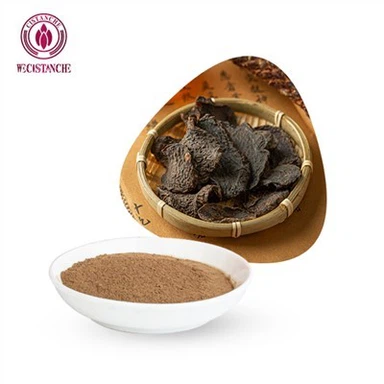
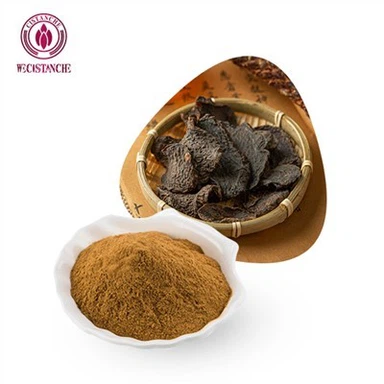
Two species dominate commercial use: Cistanche deserticola and Cistanche tubulosa (known in Chinese as 管花肉苁蓉,"tubular Cistanche"). The fleshy, scale-covered stems of these plants - the parts used in traditional practice - have been harvested for centuries.
In traditional Chinese medicine, Cistanche has been valued as a tonic for the kidneys, a support for vitality, and a natural remedy for sluggish digestion. Modern research has since confirmed that these traditional uses are backed by a genuinely rich chemistry, giving Cistanche a foothold in the global wellness market.

2. Why Is It Called the "Ginseng of the Desert"?
The nickname is not marketing fluff. In the Chinese pharmacopeia tradition, Cistanche occupies a place of high esteem comparable to ginseng and Astragalus. It was first documented more than 1,800 years ago in the Shennong Bencao Jing (The Divine Farmer's Classic of Materia Medica), one of the oldest and most influential herbals in Chinese history, where it was listed among the top grade of herbs - those considered safe for long-term use and beneficial for overall health.
Later classics, including the Bencao Shiyi (Supplement to the Materia Medica) and Bencao Beiyao, continued to record its uses. Traditional descriptions credit Cistanche with:
Supporting kidney yang and replenishing vital essence (精血);
Strengthening bones and easing weakness in the lower back and knees;
Moistening the intestines and relieving constipation;
Supporting vitality in men and women alike.
Because it grows in some of the harshest desert conditions on Earth yet remains nutrient-dense and gentle, traditional herbalists came to regard it as a rare gift of the desert - hence the evocative title, "Ginseng of the Desert."
3. A Milestone: Cistanche Officially Recognized as "Medicine and Food"
One of the most important recent developments is regulatory rather than scientific. In 2023, Cistanche officially passed food-safety evaluation and was added to China's official "Medicine-Food Homology" list by the National Health Commission. This list designates substances that are safe and appropriate for daily consumption as food, while still being recognized for their medicinal value.
What does this mean in practical terms?
It confirms a long history of safe human use.
It opens the door for Cistanche to appear in functional foods, beverages, and daily supplements - not only in traditional medicine.
It signals to international markets that Cistanche is regarded as a low-risk, food-grade botanical ingredient, not merely a potent herb to be used with caution.
For anyone researching Cistanche or considering it as a supplement ingredient, this official status is a meaningful vote of confidence in its safety profile.
4. What Is Inside Cistanche? A Look at Its Nutrients
Cistanche is surprisingly nutritious for a desert plant. Analyses of its stems reveal a broad spectrum of primary metabolites - the basic building blocks that support life and health.
Carbohydrates and polysaccharides. Sugars make up a large share of Cistanche's mass, much of it in the form of polysaccharides. Studies have identified a mix of monosaccharides including glucose, fructose, galactose, rhamnose, arabinose, and fucose, along with sugar acids such as galacturonic and glucuronic acid. These polysaccharides are now considered among the most important contributors to Cistanche's biological activity.
Protein and amino acids. Protein content in Cistanche has been measured at roughly 13–16 g per 100 g - a notably high figure for a plant material - while fat content is very low, around 0.2 g per 100 g. This high-protein, low-fat profile makes it attractive as a functional food ingredient. Researchers have detected 16 amino acids, including all seven essential amino acids (the ones the body cannot make on its own), with glutamic acid and aspartic acid being the most abundant.
Dietary fiber. Though present in modest amounts, the fiber in Cistanche contributes to its traditional reputation as a gentle laxative, supporting regularity and digestive comfort.
Minerals. Cistanche contains a wide array of minerals, with potassium and sodium especially abundant (potassium alone has been measured around 19.8 g/kg), along with magnesium and calcium. Trace elements such as iron, zinc, and manganese are also present. Importantly, studies report that levels of heavy metals such as lead, cadmium, and arsenic remain well within safety limits set by the Chinese Pharmacopeia - good news for those concerned about purity.
Vitamins and other compounds. Small amounts of vitamin A and vitamin C have been detected, along with allantoin, hypoxanthine, and glutamine. Vitamin C acts as a natural antioxidant, while allantoin is a compound widely used in skincare for its soothing and cell-supporting properties.
Taken together, Cistanche offers a genuinely balanced nutritional foundation - carbohydrates, protein, fiber, minerals, and amino acids - on top of which sits a much more interesting story: its unique secondary metabolites.

5. The Bioactive Compounds That Make Cistanche Special
Beyond basic nutrition, Cistanche is rich in secondary metabolites - specialized plant compounds that carry most of its health-promoting activity. Three families stand out.
5.1 Phenylethanoid Glycosides (PhGs)
This is the most abundant and most studied group of active compounds in Cistanche. Phenylethanoid glycosides are formed when a phenylethanoid core binds to sugar molecules, often with added acyl groups. The two flagship compounds in this family are:
Echinacoside (松果菊苷)
Acteoside / Verbascoside (毛蕊花糖苷)
Both are widely used as quality markers for Cistanche products, because their content is directly tied to the plant's potency. Echinacoside, in particular, is a hallmark of Cistanche and one of the reasons the plant has attracted so much research attention.
5.2 Iridoid Glycosides
Iridoids are a class of monoterpene compounds with a distinctive ring structure. In Cistanche they occur mainly as simple glucosides. While less prominent in the public conversation than the phenylethanoid glycosides, they contribute to the plant's overall chemical diversity and to its traditional tonic effects.
5.3 Lignans and Other Compounds
Cistanche also contains lignans - compounds formed by the coupling of two phenylpropanoid units - along with phenylethanoid-related glycosides, sterols (such as β-sitosterol), and small amounts of alkaloids like betaine. This broad chemical palette is why Cistanche research spans so many areas of health, from brain function to bone health.
6. Health Benefits: What the Science Suggests
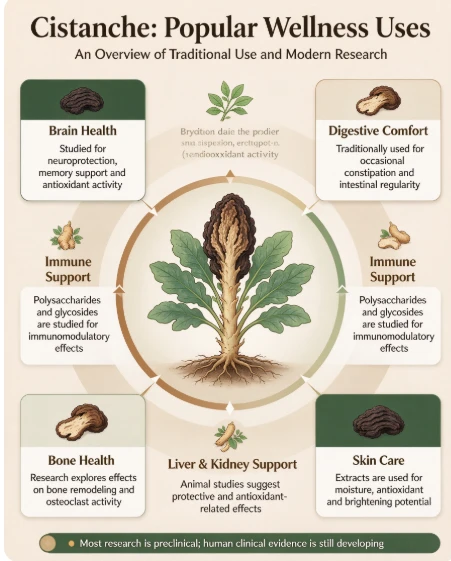
Modern pharmacology has investigated Cistanche across many health dimensions. Below is a summary of the areas with the most consistent research interest. (Note: most of this evidence comes from laboratory and animal studies; human clinical data is still developing, as we discuss later.)
6.1 Brain Health and Neuroprotection
This is arguably the most exciting area of Cistanche research. Several of its compounds - especially echinacoside, acteoside, and the polysaccharides - have shown neuroprotective effects in experimental models.
Researchers have reported that Cistanche compounds may:
Protect nerve cells from damage. Studies suggest the polysaccharides help nerve cells resist oxidative stress and reduce programmed cell death, partly by supporting antioxidant enzymes such as SOD and glutathione peroxidase.
Support memory and learning. In animal models of memory impairment, Cistanche polysaccharides improved learning and memory, an effect linked to better synaptic function in the hippocampus - the brain region central to memory.
Help with age-related cognitive decline. Research has examined effects on models relevant to Alzheimer's disease, vascular dementia, and Parkinson's disease. Compounds such as echinacoside and acteoside have shown promise in reducing inflammation, protecting dopamine-producing neurons, and supporting cognitive function in these models.
It is important to emphasize that these are early-stage findings in cells and animals. They provide a strong scientific rationale for continued research, but they should not be read as proof that Cistanche treats or cures neurological disease in humans.
6.2 Digestive Support and Constipation Relief
The traditional use of Cistanche for constipation is one of its best-documented roles. Modern studies have looked at how it works:
Compounds such as echinacoside appear to help the intestines hold more water and move contents along more efficiently.
Polysaccharides in Cistanche have been shown to strengthen intestinal contractions in animal models.
Some research points to effects on water-channel proteins (aquaporins) and signaling pathways that regulate bowel muscle movement.
For people who experience occasional sluggish digestion, Cistanche offers a gentle, food-grade option that aligns with its long history of culinary use.
6.3 Immune Support
Cistanche contains polysaccharides and glycosides that have demonstrated immunomodulatory activity in laboratory studies. In cell experiments, these compounds influenced the activity of macrophages - the immune cells that engulf and neutralize pathogens - and helped regulate the release of signaling molecules involved in immune response.
While such findings are preliminary, they support the traditional view of Cistanche as a "tonic" that helps the body maintain resilience, and they explain why immune support is one of the most common claims on Cistanche supplement labels.
6.4 Bone Health
Research has investigated Cistanche's potential to support bone health, particularly in the context of osteoporosis - a condition characterized by thinning, weakened bones. Studies in cell models suggest that certain compounds, such as cistanoside A, may help regulate osteoclasts, the cells responsible for breaking down bone tissue, by modulating signaling pathways involved in bone remodeling.
This line of research is still early, but it adds another dimension to Cistanche's traditional reputation as a strengthener of bones and tendons.
6.5 Kidney and Liver Support
In traditional Chinese medicine, Cistanche is a classic kidney tonic. Modern studies have explored this connection, examining effects on:
Kidney protection: In animal models of drug-induced kidney injury, Cistanche glycosides helped reduce markers of kidney damage and supported antioxidant defenses.
Liver protection: Extracts of Cistanche showed protective effects against alcohol-induced liver injury in animal studies, in part by supporting the body's antioxidant response and reducing fat accumulation in liver tissue.
These findings are consistent with Cistanche's traditional place among "tonifying" herbs used to support the body's foundation.
6.6 Antioxidant and Anti-Inflammatory Activity
Underpinning many of the benefits above is Cistanche's antioxidant and anti-inflammatory activity. Its polysaccharides and phenylethanoid glycosides have been shown to:
Scavenge free radicals, including superoxide and hydroxyl radicals;
Support the body's own antioxidant enzymes;
Help modulate inflammatory signaling.
Oxidative stress and chronic low-grade inflammation are now recognized as contributors to many age-related conditions, so a natural ingredient with meaningful antioxidant capacity has broad appeal.
7. Beyond Supplements: Food, Beverages, and Skincare
Because of its medicine-food homology status, Cistanche is increasingly appearing in everyday products.
As food. In northwestern China, where Cistanche has been eaten for generations, people stew it with lamb, cook it into porridge, soak it in wine, and even add its powder to noodles. These culinary traditions - recorded in herbal texts as far back as the Tang dynasty - illustrate just how deeply Cistanche is woven into daily life.
As a functional food and beverage. Tea blends, ready-to-drink tonics, and energy-focused beverages now feature Cistanche extract, capitalizing on its reputation for vitality and digestive comfort.
In skincare. Cistanche's allantoin, polysaccharides, and glycosides have drawn attention in cosmetics. Laboratory studies suggest its extracts may help with:
Moisture retention, by supporting the skin's natural water-holding mechanisms;
Antioxidant protection against environmental stress;
Brightening, through inhibition of the enzyme that drives melanin production.
While much of the cosmetic evidence comes from lab studies rather than clinical trials, Cistanche is a growing presence in the "natural beauty" segment.
8. Sustainability: A Plant That Gives Back to the Desert
Cistanche's story has a remarkable ecological angle. Because it parasitizes desert shrubs, it can only grow where its host plants survive - and those host plants, especially the sacsaoul tree, are themselves vital for holding desert soil in place and preventing sandstorms.
Historically, wild Cistanche was over-harvested to the point of endangerment, and it was eventually listed under international conservation treaties. In response, Chinese researchers - led by a dedicated team over roughly three decades - developed cultivation techniques that allow Cistanche to be grown without harming its host. Today, cultivated Cistanche is produced on large areas of land across Xinjiang, Gansu, and Inner Mongolia, with annual production reaching thousands of tons.
This is a rare win-win: desert shrubs are planted for sand control, and Cistanche grown on their roots provides a livelihood for farmers. Choosing cultivated Cistanche - as opposed to wild-harvested material - supports both conservation and community income.
9. What to Look For When Choosing a Cistanche Product
If you are considering a Cistanche supplement or extract, a few practical points can guide your choice:
Check the species. Cistanche tubulosa (管花肉苁蓉) is among the most studied and widely used species in modern supplements, prized for its echinacoside content.
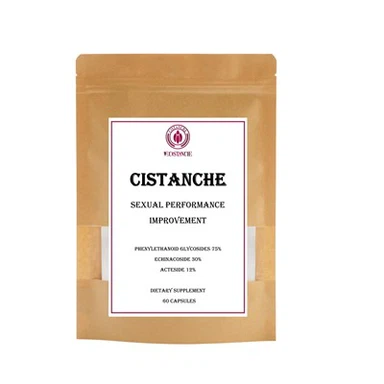
Look for standardized markers. Reputable products state the content of key compounds such as echinacoside and acteoside on their labels or certificates of analysis. This tells you the product has a meaningful, consistent level of active compounds.
Verify purity. Request a certificate of analysis showing that heavy metals, pesticides, and microbial contaminants are within safe limits.
Choose cultivated, sustainable sources. As noted above, cultivated Cistanche supports conservation and typically offers more consistent quality than wild-harvested material.
Review the extraction method. Water or water-ethanol extracts that preserve the phenylethanoid glycosides are generally preferred for bioactivity.
10. Important Caveats: What We Still Don't Know
A balanced view requires honesty about the limits of the current evidence.
Most research is pre-clinical. The majority of studies on Cistanche's pharmacological effects have been conducted in cells or animals. While the results are encouraging and consistent, they do not yet amount to strong clinical proof of benefit in humans.
More human studies are needed. Well-designed clinical trials on memory, immunity, and digestive health are still limited. The field is young.
Dosage is not yet standardized. There is no universal agreement on an optimal daily dose, and different extracts differ in potency.
Cistanche is not a treatment for disease. It should be viewed as a wellness ingredient, not a medicine to replace professional care for conditions such as Parkinson's, Alzheimer's, osteoporosis, or cancer.
Anyone with a medical condition, or who is pregnant or nursing, should consult a qualified healthcare professional before adding Cistanche to their routine.

11. The Future of the "Desert Ginseng"
Cistanche sits at an interesting crossroads. It has:
A long and well-documented history of safe use as both food and medicine;
Official medicine-food homology status from a national health authority;
A growing body of modern research, particularly around brain health and digestion;
A genuinely sustainable production story that benefits desert ecosystems;
Expanding applications across supplements, foods, beverages, and skincare.
As the global market for natural, plant-based wellness ingredients continues to grow, and as researchers move from laboratory models toward human studies, Cistanche is well positioned to move from a niche traditional herb to a mainstream botanical. For consumers, it offers a gentle, food-grade way to support energy, digestion, and overall vitality - grounded in centuries of tradition and backed by a modern scientific pipeline that is only beginning to reveal its full potential.
Whether you first encounter it in a cup of tea, a daily supplement, or a moisturizer, the "Ginseng of the Desert" is a plant worth knowing - and one that gives back to both the people who grow it and the arid landscapes it calls home.
Disclaimer: This article is for general informational and educational purposes only and is not intended to diagnose, treat, cure, or prevent any disease. Statements about this product have not been evaluated by the U.S. Food and Drug Administration (FDA) or any other regulatory body. Always consult a qualified healthcare professional before using any supplement, especially if you are pregnant, nursing, taking medication, or have a medical condition. Product claims and quality may vary by brand; always review the manufacturer's certificate of analysis.