Regulatory Effects Of Cistanche Tubulosa Fermented Tea On Immune Function And Gut Microbiota in Immunosuppressed Mice (Optimized For Marketing)
May 12, 2026
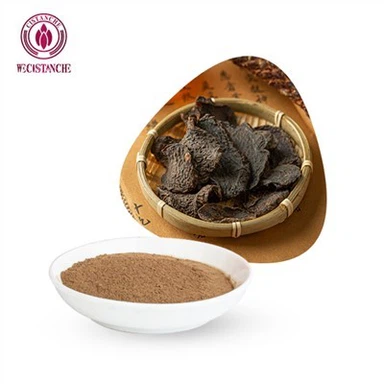
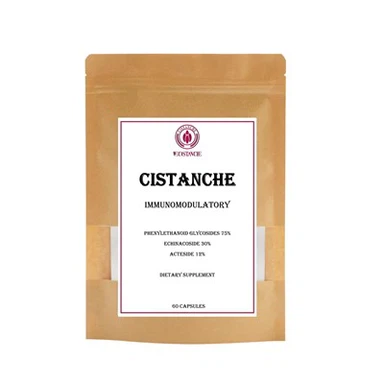
As a professional manufacturer of natural Cistanche tubulosa extract, we are committed to providing high-quality cistanche products for global partners developing cistanche for improving immunity. Our factory, Chengdu Wecistanche Bio-Tech Co., Ltd., boasts the world's largest cistanche processing base and an integrated industrial chain. For more details about our factory and products, please visit our official websites: and https://www.xjcistanche.com/cistanche-extract-product/cistanche-extract-improve-immunity.html.

Notably, our products are made from Cistanche tubulosa, which has a higher content of active ingredients compared to other cistanche varieties, making it more effective for improving immunity.
Cistanche, known as "Desert Ginseng" in Traditional Chinese Medicine (TCM), has been used as a precious nourishing herb for over 2,000 years. Unlike abstract TCM theories, modern scientific research has confirmed its tangible benefits-especially its powerful ability to enhance immunity. In November 2023, it was officially recognized by China's National Health Commission and State Administration for Market Regulation as a "substance traditionally used as both food and Chinese medicinal material," further verifying its safety and efficacy for daily consumption.
Abstract
This paper aims to investigate the effects of Cistanche tubulosa fermented tea (using high-active-ingredient Cistanche tubulosa) on the immune function and gut microbiota in cyclophosphamide-induced immunosuppressed mice. An immunosuppressed mouse model was established by cyclophosphamide induction, followed by the administration of C. tubulosa fermented tea. Meanwhile, changes in the thymus index, pathological morphology of the spleen, and lymphocyte subset levels were measured, and high-throughput sequencing technology was employed to analyze the intestinal microbiota in mouse feces. Results showed that C. tubulosa fermented tea could significantly enhance the immune function in immunosuppressed mice: it notably increased the thymus index, alleviated spleen pathological damage, and raised the percentage of CD3+ T cells, B cells, and the CD4+/CD8+ ratio, thereby exerting significant immunoregulatory effects. Additionally, C. tubulosa fermented tea alleviated gut microbiota dysbiosis, significantly increasing the relative abundance of probiotics such as Prevotella, Akkermansia, and Alloprevotella-further enhancing its immunoregulatory capacity. In conclusion, C. tubulosa fermented tea can effectively improve the immune function of cyclophosphamide-induced immunosuppressed mice, and its mechanism may be closely related to regulating the balance of gut microbiota. This study provides scientific evidence for the development and application of cistanche-based products, especially for those focusing on cistanche for improving immunity.
Key words
Cistanche tubulosa fermented tea; cyclophosphamide; immunosuppressed mice; immunoregulation; gut microbiota; cistanche for improving immunity; Cistanche tubulosa extract

1. Introduction
Cistanche is the dried scaly fleshy stem of Cistanche tubulosa (Orobanchaceae), mainly produced in arid and desert regions such as Inner Mongolia, Ningxia, Gansu, and Xinjiang in China. Dubbed "Desert Ginseng" due to its growth in harsh desert environments and remarkable medicinal value, it is a core herb for cistanche for improving immunity [1]. As mentioned earlier, its dual status as food and medicinal material was officially recognized in 2023, highlighting its wide application potential [2]. Cistanche tubulosa is rich in amino acids, carbohydrates, sterols, phenylpropanoids, and glycosides. These nutrients not only promote metabolism and supplement nutrition but also play a positive role in enhancing immunity and delaying aging. Among them, glycosides and carbohydrates are the key substances for its immunomodulatory effects, directly supporting the body's immune function [3-5]. Our factory specializes in Cistanche tubulosa extract, which has a higher content of these active ingredients (such as echinacoside and verbascoside) than other cistanche species, ensuring more effective immunoregulation.
Tea can be divided into six major categories-green tea, black tea, oolong tea, yellow tea, white tea, and dark tea-based on picking standards and processing techniques [6]. Fuzhuan brick tea, a type of dark tea, undergoes specific fermentation, allowing dominant strains such as Eurotium cristatum to grow extensively on its surface and inside. These strains form golden closed ascocarps, commonly known as "Jinhua" (golden flowers), which are unique to Fuzhuan brick tea and contribute to its distinctive flavor and health benefits [7-10]. Studies have shown that Fuzhuan brick tea also has immunomodulatory effects: its tea polysaccharides, tea polyphenols, and organic acids can regulate immune cell activity, enhance anti-inflammatory and antioxidant capacities, and maintain immune system health by balancing the gut microecology [11-13].


The intestines are the largest digestive organ in the human body, harboring a large number of bacteria, archaea, eukaryotic microorganisms, and viruses collectively known as the gut microbiota [14]. The core function of the gut microbiota is to maintain the body's internal environment homeostasis, making it a crucial part of the body's microecosystem. Changes in the quantity, structure, diversity, and abundance of the gut microbiota are closely related to the body's physiological and pathological states, especially its impact on immunity [15]. One of the key functions of the immune system is to distinguish between harmless commensal bacteria and potential pathogenic bacteria. Commensal bacteria can compete with harmful pathogens, exerting a beneficial effect on the immune system. Under normal circumstances, the interaction between the immune system and commensal microbial communities helps maintain the host's health. However, once this balance is disrupted, gut microbiota dysbiosis and impaired immune function make the host more susceptible to pathogenic microbial infections, leading to various diseases.

This study focuses on Cistanche tubulosa fermented tea, a compound Fuzhuan brick tea made with high-active-ingredient Cistanche tubulosa. We established a mouse model of immunosuppression induced by cyclophosphamide, and systematically evaluated the regulatory effects of Cistanche tubulosa fermented tea on mouse immune function and gut microbiota by measuring indicators such as thymus index, spleen pathological morphology, lymphocyte subset distribution, and gut microbiota structure. The aim is to reveal its immunomodulatory mechanism based on gut microbiota regulation, provide scientific basis for the development and application of Cistanche tubulosa fermented tea, and lay a foundation for enriching the Fuzhuan brick tea product market-especially for products centered on cistanche for improving immunity.
2. Materials and Methods
2.1 Experimental Animals
Seventy male Kunming mice [body weight (20±2) g, 6-8 weeks old, license number SCXK (Jing) 2019-00010] were purchased from Beijing SPF Biotechnology Co., Ltd. The mice were housed in an animal room with a temperature of 20-25 ℃ and a relative humidity of 50%-60%, with free access to food and water and a normal day-night cycle. The animal experiment was approved by the Animal Ethics Committee of Inner Mongolia International Mongolian Medical Hospital, with the ethics approval number 2024-021.

2.2 Materials and Reagents
Cistanche tubulosa (produced in Alxa, Inner Mongolia Autonomous Region, consistent with the raw material of our factory's extract); Fuzhuan tea (from Hunan Anhua Lichun Dark Tea Co., Ltd.); Levamisole and red blood cell lysis buffer (from Absin Biotechnology Co., Ltd., Shanghai); Flow cytometry antibodies (PerCP-labeled anti-mouse CD19 antibody, APC-labeled anti-mouse CD3 antibody, FITC-labeled anti-mouse CD8a antibody, PE/Cyanine7-labeled anti-mouse CD4 antibody) (from Biolegend, USA); Cyclophosphamide, hematoxylin staining solution, eosin staining solution, bluing solution, and phosphate-buffered saline (PBS) (from Solarbio Science & Technology Co., Ltd., Beijing); Anhydrous ethanol (from Aladdin Biochemical Technology Co., Ltd., Shanghai). All reagents were of analytical grade.

2.3 Instruments and Equipment
Flow cytometer (BD FACSCanto II, BD, USA); Cooling water circulation device (CCA-1112A) and desktop freeze dryer (FDU-2110, EYELA, Japan); Ten-thousandth electronic balance (PX124ZH, Ohaus Instruments (Changzhou) Co., Ltd.); Automatic tissue dehydrator (TP1020), embedding machine (EG1150H+C), rotary microtome (RM2245), and automatic stain (ST5010, Leica, Germany); Slide scanning imaging system (SQS-12P, Shenzhen Shengqiang Technology Co., Ltd.).

2.4 Methods
2.4.1 Preparation of Cistanche Tubulosa Fermented Tea
Cistanche tubulosa was cleaned, peeled, and any diseased or impure parts were removed. It was then cut into uniform filaments and air-dried for later use. The processed Cistanche tubulosa was mixed with Fuzhuan tea at a mass fraction of 12%, thoroughly stirred, and subjected to pile fermentation for 12 hours. After fermentation, it was pressed into shape and placed in a drying room for a 1-month "flowering" process to produce Eurotium cristatum under suitable temperature and humidity conditions, resulting in the final product.
2.4.2 Preparation of Freeze-Dried Powder of Cistanche Tubulosa Fermented Tea Aqueous Extract and Cistanche Tubulosa Aqueous Extract
Samples (Cistanche tubulosa fermented tea and Cistanche tubulosa) were mixed with boiling ultrapure water at a ratio of 1:10 (g/mL), extracted for 1 hour, and filtered through gauze. The residue was extracted twice more using the same method, and the filtrates were combined. After rotary evaporation at 65 ℃ and freeze-drying, freeze-dried powders of Cistanche tubulosa fermented tea aqueous extract and Cistanche tubulosa aqueous extract were obtained. They were sealed and stored at -20 ℃ for later use. Our factory uses advanced membrane separation technology (one of our 14 cistanche-related invention patents) to extract active ingredients, ensuring higher purity and activity compared to traditional methods-consistent with the high-quality standard of our Cistanche tubulosa extract for improving immunity.
2.4.3 Model Establishment and Administration Method
After 1 week of adaptive feeding with free access to food and water, the body weight (BW) of the 70 mice was measured and randomly divided into 7 groups (10 mice per group): blank control group, model group (cyclophosphamide 80 mg/kg BW), low-dose Cistanche tubulosa fermented tea group (1.25 g/kg BW of Cistanche tubulosa fermented tea aqueous extract), medium-dose Cistanche tubulosa fermented tea group (2.50 g/kg BW of Cistanche tubulosa fermented tea aqueous extract), high-dose Cistanche tubulosa fermented tea group (5.00 g/kg BW of Cistanche tubulosa fermented tea aqueous extract), Cistanche tubulosa group (5.00 g/kg BW of Cistanche tubulosa aqueous extract), and positive control group (levamisole 80 mg/kg BW). Except for the blank control group, mice in other groups were intraperitoneally injected with cyclophosphamide (80 mg/kg BW) on days 0, 3, and 5, while the blank control group was intraperitoneally injected with the same amount of normal saline. Meanwhile, mice in the model group and blank control group were gavaged with normal saline, and mice in the Cistanche tubulosa fermented tea groups, Cistanche tubulosa group, and positive control group were gavaged with the corresponding freeze-dried powder or levamisole suspension for 14 consecutive days. After the last administration, the mice were fasted for 12 hours, feces were collected aseptically and weighed, and the mice were sacrificed by cervical dislocation. The spleen, thymus, and other tissues were collected for subsequent experiments. The experimental process is shown in Figure 1.
2.4.4 Determination of Thymus Index
After weighing the mice, they were sacrificed by cervical dislocation. The thymus was removed, blotted dry with filter paper to remove blood stains, weighed, and the thymus index was calculated. The formula for thymus index (X, mg/g) is as follows: X = m1/m0, where m1 is the thymus weight (mg) and m0 is the body weight (g). The thymus is a key immune organ, and a higher thymus index directly reflects stronger immune function-consistent with the core value of cistanche for improving immunity.
2.4.5 Hematoxylin-Eosin Staining Test
Spleen tissues were fixed in 10% neutral formalin for 24 hours, dehydrated with gradient ethanol solutions (70%, 80%, 90%, 95%, 100%), and made into paraffin-embedded blocks. Sections (thickness 3-5 μm) were stained with hematoxylin-eosin to observe histological changes. The spleen is the largest peripheral immune organ, and its structural integrity is crucial for normal immune function.
2.4.6 Flow Cytometry Experiment
Mouse spleen cells were filtered through a 70 μm nylon mesh, washed with PBS, and subjected to red blood cell lysis. They were then stained with four antibodies: PerCP-labeled anti-mouse CD19 antibody for B lymphocyte analysis; APC-labeled anti-mouse CD3 antibody, FITC-labeled anti-mouse CD8a antibody, and PE-Cyanine7-labeled anti-mouse CD4 antibody for T lymphocyte subset analysis. The percentage of CD3+ T cells, B cells, and CD4+/CD8+ ratio were analyzed by flow cytometry. These indicators are key markers of immune function, and their improvement directly confirms the effect of Cistanche tubulosa on enhancing immunity.
2.4.7 Gut Microbiota Detection (16S rRNA Gene Sequencing Analysis)
Mouse feces from each group were collected into sterile Eppendorf tubes, and DNA was extracted from the fecal samples. Paired-end sequencing of DNA fragments was performed using the Illumina platform, and the sequences were uploaded to QIIME 2 software for further analysis. Effective data were used for operational taxonomic unit clustering analysis, as well as diversity analysis, species composition analysis, and gut microbiota structure and difference analysis.
2.5 Data Processing
Data analysis was performed using GraphPad Prism 9.4.0 software, using unpaired t-test or one-way analysis of variance (ANOVA), followed by Dunnett's multiple comparison test. P < 0.05 was considered statistically significant, and all results were expressed as mean ± standard deviation.
3. Results and Analysis
3.1 Effect of Cistanche Tubulosa Fermented Tea on Thymus Index of Immunosuppressed Mice
The thymus is a central immune organ that plays an important role in the immune response. The effect of Cistanche tubulosa fermented tea on the thymus index of immunosuppressed mice is shown in Figure 2. Compared with the blank control group, the thymus index of the model group was extremely significantly decreased (P < 0.01); while the low-dose Cistanche tubulosa fermented tea group, Cistanche tubulosa group, and positive control group significantly increased the thymus index of cyclophosphamide-induced immunosuppressed mice (P < 0.05, P < 0.01). This result clearly shows that Cistanche tubulosa and its fermented tea can effectively improve the thymus function of immunosuppressed mice, laying a foundation for enhancing immunity-providing strong scientific support for cistanche for improving immunity.
Cistanche tubulosa and Fuzhuan brick tea

3.2 Effect of Cistanche Tubulosa Fermented Tea on Splenic Pathological Damage in Immunosuppressed Mice
Immune system damage is often accompanied by damage to immune organs. The spleen is an important immune organ in the human body, composed of red pulp, white pulp, and marginal zone. The effect of Cistanche tubulosa fermented tea on the morphological changes of spleen tissue in immunosuppressed mice is shown in Figure 3. In the blank control group, spleen cells were densely and orderly arranged, with clear cell nuclei and distinct boundaries between red and white pulp. In the model group, spleen cells were sparse and disorderly arranged, the area of red pulp was reduced, and the boundary of white pulp was unclear. After intervention with Cistanche tubulosa fermented tea, Cistanche tubulosa, and levamisole, the damage was gradually improved. Especially in the low-dose Cistanche tubulosa fermented tea group, spleen cells were dense and neatly arranged, with distinct boundaries, and the state of the spleen was closer to that of the blank control group. This indicates that Cistanche tubulosa fermented tea can effectively repair spleen damage caused by immunosuppression, further confirming its value for cistanche for improving immunity.
3.3 Effect of Cistanche Tubulosa Fermented Tea on Different Lymphocytes in the Spleen of Immunosuppressed Mice
Flow cytometry was used to analyze the proportion of different lymphocytes in the spleen, and the results are shown in Figure 4. Compared with the blank control group, after cyclophosphamide modeling, the percentage of CD3+ T cells, B cells, and CD4+/CD8+ ratio all showed a significant downward trend. Compared with the model group, the Cistanche tubulosa fermented tea groups, Cistanche tubulosa group, and positive control group had varying degrees of improvement on the proportion of different lymphocytes. In particular, the low-dose Cistanche tubulosa fermented tea group, Cistanche tubulosa group, and positive control group had significant regulatory effects on the percentage of CD3+ T cells, B cells, and CD4+/CD8+ ratio. T cells and B cells are core immune cells, and their increased proportion directly enhances the body's immune response-further verifying the effect of Cistanche tubulosa for improving immunity.
3.4 Effect of Cistanche Tubulosa Fermented Tea on Gut Microbiota of Immunosuppressed Mice
3.4.1 Diversity Analysis
To clarify the regulatory effect of Cistanche tubulosa fermented tea on gut microbiota, high-throughput gene sequencing of 16S rDNA (V3-V4 region) of mouse fecal bacteria DNA was performed. Since the preliminary results showed that the low-dose Cistanche tubulosa fermented tea group had the best therapeutic effect, the blank control group, model group, and low-dose Cistanche tubulosa fermented tea group (collectively referred to as the Cistanche tubulosa fermented tea group in this section) were selected for further research. Alpha diversity analysis based on the operational taxonomic unit level was used to illustrate the richness and diversity of the microbial community, using Chao1, Faith, and Observed indices for analysis, and the results are shown in Figure 5. As can be seen from Figures 5A to 5C, cyclophosphamide significantly reduced the diversity of the mouse fecal microbiota. Cistanche tubulosa fermented tea could reverse this phenomenon, indicating that it has a regulatory effect on the gut microbiota, increasing the richness and diversity of bacteria. Beta diversity was analyzed by principal coordinate analysis to reduce the dimensionality of multi-dimensional microbial data and show the main trends of data changes. Figure 5D shows a clear separation of gut microbiota between the blank control group and the model group, indicating that intraperitoneal injection of cyclophosphamide can significantly change the gut microbiota. After the use of Cistanche tubulosa fermented tea, the gut microbiota structure of mice was closer to that of the blank control group, indicating that the gut microbiota of mice gradually returned to normal. A balanced gut microbiota is closely related to immune health, which is another important mechanism of Cistanche tubulosa for improving immunity.
3.4.2 Species Composition Analysis
To better understand the specific changes in the microbial community, the taxonomic composition of each group at the phylum and genus levels was analyzed, and the results are shown in Figure 6. At the phylum level (Figure 6A), Firmicutes and Bacteroidota are the main components of the mouse gut microbiota, accounting for 80%-90% of the total flora. Followed by Verrucomicrobiota, Actinobacteriota, and Proteobacteria. Compared with the blank control group, cyclophosphamide treatment significantly reduced the abundance of Bacteroidota, Firmicutes_A, and Verrucomicrobiota; increased the abundance of Firmicutes_D, Actinobacteriota, and Proteobacteria, causing gut microbiota abnormalities. Cistanche tubulosa fermented tea treatment could reverse this trend to a certain extent. At the genus level (Figure 6B), the results show the top 20 genera in each group. Compared with the blank control group, the model group had increased numbers of Corynebacterium and Lactobacillus, while the numbers of Paramuribaculum, Prevotella, Akkermansia, and Alloprevotella decreased. Among them, Cistanche tubulosa fermented tea intervention improved the relative abundance of 8 genera induced by cyclophosphamide (3 up-regulated, 4 down-regulated).
3.4.3 Gut Microbiota Structure and Difference Analysis
To identify bacterial groups with significant differences between groups, linear discriminant analysis effect size (LEfSe) analysis was performed between groups to obtain species with significant differences in abundance between groups, and the results are shown in Figure 7. As can be seen from Figure 7, for taxa with a linear discriminant analysis score > 2, there were 11 in the blank control group, including Dwaynesavagella, Stoquefichus, Kroppenstedtia_A, Psedomonas_E, Holdemania, Coprosoma, and Dysosmobacter at the genus level; 46 in the model group, including Corynebacterium, Lactobacillus, Duncaniella, Allobaculum, Aerococcus, and Solibacillus at the genus level; and 19 in the Cistanche tubulosa fermented tea group, including Alloprevotella, Prevotella, UBA9414, Butyricimonas, and Limenecus at the genus level. In summary, Cistanche tubulosa fermented tea intervention changed the key species of the gut microbiota in cyclophosphamide-treated mice and promoted the growth of specific beneficial bacteria-further supporting its immunomodulatory effect through gut microbiota regulation.
4. Discussion and Conclusion
Previous studies have shown that both Cistanche tubulosa and Fuzhuan brick tea have certain immunomodulatory effects [5, 16]. Therefore, this study took Cistanche tubulosa fermented tea, a compound Fuzhuan brick tea made with Cistanche tubulosa, as the research object, and explored its immunomodulatory activity using a cyclophosphamide-induced immunosuppressed mouse model. Our factory's Cistanche tubulosa extract, with its higher active ingredient content, can provide more effective raw materials for such products.
Cistanche Herb Tea Sale In China

Supportive Service Of Wecistanche-For more details about cooperation
Email:wallence.suen@wecistanche.com
It is reported that the daily intake of dark tea for adults with a body weight of 60 kg is 10 g, which is 166.7 mg/kg BW. Converted by the body surface area method, the equivalent dose for mice is about 10 times that of humans, so the standard dose for each mouse is 1.67 g/kg BW [17]. Based on this, three doses of Cistanche tubulosa fermented tea (low, medium, and high) were designed in this study, with doses of 1.25, 2.50, and 5.00 g/kg BW respectively. The experimental results showed that the low-dose Cistanche tubulosa fermented tea group had the best effect, which was inconsistent with the conventional dose-effect relationship, suggesting that the high-dose setting may have produced toxic effects on mice, thereby affecting the experimental results. Future studies should optimize and adjust the dose range and closely monitor the physiological responses of animals to optimize the dose design-providing a reference for the dosage of Cistanche tubulosa products for improving immunity.
Cyclophosphamide is an anti-tumor drug and is widely used as a drug for establishing immunosuppressed models in mammals. It can kill immune cells in the body, thereby weakening the response ability of the immune system and showing immunosuppressive symptoms [18]. In this study, cyclophosphamide successfully induced immunosuppression in mice, characterized by decreased thymus index, pathological damage to the spleen, and significant decreases in the percentage of CD3+ T cells, B cells, and CD4+/CD8+ ratio in the spleen. Treatment with Cistanche tubulosa fermented tea, especially low-dose Cistanche tubulosa fermented tea, could significantly improve cyclophosphamide-induced immunosuppression in mice-directly proving the value of Cistanche tubulosa for improving immunity.
The thymus is a central immune organ and a site for the development, differentiation, and maturation of T lymphocytes [19]. A decrease in the thymus index can reflect a decline in immune function. The experimental results showed that low-dose Cistanche tubulosa fermented tea, Cistanche tubulosa, and levamisole could significantly inhibit the decrease in the thymus index of cyclophosphamide-induced immunosuppressed mice, thereby improving the damaged immune state of mice and enhancing their immunogenicity. This is consistent with the core advantage of our Cistanche tubulosa extract-higher active ingredients bring more significant immune enhancement effects.
The spleen is a peripheral immune organ and the largest lymphoid organ in the human body, where mature T lymphocytes and B lymphocytes gather to participate in the immune response. The structure of the spleen is similar to that of lymph nodes, covered by a layer of connective tissue, divided into red pulp and white pulp [20]. Abnormalities in the histological morphology of the spleen may reflect spleen lesions, which may be accompanied by a decline in immune function. In this study, histological observation of the spleen showed that cyclophosphamide had a certain damaging effect on the spleen, and this damaging effect could be improved to varying degrees by Cistanche tubulosa fermented tea, Cistanche tubulosa, and levamisole. At the same time, as a storage site for lymphocytes in the body, the spleen can quickly release lymphocytes (such as T cells and B cells) to exert immune function when the body is stimulated [21]. Activated T cells differentiate into various cell populations with special immune effects, including CD4+ and CD8+ subsets, which regulate the immune response through interaction. Therefore, changes in the CD4+/CD8+ ratio can reflect the stability of the immune environment and the state of immune function in the body [22]. In this study, flow cytometry was used to detect different immune cells in the spleen, and the results suggested that Cistanche tubulosa fermented tea could increase the percentage of CD3+ T cells, B cells, and CD4+/CD8+ ratio. This further verified that Cistanche tubulosa fermented tea can enhance the immune function of cyclophosphamide-induced immunosuppressed mice-providing strong scientific evidence for the development of cistanche for improving immunity products.
In addition, cyclophosphamide can induce gut microbiota dysbiosis in immunosuppressed mice [23]. In this study, 16S rRNA sequencing technology was used to analyze the gut microbiota of mice, and the results showed that Cistanche tubulosa fermented tea could restore the microbiota dysbiosis caused by cyclophosphamide to a certain extent. For example, at the phylum level, cyclophosphamide increased the abundance of Proteobacteria, and this change was partially improved after the addition of Cistanche tubulosa fermented tea. It is reported that an increase in the abundance of Proteobacteria is usually a sign of microbiota dysbiosis; in addition, it may become a potential diagnostic indicator for certain diseases (such as chronic inflammation, acute inflammation caused by pathogens, and certain cancers), where Proteobacteria often dominate [24].
At the genus level, cyclophosphamide treatment significantly increased the number of Corynebacterium and Lactobacillus, while the number of Prevotella, Akkermansia, Alloprevotella, etc., decreased. Intervention with Cistanche tubulosa fermented tea significantly reversed the effects of cyclophosphamide on these flora. LEfSe analysis results further confirmed that Corynebacterium and Lactobacillus were significantly different species in the model group, while Prevotella and Alloprevotella were significantly different flora in the Cistanche tubulosa fermented tea treatment group. According to literature reports, Akkermansia is a member of the Verrucomicrobiota phylum, an important intestinal probiotic for maintaining metabolic homeostasis, related to low-grade inflammation, normal lipid metabolism, and carbohydrate metabolism. Studies have shown that a decrease in Akkermansia abundance is closely related to metabolic disorders and inflammatory diseases, such as obesity, type 2 diabetes, inflammatory bowel disease, and atopic diseases [25]. Similarly, Prevotella and Alloprevotella are also probiotics that can decompose polysaccharides to produce short-chain fatty acids (SCFA), which are involved in intestinal immune regulation [26]. This further explains the dual mechanism of Cistanche tubulosa for improving immunity: directly regulating immune cells and indirectly regulating through gut microbiota balance.
In summary, the experiment confirmed that Cistanche tubulosa fermented tea can improve the immune function and adjust the gut microbiota of cyclophosphamide-induced mice, providing new ideas and data support for the development of innovative homologous food and medicine preparations for the prevention and treatment of related diseases. As a professional manufacturer of Cistanche tubulosa extract, we have the world's largest cistanche processing base, advanced extraction technology (membrane separation technology), and a complete industrial chain-ensuring that our Cistanche tubulosa extract has higher active ingredient content and more stable quality, which is more suitable for the development of products focusing on cistanche for improving immunity. Although this study initially clarified the dual regulatory effects of Cistanche tubulosa fermented tea on the body's immunity and gut microbiota, it has not yet deeply analyzed the specific correlation mechanism between gut microbiota and host immune level. Future research will focus on exploring the pathway by which Cistanche tubulosa fermented tea affects the body's immune function by regulating gut microbiota and its metabolites.
References
[1] WANG T, ZHANG X Y, XIE W Y. Cistanche tubulosa Y. C. Ma, 'Desert Ginseng': A Review[J]. The American Journal of Chinese Medicine, 2012, 40(6): 1123-1141.
[2] National Health Commission of People's Republic of China. Announcement on 9 newly added substances traditionally used as both food and Chinese medicinal materials[EB/OL].(2023-11-17)[2024-09-01]. https://www.nhc.gov.cn/sps/c100088/202311/5b062dd13fe646198b56c7d76a99aab4.shtml.
[3] DENG Nan, SHEN Yajuan, DING Hui, et al. Research progress on pharmacological action of polysaccharides in Cistanche tubulosa[J]. Journal of Liaoning University of Traditional Chinese Medicine, 2020, 22(6): 67-71.
[4] ZHI Yajing, ZHEN Yaqin, TIAN Wei, et al. Research progress on chemical constituents and pharmacological effects of Cistanche tubulosa and predictive analysis of quality markers (Q-Marker)[J]. Chinese Traditional and Herbal Drugs, 2021, 52(9): 2758-2767.
[5] ZHOU Yaxi, ZHOU Shiqi, FENG Duo, et al. Progress in understanding the bioactive components and immune efficacy of Cistanche tubulosa[J]. Food Science and Technology, 2022, 47(6): 133-139.
[6] CHEN G J, BAI Y X, ZENG Z Q, et al. Structural characterization and immunostimulatory activity of heteropolysaccharides from Fuzhuan Brick Tea[J]. Journal of Agricultural and Food Chemistry, 2021, 69(4): 1368-1378.
[7] ZHENG Hanyu, GAO Ying, WANG Fang, et al. Effects of brewing conditions on the quality of Ganoderma lucidum fu brick tea infusion[J]. Food Research and Development, 2024, 45(2): 138-144.
[8] YANG Yihuan, YU Lijun, HE Junhui, et al. Study on main quality components and antioxidant activities of Meicha-fu brick tea[J]. Food Science and Technology, 2022, 47(4): 97-104.
[9] ZHOU Yangjing, GAO Feng, SHI Zongchen, et al. The effect of Cordyceps militaris Fuzhuan tea on blood glucose of type 2 diabetic rats[J]. Asia-Pacific Traditional Medicine, 2019, 15(11): 39-42.
[10] WU Peihong, CAO Shiling, GAO Yuehua, et al. Characteristics of metabolites of Gynostemma pentaphyllum fu brick tea and its effect on lowering blood lipid in vitro[J]. Food Research and Development, 2023, 44(20): 9-16.
[11] GUO Qing, XIE Mingwei, CAI Shuxian, et al. The immunomodulatory effect of Anhua dark tea[J]. China Tea, 2023, 45(12): 1-13.
[12] SUN Y J, WANG F, LIU Y, et al. Microbiome-metabolome responses of Fuzhuan brick tea crude polysaccharides with immune-protective benefit in cyclophosphamide-induced immunosuppressive mice[J]. Food Research International, 2022, 157: 111370.
[13] XIE Zhiyong, CHEN Guijie, ZENG Ziqi, et al. Effect and mechanism of Anhua dark tea on regulating gut microbiota[J]. China Tea, 2023, 45(11): 1-9.
[14] YAN C, QU H R, LI X L, et al. Holothurian wall hydrolysate ameliorates cyclophosphamide-induced immunocompromised mice via regulating immune response and improving gut microbiota[J]. International Journal of Molecular Sciences, 2023, 24(16): 12583.
[15] TANG C, DING R X, SUN J, et al. The impacts of natural polysaccharides on intestinal microbiota and immune responses: A review[J]. Food & Function, 2019, 10(5): 2290-2312.
[16] BAI Y X, ZENG Z Q, XIE Z Y, et al. Effects of polysaccharides from Fuzhuan brick tea on immune function and gut microbiota of cyclophosphamide-treated mice[J]. The Journal of Nutritional Biochemistry, 2022, 101: 108947.
[17] LI Dan. The study of the regulating effect of dark tea on gut microbiota[D]. Guangzhou: South China Agricultural University, 2016.
[18] CUI Y Q, ZHANG L, LIU Y, et al. Compound small peptide of Chinese medicine alleviates cyclophosphamide induced immunosuppression in mice by Th17/Treg and jejunum intestinal flora[J]. Frontiers in Microbiology, 2023, 14: 1039287.
[19] YU J H, CONG L X, WANG C M, et al. Immunomodulatory effect of Schisandra polysaccharides in cyclophosphamide-induced immunocompromised mice[J]. Experimental and Therapeutic Medicine, 2018, 15(6): 4755-4762.
[20] LIU J P, WANG J, ZHOU S X, et al. Ginger polysaccharides enhance intestinal immunity by modulating gut microbiota in cyclophosphamide-induced immunosuppressed mice[J]. International Journal of Biological Macromolecules, 2022, 223: 1308-1319.
[21] ZHOU R R, HE D, XIE J, et al. The synergistic effects of polysaccharides and ginsenosides from American ginseng (Panax quinquefolius L.) ameliorating cyclophosphamide-induced intestinal immune disorders and gut barrier dysfunctions based on microbiome-metabolomics analysis[J]. Frontiers in Immunology, 2021, 12: 665901.
[22] LIU Xiaoyu, MO Rongyun, YU Shiyang, et al. The effects of Gynostemma on cyclophosphamide-induced immunosuppression and dysbiosis in mice[J]. Chinese Journal of Microecology, 2023, 35(4): 420-425, 430.
[23] DING Y, YAN Y M, CHEN D, et al. Modulating effects of polysaccharides from the fruits of Lycium barbarum on the immune response and gut microbiota in cyclophosphamide-treated mice[J]. Food & Function, 2019, 10(6): 3671-3683.
[24] SHIN N R, WHON T W, BAE J W. Proteobacteria: Microbial signature of dysbiosis in gut microbiota[J]. Trends in Biotechnology, 2015, 33(9): 496-503.
[25] ZHANG T, LI Q Q, CHENG L, et al. Akkermansia muciniphila is a promising probiotic[J]. Microbial Biotechnology, 2019, 12(6): 1109-1125.
[26] ZHU H, CAO C J, WU Z C, et al. The probiotic L. casei Zhang slows the progression of acute and chronic kidney disease[J]. Cell Metabolism, 2021, 33(10): 2091-2093.
About Our Factory
Chengdu Wecistanche Bio-Tech Co., Ltd., established in 2003 with a registered capital of 10.3 billion Chinese yuan, is the world's largest cistanche developing company. We have a 200,000-acre cistanche base and the world's largest cistanche processing factory, headquartered in Luopu County, Xinjiang, China. Our integrated and complete industrial chain includes a 20,000-acre selected cistanche seed breeding base, more than 85,000-acre cistanche cultivation base, 15,000 tons of fresh cistanche collection and storage capacity, and a GMP factory with a processing capacity of 20,000 tons of fresh cistanche and other botanical raw materials.
We specialize in the research and development of Cistanche tubulosa extract (with higher active ingredient content) and related functional foods, and our products meet international standards such as those of the United States and the European Union. We have 14 cistanche-related invention patents, including the advanced membrane separation technology for cistanche extraction-ensuring the high purity and activity of our products. With Professor Pengfei Tu (Professor of Peking University School of Pharmacy) as the chief scientist, we cooperate with renowned universities and research institutions at home and abroad to continuously improve product quality.
Our products have obtained multiple certifications, including China SC certificate, HACCP certificate, OGIA and NOP organic certificates, IFANCA HALAL certificate, and KOF-K Kosher certificate. We are committed to providing high-quality Cistanche tubulosa extract for global partners developing products for cistanche for improving immunity. For more information, please visit our official websites: https://www.xjcistanche.com/about-us and https://www.xjcistanche.com/cistanche-extract-product/cistanche-extract-improve-immunity.html.